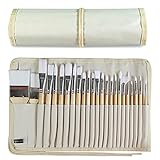
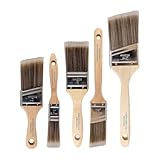
I remember staring at a wall of art supplies, overwhelmed. The salesperson pointed to a fancy set of brushes, raving about their ‘natural spring’ and ‘superior pigment load.’ They were made of something called goat hair, and the price tag made my eyes water. I bought them, of course. Big mistake. Huge.
Years and a significant chunk of my budget later, I can tell you the real deal about whether are goat hair quill brushes good to paint with. Forget the marketing fluff; let’s talk about what actually matters when you’re trying to get paint onto a canvas, a piece of paper, or whatever your current obsession is.
It’s not always about the hype. Sometimes, the simplest tools, or ones that get unfairly dismissed, are the ones you end up reaching for again and again. Let’s cut through the noise.
Why the Fuss About Goat Hair Anyway?
So, what’s the big deal with goat hair brushes? Well, it all comes down to the hair itself. Unlike synthetic fibers, which are uniform and can be engineered for specific stiffness or softness, natural animal hairs have microscopic scales and a taper.
Goat hair, in particular, has these qualities that artists have prized for centuries, especially for certain types of painting. The scales on the hair help it hold onto more liquid – in this case, paint.
Think of it like a tiny sponge, but way more sophisticated. This means you can load up a goat hair brush with a good amount of paint and water, and it will release it smoothly and evenly onto your surface. This is super handy for techniques that require a lot of pigment, like watercolor washes or even some oil painting applications where you want a soft blend.
The ‘quill’ part refers to the brush shape, typically a round brush with a pointed tip, designed for control and detail. These are often made with the finer, softer hairs from the goat’s belly or flank, which give them that beautiful flexibility and ability to create fine lines. They’re not as stiff as, say, hog bristle, but they’re not as floppy as some other soft natural hairs either. This middle ground is what makes them versatile.
I’ve spent a good few hundred dollars over the years trying different brush types, and when I finally understood what the hair structure actually did, I stopped wasting money on the wrong things. The key is that the hair is naturally hollow-ish, which helps it retain moisture. That’s the magic for watercolorists who want to lay down a long, consistent stroke without having to reload the brush every few seconds. It’s also why some illustrators prefer them for fine detail work in ink.
Now, are they inherently better? Not necessarily. It depends entirely on what you’re painting and how you paint. If you’re a beginner watercolorist, a decent synthetic brush might actually be more forgiving because it won’t absorb quite as much water, preventing you from overworking a wash.
But once you start pushing the boundaries of washes, gradations, and subtle blending, you’ll likely notice the difference goat hair can make. My first real ‘aha!’
moment with goat hair was during a landscape painting where I was trying to get a smooth sky gradient. My synthetic brushes just weren’t cutting it; they were either too scratchy, leaving streaks, or didn’t hold enough paint to transition smoothly. (See Also: Can Acrylic Paint Go In An Air Brush )
Switching to a decent goat hair quill brush, even a mid-range one I found at a local art shop for about $12, changed the game. The paint flowed like butter.
What to Actually Look for (and Avoid)
Okay, so you’re convinced you want to give goat hair quill brushes a whirl. Great. Now, how do you avoid getting ripped off or buying something that’s just going to disappoint you? First off, ignore the fancy packaging and the brand names that sound like they belong in a Michelin-starred restaurant. A lot of the time, you’re paying for the name, not the quality of the hair. What you should be looking for are a few key indicators:
- The Hair Itself: Look at the bristles. Are they uniformly colored, or do they have some natural variation? Natural hair often has slight variations in tone, which is a good sign. They should look soft but have a bit of ‘snap’ – meaning they spring back when you bend them. If they look dull, fuzzy, or limp, steer clear.
- The Ferrule: This is the metal part that holds the bristles to the handle. It should be smooth, crimped securely, and not have any rough edges. A poorly made ferrule can lead to loose bristles falling out, which is infuriating. You want a nice, snug fit.
- The Handle: Most good brushes will have a comfortable, well-balanced handle. It might be wood, or sometimes a treated composite. It should feel good in your hand for extended periods. Cheap brushes often have handles that feel flimsy or splintery.
- The Tip: For quill brushes, the point is important. When wet, it should come to a nice, sharp point. If it fans out or looks messy even when clean, the brush isn’t well-made.
A lot of cheaper brushes marketed as ‘natural hair’ are actually a blend, or they use lower-quality animal hair that might be dyed to look like goat hair. Sometimes, you can get away with these for practice, but for anything serious, it’s worth investing a little more. I once bought a ‘natural hair’ brush for about $5 that shed bristles like a wet dog.
It was useless. Total waste of money. On the flip side, I’ve found some fantastic individual goat hair quill brushes from smaller, independent art suppliers for around $10-$20 that perform just as well as brushes costing $50+.
The key is to inspect them closely. If you can, feel the bristles. Give them a gentle bend. A good goat hair brush will feel soft but resilient.
Common Mistakes and Why They Happen
Let’s be real, we all make mistakes when buying art supplies. It’s part of the learning curve. But with goat hair brushes, there are a few common pitfalls that can make you think they’re not worth the hype, when really, it’s just how you’re using or caring for them. One of the biggest mistakes I see beginners make is expecting them to perform like synthetic brushes. Goat hair is soft and absorbent. If you’re used to stiff synthetics that push paint around, you’ll need to adjust your technique. Trying to force thick, stiff paint with a soft goat hair brush will just lead to frustration and bent bristles.
Another mistake is improper cleaning. Because the hair is so fine and has those scales, it can hold onto pigment and medium much more effectively than synthetics. If you don’t clean them thoroughly and immediately after use, paint can dry deep within the bristles, permanently damaging their shape and spring. I learned this the hard way with a beautiful, expensive sable brush (another natural hair, but even finer) that I left soaking in water overnight.
The glue in the ferrule dissolved, and the bristles splayed out like a dandelion clock. Total disaster. For goat hair, gentle cleaning with a brush soap or mild detergent, followed by reshaping and drying them lying flat or bristles-up, is key. Never leave them standing in water or dry them with heat.
People also sometimes misunderstand the purpose of the ‘quill’ shape. These are not typically for broad, aggressive strokes like a large flat hog bristle brush. They excel at controlled lines, delicate washes, and blending. If you’re trying to apply thick impasto paint with a small pointed quill brush, you’re fighting the tool.
You’d be better off with a palette knife or a stiffer brush for that. My friend, who is also an artist, used to complain that her goat hair brushes were ‘too floppy’ for anything but watercolor. I watched her paint and realized she was trying to use them like her old acrylic brushes – holding them too far back on the handle and not letting the tip do the work. (See Also: Can Acrylic Paints Be Used In An Aqua Brush )
Once she switched to holding it closer to the ferrule and focusing on the point, her work transformed. It’s about understanding the tool’s strengths and weaknesses and adapting your approach.
Real-World Use: When Goat Hair Shines
So, where do goat hair quill brushes truly come into their own? For me, the undisputed champion category is watercolor.
The ability of these brushes to hold a large volume of water and pigment, and then release it in a controlled, smooth manner, is unparalleled for creating soft, luminous washes. Think of those beautiful, misty landscapes or the subtle color transitions in a portrait. A good goat hair quill brush can lay down a wash that covers a significant area of your paper without requiring constant reloads or showing harsh brush marks. It’s that smooth, even flow that makes all the difference.
I’ve spent hours trying to achieve those smooth blends with synthetics, and while it’s possible, it’s just… easier with good natural hair.
Beyond watercolor, they’re fantastic for traditional ink illustration, especially if you’re working with India ink or sumi ink. The fine point allows for incredible detail, from wispy hair to delicate linework, and the ink flow is consistent, reducing the need to dip your brush constantly. This is a huge time-saver and keeps the creative momentum going. I actually use a specific goat hair quill brush that I bought for about $15 for all my fine line ink work. It’s probably the most cost-effective tool in my entire studio. I’ve tried expensive technical pens and fineliners, but there’s a certain organic quality to ink lines drawn with a brush that just can’t be replicated.
In oil painting, they’re a bit more niche. They’re not ideal for heavy body oils or aggressive brushwork. However, for artists working with thinner oil mediums, glazing techniques, or subtle blending, a goat hair quill brush can be a wonderful addition.
They can create incredibly smooth transitions and delicate scumbling effects. Imagine painting the soft highlights on glass or the subtle shimmer of silk – that’s where these brushes can excel. They offer a different feel than hog bristle or stiffer synthetics, allowing for a more delicate touch.
It’s about understanding the medium and the desired effect. If you’re aiming for soft, luminous effects, especially in watercolor or ink, then yes, goat hair quill brushes are absolutely good to paint with.
Comparing Goat Hair to Other Brush Types
It’s tough to talk about art supplies without a good old-fashioned comparison chart. So many artists get hung up on buying the ‘best’ brush, but ‘best’ is subjective and depends entirely on your medium and technique. Here’s a quick rundown of how goat hair quill brushes stack up against some common alternatives:
| Brush Type | Pros | Cons | Best For | My Verdict |
|---|---|---|---|---|
| Goat Hair Quill | Excellent water/pigment retention, soft, smooth release, fine point for detail. | Can be too soft for stiff paints, requires careful cleaning, can be expensive for high quality. | Watercolor washes, ink illustration, delicate blending. | Great for fluid media and fine lines. A must-have for certain styles. |
| Synthetic Bristle | Durable, inexpensive, holds shape well, good for various media (acrylic, oil, watercolor). | Can lack natural pigment load, may feel less ‘alive’ or responsive, can leave visible brush strokes. | General purpose painting, beginners, acrylics. | Reliable workhorse. Good for learning and general use, but lacks the finesse of natural hair for certain techniques. |
| Hog Bristle | Stiff, durable, excellent for moving thick paint, creates texture. | Can be scratchy, poor for fine detail or smooth blending, absorbs less liquid. | Oil painting, heavy body acrylics, impasto. | Key for thick paint application and texture. Not suited for delicate work. |
| Sable Hair | Extremely fine point, exceptional water retention, very soft and springy. | Very expensive, delicate, can be damaged easily if not cared for. | High-end watercolor, miniature painting, gouache. | The Rolls-Royce. Amazing for ultimate control and detail, but a significant investment. |
As you can see, there’s no single ‘best.’ If you’re primarily an oil painter who loves thick, textured strokes, a goat hair quill brush might not be your go-to. You’ll want hog bristle or a stiff synthetic. (See Also: A Brushes Digital Painting )
But if you’re a watercolorist looking for those buttery smooth transitions or an illustrator who needs precise ink lines, then a goat hair quill brush is definitely a strong contender. I remember trying to do delicate floral details with a stiff hog bristle brush once – it was like trying to sculpt with a brick.
Completely the wrong tool for the job. Conversely, trying to paint a bold, textured sky with a tiny goat hair quill would be equally frustrating.
It’s all about matching the brush to the task. My personal toolkit has a mix of all these, and I reach for them depending on what I’m creating.
The goat hair ones are for when I need that specific kind of flow and softness.
Are Goat Hair Brushes Good for Acrylic Paint?
Goat hair brushes can be used for acrylics, but they aren’t typically the first choice for heavy body acrylics. Their softness and absorbency make them best suited for thinner acrylics, glazes, or watercolor-like applications of acrylics. They excel at smooth blending and delicate washes, but they might not have the stiffness needed to move thick, viscous paint effectively without damaging the bristles.
How Do I Clean Goat Hair Brushes?
Cleaning goat hair brushes properly is important to their longevity. After each use, gently rinse them under cool or lukewarm water to remove most of the paint. Then, use a mild brush soap or a gentle detergent, working it into the bristles to create a lather. Rinse thoroughly until all soap residue is gone. Reshape the bristles to their original form while wet and allow them to dry lying flat on a surface or suspended bristles-up, away from direct heat.
Can I Use Goat Hair Brushes for Oil Painting?
Yes, but with caveats. Goat hair brushes are generally too soft for aggressive oil painting techniques or for moving heavy body oils. However, they can be excellent for artists who use thinner oil mediums, enjoy glazing, or are aiming for very smooth blending and delicate effects. They offer a softer touch than hog bristle brushes, allowing for subtle layering and scumbling.
Are Goat Hair Brushes Better Than Synthetic Brushes?
It’s not a matter of one being universally ‘better.’ Goat hair brushes offer superior pigment and water retention, leading to smoother washes and blends, especially in watercolor and ink. Synthetic brushes are often more durable, easier to clean, more consistent in their performance, and less expensive. The choice depends on the medium, technique, and desired effect. For fluid, luminous applications, natural hair like goat can be superior; for general versatility and durability, synthetics are hard to beat.
Where Can I Buy Good Goat Hair Quill Brushes?
You can find goat hair quill brushes at dedicated art supply stores, both physical and online. Look for brands that specialize in artist-grade materials. While expensive brands exist, don’t overlook mid-range options from reputable art suppliers. Checking reviews and, if possible, feeling the brushes in person can help you find quality ones for a reasonable price, often in the $10-$30 range for individual brushes.
Verdict
So, are goat hair quill brushes good to paint with? My honest answer is yes, but with a big asterisk: they’re good for specific things. They’re not the all-purpose superheroes some brands would have you believe. If you’re chasing those buttery smooth watercolor washes or delicate ink lines, they absolutely shine. They hold onto liquid like a dream and release it like silk.
But if you’re expecting them to wrestle with thick impasto oil paint or be as solid as a synthetic for aggressive acrylic work, you’re setting yourself up for disappointment. They’re a tool for finesse, not brute force. My own experience has taught me that understanding the material properties of your brushes – be it goat hair, sable, or synthetic – is far more valuable than just buying the most expensive set.
My advice? If you’re curious and work in a medium where fluidity and softness are key, pick up one or two decent goat hair quill brushes. Start with a mid-range one, maybe around $15-$25, and experiment. See how they feel in your hand and how they interact with your paint. You might just find a new favorite tool that lifts your work in ways you didn’t expect. Just remember to treat them with care – they’re worth it.