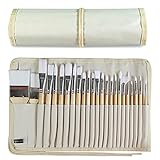
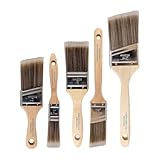
I remember standing in the art supply store, completely overwhelmed. So many brushes. So many promises of flawless strokes and perfect blends. And there they were, some with labels proudly proclaiming ‘Natural Bristle’ or ‘Animal Hair’. My wallet cried a little. So, let’s get this out of the way: are paint brushes made out of horse hair? Yes, they absolutely can be, and often are, especially for certain types of art and painting.
For years, I’ve navigated the confusing world of art supplies, trying to figure out what’s hype and what actually delivers. You spend a fortune on a brush that’s supposed to be magical, only to find it sheds like a husky in August or lays down paint like a toddler with a crayon. It’s infuriating.
That Fluffy Secret: Why Horse Hair Matters (sometimes)
Okay, so the short answer is yes, many paint brushes are indeed made from horse hair. But it’s not just any old horse hair plucked from a passing mare. For art brushes, it’s usually the tail and mane hair. Why horse hair? Because it’s got this fantastic natural ‘flagging’ at the tip. Imagine the finest strands splitting into even finer, wispy ends. This flagging is what allows brushes to hold a lot of paint or liquid and then release it smoothly and evenly onto the surface. Think of watercolor brushes – that soft, feathery touch is often thanks to animal hair, and horse is a popular choice because it’s relatively abundant and offers a good balance of softness and spring.
My first really decent watercolor set had a brush labeled ‘Sable Blend’. I assumed ‘sable’ meant some exotic, expensive cat. Turns out, sable is a type of marten, but the point is, it was animal hair. And when I finally splurged on a higher-quality, single ‘Camel Hair’ brush (which is usually horse or goat, by the way, not actual camels – marketing, right?), the difference was night and day. The paint flowed so beautifully, I felt like I could paint an entire landscape with just a few perfect washes. It was a revelation.
The key here is the cuticle structure of animal hair. It’s rougher than synthetic fibers, which allows it to trap pigment and water better. Plus, animal hairs have a natural springiness, meaning they bounce back to their original shape after being bent.
This is important for control and precision. For delicate washes in watercolor, or for applying thin, even layers in oil or acrylics where you want minimal brushstroke texture, these natural bristles are often superior. They’re less likely to leave harsh lines compared to some stiffer synthetic options, offering a softer, more blended finish. It’s about how the material interacts with the medium.
Horse hair, in particular, is often chosen for its balance of absorbency and resilience, making it versatile for various mediums, though it really shines with water-based paints like watercolor and gouache.
Synthetics vs. Naturals: The Real Showdown
Now, let’s talk about the elephant in the room: synthetics. For the longest time, if you wanted quality, you were told you had to go natural. And for a long time, that was largely true. But technology has come a long way, and honestly, some synthetic brushes are now genuinely fantastic. However, there are still certain applications where natural bristles, including horse hair, just can’t be beaten. It’s not always about which is ‘better’ overall, but which is better for a specific job and for the effect you’re trying to achieve.
I’ve gone through phases where I swore by only natural brushes, then phases where I embraced synthetics. The truth is, I ended up with a mix of both, and I reach for them based on what I’m doing. For laying down large, soft washes in watercolor, I’ll still grab my favorite horse hair mop brush. The way it soaks up water and pigment and then releases it in a controlled, spreadable way is still something I haven’t quite replicated with synthetics.
It’s like a sponge with a perfect tip. But for acrylics, especially when I want sharp edges or to create texture, I often prefer a stiffer synthetic or a blend. The synthetic bristles can be engineered to have a lot of snap and resilience, which helps push thicker paint around and maintain crisp lines without bending too much.
Here’s the thing about synthetics: they are incredibly consistent. You can manufacture them to have specific stiffness, spring, and shape.
This means a synthetic brush from Brand A will behave very similarly to another synthetic brush from Brand A, and often across different price points too, which can be great for beginners. Natural hairs, on the other hand, have natural variations. Even within the same type of animal hair, you’ll find differences in flexibility, texture, and absorption. This variation is part of their charm and why artists develop preferences for specific brushes. (See Also: Can Acrylic Paint Go In An Air Brush )
But it also means you might have to sort through a few to find a real gem. The common advice to always go natural is outdated for many applications, but for certain delicate, fluid applications, particularly in watercolor, horse hair still holds its own.
What to Look for: Beyond the Label
So, you’re looking for a brush and you see ‘horse hair’. What does that actually mean for you? Well, a good horse hair brush will feel soft but have a decent amount of ‘snap’ or spring. When you bend the bristles, they should spring back to their original shape without splaying out permanently. The tips should be fine and naturally ‘flagged’ – meaning the very ends of the hairs are split into finer filaments. This flagging is key for smooth paint delivery and holding a good amount of liquid. If the tips look blunt or damaged, that brush won’t perform as well.
I once bought a brush online that was advertised as ‘100% Horse Hair’. When it arrived, the bristles felt… oily?
And they splayed out like a startled hedgehog. There was no spring, no flagging, just a clumpy mess. I’d wasted about $30.
It taught me a valuable lesson: the label is just a starting point. You need to feel the brush.
How does it feel in your hand? Does it have a nice weight to it? Does it feel balanced?
When you gently flick the bristles, do they snap back? Another thing to check is the ferrule – that’s the metal part holding the bristles to the handle.
It should be crimped securely, with no gaps or looseness. A loose ferrule means the bristles can fall out prematurely, which is incredibly frustrating. You’re basically looking for a tool that feels like an extension of your hand, not a clumsy appendage.
When considering horse hair brushes, you’ll often find different grades. Some are made from coarser hairs, which might be good for texturing or applying thicker mediums. Others use the finer, softer hairs from specific areas of the animal, which are ideal for delicate washes and detail work.
The binding of the bristles is also important. They should be densely packed and evenly distributed. A good brush should not shed excessively. A few stray hairs when you first get it is normal, especially with natural materials, but constant shedding is a sign of poor quality or construction.
For watercolorists, look for brushes that can hold a good amount of water and pigment, and release it smoothly without pooling or streaking. For oil or acrylic artists considering natural brushes, look for ones with a bit more stiffness if you want to retain brushwork texture. (See Also: Can Acrylic Paints Be Used In An Aqua Brush )
| Brush Type | Material Focus | Pros | Cons | My Verdict |
|---|---|---|---|---|
| Watercolor Mop/Wash Brush | Horse Hair / Squirrel Blend | Excellent water/pigment retention, soft, flowing application, natural flagging for smooth washes. | Can be too soft for stiff paints, prone to splaying if lower quality, can be expensive. |
Go-to for soft washes. The way it glides is unmatched for gradients and wet-on-wet techniques. Worth the splurge if you do a lot of watercolor washes. Just make sure it’s good quality. |
| Oil/Acrylic Flat/Round Brush | Hog Bristle / Synthetic Blend | Good for texture, pushing thicker paint, durable, holds shape well, consistent performance (synthetics). | Can leave prominent brushstrokes (hog), synthetics can feel less ‘alive’ than naturals, less absorbent than animal hair. |
Workhorse. Synthetics are great for consistency and value, especially for beginners. Hog bristle is king for impasto. I use these for texture and bolder applications. |
| Detail Brush | Kolinsky Sable / Synthetic Fine Tip | Precision, control, fine lines, good snap. | Kolinsky sable is VERY expensive, synthetics can lose fine tip over time, requires careful cleaning. |
Key for detail. You need a sharp, responsive tip. Kolinsky is the gold standard but pricey. High-quality synthetics are a good alternative if you’re on a budget. |
Common Mistakes and How to Avoid Them
One of the biggest mistakes I see artists make, especially when they’re starting out, is assuming all brushes are created equal, or that the most expensive one is automatically the best. I learned this the hard way when I bought a ridiculously pricey brush that turned out to be a dud. It was stiff, shed like crazy, and just wouldn’t hold paint properly. It was marketed as ‘luxury’ but felt like a cheap imitation. The common advice is often to just buy the most expensive you can afford, but that’s not always the best strategy. You need to understand why a brush is good for a particular purpose.
Another common pitfall is not cleaning your brushes properly. Natural hairs, especially horse hair, can get clogged with dried paint and mediums. If you let paint dry in the ferrule, it’s like concrete setting in there. The hairs will splay permanently, and the brush will lose its shape and flexibility. I’ve had brushes I loved that I practically ruined because I was lazy about cleaning them. Now, I’m religious about it. Rinse thoroughly, use a brush soap or mild detergent, reshape the bristles while damp, and let them dry horizontally or hanging bristles-down. It makes a world of difference. My brushes last so much longer now, and they continue to perform beautifully.
People also tend to stick to one type of brush for everything. If you love watercolor, you might think you only need soft, absorbent brushes. If you’re an acrylic painter, you might gravitate towards stiff bristles. While it’s good to have preferences, experimenting with different materials and shapes can open new techniques.
Don’t be afraid to try a softer brush for a bold acrylic stroke, or a stiffer synthetic for a delicate watercolor line. Sometimes the unexpected combinations yield the most interesting results. And don’t forget about brush size. Using a brush that’s too large for detail work or too small for broad strokes is a recipe for frustration.
Think about the scale of your work and the effects you want.
Real-World Use: When Horse Hair Shines
So, where does horse hair truly earn its keep? For me, it’s in watercolor. The way a good horse hair brush can absorb a large amount of water and pigment, and then release it smoothly and evenly, is a thing of beauty. It’s perfect for creating soft, blended washes that are characteristic of watercolor. You can lay down a gradient of color that transitions smoothly without harsh lines. It’s also excellent for wet-on-wet techniques, where you apply wet paint onto a wet surface. The brush’s ability to hold a lot of moisture allows for these fluid, organic effects.
I remember a specific landscape I was painting. I wanted this soft, hazy sky with subtle shifts in color. I tried a synthetic brush, and it just wasn’t giving me the smooth blend I wanted.
It was either too streaky or I ended up overworking it and making it muddy. Then I switched to my favorite horse hair wash brush. I loaded it with diluted paint, touched it to the paper, and the color just flowed. (See Also: A Brushes Digital Painting )
It blended itself. It was like the brush knew exactly what I wanted it to do. That experience cemented my love for horse hair for these specific applications.
It’s less about the brush forcing the paint and more about the brush helping the flow of the medium.
Beyond watercolor, good quality horse hair can also be found in some fan brushes, which are great for blending and creating soft textures like grass or hair in oil and acrylics. Some calligraphy brushes also use horse hair for its flexibility and ability to hold ink. However, it’s important to differentiate between various animal hairs. While horse hair is versatile and relatively affordable, hairs like sable (marten) or squirrel are often considered more luxurious for watercolor due to their superior water retention and fine tips, albeit at a much higher price point. Horse hair offers a fantastic middle ground, providing excellent performance without breaking the bank.
Practical Tips for Brush Care and Selection
If you’ve decided to invest in some horse hair brushes, or any natural hair brushes for that matter, taking care of them is most important. First, never leave them sitting in water or solvents. This will damage the glue in the ferrule and can warp the wood of the handle. Always rinse them thoroughly after each use, working the paint out from the ferrule down to the tip. Use a dedicated brush soap or a small amount of mild dish soap. Gently work the soap into the bristles to lift out any remaining pigment or binder. Rinse until the water runs clear.
Reshaping is key. While the bristles are still damp, gently mold them back into their original shape. For round brushes, pinch the bristles to a point. For flat brushes, flatten them into a clean edge. Then, let them dry completely. The best way to dry them is horizontally on a flat surface or hanging them bristles-down from a rack. This prevents water from seeping back into the ferrule and weakening the adhesive. Never stick them in a jar bristles-up to dry, as gravity will pull water into the ferrule. I made this mistake for years and wonder why my old brushes fell apart so quickly. Trust me, proper drying is a big deal for brush longevity.
When selecting brushes, especially horse hair ones, don’t be afraid to ask questions if you’re in a physical store. Feel the bristles. Look for that natural flagging. If buying online, read reviews carefully and look for descriptions that mention softness, spring, and how well they hold paint and water. A good quality horse hair brush can be incredibly rewarding to use, offering a fluid, responsive painting experience that’s hard to replicate. They are a staple in many artists’ kits for a reason. For those who love the feel of natural materials and the organic flow they provide, especially in watercolor, horse hair brushes are a solid, reliable choice.
Can You Use Horse Hair Brushes for Oil Painting?
Yes, you can use horse hair brushes for oil painting, but they are generally better suited for softer applications or when you want a smoother finish. Stiffer, more resilient bristles like hog bristle or certain synthetics are typically preferred for oil painting because they can handle thicker paint and create more texture. However, a softer horse hair brush can be useful for blending oil colors or for applying thin glazes where minimal brushstroke is desired.
Are Horse Hair Brushes Good for Beginners?
Horse hair brushes can be good for beginners, particularly if they are primarily working with watercolor. They offer a good balance of performance and affordability compared to very high-end natural hairs like sable. However, beginners should be aware that natural brushes require more diligent cleaning and care than synthetics. For acrylics or oils, beginners might find stiffer synthetic brushes easier to manage initially due to their durability and consistency.
How Do I Clean Horse Hair Paint Brushes?
To clean horse hair paint brushes, rinse them immediately after use under lukewarm water, working the paint out from the ferrule towards the tip. Use a mild soap, like a dedicated brush soap or a gentle dish soap, to lather the bristles and lift out all pigment. Rinse thoroughly until the water runs clear. Gently reshape the bristles with your fingers and allow the brush to dry completely, either horizontally or hanging bristles-down. Avoid leaving them to dry bristles-up in a jar, as water can seep into the ferrule and damage the brush.
What’s the Difference Between Horse Hair and Synthetic Brushes?
The main difference lies in their properties. Horse hair brushes are natural, with ‘flagged’ tips that hold more paint and release it smoothly, offering a soft, fluid application, especially good for watercolor. They require careful cleaning and can be inconsistent. Synthetic brushes are man-made, offering consistency, durability, and often more stiffness and snap, making them great for acrylics and oils, and they are generally easier to clean and maintain. Synthetics can be engineered to mimic natural hair properties but often lack the natural absorbency and delicate flagging of true animal hair.
Final Thoughts
So, to circle back to the burning question: are paint brushes made out of horse hair? Unequivocally, yes. And while synthetic brushes have made huge leaps and are fantastic for many things, there’s still a magic to natural bristles, especially for certain mediums and techniques. The way they hold and release paint, the softness, the responsiveness – it’s something special.
My advice? Don’t get bogged down in the ‘natural vs. synthetic’ war. Use what works for you and the medium you’re using. Invest in a few quality brushes, whether they’re horse hair, synthetic, or a mix. And for the love of all that is artistic, clean them properly! Your brushes will thank you, and your art will show it.
If you’re curious about the feel of natural fibers but balk at the price of sable, a good quality horse hair brush is an excellent place to start. Give one a try, treat it well, and see if you don’t fall in love with its unique way of handling paint.