I remember staring at a set of antique cabinet doors, trying to figure out why they just wouldn’t hang right. They’d sag, stick, and generally make me want to throw the whole darn thing out the window. My old man, who’d seen more than his fair share of DIY disasters, just chuckled and pointed. ‘You’re fighting the wrong thing,’ he said. ‘It’s not the doors, it’s these darn hinges.’ It got me thinking about the humble hinge and whether there’s more to it than just being a joint. So, are hinges elongated wheels? Let’s cut through the noise.
The short, blunt answer is no, they aren’t wheels. But the comparison, as weird as it sounds, has a grain of truth in how they function and the problems they can cause if they’re not right. They both deal with motion and load, and both can become a royal pain if neglected.
What Exactly Is a Hinge, Anyway?
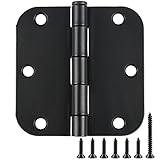
Look, most people don’t give a second thought to hinges until something breaks. They’re just there, doing their job, connecting two things so they can move relative to each other. Think about your car doors, your kitchen cabinets, the lid on your toolbox – all held by hinges. The basic idea is a pivot point, usually two plates or ‘leaves’ connected by a ‘knuckle’ or barrel, with a pin running through it. This allows for rotational movement. It’s a simple mechanism, elegantly designed for its purpose. But ‘simple’ doesn’t mean ‘problem-free’.
When you start thinking about are hinges elongated wheels in terms of their function, you see the analogy. A wheel allows a vehicle to roll smoothly over a surface, minimizing friction. A hinge allows a door or panel to swing open and closed, ideally with minimal resistance. Both are designed to help movement.
However, a wheel’s primary job is to carry a load horizontally with rolling friction, whereas a hinge carries a load in shear and allows for angular displacement. So, while they both enable motion, the physics are quite different.
A wheel’s efficiency comes from rolling; a hinge’s efficiency comes from a smooth pivot. If that pivot gets stiff, sticky, or corroded, the whole system suffers, much like a wobbly wheel on a shopping cart.
The materials matter, too. You’ve got steel hinges for heavy-duty stuff like garage doors, brass for decorative or marine applications (they resist corrosion better), and aluminum for lighter tasks. The finish can also impact performance and longevity – powder coating, zinc plating, even oil-rubbed bronze. All these choices affect how the hinge behaves over time. For instance, I once put some cheap, unplated steel hinges on an outdoor gate. Within a year, they were so rusted they barely moved, and the gate started dragging. Lesson learned: don’t skimp on materials, especially when the elements are involved.
When Hinges Go Bad: More Than Just Squeaks
The most common complaint with hinges is a squeak. Drives me nuts. Usually, a bit of lubricant (WD-40 is my go-to for quick fixes, though I’ll talk about better options later) sorts it out. But if you’re getting more than just a squeak – like sagging doors, doors that won’t close properly, or even visible wear and tear on the hinge itself – you’ve got bigger issues. This is where the ‘elongated wheel’ analogy starts to break down, because a worn-out wheel usually means a replacement is imminent, whereas a worn hinge can sometimes be adjusted or repaired, though often it’s just not worth the hassle.
I had a situation with a heavy oak cabinet door in my workshop. It started to sag, just a millimeter or two, but enough to make the adjacent door look crooked and the drawer below it bind. I tried tightening the screws, thinking maybe they’d just worked loose. Nope. Then I looked closer at the hinges. They were the standard, flat-leaf type, and one of the knuckles had worn so much that there was visible play. It was basically creating a wider pivot point, causing the sag. This is a common failure mode. The pin wears down, or the barrel elongates, and suddenly your perfectly aligned door is looking like it’s had a rough night. (See Also: A Box Without Hinges Key )
The problem isn’t always wear. Sometimes it’s installation. If hinges aren’t mortised correctly into the door and frame, or if the screws aren’t the right size and type for the material, you’re setting yourself up for failure.
I once helped a buddy install some custom shelves with heavy doors. We used lag bolts into the studs, but the hinge plates themselves were just small screws into the particleboard of the cabinet. Within a month, the particleboard started to crumble around the screw holes, and the doors just sagged like sad clowns. That was a frustrating fix, involving reinforcing the cabinet side with wood and then re-mortising the hinges.
It taught me to always think about the load path and make sure every component is adequately supported.
What to Look for When Buying Hinges (they Aren’t All the Same)
When you’re actually out shopping for hinges, it’s easy to get overwhelmed. There are so many types: butt hinges, ball-bearing hinges, concealed hinges, continuous hinges, strap hinges… the list goes on. For most home projects, like hanging interior doors or cabinets, standard butt hinges are fine. But if you have a heavy door, like an exterior entry door or a substantial piece of furniture, you’ll want to step up to ball-bearing hinges. These have actual bearings in the knuckle, which drastically reduces friction and wear, especially under load. They’re smoother, quieter, and last much longer. Trust me, the extra $10-$20 per hinge is worth it for a heavy door.
Here’s a quick rundown of hinge types and what they’re good for, just so you know what you’re looking at:
| Hinge Type | Typical Use | My Verdict |
|---|---|---|
| Butt Hinge | Interior doors, cabinet doors, lightweight gates | Standard, reliable, but can wear out on heavy loads. Good for most basic jobs. |
| Ball-Bearing Hinge | Exterior doors, heavy interior doors, high-traffic doors | Smoothest operation, best for heavy loads. Worth the extra cost for durability. |
| Concealed (Euro) Hinge | Cabinet doors, modern furniture | Clean look, adjustable. Can be fiddly to install, but great for a smooth finish. |
| Continuous (Piano) Hinge | Long doors, toolboxes, piano lids | Distributes load evenly along the entire length. Good for long, narrow openings. |
| Strap Hinge | Barn doors, rustic furniture, gates | Decorative and strong, but can look a bit ‘country’. Make sure it’s the right aesthetic. |
When you’re choosing, always consider the weight of the door or panel you’re hanging. Manufacturers usually provide a weight rating. For anything substantial, I always go a step above what I think I need. Better safe than sorry, right? Also, pay attention to the material and finish. For exterior applications, stainless steel or heavy-duty coated steel is your best bet. Don’t try to save a few bucks on exterior hinges; rust is a relentless enemy.
The Contrarian Take: Sometimes the Wrong Advice Is Everywhere
Everyone, and I mean EVERYONE, tells you to use a little bit of grease or oil on squeaky hinges. And yeah, sometimes it works. But honestly? Most of the time, especially with modern, well-made hinges, the squeak isn’t just a lack of lubrication. It’s a sign of wear, or of misalignment, or of dirt and grime getting ground into the pivot point. Slapping some WD-40 on a worn-out hinge is like putting a band-aid on a broken leg. It might quiet it down for a bit, but it’s not fixing the underlying problem.
I’ve found that if a hinge is truly squeaking and it’s not just a bit of dust, it’s often because the pin isn’t seated properly, or the barrel has developed a burr, or there’s some corrosion eating away at the metal. The ‘fix’ is often to pull the pin, clean everything meticulously with a wire brush and some degreaser (not just a spray can of magic juice), inspect for damage, and then reassemble with a high-quality lithium grease or a silicone lubricant. For hinges that are already showing significant wear or corrosion, I just replace them. Trying to baby a worn-out hinge is a waste of time and often leads to bigger problems down the line, like that sagging door I mentioned earlier. (See Also: Are Integrated Washing Machine Door Hinges Standard )
So, my contrarian advice? Don’t just reach for the nearest can of spray lubricant for every squeak. Take a moment to diagnose. If it’s a new install and it squeaks, something is wrong with the install. If it’s an old hinge, consider if it’s just tired. Pulling the pin and properly cleaning and greasing is a better long-term solution than a quick spray. And if it’s really bad, just buy new ones. They’re not that expensive, and the peace of mind is worth it.
Real-World Applications and Common Mistakes
Beyond just doors, hinges are everywhere. Think about the lid on your car’s gas cap – it’s got a little hinge. The tailgate on a truck, the engine cover on a motorcycle, even the folding mechanism on some high-end camping chairs. Understanding hinge function helps you fix things that might seem unrelated. For example, I had a motorcycle’s saddlebag lid that wouldn’t stay open. The hinge was a simple, flat piece of metal with a bend. It had just lost its springiness from being opened and closed so much. A bit of careful bending with pliers, and it held its position again. Simple, but effective.
The biggest mistake people make, in my experience, is underestimating the load. People will use flimsy hinges on heavy doors or gates. You see it all the time on garden gates that sag and scrape the ground.
The hinge just can’t handle the weight and the constant movement, especially when it’s exposed to the weather. Another common error is using the wrong screw. You need screws long enough and strong enough to anchor the hinge securely to the door and frame.
For solid wood, standard wood screws are usually fine, but for MDF or particleboard, you might need specialized screws or inserts, or to reinforce the material. For exterior applications, always use stainless steel or coated screws to prevent rust, which can bleed onto the surrounding material and look terrible.
Here’s a little checklist for avoiding common hinge headaches:
- Match Hinge to Load: Always choose hinges rated for the weight of the door or panel. When in doubt, go heavier duty.
- Consider the Environment: Use corrosion-resistant materials (stainless steel, brass, coated steel) for exterior or high-moisture areas.
- Proper Installation: Make sure hinges are mortised correctly, screws are appropriate for the material, and everything is plumb and level.
- Regular Maintenance: For frequently used or heavily loaded hinges, periodic cleaning and lubrication (properly, not just a spray) can extend their life.
- Don’t Force It: If a door is sticking or binding, don’t just jam it shut. Investigate the cause – it’s likely a hinge issue.
Faq: Addressing Your Hinge Questions
Can Hinges Be Painted?
Yes, hinges can be painted, but it’s important to do it correctly. First, make sure the hinge is clean and free of rust or old lubricant. Lightly sand the surface to help the paint adhere. Use a primer designed for metal, followed by your chosen paint (spray paint designed for metal is often easiest). Be mindful that painting can slightly thicken the hinge leaves, potentially affecting the fit. For heavily used hinges, the paint may chip or wear over time, requiring touch-ups.
How Do I Know If I Need New Hinges?
You likely need new hinges if you notice visible wear like a bent pin, elongated knuckles, or significant rust. Other signs include doors that sag, bind, or no longer close properly even after tightening screws. If a hinge consistently squeaks despite proper cleaning and lubrication, it might also be nearing the end of its lifespan. (See Also: Are Hinges Wheeels )
What’s the Difference Between a Door Hinge and a Cabinet Hinge?
While both function on the same principle, cabinet hinges are typically smaller and designed for lighter loads than door hinges. Door hinges, especially for exterior doors, are often thicker and sturdier, sometimes featuring ball bearings for smoother operation and better weight distribution. Cabinet hinges also come in a wider variety of styles for aesthetic purposes, like concealed (Euro) hinges.
Are There Hinges That Don’t Squeak?
Hinges designed with ball bearings or oil-impregnated bushings significantly reduce the likelihood of squeaking because they minimize metal-on-metal friction. High-quality, well-machined hinges made from good materials are also less prone to squeaking. Proper installation and periodic maintenance are key, but the design of the hinge itself plays a big role in its quiet operation.
The Takeaway: Hinges Aren’t Wheels, but They Both Need Care
So, to circle back to the original question: are hinges elongated wheels? No, not literally. But the comparison highlights their shared role in helping smooth, controlled movement and the frustration that arises when they fail. A wheel allows something to roll; a hinge allows something to swing. Both are mechanical components that, when functioning correctly, are barely noticed. When they’re not, they can become the bane of your existence.
My experience is that most people treat hinges as disposable or insignificant parts until they break. This is a mistake. Investing a little extra time and money in the right hinges for the job, and performing basic maintenance, will save you a world of headaches. Whether it’s a squeaky kitchen cabinet or a sagging shed door, understanding the basics of hinge function and common pitfalls can save you from unnecessary frustration and expense.
Final Thoughts
Ultimately, hinges aren’t elongated wheels. One rolls, the other pivots. But both are vital for things to move as they should. Ignoring them until they cause problems is a fool’s errand.
If you’re building or fixing something with moving parts, take a moment to consider the hinges. Get the right ones for the weight and environment. A little forethought now can save you a lot of grief later. Don’t be afraid to spend a few extra bucks on quality hardware – it’s usually the cheapest insurance against future headaches.
Next time you slam a door shut or struggle with a sticky drawer, take a look at the hinges. They might be telling you a story about what needs attention.