I’ve been there. You’re staring at a half-finished paint job, the can of tape open on the floor, and you reach for what you think is painter’s tape, only to realize it’s just… masking tape. Panic sets in. Will it ruin everything? Will I spend hours cleaning up bleed-through? I’ve wasted plenty of money and even more time on the wrong tape, so let’s cut to the chase: can I use masking tape instead of painter’s tape? The short, blunt answer is usually no, but there are nuances.
It’s a question that pops up when you’re in a pinch, or maybe when you’re just trying to save a buck. We’ve all seen those rolls of generic brown or tan tape sitting in the hardware store, looking suspiciously similar to the blue stuff. But trust me, there’s a reason the blue (or green, or purple, depending on the brand) tape costs a bit more. It’s designed for a specific job.
The Real Difference: Why Masking Tape Isn’t Painter’s Tape
Let’s get this straight right out of the gate: while masking tape and painter’s tape look alike and both stick to things, they are engineered for wildly different purposes. Think of it like trying to use duct tape to seal an envelope.
It’ll stick, sure, but it’s overkill, messy, and probably going to tear the paper. Masking tape is the duct tape of the masking world – a general-purpose adhesive designed for light-duty tasks. Its primary job is usually to hold things together temporarily.
Think wrapping presents, securing a box, or holding a piece of paper while you draw on it. The adhesive is generally stronger and less forgiving than painter’s tape.
This is where the problems start when you try to use it for painting.
When you peel off regular masking tape, especially after it’s been on for a while, it can lift paint, leave behind sticky residue, or even tear the drywall paper. I learned this the hard way on a trim job in my old apartment.
I figured, ‘It’s tape, it’ll stick,’ and used masking tape around the baseboards. Big mistake. When I pulled it off, it took a chunk of the freshly painted wall with it. Hours of touch-up work followed, and I was fuming.
The adhesive on masking tape is often more aggressive. It’s meant to hold strong, not to release cleanly. Painter’s tape, on the other hand, uses a low-tack adhesive that’s specifically formulated to stick well enough to create a seal but also to be removed cleanly without damaging the surface underneath.
It’s a delicate balance, and masking tape just doesn’t have that finesse. (See Also: Does Painters Tape Pull Off Paint )
The backing material is also different. Painter’s tape is usually made from thin, crepe paper that can conform to curves and edges, and importantly, it has a special coating that prevents paint from seeping through it. This is what gives you those super crisp, clean lines. Masking tape’s paper can be a bit thicker or rougher, and it doesn’t have that same paint-blocking treatment. This means paint can soak into the tape itself, leading to fuzzy edges and bleed-through. So, while technically you can stick masking tape to a wall, it’s almost always a bad idea if you want a professional-looking paint job.
When ‘good Enough’ Might Actually Be Good Enough (maybe)
Alright, so I’ve trashed masking tape for painting. But is there any scenario where you could get away with it? Let’s talk practicality. If you’re painting something that doesn’t require razor-sharp lines, and you’re not too precious about a tiny bit of bleed, maybe. For example, if you’re painting a shed with rough, unprimed wood, and the goal is just to keep the bulk of the paint off a specific section, masking tape might do the trick. The rough surface can help break the adhesive’s grip, and the imperfections in the paint job are less noticeable.
Or consider a quick touch-up on a piece of furniture where you’re just painting a small area and don’t need to mask off a large section. If you’re careful and remove the tape immediately after painting, while the paint is still wet, you might avoid some of the worst bleed-through and paint lifting. This is a risky move, though. Wet paint can smudge, and if the tape’s adhesive is too strong, you’ll still pull up the base coat. I tried this on a painted wooden toy box once, and it was a mess. The paint feathered everywhere, and the tape left a sticky ghost of its former self.
Here’s the contrarian take: Everyone screams for painter’s tape. And yeah, for 99% of situations, they’re right.
But if you’re painting, say, a kid’s cardboard fort, and the lines don’t need to be perfect, and you’re okay with a bit of fuzziness, masking tape is dirt cheap and readily available. It’s about managing expectations. If you’re aiming for a showroom finish, masking tape is a non-starter.
If you’re aiming for ‘good enough’ and have a very forgiving surface, you might survive. But honestly, the cost difference is usually so small that it’s not worth the headache.
A 1.5-inch roll of decent painter’s tape is usually under $10, and it’ll cover a decent amount of trim. Masking tape might be $3, but the extra time you’ll spend fixing mistakes could cost you way more than $7.
What to Look for in Painter’s Tape
So, if you’re ditching the masking tape idea (which I highly recommend), what should you be looking for? Painter’s tape comes in different varieties, and knowing the difference can save you grief. The most common is the light blue tape. This is your all-purpose workhorse. It’s good for most interior walls, trim, and even some delicate surfaces. It offers a good balance of adhesion and clean removal.
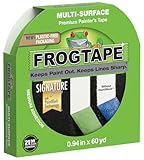
Then you have the green tape. This is generally a bit more heavy-duty. It’s often used for more demanding jobs like exterior painting, rough surfaces, or when you need a really strong seal to prevent bleed-through. Some people find green tape a little too sticky for delicate interior walls, so use it with caution there. I’ve found it works wonders on textured ceilings, where standard blue tape can sometimes lift the popcorn texture. (See Also: Does Painters Tape Rip Paint Off Walls )
There’s also purple tape, which is typically designed for delicate surfaces like wallpaper or freshly painted walls (wait at least 24 hours after painting before using purple tape, though). It has a very low tack adhesive. Gold tape is another one, often marketed for automotive use, but some painters like it for its strong hold and resistance to solvents. When choosing, always read the packaging. It will tell you what surfaces the tape is designed for and how long it can be left on. Manufacturers like ScotchBlue and FrogTape are generally reliable, but even within their lines, there are different products for different needs.
The Sad Reality of Using Masking Tape: Common Mistakes
The biggest mistake, of course, is using masking tape when you should be using painter’s tape. But even when people try to use masking tape for painting, they often compound the problem with other errors. One common mistake is leaving it on too long. Even painter’s tape can become difficult to remove cleanly if left on for days, especially in humid conditions or direct sunlight. Masking tape, with its stronger adhesive, is even more prone to this. It’s like letting glue dry on your fingers – the longer you wait, the harder it is to get off cleanly. For masking tape, the window for removal is even smaller, if it’s even viable at all.
Another mistake is not pressing the tape down firmly enough. This seems counterintuitive because we’re worried about the tape being too sticky. However, if the tape isn’t sealed down properly along the edges, paint will inevitably seep underneath. With painter’s tape, you’ll get fuzzy lines. With masking tape, you’ll get a full-on paint disaster. You need to run your finger, a putty knife, or a small roller along the edge to make sure a good seal. But again, with masking tape, you risk damaging the surface you’re taping to.
Improper removal technique is also a huge problem. Yanking the tape off quickly at a sharp angle is a recipe for disaster. The correct way, for painter’s tape, is to pull it slowly and steadily at a 45-degree angle. This helps to break the adhesive bond gradually. With masking tape, even this careful technique is likely to fail. The adhesive is just too strong. I’ve seen people try to ‘score’ the edge of the tape with a utility knife before pulling, which is a desperate measure that often leads to cutting into the wall or trim itself. It’s a lose-lose situation.
DIY Face-Off: Masking Tape vs. Painter’s Tape
To settle this once and for all, let’s do a quick comparison. It’s not about specs, it’s about real-world results:
| Feature | Masking Tape | Painter’s Tape | Verdict (For Painting) |
|---|---|---|---|
| Adhesive Strength | High, aggressive | Low-tack, designed for clean removal | Painter’s tape wins, hands down. Masking tape risks damage. |
| Paint Bleed-Through | High likelihood due to less dense paper and no special coating | Low likelihood due to specialized paper and coatings | Painter’s tape is far superior for crisp lines. |
| Clean Removal | Poor; likely to leave residue or tear surfaces | Excellent; designed to remove cleanly | Painter’s tape is the only viable option for clean removal. |
| Conformability | Stiffer, less flexible | Thin, flexible crepe paper for curves | Painter’s tape is better for intricate areas. |
| Cost (per roll) | Lower, typically $2-5 | Higher, typically $6-15 | Masking tape is cheaper, but the cost of mistakes outweighs savings. |
My Own Brush with Tape Disaster
I remember tackling a large living room makeover a few years back. The walls were a light neutral, and I wanted to paint the trim and ceiling a crisp white. I had a bunch of masking tape lying around from a garage project. My brain, in its infinite wisdom, thought, “This is just tape. It’ll hold. I’ll save a few bucks.” So, I meticulously taped off every inch of the walls, carefully pressing down the masking tape along the baseboards and around door frames.
The painting itself went okay. I was careful, but the fuzzy edges were already a hint of the disaster to come. The real nightmare started when it was time to remove the tape. I pulled slowly, at a 45-degree angle, just like I’d seen done with painter’s tape.
What happened? First, the tape started to crack and tear.
Then, large strips of paint came off the wall with the tape. It wasn’t just a little bit of bleed-through; it was gaping holes in my wall color. (See Also: Does Masking Tape Work The Same As Painters Tape )
Worse, sticky residue clung to the baseboards, impossible to get off without aggressive scrubbing that then damaged the wood. I ended up spending an entire weekend meticulously scraping residue, patching walls, and re-painting sections of the wall and trim. The cost of the extra paint, my time, and the sheer frustration made me swear off masking tape for any painting job forever. It taught me that sometimes, paying for the right tool saves you exponentially more in the long run.
People Also Ask
Can I Use Masking Tape on Delicate Surfaces?
Generally, no. Masking tape has a stronger adhesive than painter’s tape, which is specifically designed for delicate surfaces like wallpaper or freshly painted walls. Using masking tape on these surfaces is very likely to cause damage, tearing the paper or lifting the paint. Always opt for painter’s tape labeled for delicate surfaces if you have such materials.
Will Masking Tape Leave Residue on Walls?
Yes, masking tape is very prone to leaving a sticky residue on walls, especially if it’s left on for an extended period or exposed to heat. The aggressive adhesive can break down and become difficult to remove cleanly, often requiring scraping or the use of adhesive removers, which can further damage the wall.
What Is the Difference Between Masking Tape and Painter’s Tape?
The main difference lies in the adhesive and the backing material. Painter’s tape uses a low-tack adhesive formulated for clean removal without damaging surfaces, and its crepe paper backing is treated to prevent paint bleed. Masking tape has a stronger, more aggressive adhesive and its backing is not designed to prevent paint seepage, making it unsuitable for precise painting applications.
How Long Can Painter’s Tape Be Left on?
This varies by brand and type, but most interior painter’s tapes can be safely left on for 7 to 14 days. Some specialty tapes for delicate surfaces may have shorter recommended removal times. Always check the manufacturer’s instructions on the packaging to avoid issues like adhesive breakdown or paint lifting.
Can Masking Tape Be Used for Crafts?
Yes, masking tape is excellent for many craft applications where a strong, temporary hold is needed. It’s ideal for holding paper, fabric, or other materials in place during crafting projects, or for creating defined lines in art projects where clean removal isn’t the primary concern and a bit of bleed is acceptable.
A Few Practical Tips to Get It Right
If you’ve decided to use painter’s tape (smart move!), here are a few tips to make your life easier. First, always test your tape on an inconspicuous area. This is especially important if you’re painting over a delicate surface or using a new brand of tape. Let it sit for a few hours, then remove it to see if it pulls paint or leaves residue.
Second, apply the tape to a clean, dry surface. Dust or grime can prevent the tape from adhering properly, leading to bleed-through. If you’re taping over freshly painted walls, make sure they are completely dry and cured according to the paint manufacturer’s instructions. Some painters even suggest lightly scoring the edge of the tape with a utility knife after painting but before it dries completely, to make sure a clean break. Be extremely careful if you do this, as it’s easy to cut into the surface you’re protecting.
Finally, remove the tape while the paint is still slightly wet. This is a bit of a balancing act. If you remove it too soon, you might smudge the wet paint. If you wait too long, the paint can dry and bond with the tape, causing it to lift the underlying coat when removed. For latex paints, removing it when it’s dry to the touch but not fully cured is usually the sweet spot. Pull it off slowly and at a 45-degree angle. If you encounter resistance, stop, re-assess, and try a different angle or a gentler pull. It’s better to take a little extra time than to have to do major repairs later.
Conclusion
So, can I use masking tape instead of painter’s tape? In a word: don’t. It’s a classic case of a penny saved being a pound lost, or in this case, hours of frustration and extra work gained. The purpose-built nature of painter’s tape, with its low-tack adhesive and specialized backing, is genuinely worth the small price difference for any job where clean lines and undamaged surfaces matter.
Masking tape is for boxes and crafts. Painter’s tape is for painting. Trying to cross those streams usually results in a messy, sticky, and disappointing outcome. Save yourself the headache and the potential for costly repairs. Next time you’re at the store, grab the right tape for the job – your walls will thank you.