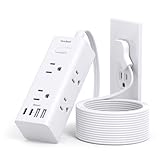
Remember that time I tried to power my whole patio setup with one single, ludicrously long extension cord? Yeah, that was me. I ended up with flickering lights, a motor that sounded like it was choking, and a knot of pure anxiety in my stomach. It looked like a good idea on paper, a simple solution to reach that far-out outlet. But in practice? A disaster.
When you’re dealing with electricity, “close enough” isn’t good enough. The question of are long extension cords safe isn’t just about avoiding a fire hazard; it’s about making sure your tools and appliances actually work without damaging themselves or you.
What’s Really Going on with Long Extension Cords?
Okay, let’s cut through the marketing fluff. When you stretch out a long extension cord, especially a thin one, you’re basically adding resistance to the electrical circuit. Think of it like trying to push water through a really, really long, narrow garden hose versus a short, wide one. The water (electricity) has a harder time getting through the long, narrow hose. This added resistance is called voltage drop, and it’s the main reason why those super long cords can be problematic.
This voltage drop means that less power actually reaches the device you’re trying to run at the end of the cord. For something simple like a string of holiday lights, it might just mean they’re a little dimmer. But for power-hungry tools, like a circular saw or a shop vacuum, it can be a serious issue.
The tool might not have enough juice to operate at its full potential, leading to slower performance, overheating, and in some cases, permanent damage to the motor. I learned this the hard way when I fried the motor on a cheap electric grill after running it on a cord that was way too long and undersized.
It just sputtered and died after about an hour. Cost me $80 and a ruined barbecue.
The gauge, or thickness, of the wire inside the cord is most important here. Thicker wires (lower gauge numbers, like 12-gauge or 10-gauge) have less resistance than thinner wires (higher gauge numbers, like 16-gauge or 18-gauge). So, for longer runs, you absolutely need a thicker gauge cord. Most extension cords are rated for a maximum wattage and a maximum length. Exceeding either of those ratings is where you invite trouble. It’s not just about safety; it’s about functionality. Nobody wants a tool that barely works.
Choosing the Right Cord: Size Matters, Trust Me
This is where most people, myself included initially, screw up. You grab the longest cord you can find because, hey, you might need it someday. But the truth is, you need to match the cord to the job. The gauge of the wire is the most important spec, and it’s often confusing because a lower number means a thicker wire. So, for long extension cords, you’re generally looking for 14-gauge, 12-gauge, or even 10-gauge cords. The thicker the gauge, the more power it can handle safely over a longer distance without significant voltage drop. (See Also: Can Extension Cords Be Thriwn Away )
Here’s a simple breakdown that’s served me well:
| Gauge (AWG) | Typical Use | Max Length for Moderate Loads (e.g., drills, saws) | Verdict |
|---|---|---|---|
| 18 | Light duty (holiday lights, small fans) | Up to 25 ft | Avoid for anything requiring real power. |
| 16 | Medium duty (small power tools, vacuums) | Up to 50 ft | Okay for occasional, lighter tasks. |
| 14 | Heavy duty (most power tools, larger appliances) | Up to 100 ft | Good all-around for general workshop use. |
| 12 | Extra heavy duty (high-draw tools, continuous use) | Up to 100 ft, or 150 ft for lower loads | My go-to for demanding jobs. |
| 10 | Industrial / Super high-draw equipment | Up to 100 ft, or 200 ft for very low loads | Serious stuff, often overkill for home use. |
Beyond gauge, look at the wattage rating. It should be clearly marked on the cord or its packaging. Match this to the wattage of the tool or appliance you’re plugging in. If your tool draws 1500 watts, your extension cord needs to be rated for at least that, preferably more, especially if it’s a long cord. Overloading a cord is a fast track to melting plastic and potential fires.
Also, consider the environment. Are you using it outdoors? You’ll need a cord specifically rated for outdoor use, which means it’s built to withstand moisture, UV rays, and temperature fluctuations. Indoor cords are not designed for the elements and can become brittle, crack, and pose a shock hazard.
Common Mistakes That Lead to Trouble
The biggest mistake, hands down, is using a cord that’s too long and too thin for the job. It’s the electrical equivalent of trying to run a marathon on a sprained ankle. You’re stressing the system unnecessarily. I’ve seen people try to power a heavy-duty welder with a 100-foot 16-gauge cord. It’s a fire waiting to happen. The cord gets hot, the breaker might not even trip, and you’re just begging for trouble.
Another common blunder is simply leaving extension cords lying around permanently, especially outdoors. They get stepped on, run over by lawnmowers, chewed by critters, and exposed to the elements. This wear and tear degrades the insulation, creating exposed wires that are a serious shock and fire risk. Extension cords are meant to be temporary solutions, not permanent wiring.
People also tend to overload cords by plugging too many things into one. An extension cord is not a power strip. Daisy-chaining multiple extension cords together is a big no-no for safety and performance. Each connection point adds resistance and potential failure points. Stick to one cord for one primary appliance or tool whenever possible. If you absolutely must connect two, make sure they are rated for the combined load and use a high-quality, short connector, but honestly, just avoid it.
Finally, not inspecting cords regularly is a huge oversight. Before each use, give it a quick once-over. Look for any nicks, cuts, abrasions, or signs of melting. If you see any damage, retire that cord immediately. Don’t try to tape it up; that’s a temporary fix that won’t hold up to the demands of electrical current. I’ve got a bin of retired cords in my garage that I’m too lazy to throw away, but I never, ever use them. It’s a visual reminder of what not to do. (See Also: Can Extension Cords Short Out )
Real-World Use: When Long Cords Are Actually Okay
So, when are long extension cords safe to use? The key is proper sizing and application. If you need to reach a distant outlet for something that doesn’t draw much power, a longer cord can be perfectly safe, provided it’s the right gauge. Think about running some outdoor decorative lights that are relatively low wattage, or powering a small fan on a faraway porch. For these tasks, a 50-foot or even 100-foot 16-gauge cord might be perfectly adequate.
The National Electrical Code (NEC) in the US provides guidelines, but for most home users, understanding the basic principles of gauge and wattage is enough. For example, if you’re running a 1500-watt appliance, you’ll need a cord that can handle that, and for a 100-foot run, that almost certainly means a 12-gauge cord. Even then, you should check the cord’s rating. The NEC itself is focused on permanent wiring, but its principles on voltage drop and conductor sizing are applicable.
I often use long, heavy-gauge cords for temporary setups in my backyard. When I’m hosting an outdoor movie night, I need to run power to speakers and a projector from the house. A 100-foot 12-gauge cord is my go-to. It’s thick enough that I don’t worry about voltage drop, and it’s built for outdoor use, so I’m not sweating about a sudden shower. It’s overkill for the relatively low power draw of the projector and speakers, but it gives me peace of mind, and peace of mind is worth a bit extra when it comes to electricity.
The trick is to be honest with yourself about the power requirements of what you’re plugging in and the distance you need to cover. If you’re unsure, always err on the side of caution: get a thicker gauge and a shorter cord if possible. Or, consider getting a dedicated outdoor-rated power strip with a built-in circuit breaker and a shorter, heavy-duty cord to minimize the amount of extension cord needed.
Safety Tips and Best Practices
Let’s boil down the safety aspects. First, always use cords rated for the job. This means checking the gauge and the wattage/amperage rating. For outdoor use, make sure it’s explicitly rated for outdoor environments. Never use a damaged cord. Period. Inspect it before every use. If it looks compromised, it is.
When you’re using a long extension cord, try to keep it as straight as possible. Avoid coiling it tightly while in use, especially if it’s carrying a significant load, as this can trap heat and increase resistance. If you have to coil it, do so loosely, and only for short periods or very light loads. Also, keep cords away from water and high-traffic areas where they could be tripped over or damaged. Running them overhead or along walls can be safer than letting them lie on the ground.
If a cord or an appliance connected to it feels warm or hot to the touch, unplug it immediately. This is a sign of excessive resistance or overload. Your breaker box is designed to protect your home from dangerous overloads, but extension cords can overheat and melt long before a breaker trips. Treat them with respect. (See Also: Can Extension Cords Be Use With Electric Heaters )
Consider investing in cords with built-in circuit breakers or ground fault circuit interrupters (GFCIs), especially for outdoor or damp locations. These offer an extra layer of protection against shocks and overloads. While they might cost a bit more, they are well worth the investment for safety.
Frequently Asked Questions About Extension Cord Safety
Can I Run an Extension Cord Under a Rug?
Absolutely not. Running extension cords under rugs or carpets is a major fire hazard. The cord can overheat, and the rug can trap that heat, potentially igniting. It also creates a tripping hazard and can damage the cord if it’s stepped on repeatedly.
What’s the Difference Between a 3-Prong and 2-Prong Extension Cord?
A 3-prong cord has a ground wire, which is key for safety when using tools or appliances that have a metal casing. This ground wire provides a path for electricity to safely dissipate into the earth in case of a short circuit, preventing shock. A 2-prong cord lacks this safety feature and should only be used with double-insulated tools or appliances that don’t require grounding.
Can I Use a Long Indoor Extension Cord Outside?
No, you should not use indoor-rated extension cords outdoors. They are not designed to withstand moisture, temperature extremes, UV exposure, or physical damage from outdoor elements. Using an indoor cord outside can lead to cracking, deterioration, and a significant risk of electric shock or fire.
How Long Can an Extension Cord Be Before It’s Unsafe?
There isn’t a single universal “unsafe” length because it depends heavily on the wire gauge and the power draw of the appliance. A thin 18-gauge cord becomes unsafe very quickly, often within 25 feet for moderate loads. A thick 12-gauge cord can safely handle longer runs, up to 100 feet or more for lower power draws, without excessive voltage drop or overheating. Always check the cord’s wattage and length ratings.
Can I Use an Extension Cord for a Refrigerator?
It’s generally not recommended to use a standard extension cord for a refrigerator long-term. Refrigerators have motors that draw a significant amount of power, especially during startup. A long or undersized extension cord can lead to voltage drop, causing the motor to work harder, overheat, and potentially fail prematurely. If you absolutely must use one temporarily, make sure it’s a heavy-duty, short cord (12-gauge or thicker) with a wattage rating well above the refrigerator’s needs, and check it regularly for warmth.
Conclusion
So, are long extension cords safe? The answer is a resounding ‘it depends.’ They can be, but only if you do your homework. Skimping on the gauge, ignoring the wattage, or using the wrong cord for the environment are all shortcuts that can lead to serious trouble, from damaged tools to fires. I’ve learned that investing in the right, heavy-duty cord, even if it’s longer than I might ideally want, is always the smarter play. It’s not just about safety; it’s about making sure your gear performs as it should.
When in doubt, remember: thicker wire (lower gauge number) is your friend for longer runs and higher power demands. And for outdoor use, always get the outdoor-rated ones. They’re built tougher for a reason.
Next time you’re eyeing that spool of cord to reach that far-off outlet, take a moment to check the specs. Is it the right gauge for the length and the job? If you’re not sure, it’s probably not safe enough. And that’s my two cents on are long extension cords safe.