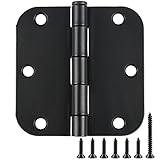
I remember the first time a refrigerator door decided it had enough. It was a gut-rattling screech followed by a slow, agonizing droop that made opening the thing feel like wrestling a bear. Replacing those hinges seemed simple enough. Then I hit the internet, and the sheer volume of ‘DKKR’ and ‘universal’ hinges made my head spin. Are refrigerator DKKR hinges the same? The marketing sure makes you think so, but after sinking a decent chunk of change into a few sets that didn’t quite fit, I learned a hard lesson: ‘close enough’ just doesn’t cut it when your fridge door is sagging.
You want to know if buying that DKKR hinge set from Uncle Bob’s Discount Appliance Parts is the same as the one your fridge originally came with, or the one listed on a major retailer’s site. It’s a fair question, and one that deserves a straight answer, not just a pile of manufacturer jargon. Let’s get into it.
Why ‘the Same’ Is a Loaded Question for Dkkr Hinges
Look, when it comes to refrigerator hinges, especially those branded as ‘DKKR’ (which often isn’t a brand but a type or generic descriptor), the idea of them all being ‘the same’ is frankly, a bit of a scam. Manufacturers use a dizzying array of designs, subtle variations in screw hole placement, arm lengths, and pivot points.
It’s like saying all car door hinges are the same – sure, they open doors, but the specifics matter immensely. I once bought a set advertised as compatible with my exact fridge model, only to find the screw holes were off by about a millimeter.
Enough to be useless. It sat in my garage for months, a monument to my misplaced optimism and wasted $75. The common advice often boils down to ‘measure carefully,’ which is true, but it doesn’t account for the sheer variety that exists even within seemingly identical units.
The term ‘DKKR hinge’ itself is often used generically by third-party sellers on platforms like Amazon or eBay. It’s not a specific manufacturer, but more of a descriptor for a common style of refrigerator door hinge. This is where the confusion starts. You might see a hinge with ‘DKKR’ in the title, but the actual design and dimensions can vary wildly. Think of it like looking for ‘Phillips head screws’; there are dozens of sizes and lengths. Similarly, refrigerator hinges, even those that look visually alike, can have internal differences that dictate their compatibility. This is why relying solely on visual resemblance or broad compatibility claims can lead to frustration. You need to dig deeper than the headline.
My own foray into this involved a side-by-side Frigidaire. The original hinges were, let’s say, ‘tired.’ I found a ‘DKKR’ set online that looked identical in photos. The description said ‘fits most Frigidaire models.’ Famous last words. When they arrived, the metal was thinner, the plastic bushings felt cheap, and the pivot point was slightly off. The door still closed, but it didn’t sit flush, and the seal wasn’t perfect. That tiny misalignment led to condensation issues and a noticeable increase in the fridge’s energy consumption. It was a perfect example of how ‘almost the same’ is often ‘not good enough’ for something as important as a refrigerator seal.
Decoding the Tiny Differences: What to Actually Look For
So, if ‘DKKR’ isn’t a guarantee, what should you be looking for? It boils down to precise measurements and identifying the specific part number if possible. First, the part number. This is your golden ticket. If you can find the original part number for your refrigerator’s hinges (check the manufacturer’s website, your appliance manual, or even look for faded labels on the old hinges themselves), you’re halfway there. Then, you can search for that exact number. Third-party sellers might not always list the OEM (Original Equipment Manufacturer) number, but they often will if they have it, because it’s the most reliable way to make sure a sale.
Failing an exact part number match, you need to become a detective. Get out your trusty tape measure. You’re looking at: (See Also: A Box Without Hinges Key )
- The length of the hinge arm(s): Measure from the mounting point on the fridge frame to the center of the pivot point.
- The distance between screw holes: Measure center-to-center for all mounting screws, both on the frame side and the door side.
- The diameter of the pivot pin: This is often overlooked but important for a smooth swing.
- The orientation of the hinge: Is it for a left-hand or right-hand door? Most are reversible, but some aren’t.
- The overall dimensions and shape of the mounting plates: These need to sit flush against the appliance frame and the door.
I learned this the hard way when replacing hinges on an old GE. I thought the ‘universal’ kit would work. It didn’t. The door sagged again within a week because the arm was slightly shorter, putting more stress on the pivot.
I ended up having to cannibalize parts from the old hinges and the new, cheap ones to make a Frankenstein hinge that barely worked. It was a two-day ordeal that could have been avoided if I’d spent an extra hour meticulously measuring and comparing specs before hitting ‘buy.’ The real kicker is that sometimes, even if the dimensions look the same, the metal thickness or the quality of the bushings can differ, leading to premature wear. It’s about the details, not just the broad strokes.
Common Pitfalls and Why ‘good Enough’ Fails
The biggest mistake people make, myself included, is assuming that if a hinge looks similar enough, it will work. This is rarely true for refrigerator hinges. They operate under constant load and require precise alignment to make sure the door seals properly and doesn’t put undue stress on the frame. Buying a generic ‘DKKR’ set without verifying exact specifications is asking for trouble. You might get the door to hang, but it won’t be right. This leads to a cascade of other problems:
- Poor Door Seal: Even a slight misalignment can prevent the gasket from creating a tight seal. This lets warm air in, forcing your refrigerator to work harder, increasing energy consumption and potentially leading to frost buildup or food spoilage.
- Door Sagging/Binding: An improperly fitted hinge will cause the door to sag, making it hard to open and close, and can eventually warp the door itself or damage the frame.
- Shortened Lifespan: Cheaper, non-OEM hinges are often made with lower-quality materials. They might look the same, but they’ll wear out faster, leaving you needing replacements sooner rather than later.
- Aesthetics: A door that doesn’t sit flush just looks wrong. It’s a constant visual reminder that something isn’t right with your appliance.
I tried to save money on a set of hinges for a Whirlpool side-by-side. They were significantly cheaper than the OEM part. They fit in the sense that I could screw them in.
But the door would sag by about a quarter inch on the handle side. I ignored it for a month, thinking it was just a minor aesthetic issue. Then I noticed the ice maker struggling. Turns out, the door wasn’t sealing properly, and the increased ambient temperature was messing with the freezer’s delicate balance.
I ended up buying the correct OEM hinges at almost double the price, and the problem was solved instantly. The ‘savings’ on the cheap hinges cost me more in the long run, both in money and hassle.
Real-World Use: When a ‘dkkr’ Might Actually Work
So, are there any scenarios where a generic ‘DKKR’ hinge set might be a legitimate option? Yes, but they’re fewer and far between, and require a level of caution that often negates the supposed savings. The primary scenario is when you have a very old, very basic refrigerator where the hinge mechanism is incredibly simple. Think of those old top-freezer models that barely have any adjustment built into the hinge. If the only variation is the screw hole pattern, and you’ve meticulously measured and found a generic hinge that matches exactly, you might be okay. However, this is rare.
Another situation, and this is where I’ve had some limited success, is with specific third-party manufacturers who specialize in replacement appliance parts. These aren’t just random sellers on a marketplace; they are companies that actually design and produce replacement parts. (See Also: Are Integrated Washing Machine Door Hinges Standard )
They often use generic terms like ‘DKKR’ in their listings because it’s a common search term, but their product is engineered to meet specific OEM specifications. The key here is to look for reviews that mention specific appliance brands and models, and check if the company offers any sort of warranty or return policy that suggests confidence in their product’s fit. I bought a set of condenser fan blades from a company like this for an old Maytag fridge.
They weren’t OEM, but they were clearly designed with the original specs in mind, and they worked perfectly. They didn’t use vague terms; they listed the exact cross-reference numbers.
My contrarian opinion here? Everyone says to just buy the cheapest replacement you can find. I disagree. For important components like refrigerator hinges, where alignment and seal are most important for performance and efficiency, paying a bit more for a known quantity or a precisely matched part is almost always the smarter move. The perceived savings on cheap parts are usually an illusion, leading to more expense and frustration down the line. It’s like buying a cheap bike helmet – it might look the part, but in a real emergency, you want the one that’s actually engineered to protect you.
Practical Tips for Replacing Refrigerator Hinges
Replacing refrigerator hinges isn’t rocket science, but it does require patience and attention to detail. Here’s a step-by-step approach that’s served me well:
- Preparation is Key: Before you even think about ordering new hinges, take detailed photos of your existing hinges from multiple angles. This will be invaluable for comparison. Also, grab your toolbox, a good tape measure, and a notepad.
- Identify Your Fridge: Find the model number and serial number of your refrigerator. It’s usually on a sticker inside the refrigerator compartment, often on the side wall or near the crisper drawers. This is important for finding OEM or precise replacement parts.
- Measure Twice, Order Once: As we’ve discussed, this is the most important step. Measure all the dimensions mentioned earlier (arm length, screw hole distances, plate dimensions). Compare these meticulously to the specifications listed for any hinge you’re considering. Don’t rely on photos alone.
- Source Your Hinges: If possible, try to get OEM hinges. Check the manufacturer’s website or call their parts department. If OEM is unavailable or too expensive, look for reputable third-party manufacturers who clearly state the specifications and compatibility. Avoid listings that are overly vague or rely solely on terms like ‘universal’ or generic descriptors without detailed specs.
- The Swap: This is where you might need a helper. Refrigerator doors are heavy!
- Empty the Door: Remove all food and shelves from the door you’re working on.
- Support the Door: Have someone hold the door steady or prop it up carefully.
- Unscrew Old Hinges: Carefully remove the screws holding the old hinges in place. Work one hinge at a time if possible.
- Attach New Hinges: Mount the new hinges, making sure they are oriented correctly. Don’t fully tighten all screws immediately.
- Align and Test: With the new hinges loosely attached, hang the door. Check for alignment. Does it swing freely? Does it sit flush? Make minor adjustments as needed.
- Tighten Everything: Once you’re satisfied with the alignment, tighten all screws securely.
I learned the hard way that trying to rush this process is a recipe for disaster. On my first attempt, I tried to do it alone. The door slipped, and I nearly dropped it, damaging the new hinge. It took another hour to get it properly seated. Lesson learned: always get a second set of hands for refrigerator door hinges.
When to Call a Professional (or Just Buy a New Fridge)
There are times when wrestling with refrigerator hinges is just not worth the hassle, or when the problem goes beyond simple replacement. If your refrigerator is very old and the frame itself is starting to show signs of rust or damage where the hinges mount, you might be fighting a losing battle. Trying to secure new hinges to a compromised frame is a recipe for continued problems. In such cases, the cost of repairing the frame might approach the cost of a new, more energy-efficient refrigerator.
Another indicator that it’s time to consider professional help or a new appliance is if, after replacing the hinges, the door still doesn’t seal properly. This could indicate a warped door panel, a damaged gasket that can’t be fixed by hinge alignment alone, or even an issue with the refrigerator’s internal structure. I had a friend whose fridge door sagged so badly after a hinge replacement that the entire unit tilted slightly. It turned out the floor support under that corner of the fridge was damaged from years of leaks. He ended up buying a new fridge because the repair would have been extensive.
Also, if you’ve measured, ordered, and replaced the hinges, and the door still binds or doesn’t close smoothly, it’s time to admit defeat. Sometimes the ‘DKKR’ hinge you bought, even if it seemed to match, has subtle internal tolerances that are just slightly off, causing friction or misalignment that you can’t see. I’ve seen this happen with some of the ‘quality’ aftermarket parts too. If you’ve gone through the process and it’s still not right, calling an appliance repair technician is the next logical step. (See Also: Are Hinges Wheeels )
They have the experience and specialized tools to diagnose issues you might miss. However, be prepared; if the technician finds significant frame damage or other underlying problems, they might recommend a replacement. It’s a tough call, but sometimes, throwing good money after bad isn’t the answer.
Faq: Your Refrigerator Hinge Questions Answered
Are All Dkkr Refrigerator Hinges Interchangeable?
No, absolutely not. ‘DKKR’ is a generic term, not a specific brand. While many hinges may look similar, subtle differences in dimensions, screw hole placement, arm length, and pivot points mean they are often not interchangeable. Relying on the term ‘DKKR’ alone without verifying precise specifications is a common mistake that leads to poor fit and function.
How Do I Know If I Need to Replace My Refrigerator Hinges?
You likely need to replace your hinges if the refrigerator door sags, doesn’t close properly, makes squeaking or grinding noises when opened, or if the gasket doesn’t seem to seal tightly all around. These are all signs that the hinge mechanism is worn, bent, or misaligned, preventing the door from operating correctly.
Can I Use a Universal Hinge If the Original Is No Longer Available?
While ‘universal’ hinges exist, they are rarely a perfect fit for refrigerators. Refrigerator hinges require precise alignment for proper door sealing and operation. If an exact OEM part or a precisely dimensioned aftermarket replacement isn’t available, a universal hinge might get the door to hang, but it’s highly unlikely to provide the proper seal or long-term functionality. It’s usually best to find a part that matches your specific model’s requirements.
What’s the Difference Between Oem and Aftermarket Refrigerator Hinges?
OEM (Original Equipment Manufacturer) hinges are made by or for the original appliance manufacturer and are designed to meet the exact specifications of your refrigerator model. Aftermarket hinges are made by third-party companies. While some aftermarket parts are high quality and precisely engineered, others can be of lower quality, with less durable materials and less precise manufacturing, leading to a less reliable fit and shorter lifespan.
Final Verdict
So, to circle back: are refrigerator DKKR hinges the same? The honest answer is a resounding no. The term is a broad descriptor, and the actual physical specifications vary wildly. It’s a minefield of ‘almost fits’ and ‘close enoughs’ that rarely deliver the performance you need for a important appliance like your fridge.
My advice? Don’t play roulette with your refrigerator’s efficiency and longevity. Take the time to find the exact part number or meticulously measure your existing hinges. Pay a little more for a part that’s guaranteed to fit, rather than saving a few bucks on something that might cause you headaches and higher energy bills down the road. It’s a small investment for peace of mind and a properly functioning fridge.
If you’re still unsure after measuring, consider consulting an appliance repair professional. They can often source the correct parts or diagnose if the issue is more complex than just worn-out hinges. At the end of the day, a well-sealed refrigerator door is a must for food safety and energy efficiency.