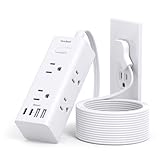
I remember the first time I needed an extension cord for a serious power tool. I grabbed what looked beefy enough from the hardware store, plugged in my circular saw, and halfway through a rip cut, the thing just… died. Smoke started to curl out of the receptacle. That was my first, and thankfully only, truly alarming encounter with an undersized, probably unsafe extension cord. It made me wonder, are Romex extension cords safe? It’s a question a lot of DIYers and homeowners probably ask themselves when faced with a tangle of wires.
Look, the name ‘Romex’ is practically synonymous with electrical cable in the US, often used generically for NM-B wire. But when people talk about Romex extension cords, they’re usually referring to those heavy-duty, outdoor-rated, or contractor-grade cords that look like they could power a small city. They’re built tough, but that doesn’t automatically mean they’re foolproof. Let’s cut through the marketing and talk about what actually matters for safety.
What ‘romex Extension Cord’ Really Means and Why It Matters
First off, let’s clear up some lingo. When folks say ‘Romex extension cord,’ they’re almost certainly not talking about actual Romex® brand NM-B cable itself used as an extension cord.
Romex® is a brand name from Southwire for their non-metallic sheathed cable, the kind you run inside walls for permanent wiring. It’s not designed to be flexible, coiled up repeatedly, or exposed to the elements for temporary use.
Using actual NM-B cable as an extension cord is a big no-no and a serious fire hazard. What people actually mean are those thick, yellow, orange, or black heavy-duty extension cords you see at hardware stores. These are built from different materials and designed for flexibility and durability.
They might use similar gauge wiring as found in Romex cable, but the overall construction is distinct.
The real question, then, is about the safety of these heavy-duty extension cords, often marketed for tough jobs. The ‘Romex’ part in the common vernacular just signals the user is looking for something solid. So, are these heavy-duty cords safe?
Yes, when used correctly and when they meet safety standards. The danger comes from misuse, damage, or buying cheap, uncertified junk. A properly rated extension cord, made from good materials, with the right gauge wire for the job, is perfectly safe.
But ‘properly rated’ is the operative phrase here. I’ve seen extension cords that look like they could survive a nuclear blast, but if the internal wires are too thin for the load, or the insulation is brittle, they’re ticking time bombs. I once bought a ‘contractor grade’ cord that looked the part, but after a few months of dragging it around a job site, the outer jacket started cracking in the sun. It was supposed to be outdoor rated, but clearly, that was a lie.
That experience taught me to look beyond just the heft and color.
The key safety features boil down to a few things: the wire gauge (thickness), the insulation material and its rating (like for outdoor use), the plug and receptacle quality, and of course, certifications. UL Listed, ETL Listed, or similar marks from accredited testing laboratories are your best friends. These certifications mean the product has been tested and meets rigorous safety standards. Without them, you’re basically gambling. I’ve learned to be suspicious of anything that seems suspiciously cheap or lacks these markings. It’s not worth the risk of a fire or electrocution to save a few bucks on an extension cord. Think of it like buying important safety gear for climbing; you don’t skimp, you buy the certified stuff.
Decoding the Specs: Wire Gauge and Amperage Are a Must
This is where most people, myself included when I started out, get it wrong. They look at the cord’s length and how tough it looks, but the most important specs are wire gauge and amperage rating. Wire gauge, measured in American Wire Gauge (AWG), tells you how thick the copper conductors inside the cord are.
A lower AWG number means a thicker wire. Thicker wires have less electrical resistance, which means less heat buildup when current flows through them. This is most important for safety.
If you try to run a high-amperage tool, like a big shop vacuum or a portable heater, through a cord with wires that are too thin (a high AWG number), the wires will heat up. This can melt the insulation, leading to shorts, sparks, and potentially a fire. It’s the most common way people misuse extension cords. (See Also: Can Extension Cords Be Thriwn Away )
The amperage rating (how many amps the cord can safely handle) is directly tied to the wire gauge. A 12-gauge wire can handle more amps than a 14-gauge, which can handle more than a 16-gauge.
So, if your tool or appliance draws, say, 10 amps, you absolutely need an extension cord rated for at least 10 amps, and ideally a bit more for a safety margin. For most common household tasks, a 14-gauge cord might suffice for short runs and lower-draw items. But for power tools, anything outdoor, or anything you’ll use regularly, you should be looking at 12-gauge or even 10-gauge for really heavy loads and longer distances.
I learned this the hard way when I kept blowing fuses with my old shop vac on a 16-gauge cord. Switched to a 12-gauge, and boom, problem solved. No more blown fuses, no more worrying about overheating.
When I look at extension cords now, I immediately flip them over and look for the AWG marking. For general use around the house or garage with tools that draw a decent amount of power, I’m usually reaching for 12-gauge cords. If I’m running something really power-hungry, like a welding machine or a large compressor, I’ll even step up to 10-gauge, especially if the cord needs to be more than 50 feet long. The longer the cord, the higher the resistance, and the more important that thicker wire becomes.
Don’t guess. Check the rating plate on your tool or appliance to see its amp draw.
Match that with the cord’s rating, always erring on the side of thicker wire and higher amperage. It’s the single most important factor in making sure your extension cord is safe to use.
| Wire Gauge (AWG) | Approximate Amperage Rating | Best For | My Verdict |
|---|---|---|---|
| 16 AWG | 7-10 Amps | Light-duty indoor use: holiday lights, small fans, radios. | Avoid for anything with a motor or significant power draw. Too thin for most real work. |
| 14 AWG | 10-13 Amps | General indoor use: small power tools, vacuums, lamps, small appliances. | Okay for lighter workshop tasks or temporary indoor use, but I prefer thicker for tools. |
| 12 AWG | 13-18 Amps | Heavy-duty indoor/outdoor: most power tools, shop equipment, garden tools, temporary heaters. | My go-to for most garage and DIY projects. Solid safety margin for typical tools. |
| 10 AWG | 18-25 Amps | Extreme duty: welders, large air compressors, high-power temporary generators, very long runs. | Key for serious industrial or heavy-duty workshop use. Worth the investment for these tasks. |
Common Mistakes That Turn a Safe Cord Into a Hazard
Okay, so you’ve got a heavy-duty, properly gauged cord. Great!
But there are still a dozen ways to turn it into a fire starter or a shock risk. The most obvious is physical damage.
I’ve seen cords frayed from being run over by tires, nicked by sharp tools, or scorched from being too close to a heat source. Any cord with visible cuts, abrasions, or melted spots? Toss it. Seriously.
Don’t try to tape it up or patch it. That insulation is important for keeping the live wires contained. Once it’s compromised, the risk of a short circuit or electrocution skyrockets.
I learned this lesson after a raccoon decided my garage was a buffet and chewed through a perfectly good outdoor cord. It looked okay at first glance, but a closer inspection revealed tiny teeth marks. Into the trash it went, no questions asked.
Another massive mistake is overloading. This ties back to the wire gauge issue, but it’s worth hammering home. Plugging a 15-amp tool into a cord rated for only 10 amps is a recipe for disaster. Even if the cord looks tough, the internal wires are the weak link. Heat is the enemy here. I’ve seen extension cords get so hot they actually melted the plastic housing of the receptacle they were plugged into. That’s a fire waiting to happen. Always check the amp rating of your tool and the cord. If the tool’s rating is higher than the cord’s, you need a different cord. It’s that simple.
People also make the mistake of using the wrong type of cord for the environment. An indoor-only cord, even a thick one, might not have the UV resistance or the cold-weather flexibility needed for outdoor use. The insulation can become brittle in the cold and crack, or break down in sunlight, leading to damage. Similarly, using a cord with a standard plug in a wet location is incredibly dangerous. (See Also: Can Extension Cords Short Out )
Always use cords specifically rated for outdoor use (often orange or yellow, but check the label!) when working outside, and make sure they have GFCI protection if there’s any chance of moisture. Another sneaky one is daisy-chaining multiple extension cords together. While sometimes necessary for extreme distances, each connection point is a potential failure point, and the overall resistance increases.
If you must do it, use the shortest, thickest cords possible and make sure all connections are secure and weather-protected.
Real-World Use: My Experience with Heavy-Duty Extension Cords
For years, my garage and workshop have been a testing ground for various extension cords. I’ve bought the cheapest ones I could find, thinking I was being smart, and I’ve splurged on what looked like industrial-grade beasts. The cheap ones? They’re usually thinner than advertised, overheat easily, and the connectors feel loose and cheap. I had one where the prongs on the plug bent after just a few uses. It was a nightmare. I learned pretty quickly that spending an extra $20 on a reputable brand like Southwire, Klein Tools, or even a solid store brand with good reviews, saved me a ton of hassle and worry.
My go-to cords now are typically 12-gauge, 50-footers, usually with a bright orange or yellow jacket for visibility. I use them for everything from running my miter saw to powering my pressure washer. I’ve even used them temporarily to power small electric heaters in my garage during the winter. They handle the load without complaint.
The connectors are solid, they don’t get excessively warm, and the outer jacket has held up remarkably well to being dragged across concrete and brushed against lumber. I also have a couple of 10-gauge, 100-foot cords for when I need to reach farther or power something really demanding, like my portable welder. These are heavier and bulkier, but the peace of mind knowing they won’t overheat is worth the extra effort to manage them.
One time, I was using a 12-gauge cord for my table saw, and I noticed a faint smell of ozone. My first thought was ‘fire hazard!’ I immediately unplugged everything and inspected the cord. It turned out the receptacle end of the cord had a tiny bit of debris stuck in it, causing a poor connection and arcing.
Cleaning it out thoroughly and re-inserting the plug fixed the problem. That was a real ‘aha!’ moment – it’s not just about the cord itself, but also about keeping the connectors clean and making sure a good, solid connection.
It reinforces the idea that ‘are Romex extension cords safe?’ isn’t just about the wire, but about the entire system, including how you maintain it and use it.
When to Call It Quits: Signs Your Extension Cord Is Past Its Prime
So, when should you retire an extension cord? It’s tempting to keep using a cord that looks okay, but has seen better days.
However, there are clear signs that it’s time to let it go. The most obvious is any damage to the outer jacket: cuts, cracks, deep abrasions, or any sign of melting. If you can see the inner wires, it’s a goner. Don’t risk it.
Another major red flag is if the plug or receptacle ends feel loose or wobbly. The pins on the plug should be firm, and the receptacle should grip the prongs securely.
If it feels loose, it’s a sign of wear and tear that can lead to arcing and overheating. I once had a plug where one of the prongs was noticeably loose.
It sparked every time I plugged something in. That cord went straight into the recycling bin. (See Also: Can Extension Cords Be Use With Electric Heaters )
Heat is another indicator. If a cord feels unusually warm or hot to the touch during normal use, even with a moderate load, it’s a sign of excessive resistance. This could be due to internal damage, a poor connection, or using a cord that’s too thin for the job. Don’t ignore this. It’s your cord screaming for help. Also, listen for unusual sounds. While not as common, a cord that’s severely damaged internally might sometimes emit a crackling or buzzing sound when in use. This is a serious warning sign of an electrical fault. If you hear it, unplug immediately and dispose of the cord.
Finally, consider the age and history. Extension cords aren’t immortal. The insulation can degrade over time, especially with exposure to sunlight, chemicals, or extreme temperatures.
If a cord is several years old, has been stored poorly, or has been used extensively in harsh conditions, it might be time to replace it proactively, even if it doesn’t show obvious signs of damage. Think of it as preventative maintenance.
A new, high-quality extension cord is a small price to pay for safety. If a cord has ever been involved in a near-miss incident – like a minor spark, a tripped breaker that seemed unusual, or a faint burning smell – it’s often best to err on the side of caution and replace it.
Safety isn’t always about obvious damage; sometimes it’s about accumulated wear and tear.
Frequently Asked Questions About Extension Cord Safety
Can I Use a Standard Indoor Extension Cord Outside?
No, it’s not recommended. Standard indoor extension cords are not designed to withstand outdoor conditions like moisture, UV radiation from sunlight, and extreme temperatures. The insulation can become brittle, crack, and lead to dangerous electrical hazards. Always use cords specifically rated for outdoor use when working outside.
How Do I Know If an Extension Cord Is Overloaded?
An overloaded extension cord will often feel unusually warm or hot to the touch during use, even with a moderate load. You might also notice a faint burning smell. In more severe cases, the cord can cause breakers to trip or fuses to blow, or it could potentially melt its insulation, leading to sparks and fire. Always check the amperage rating of your tool or appliance and make sure the extension cord’s rating is equal to or higher than the tool’s requirement.
What Does the Ul Listed or Etl Listed Mark Mean on an Extension Cord?
These marks indicate that the extension cord has been tested by an accredited third-party laboratory (like Underwriters Laboratories for UL or Intertek for ETL) and meets specific safety standards for electrical products. It’s a important indicator that the cord has been evaluated for fire, shock, and mechanical hazards, making it a much safer choice than uncertified alternatives.
Is It Safe to Run Extension Cords Under Rugs?
Absolutely not. Running extension cords under rugs is a significant fire hazard. The rug can trap heat generated by the cord, causing the insulation to overheat and melt. Additionally, the cord can become damaged or frayed from foot traffic and vacuuming without you noticing, leading to shorts and potential fires. Extension cords should always be visible and placed where they won’t be tripped over or damaged.
Can I Use a Romex Extension Cord If It Looks Heavy-Duty?
The term ‘Romex extension cord’ is often used colloquially to mean a heavy-duty extension cord, but actual Romex® brand cable (NM-B wire) is not designed for use as an extension cord. It lacks the flexibility and durability required for temporary wiring. What people usually mean are sturdy, purpose-built extension cords. Whether one of these is safe depends entirely on its wire gauge, amperage rating, insulation quality, and safety certifications (like UL Listed), not just its appearance. Always check the specifications and certifications.
Final Thoughts
So, are Romex extension cords safe? When people say ‘Romex extension cord,’ they’re usually talking about a heavy-duty, purpose-built extension cord that looks like it can handle tough jobs, not actual Romex® cable. And the answer is: yes, they can be safe, but only if you pay attention. That means picking the right wire gauge for the job, checking for safety certifications like UL Listed, and inspecting them regularly for damage. I’ve learned firsthand that skimping on quality or using a cord that’s too thin for the task is just asking for trouble, from blown fuses to potential fires.
Don’t just grab the cheapest or the longest cord. Take a minute to read the label. Match the cord’s amperage rating to your tool’s needs, and if in doubt, always go thicker (lower AWG number) and higher rated. Your power tools and your home are worth the small investment in a truly safe extension cord. It’s not about having the most expensive gear; it’s about having the right gear that won’t bite you later.
My advice? Treat your extension cords with the same respect you give your power tools. Inspect them before every use, store them properly, and don’t be afraid to retire them when they start looking tired. It’s better to replace a worn-out cord for $30 than to deal with the aftermath of a fire or a serious shock. Think about the toughest job you might use it for, and buy a cord rated for that, even if you only use it occasionally. That peace of mind is priceless.