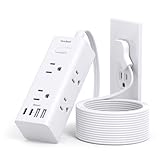
I once bought what I thought was a perfectly good extension cord for about $15. It looked fine, felt okay. Then I plugged in my trusty old hedge trimmer, and halfway through trimming the azaleas, the whole thing just… died. Sparks weren’t flying, but there was a definite smell, like burnt plastic and disappointment. Turns out, not all extension cords are created equal, and asking ‘are some extension cords better than others’ is a question that could save you a lot of hassle. I learned that the hard way. Some are downright dangerous, others are built like tanks. You’ve gotta know what you’re looking at.
What Makes One Extension Cord a Dud and Another a Done Deal
Look, nobody wants to spend a fortune on an extension cord. They’re… extension cords. They’re supposed to just work.
But after a few years of wrestling with tangled messes, overheated plastic, and cords that just give up the ghost, I’ve realized that the cheap ones are almost always a false economy. It’s not just about length; it’s about what’s inside that rubber or vinyl skin. The core of any extension cord is its wire gauge, often referred to as AWG (American Wire Gauge). This number tells you how thick the wire is.
A lower AWG number means a thicker wire, which can handle more electrical current (measured in amps) and transmit power more efficiently over longer distances without overheating. Think of it like trying to push water through a straw versus a garden hose. The thicker the hose (lower AWG), the easier the flow and the less pressure (and heat) you generate.
For lighter loads, like running a lamp or a small fan, a 16-gauge cord might suffice. But for anything that draws significant power – power tools, heaters, even multiple devices plugged into a power strip at the end of a long cord – you absolutely need a heavier gauge, typically 14-gauge or even 12-gauge for demanding jobs. Using an undersized cord for a high-amperage appliance is a recipe for disaster. The wire gets hot, the insulation can melt, and you’re looking at a fire hazard.
I learned this the hard way when I tried to run my old circular saw with a cord that was clearly meant for Christmas lights. The saw sputtered, the cord got alarmingly warm, and I swear I saw a wisp of smoke.
I unplugged it immediately, heart pounding, and bought a proper 12-gauge cord the next day. Cost me maybe $30 instead of $10, but it saved me a potential house fire and a ruined tool. It’s a gamble you just don’t need to take.
Another factor is the material of the insulation. Vinyl is common and cheap, but it can become brittle in cold weather and crack. Rubber, while often more expensive, tends to be more flexible, durable, and resistant to oil, chemicals, and extreme temperatures. For outdoor use, you need cords specifically rated for that. They’ll have different jacket materials and often molded plugs that are more resistant to moisture and impact. Indoor cords are not designed to withstand the elements, and using them outside is asking for trouble. They can degrade quickly under UV rays and moisture, leading to exposed wires and a serious shock risk.
The Sinister Secrets of Cheap Plugs and Connectors
You might think, ‘It’s just a plug, right?’ Wrong. The quality of the plug and receptacle ends on an extension cord can be just as important, if not more so, than the cord itself.
I’ve had cheap cords where the prongs on the plug felt flimsy, like they’d bend if you looked at them funny. Worse, I’ve had receptacles where the little slots for the prongs felt loose, or the grounding pin would just… fall out.
This isn’t just annoying; it’s a safety issue. A loose connection can lead to arcing, overheating at the plug, and potential electrical fires.
I’ve seen people try to jam a plug into a worn-out receptacle, and the whole thing starts to glow faintly. Not a good sign.
When you’re shopping, give the plug ends a good look and feel. Are they solid and well-molded? Do the prongs look solid and firmly attached? For the receptacle end, where you plug in your devices, you want to feel a nice, snug grip.
When you plug something in, it should feel secure, not wobbly or loose. Some higher-quality cords will have reinforced plug ends, meaning they’re built with extra material where the cord enters the plug to prevent fraying and stress on the internal wires. This is a small detail that makes a huge difference in longevity. (See Also: Can Extension Cords Short Out )
I once had a cord where the wires inside the plug started to fray after only a few months of moderate use because the strain relief was terrible. It looked like a miniature bird’s nest in there. I ended up cutting it off and crimping on a new heavy-duty plug I bought separately – a whole other can of worms – but it really highlighted how important those connection points are.
Another thing to watch out for is polarization. On many cords, one prong on the plug is wider than the other. This is for polarized plugs on appliances, which are designed to connect in only one orientation, improving safety. If you see a cord that has two identical prongs (non-polarized), it might be meant for older appliances or less important applications.
For most modern electronics and tools, you’ll want a polarized plug. Also, check the number of outlets if it’s a multi-outlet cord. Some have just two, others have three or even four. Make sure the rating of the cord (the total amperage it can safely handle) isn’t exceeded by the sum of the devices you plan to plug in, especially if they’re all running simultaneously.
Overloading a multi-outlet cord is just as bad as overloading a single-outlet cord.
The Great Gauge Debate: What Awg Really Means for You
Let’s circle back to the wire gauge because it’s probably the most misunderstood aspect of extension cords. People see a long cord and think, ‘Great, I can reach anywhere!’
but they don’t consider the wire thickness. The AWG rating is key.
For general household use with low-draw items like lamps, phone chargers, and small electronics, a 16-gauge cord is usually fine. It’s thinner, more flexible, and cheaper.
But if you’re planning to use it for anything that pulls a significant amount of power – a power tool, a vacuum cleaner, a space heater, or even just plugging a few things into a power strip at the end of a long run – you really need to step up. A 14-gauge cord is a good middle ground for many applications, capable of handling more amperage and longer distances than 16-gauge without excessive voltage drop or heat buildup.
For really demanding tasks, like running a heavy-duty mower or a high-power saw, a 12-gauge cord is often the minimum recommended. It’s thicker, heavier, and more expensive, but it’s the only way to safely deliver sufficient power without risking damage to your tools or your home.
The ‘distance’ factor is important here. A 16-gauge cord might be perfectly adequate for a 10-foot run to power a desk lamp. But if you need a 50-foot cord to reach a power outlet for your lawnmower, that same 16-gauge cord will have a much more significant voltage drop and will heat up much more under load. Voltage drop is basically the reduction in electrical potential as electricity travels through the wire.
When voltage drops too much, devices don’t perform optimally, and they can be damaged over time. This is why using the correct gauge for the length and intended load is a must. I’ve seen people try to power a powerful shop vac with a long, thin cord and wonder why it barely picks up dust. The cord was literally choking the life out of the vacuum.
I always carry a 12-gauge, 50-foot cord for job sites, and it’s paid for itself in peace of mind alone. It’s heavier, sure, but it’s the difference between a tool running at full tilt and a tool wheezing its last breath.
When you look at the packaging or the cord itself, the gauge should be clearly marked. Sometimes it’s printed directly on the jacket. Don’t assume; always look for the AWG number. If it’s not there, it’s a red flag. (See Also: Can Extension Cords Be Use With Electric Heaters )
Reputable manufacturers will always provide this information. Many cords will also have a maximum amperage rating, often expressed in amps. You need to know what your appliance or tool draws in amps. This information is usually on a label on the device itself.
The extension cord’s amp rating should always be equal to or higher than the appliance’s draw. A simple rule of thumb: for 120V circuits, 15 amps is common, and 14-gauge can typically handle up to 15 amps for shorter runs, while 12-gauge can handle up to 20 amps.
Always err on the side of caution and go with a thicker gauge if you’re unsure.
| Gauge (AWG) | Typical Use | Pros | Cons | Verdict |
|---|---|---|---|---|
| 18 | Very light duty (Christmas lights, small electronics) | Lightweight, cheapest | Low amperage, high resistance, not safe for tools/appliances | Avoid unless absolutely necessary for minimal loads. High fire risk otherwise. |
| 16 | Light duty (lamps, fans, phone chargers, short runs) | Flexible, affordable, readily available | Limited amperage, significant voltage drop on longer runs or with higher loads | Okay for basic indoor needs, but step up for anything more demanding. |
| 14 | Medium duty (power tools, vacuums, moderate appliances, outdoor use) | Good balance of capacity and flexibility, handles moderate loads well | Can still have noticeable voltage drop on very long runs (100ft+) | My go-to for general home improvement tasks and most outdoor needs. Solid choice. |
| 12 | Heavy duty (high-power tools, large appliances, long outdoor runs) | Highest amperage capacity, minimal voltage drop, very durable | Heavier, less flexible, more expensive | Key for serious work. If your tools demand power, this is the cord you need. No shortcuts. |
The Perils of Misusing Extension Cords: Common Mistakes People Make
I’ve seen some truly boneheaded things done with extension cords, and frankly, it’s a miracle more people don’t end up in the hospital or with a burnt-down garage. One of the most common mistakes is using indoor cords for outdoor applications.
They’re just not built for it. The UV rays from the sun degrade the insulation, moisture gets in, and suddenly you’ve got exposed wires and a serious shock risk. I’ve seen cords that looked like they’d been left out for years, cracked and brittle, but someone was still plugging in their lawnmower with them. It’s terrifying.
Always, always buy cords specifically rated for outdoor use if they’re going to be exposed to the elements. They have thicker, more resilient jacketing and often a different type of plug.
They’re usually orange or yellow, making them more visible, which is another safety bonus.
Another massive no-no is running cords under rugs or carpets. This is a fire hazard waiting to happen.
The cord can overheat unnoticed, and the rug acts as an insulator, trapping the heat. Plus, walking over the cord repeatedly can damage the insulation, leading to short circuits. I learned this one the hard way too.
I had a desk lamp plugged into a cord that ran under the edge of a rug. One day, I noticed a faint smell of hot plastic. I pulled back the rug, and the cord was warm to the touch, with some slight discoloration on the jacket. My heart sank.
I immediately replaced it and vowed never to hide a cord under a rug again. It’s just not worth the risk. If you need to hide cords for aesthetic reasons, use cord covers or raceways designed for that purpose. They protect the cord and prevent tripping hazards.
People also tend to overload cords. They’ll plug three high-draw appliances into a single outlet on an extension cord that’s only rated for one. Or they’ll daisy-chain multiple extension cords together to get extra length. This is incredibly dangerous.
Each connection point adds resistance, and each cord has a maximum amperage rating. Exceeding that rating can cause the cord to overheat, melt, and potentially start a fire. The general advice is to use the shortest, heaviest-gauge cord that will do the job. If you need more length, buy a longer, appropriately gauged cord rather than stringing several together. (See Also: Are Outdoor Extension Cords 10 Or 12 Gauge )
And for goodness sake, don’t run cords across high-traffic areas where they can be tripped over, especially if they’re powering something dangerous like a saw or a welder. This can lead to the cord being yanked, damaged, or you taking a nasty fall.
How to Spot a Decent Cord and Avoid the Frauds
So, how do you actually pick a good one and not end up with a glorified fire starter? First, look for the markings. A reputable cord will have the gauge (AWG), voltage rating, and intended use (indoor/outdoor) clearly printed on the jacket. UL (Underwriters Laboratories) or ETL (Intertek) certification is also a big deal. These certifications mean the product has been tested and meets safety standards. It’s not a guarantee against all problems, but it’s a strong indicator of quality and safety. Avoid cords that have no markings, no certifications, or look suspiciously cheap and flimsy. If the price seems too good to be true, it probably is.
When you hold it, feel the weight. Good quality cords, especially heavier gauges, have a certain heft to them. The jacket material should feel substantial and flexible, not stiff and plasticky. Check the plug and receptacle ends again. They should feel solid, well-constructed, and the prongs should be firmly seated. If it’s a multi-outlet cord, make sure the outlets are spaced reasonably well, so you can actually plug in your adapters without them blocking each other. I saw one cord where the outlets were so close together, you could only ever plug in one standard plug at a time. Pretty useless.
Consider the length you actually need. Buying a 100-foot cord when you only need 20 feet means more cord to manage, more potential for damage, and you’ve paid for length you’ll never use. However, don’t skimp on gauge for length. It’s always better to have a longer, thicker cord than a short, thin one if you’re working with power-hungry tools.
For tools like leaf blowers, hedge trimmers, or power saws, I always opt for a 12-gauge, 50-foot cord, even if I only need 30 feet. That extra length gives me flexibility, and the 12-gauge makes sure I’m not starving the tool of power. For general household use with lamps, chargers, and occasional minor tasks, a 14-gauge, 25-foot cord is usually a solid, versatile choice. It’s a good balance of length, power handling, and manageability.
Honestly, investing a little more upfront in a well-made, properly gauged cord saves you money and potential headaches down the line.
What Is Voltage Drop?
Voltage drop is the reduction in electrical potential (voltage) that occurs as electricity flows through a conductor, like an extension cord. The longer the cord and the thinner the wire (higher AWG number), the more resistance there is, and the greater the voltage drop. This means the voltage reaching your appliance will be lower than what’s coming from the wall outlet. Too much voltage drop can prevent tools from operating at full power, cause them to overheat, and shorten their lifespan.
Can I Use an Extension Cord Permanently?
Generally, no. Extension cords are designed for temporary use only. They are not intended to replace permanent wiring. Using them permanently can lead to wear and tear, damage, overheating, and pose a significant fire hazard. Permanent wiring involves thicker gauge wires, proper installation methods, and protection from physical damage that extension cords simply do not offer.
Are All Outdoor Extension Cords Waterproof?
Not all outdoor extension cords are completely waterproof, but they are designed to be water-resistant and withstand exposure to rain, snow, and moisture. They typically have durable, weather-resistant jackets and plugs. However, they should not be submerged in water. Always check the product specifications for the level of water resistance. Even water-resistant cords should be inspected regularly for damage and stored in a dry place when not in use.
What’s the Difference Between a Heavy-Duty and a Light-Duty Extension Cord?
The primary difference lies in the wire gauge (AWG) and the overall construction. Heavy-duty cords use thicker wires (lower AWG numbers like 12 or 14) capable of carrying more electrical current (amperage) and are suitable for high-power tools and appliances. They also typically have more solid insulation and connectors. Light-duty cords use thinner wires (higher AWG numbers like 16 or 18) and are only suitable for low-power devices like lamps or chargers. Using a light-duty cord for a heavy load is dangerous and can lead to overheating and fire.
Final Thoughts
So, to answer the burning question: are some extension cords better than others? Absolutely. It’s not rocket science, but it does require a bit of common sense and knowing what to look for. That cheap $15 cord might seem like a bargain, but it’s often a ticking time bomb of potential damage to your tools and your home. Investing in a quality, properly gauged cord for the job at hand isn’t just about performance; it’s about safety. It’s the unsung hero of your workshop, your garden, and your home. Don’t let a bad cord be the weak link that costs you more than you bargained for.
Next time you’re at the hardware store, take a minute to check those markings. Feel the weight. Look for the UL or ETL certification. Think about what you’ll actually be plugging into it. If you’re powering anything with a motor or a heating element, err on the side of caution and go for a heavier gauge. It might cost a few extra bucks, but peace of mind and avoiding a potential fire are priceless commodities. You wouldn’t buy a cheap, flimsy parachute, would you? Treat your extension cords with a similar level of respect for their intended purpose.