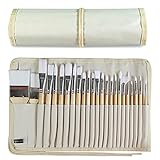
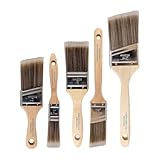
I remember the first time I seriously thought about switching from natural bristle brushes to synthetic. It was for a big interior project, and I was sick of paying an arm and a leg for good sable and hog hair. The sales guy kept pushing these plastic-looking things, muttering about ‘modern technology.’ Honestly, I rolled my eyes.
Back then, I was convinced only natural fibers could handle paint like a pro. So, are synthetic paint brushes any good? The short answer is: it depends. But the long answer, learned through years of splattering walls and ruining canvases, is a lot more nuanced, and frankly, surprisingly positive.
The Big Lie: Synthetics Can’t Hold Paint
Let’s get one thing straight right off the bat. The biggest myth I’ve heard, and one I used to believe with every fiber of my being (pun intended), is that synthetic brushes just can’t hold paint. They say the fibers are too smooth, too slick, and they don’t have that natural ‘cup’ that animal hairs supposedly create to store and release paint evenly. For a long time, I bought into this entirely. I’d grab a synthetic brush for priming or rough exterior work, but for any kind of detail or smooth finish? Forget it.
Then came the great interior paint debacle of 2019. I was tackling a rental property with a tight budget. I needed to repaint the entire place – walls, trim, doors, everything. I’d spent a fortune on a dozen high-quality natural bristle brushes for the previous job, and I simply couldn’t justify that expense again. Desperate, I bought a pack of mid-range synthetics from a hardware store, expecting absolute mediocrity. I figured I’d just have to work slower and reload the brush constantly.
My first surprise came on the living room walls. I loaded up a 2-inch synthetic angled brush, expecting a watery mess. Instead, it held a decent amount of paint. When I laid it onto the wall, the paint flowed out smoother and more evenly than I’d anticipated. It wasn’t like my favorite badger hair brush, but it was far from the disaster I’d pictured. I actually found myself less fatigued because I wasn’t dipping the brush into the paint tray every two strokes. This was a big deal. It forced me to re-evaluate everything I thought I knew about synthetic brushes. They weren’t just for cheap primer anymore; they had real potential for everyday painting tasks.
What’s Actually in Those Plastic Strands?
So, what makes these synthetic brushes tick? It’s not just simple plastic. Modern synthetic brushes are usually made from nylon, polyester, or a blend of both. The magic isn’t just the material itself, but how it’s engineered. Manufacturers have gotten incredibly clever at manipulating the surface texture and shape of these synthetic fibers. They’re not just smooth rods; they often have microscopic grooves, tapered tips, and a specific flex profile designed to mimic or even improve upon natural hair characteristics.
Take nylon, for example. It’s known for its resilience and ability to spring back into shape. This is fantastic for brushes that need to maintain their edge, especially when working with thicker paints like latex or acrylics. Polyester, on the other hand, is often used because it’s stiffer and more durable, making it great for high-wear situations or very thick mediums. Blending these materials allows manufacturers to fine-tune the brush’s performance – how it holds paint, how it releases it, and how it feels in your hand. They’ve also learned to create flagged tips (those tiny split ends you find on natural brushes) on synthetic fibers, which is key for holding more paint and creating softer paint application. (See Also: Can Acrylic Paint Go In An Air Brush )
I once saw a comparison of SEM (scanning electron microscope) images of natural vs. synthetic brush tips. The natural bristles looked like rough, porous logs. The synthetics, even the good ones, looked surprisingly similar, with engineered micro-textures. It’s easy to dismiss them as ‘plastic,’ but the science behind their design is pretty impressive. It’s not just about being cheap; it’s about targeted performance. This is why you see some synthetic brushes costing as much as, or even more than, decent natural ones. They’ve invested heavily in R&D to make these fibers work.
When Synthetics Shine (and When They Don’t)
This is where things get practical. Synthetics absolutely excel with water-based paints like latex, acrylics, and stains. Their smoother surface means less drag when painting large areas, leading to a quicker job and a smoother finish with fewer brush marks, especially on walls and ceilings. They also tend to be incredibly durable with these types of paints.
Water-based paints are generally less viscous, and the synthetic fibers don’t absorb water like natural bristles can, which can make them swell and lose their snap. So, for house painting, cabinet painting with latex, or any project involving waterborne coatings, synthetics are often my first choice.
I’ve used a good quality synthetic angled brush for trim work on my own house for the last five years, and it still holds its edge perfectly.
However, when you start talking about oil-based paints, varnishes, or lacquers, natural bristles often still have the edge. These mediums are oilier and more viscous. Natural hairs, with their more porous structure, can actually hold and control these thicker, oilier paints better. They tend to have a ‘fatter’ feel and can lay down thicker coats more controllably. While some high-end synthetics are designed for oils, for serious work with those kinds of finishes, I still reach for my trusty hog hair or badger brushes. Trying to use a cheap synthetic with a thick oil-based enamel can feel like trying to paint with a broom handle – clunky and frustrating.
Here’s a simple breakdown I’ve come to rely on: (See Also: Can Acrylic Paints Be Used In An Aqua Brush )
| Paint Type | Synthetic Brush Verdict | Natural Brush Verdict |
|---|---|---|
| Latex/Acrylic (House Paint) | Excellent. Smooth finish, easy cleanup. | Good, but can leave more marks if not careful. |
| Water-Based Stains | Very Good. Good control and coverage. | Good, but can absorb too much stain. |
| Oil-Based Enamels | Fair to Good. Can be used, but less control. | Excellent. Superior paint holding and control. |
| Varnishes/Lacquers (Oil-Based) | Fair. Might work for rough jobs, prone to streaking. | Excellent. Best for smooth, thin coats. |
| Watercolors/Gouache | Varies wildly. Some high-end synthetics mimic sable well. | Often preferred for their inherent softness and pigment loading. |
Common Mistakes People Make with Synthetics
The biggest mistake I see people make, and one I was guilty of for years, is assuming all synthetic brushes are created equal. They are not. There’s a universe of difference between the dollar-store multipack and a professional-grade synthetic brush from a reputable brand. Buying the cheapest option will almost guarantee a frustrating experience. You’ll end up with bristles splaying out after one use, poor paint pickup, and a finish that looks like you attacked the wall with a whisk.
Another common error is improper cleaning. Because synthetics don’t absorb water or oil like natural bristles, they can be easier to clean, but you still need to do it thoroughly. Leaving paint to dry in the ferrule (the metal part) will ruin any brush, synthetic or not. For water-based paints, rinse extensively with water and a bit of soap until the water runs clear. For oil-based paints, use the appropriate solvent (mineral spirits, turpentine) and again, rinse until clean. Proper cleaning doesn’t just preserve the brush; it makes sure consistent performance on your next project.
People also tend to over-thin water-based paints when using synthetics, thinking they need to compensate for perceived poor paint pickup. This is usually unnecessary with good quality synthetics. Over-thinning can lead to runs, drips, and poor coverage. Trust the brush and the paint; use them at their recommended consistencies. I’ve learned this the hard way after ending up with translucent stripes on a previously white wall because I thinned my paint too much, trying to make a synthetic brush behave like a sable watercolor brush. Big mistake.
The Real Deal: My Go-to Synthetic Brushes
Over the years, I’ve found a few synthetic brushes that I genuinely love and keep in my arsenal. For general interior painting, especially walls and trim with latex paint, I swear by a good quality angled synthetic brush. Brands like Wooster (their Shortcut series is fantastic for detail work) or Purdy (their Pro-Extra line is solid) make brushes that are tough, hold their shape, and release paint beautifully. I have a 1.5-inch Purdy Pro-Extra angled sash brush that has seen more action than I care to admit, and it’s still my go-to for cutting in around windows and doors. The bristles are firm enough to give a crisp line, but fine enough to avoid obvious streaks.
For larger areas like furniture or cabinets, I’ll often use a flat synthetic brush. Again, look for brands known for quality. A 3-inch flat synthetic brush can cover a lot of ground quickly and lay down a surprisingly smooth finish, especially if you use a high-quality paint. My personal preference is for brushes with slightly softer synthetic filaments. They feel a bit more forgiving on the surface. It’s a subjective thing, but I find they give a more luxurious feel to the paint application, almost like a good natural bristle.
I’ll be blunt: you don’t need to spend $50 on a single synthetic brush for general house painting. But you also shouldn’t be buying the $2 multipacks. Aim for the middle ground. A good quality synthetic brush will likely cost you somewhere between $8 and $20, depending on the size and brand. That’s a worthwhile investment when you consider how many projects they can handle and how much better your results will be compared to cheap alternatives. I’ve probably spent around $150 over the last decade on really good synthetic brushes, and they’ve paid for themselves many times over in saved time and better finishes. (See Also: A Brushes Digital Painting )
Are Synthetic Paint Brushes Any Good? The Faq
Can Synthetic Paint Brushes Be Used for Oil-Based Paints?
Yes, they can, but they generally aren’t the first choice for professionals. High-quality synthetic brushes are designed to handle oil-based paints with decent control, but natural bristle brushes often offer superior paint holding capacity and a smoother laydown for these thicker, oilier mediums. For most home DIY projects with oil-based paints, a good synthetic will get the job done adequately, especially if you’re careful with your application.
How Do I Clean Synthetic Paint Brushes?
Cleaning synthetic brushes is similar to natural ones but often easier. For latex or acrylic paints, rinse thoroughly with warm water and soap until all paint is gone. For oil-based paints, use the appropriate solvent (like mineral spirits) and clean until the brush runs clear, followed by a soap and water rinse. Always dry them thoroughly and store them bristle-up or flat to maintain their shape.
Are Synthetic Brushes Better Than Natural Brushes?
Neither is inherently ‘better’; they are suited for different tasks. Synthetic brushes excel with water-based paints (latex, acrylics), offering durability and a smooth finish. Natural bristles are often preferred for oil-based paints, varnishes, and fine art mediums due to their superior paint-holding and control characteristics. The best painter has both types in their toolbox.
Will Synthetic Brushes Leave Brush Marks?
Good quality synthetic brushes, especially those with flagged tips and a good taper, are designed to minimize brush marks, particularly with latex and acrylic paints. However, cheap synthetics or improper technique (like overloading the brush or painting too quickly) can still result in visible strokes. Technique and paint type are as important as the brush quality itself.
Final Verdict
So, to circle back: are synthetic paint brushes any good? Hell yes, they are. For a massive chunk of painting tasks, especially if you’re working with modern water-based paints, a good synthetic brush is not just an option; it’s often the superior choice. They’re durable, easier to clean, and can give you a fantastic finish without breaking the bank or your back.
Don’t be a snob about it. I used to be, and I wasted money and time on fancy natural brushes that underperformed for the job. The key is to understand what they’re good at and to invest in quality. Don’t buy the cheapest pack you can find. Spend a few extra bucks on a reputable brand, and you’ll be amazed at how well they perform.
My advice? If you’re tackling a big interior paint job, grab a few decent synthetic angled brushes. For furniture, try a flat synthetic. See how they feel. You might just find yourself reaching for them more often than you ever expected.