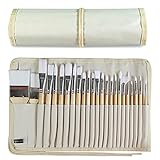
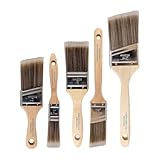
I remember staring at the art supply store wall, a dizzying array of brushes staring back. Bristles splayed, handles smooth or textured, some tiny as a needle, others thick as a broom. I just wanted to paint a dang sunset. I’d seen those fancy artist videos where they flicked paint around with what looked like precision surgical tools. It made me wonder, are there specific brushes for acrylic paint, or is it all just marketing fluff?
Honestly, for a while, I thought it was mostly hype. I grabbed a multi-pack of synthetic brushes, figured they’d do, and proceeded to make a muddy mess. Turns out, yeah, the brush does matter. A lot. It’s not just about making pretty strokes; the right tool can actually make painting with acrylics a whole lot less frustrating and a lot more enjoyable.
Bristles: The Heart of the Matter
When you ask are there specific brushes for acrylic paint, the first thing you need to understand is the bristle. This is where the magic – or the mud – happens. Acrylic paint is water-based, but it dries fast and can be quite unforgiving.
This means the brush needs to handle both the liquid nature of the paint when wet and the slightly gummy, sticky texture as it starts to cure. Most brushes you’ll see for acrylics are synthetic.
Why? Because natural hairs, like hog bristle or sable, can get damaged by the acrylic binder over time. They can swell up, lose their shape, and generally get ruined pretty quickly. Synthetics, on the other hand, are designed to be durable and resilient against acrylics.
You’ll find a few main types of synthetic bristles: nylon, polyester, and taklon. Nylon is often the most common and affordable. It’s springy and holds a decent amount of paint, making it good for general use, blocking in large areas, and even some detail work if you get a smaller size.
Polyester tends to be stiffer and more durable, often used for heavier body acrylics or when you need a lot of control and a firm stroke. Taklon is usually softer and finer, great for delicate lines and smooth blending, though it can sometimes hold less paint than nylon. I’ve found that a good quality nylon brush is usually your best bet for a wide range of tasks. I bought a set of cheap polyester ones once, thinking they’d be super durable, but they felt like scrubbing with a tiny plastic broom.
No smooth blending, just scratchy marks. Lesson learned.
The shape of the brush head is just as important as the bristle material. Think about what you want to achieve. For broad strokes, covering large areas, or laying down washes, a flat or bright brush is your friend. Flats have shorter bristles and a flat ferrule (the metal part), giving you crisp edges and good control for architectural lines or sharp shapes.
Brights are similar but have longer bristles, making them better for thicker paint and more vigorous strokes. Rounds, on the other hand, have a pointed tip and are perfect for details, lines, outlines, and filling small areas. Script liners, with their super-fine, long bristles, are specifically for lettering and very thin, continuous lines.
Fan brushes, with their spread-out bristles, are fantastic for creating textures like grass, fur, or even soft blending effects. It’s not just about picking up paint; it’s about how that paint is laid down and the marks it leaves behind.
Common Acrylic Brush Shapes and What They Actually Do
So, let’s get down to brass tacks. When someone asks are there specific brushes for acrylic paint, they’re usually wondering about the different types you see. Beyond just bristles, the shapes are designed for specific purposes. You’ve got your basics: flats, rounds, and filberts. Flats are like little squeegees. They hold a good amount of paint and are great for laying down smooth, even layers, especially in larger areas. The edge of a flat brush can give you a nice, sharp line, too. I use flats for blocking in skies or backgrounds all the time. They’re no-nonsense.
Rounds are the go-to for detail. Their pointed tip allows you to create fine lines, dots, and intricate work. If you’re painting eyes, adding delicate outlines, or creating small patterns, a round brush is what you need. You can vary the pressure to get different line weights, which is pretty neat. I used to think I could do all my detail work with a smaller flat, but it was like trying to thread a needle with a spork. My lines were always chunky and imprecise until I finally picked up some decent rounds.
Filberts are a bit of a hybrid, kind of a rounded flat. They have a flat ferrule but a rounded tip. This makes them super versatile. They can do broad strokes like a flat, but also softer edges and curves. They’re excellent for blending, creating soft transitions, and painting rounded shapes like petals or faces. Many artists love filberts because they feel like they can do a lot with just one brush type. I’ve got a few filberts in my arsenal, and while I don’t reach for them for my super-fine detail, they’re brilliant for softening edges or creating a more organic feel in my work. They’re the Swiss Army knife of brushes, I guess you could say. (See Also: Can Acrylic Paint Go In An Air Brush )
Then there are the more specialized ones. Script liners, as I mentioned, are for writing or super fine, flowing lines. Liner brushes are similar. Angle brushes are great for filling in corners or creating sharp, curved strokes. Mops and wash brushes are large, soft brushes used for applying broad washes of color, creating subtle gradients, or even lifting paint. The key takeaway here is that each shape is optimized for a certain kind of mark or application. You wouldn’t use a huge mop brush to paint a single eyelash, and you wouldn’t use a tiny script liner to paint a whole wall. Choosing the right brush shape can save you a ton of time and frustration.
| Brush Type | Bristle Material | Common Use | My Verdict |
|---|---|---|---|
| Flat | Synthetic (Nylon/Polyester) | Broad strokes, blocking in areas, sharp edges | Reliable workhorse for backgrounds and large areas. Good control. |
| Round | Synthetic (Nylon/Taklon) | Detail work, fine lines, outlines | Key for precision. Can be frustrating if bristles splay. |
| Filbert | Synthetic (Nylon) | Blending, soft edges, rounded shapes | Versatile for organic forms and smooth transitions. My go-to for softer looks. |
| Fan | Synthetic (Nylon) | Texturing, blending, hair, grass | Can be hit or miss depending on the quality and paint consistency. Great for effects. |
| Script Liner | Synthetic (Taklon) | Very fine lines, lettering | Requires a steady hand and good quality paint. Transforms delicate details. |
The Acrylic Paint Brush Myth Busters
Here’s a hot take for you: You do NOT need a brush made of unicorn hair that costs $50 for a single bristle to paint with acrylics. Seriously. The market is flooded with these incredibly expensive brushes that promise the world. I’ve fallen for it. I bought a set of “artist-grade” synthetic brushes once, costing me nearly $100. They looked beautiful, felt great in the store, and then… they were just okay. The paint-holding capacity was decent, but nothing that blew me away compared to some mid-range brushes I’d picked up for a fraction of the price.
My contrarian opinion? For most acrylic painters, especially those who aren’t trying to replicate hyper-realistic oil paintings or work with incredibly subtle glazing techniques, super-expensive brushes are often overkill.
The common advice is “buy the best you can afford,” which is generally good advice, but it’s often taken to an extreme. I’d rather have five good, reliable synthetic brushes in different shapes and sizes for $50 than one single fancy one for $50. Acrylic paint is, by its nature, a bit unforgiving.
It dries fast, and it can gum up bristles. Even the most expensive brush will eventually get stiff if you don’t clean it properly. So, paying a premium for a brush that’s going to get abused by fast-drying paint and potentially harsh cleaning might not be the smartest investment for everyone.
Where I think people go wrong is assuming a brush will magically fix their technique. A brush is a tool, like a hammer or a screwdriver.
It helps you execute, but it doesn’t create the skill. I’ve seen people with $100 brushes make blotchy messes and people with $5 multipacks create absolute masterpieces. It’s about understanding how to load the brush with paint, how to control the pressure, and how to clean it properly. One of the biggest mistakes I see beginners make is neglecting brush care.
They’ll let acrylic paint dry in the bristles, turning their expensive (or not-so-expensive) brushes into stiff, unusable clubs. This is a cardinal sin in the painting world.
No brush, no matter how good, can survive that kind of abuse. Clean your brushes immediately after use with soap and water. Gently work the paint out, rinse thoroughly, and reshape the bristles before letting them dry flat or hanging them bristles-down.
Another myth is that you need a separate brush for every single color. While I do advocate for having a few brushes for different tasks (a detail brush shouldn’t be used for blocking in large areas if you want crisp results), you don’t need a dedicated brush for “sky blue” and another for “grass green.” Just clean your brush thoroughly between colors. If you’re working on a piece with a very limited palette or you’re concerned about color contamination on a delicate task, sure, use a fresh brush. But for general painting, a well-cleaned brush is perfectly fine. The idea that you need a pristine brush for every hue is just another way to sell you more brushes.
Real-World Acrylic Brush Use: What I Actually Use
After years of trial and error, and frankly, a lot of wasted money on fancy tubes and even fancier brushes, I’ve settled into a workflow that’s pretty straightforward. When I’m asked are there specific brushes for acrylic paint, I tell people to think about their style and the effect they want. For me, that usually means a mix of versatility and reliability. I’ve got a core set of synthetic brushes that see the most action. These are typically medium-priced, mid-range brushes – not the cheapest dollar-store multipack, but definitely not the artisanal ones that cost as much as a decent meal.
My daily drivers are usually nylon flats and rounds. I have a couple of 1/2 inch and 1 inch flats for laying down base coats, creating smooth backgrounds, or just getting paint onto the canvas quickly. They’re sturdy and hold a good amount of paint. For detail, I rely on a size 2, size 6, and maybe an 8 round synthetic brush. These are for adding eyes, drawing fine lines, or doing small highlights. I’ve also found a small filbert brush (around a size 4 or 6) to be incredibly useful for blending edges and creating softer transitions, especially when I’m painting figures or organic shapes. It feels more forgiving than a sharp round for blending.
I also have a couple of fan brushes. I don’t use them constantly, but when I’m trying to create texture – like grass, fur, or even just a soft, wispy cloud effect – a fan brush is invaluable. You have to be careful with them, though; they can get frayed easily. I bought a set of decent taklon brushes for finer work, and they’ve been surprisingly good for delicate highlights or very fine decorative lines. They’re softer than nylon and hold a bit less paint, which is perfect for those tiny touches. (See Also: Can Acrylic Paints Be Used In An Aqua Brush )
One thing that surprised me was how much difference the quality of the synthetic bristle could make, even within the same type. I bought a cheap pack of synthetic rounds once that felt like plastic straws. The bristles were inconsistent, they splayed out after the first use, and they held paint terribly.
They were basically useless. Contrast that with a slightly more expensive set of synthetics from a reputable brand – the bristles were more uniform, they had better snap (that springy return to shape), and they held and released paint beautifully.
So, while you don’t need to break the bank, investing in decent quality synthetics from brands known for their art supplies will make a noticeable difference. It’s about finding that sweet spot between cost and performance.
I’d say I probably spent around $120 over the last three years building up my core set of about 10-12 brushes that I actually use regularly.
Cleaning and Care: The Unsung Heroes
You asked are there specific brushes for acrylic paint, and while the material and shape are key, the absolute most important factor in how well any brush performs, and how long it lasts, is how you treat it. Seriously, I’ve seen people trash perfectly good brushes in a single session because they don’t clean them properly. Acrylic paint is a fast-drying polymer.
Once it cures in those bristles, it’s like concrete. It stiffens them, distorts their shape, and makes them useless for anything but maybe scrubbing a floor.
I’ve been guilty of this in my early days. I’d get caught up in the moment, finish a painting, and just leave the brushes in the water jar. The next day? Disaster.
Hardened, splayed-out messes. It was a hard lesson to learn that proper cleaning isn’t just a chore; it’s an investment in your tools.
So, what’s the drill? As soon as you’re done painting, rinse your brushes under cool running water to remove as much excess paint as possible. Then, use a mild soap – artist brush soap is great, but even a gentle dish soap can work – and work it into the bristles with your fingers. Gently massage the soap and paint out. Don’t scrub aggressively, as this can damage the bristles. Rinse again thoroughly until the water runs clear. Once the paint is out, reshape the bristles gently with your fingers. This is important. If you let them dry in a fanned-out mess, that’s how they’ll stay.
Drying is also key. You don’t want to lay a wet brush flat on its side, as the water can seep into the ferrule and loosen the glue holding the bristles, or even cause the wooden handle to swell and crack. The best way to dry them is either to lay them flat on a towel or, even better, hang them bristles-down in a brush holder or on a drying rack. This allows any residual moisture to drip away. Storing them properly is just as vital. Keep them in a brush case or a jar with the bristles pointing upwards. Never store them bristles-down in a jar, as this can damage the shape over time.
I’ve heard some folks recommend specific brush cleaners or solvents. While these can be useful for really stubborn, dried-on paint (and I have a bottle of brush restorer for those ‘oh no’ moments), for everyday cleaning, soap and water are more than sufficient and much gentler on your brushes. The key is consistency. Make cleaning your brushes part of your painting ritual. It takes an extra five minutes, but it will save you a fortune in replacement brushes and make sure your tools are always ready to go for your next creative session. It’s the difference between having a reliable set of brushes for years and constantly buying new ones every few months.
When to Splurge and When to Save
This brings me to the age-old question: when do you actually need to spend more money on brushes? If you’re just starting out and trying to figure out if acrylic painting is even your jam, don’t go dropping $200 on a brush set. Seriously. Grab a decent quality synthetic multipack – something in the $20-$40 range – that gives you a few different shapes and sizes.
This will let you experiment and see what works for you without a huge financial commitment. You can find good starter packs from brands like Arteza, Royal & Langnickel, or even some of the better-quality store brands at places like Blick or Michaels. These will be perfectly adequate for learning the basics and developing your technique. (See Also: A Brushes Digital Painting )
As you get more serious and your style becomes more defined, you might find yourself gravitating towards certain types of brushes or specific brands. This is when it makes sense to invest. If you discover you absolutely love working with fine detail and you find yourself constantly frustrated by cheaper round brushes that splay out, then investing in a high-quality synthetic round brush from a company like Princeton, Escoda (though many Escoda brushes are natural hair, they do have excellent synthetics too), or Silver Brush Limited might be worth it. These brushes will hold their shape better, have more consistent bristles, and offer superior control.
I remember buying a single Princeton round brush for about $15, and it felt like a revelation compared to the cheap ones I’d been using. The control was just on another level.
Similarly, if you do a lot of blending or soft washes, investing in a good quality synthetic filbert or a soft wash brush can make a noticeable difference in the smoothness and subtlety of your work. For these types of specialized tasks where precision and a specific feel are most important, the higher price often translates to better performance and longevity, provided you care for them. Think about it like this: would you buy the cheapest pair of running shoes if you were training for a marathon? Probably not. You’d invest in something that supports your feet and enhances your performance. Brushes are similar for artists.
However, I still maintain that for the bulk of acrylic painting, especially for hobbyists or even emerging professionals, you don’t need to go overboard. There’s a point of diminishing returns. Beyond a certain price point, you’re paying for brand name, perceived prestige, or micro-improvements that most people won’t even notice. My advice is to build your collection gradually.
Start with good quality, affordable synthetics, and as you identify your needs and preferences, gradually upgrade specific brushes that you use most frequently or that consistently underperform. Don’t be afraid to experiment, but also don’t get caught up in the hype.
The best brush is often the one that feels right in your hand and helps you achieve the vision in your head.
Do I Need Special Brushes for Acrylic Paint?
Yes, generally you do. While you can technically use almost any brush, synthetic bristles are specifically recommended for acrylic paint because they are more durable and resistant to damage from the acrylic binder compared to natural bristles. Synthetic brushes also hold their shape better when wet and dry, which is important for the fast-drying nature of acrylics.
What Kind of Brush Is Best for Acrylics?
For most acrylic painting, synthetic bristle brushes are best. Nylon or polyester bristles are common. The shape depends on your technique: flats and brights are good for broad strokes and backgrounds, rounds are for detail and lines, and filberts are versatile for blending and rounded shapes. A good starter set usually includes a few of these types.
Can I Use Watercolor Brushes for Acrylics?
You can, but it’s not ideal. Watercolor brushes, especially natural hair ones, are often softer and less resilient than synthetic brushes designed for acrylics. Acrylic paint can be harder on the bristles, potentially damaging them over time. Watercolor brushes might not hold their shape as well with thicker acrylic paint, and they can get ruined more quickly.
Can I Use Oil Painting Brushes for Acrylics?
Some oil brushes, particularly those with stiff hog bristle, can work reasonably well for acrylics, especially for impasto techniques or textured effects. However, softer oil brushes, like those made of sable, can be damaged by acrylics similar to watercolor brushes. Synthetic brushes are generally more durable and a safer bet for acrylics.
Final Thoughts
So, are there specific brushes for acrylic paint? The answer is a resounding yes, but not in the way you might think. It’s less about a magic brush that only works for acrylics and more about understanding which materials and shapes are best suited to handle the unique properties of acrylic paint. Synthetic bristles are your best friend here, offering the durability and resilience needed. Don’t get swayed by outrageously expensive marketing if you’re just starting out; focus on acquiring a few versatile, good-quality synthetic brushes in different shapes that suit your intended style.
The real secret isn’t a specific brand or price tag, but rather understanding how to use and care for your tools. Clean them religiously, reshape them after every session, and store them properly. Do that, and even a moderately priced brush will serve you well for a long time. If you find yourself consistently struggling with a particular task, like fine detail or smooth blending, that’s when you can look to upgrade specific brushes that will make a tangible difference in your results.
Ultimately, the best brush for you is the one that feels comfortable in your hand, allows you to execute your vision, and doesn’t break the bank. Experiment, pay attention to how different shapes and bristles behave with the acrylics you use, and build your collection based on your actual needs and artistic journey. Your paintings will thank you for it.