I remember the first time I had to replace a P-trap under my kitchen sink. It looked like a simple curved pipe, right? How hard could it be? Turns out, plenty. I grabbed what I thought was a standard one from the hardware store, wrestled with the old, crusty one, and then stared at the new one, realizing it wasn’t quite lining up. This is when I learned that, nope, are there different size P-traps, and picking the wrong one is a special kind of plumbing frustration.
It’s not just about the diameter, though that’s a big part of it. There are subtle differences in how they’re designed, the materials they come in, and what they’re meant to connect to. Getting it wrong means leaks, wasted money, and more trips back to the store.
So, let’s cut through the confusion. If you’re staring under your sink wondering if all P-traps are created equal, the short answer is no.
Understanding the Humble P-Trap: More Than Just a Curve
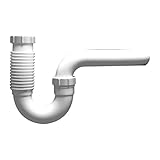
Look under almost any sink, and you’ll see it: that U-shaped piece of pipe. Its job is deceptively simple but vital. It holds a small amount of water, creating a seal that stops sewer gases from wafting up into your home. Without that water seal, your bathroom or kitchen would smell like a week-old sewer line, and that’s nobody’s idea of a good time. It’s a basic physics trick, really – gravity pulls the water down into the trap, and the shape prevents it from draining out completely. The sewer gases, which are lighter than air, can’t push through that water barrier. Pretty clever for such a simple piece of plumbing.
When people ask if are there different size P-traps, they’re usually thinking about the diameter of the pipe. This is the most common variation and the one you’ll encounter most often.
The standard sizes for sink drains are typically 1-1/4 inch for bathroom sinks and lavatories, and 1-1/2 inch for kitchen sinks and laundry tubs. These sizes are designed to handle the volume of water expected from these fixtures. A smaller pipe might get clogged easily with the grease and food particles from a kitchen sink, while a larger pipe might not seal correctly with a smaller fixture’s drain opening. It sounds straightforward, but even a quarter-inch difference can mean a leaky connection or a pipe that simply won’t fit.
Beyond the diameter, there are also differences in the ‘reach’ or length of the trap arm – the horizontal pipe that connects the P-trap to the wall. While this isn’t part of the P-trap itself, it’s directly related to its installation and function. The trap arm needs to slope downwards at a specific rate (usually 1/4 inch per foot) to make sure proper drainage without siphoning out the water seal.
If the trap arm is too long or has the wrong slope, the P-trap’s water seal can be compromised, letting those dreaded sewer gases in. I once saw a DIY job where someone just cut a pipe to fit without considering the slope. The homeowner complained of faint sewer smells, especially after using the sink heavily.
Turns out, the trap arm was almost flat, and water was backing up slightly, not draining fast enough to keep the seal fresh.
The material is another factor. Most P-traps you buy off the shelf are made of plastic (PVC or ABS) or chrome-plated brass. Plastic is cheaper, easier to cut and assemble, and won’t corrode. However, it can become brittle over time and is more susceptible to damage from harsh chemicals. Brass, especially chrome-plated, is more durable and looks nicer, often preferred for exposed plumbing in bathrooms or kitchens where aesthetics matter. But brass is heavier, more expensive, and can still corrode if the plating wears off. The choice of material often comes down to budget, application, and how much you care about the look of your pipes.
The Diameter Debate: Why 1-1/4 Inch vs. 1-1/2 Inch Actually Matters
Let’s drill down on the diameter, because this is where most people get tripped up. When you’re looking at a sink drain, the size that matters is the outer diameter of the pipe that connects to the P-trap assembly. For a standard bathroom sink or a small vanity, you’re almost certainly dealing with a 1-1/4 inch drain. This is a smaller opening, designed for the lower volume of water you’d expect from a typical faucet. Trying to connect a 1-1/2 inch P-trap to a 1-1/4 inch drain pipe is usually impossible without some serious (and often problematic) adapters. The fittings just won’t match up. (See Also: Are Glue Mouse Traps Bad )
On the flip side, kitchen sinks, utility sinks, and laundry tubs almost universally use 1-1/2 inch drain pipes. These fixtures see much higher volumes of water, and kitchen sinks, in particular, can handle a lot more gunk – grease, food scraps, coffee grounds. A 1-1/2 inch pipe has a larger capacity, reducing the likelihood of clogs. If you try to put a 1-1/4 inch P-trap on a 1-1/2 inch drain, you’ll find that the tailpiece (the pipe coming down from the sink strainer) is too large to fit into the trap’s inlet.
Again, adapters exist, but they add more potential leak points and can be a sign that you’re not using the right parts for the job. I learned this the hard way when I inherited a rental property with a kitchen sink that seemed to clog constantly. The previous owner had apparently put in a 1-1/4 inch P-trap because it ‘fit’ with some jury-rigged adapters. Once I swapped it for the correct 1-1/2 inch trap, the drainage improved dramatically, and the clogs stopped.
It was a simple fix, but it cost me a weekend and a few bucks in ‘learning materials’ (i.e., the wrong parts).
It’s also worth mentioning that the nominal size of plumbing pipes isn’t always their exact outer diameter, especially with PVC. A 1-1/4 inch PVC pipe, for example, has an actual outer diameter of about 1.625 inches, while a 1-1/2 inch pipe is about 1.900 inches. This is why you can’t just eyeball it. The fittings are designed around these nominal sizes. The flange on the sink strainer, the tailpiece, and the inlet of the P-trap all have to be compatible. Always measure the pipe coming out of your sink or tub, or check the existing drain assembly, to be sure.
Sometimes, you’ll see slightly larger sizes like 2-inch for very high-volume industrial or commercial drains, but for residential plumbing, 1-1/4 and 1-1/2 inch are overwhelmingly the sizes you’ll deal with. Don’t guess. Grab a tape measure. The difference is significant enough that you’ll be able to see it, and you need to know it to buy the right parts.
Beyond Diameter: Trap Depth and Other Design Nuances
While diameter is king, the depth of the trap – the height of the water seal – is also standardized and important. Most common P-traps are ‘standard’ traps, designed to hold about 2 inches of water. This provides an adequate seal for most residential situations.
However, there are also ‘deep seal’ traps available. These are designed to hold more water, typically 4 inches. Why would you need more water?
Deep seal traps are often recommended for situations where there’s a risk of the water seal being siphoned out or evaporated quickly. This could include floor drains in basements that don’t get used often, or drains in areas with extreme temperature fluctuations. A deeper water seal makes the trap more resilient to these conditions, making sure the odor barrier remains effective.
I had a situation in an old workshop that was only used intermittently. The floor drain would sometimes start to smell a bit musty after a few weeks of inactivity. Installing a deep seal P-trap solved that problem by providing a more solid water reserve. It’s a small detail, but it made a big difference in keeping the air fresh in that space.
Another design variation is the ‘resealing’ or ‘anti-siphon’ P-trap. These traps have built-in vents or mechanisms designed to prevent the water seal from being siphoned out when a large volume of water is suddenly discharged from the fixture. Traditional plumbing codes often require a separate vent pipe to achieve this same anti-siphoning effect. However, for certain situations, or in older plumbing systems where adding vents might be difficult, a resealing trap can be a good alternative. They’re not a replacement for proper venting in all cases, but they offer an added layer of protection against seal loss. You’ll often see these in RVs or boats where venting is more constrained. (See Also: Are Freeze Dried Crickets Good For Venus Fly Traps )
The shape itself can vary too. While the U-shape is classic, you’ll also find P-traps that are more compact or have slightly different curvatures to fit into tight spaces or accommodate specific cabinet configurations. These are still functionally P-traps, holding that water seal, but their form factor is adjusted. When you’re working in a cramped under-sink area, you might need one of these specialized shapes. Always measure the space you have available before buying.
Common P-Trap Mistakes and How to Avoid Them
Mistakes happen, especially when you’re trying to do it yourself. One of the most common errors, as I mentioned, is buying the wrong size. People see a P-trap, think it’s standard, and grab the first one they see. Then they get home, try to connect it, and realize the diameters don’t match. This leads to frustration, wasted money on the wrong part, and a trip back to the store. Always measure the drain pipe diameter before you go shopping. It’s usually printed on the pipe itself or you can use calipers or a tape measure to get the outer diameter.
Another frequent mistake is overtightening the slip nuts. P-traps, especially plastic ones, use slip nuts and washers to create a watertight seal. These are designed to be hand-tightened, perhaps with a quarter-turn of pliers for extra snugness. Overtightening can crack the plastic fittings or damage the washers, leading to leaks. Conversely, under-tightening will obviously cause leaks too. The key is a snug fit that compresses the washer just enough to create a seal without deforming the plastic. If it drips, gently tighten a little more. If it still drips, check the washer – is it seated correctly? Is it damaged?
Improper slope on the trap arm is another big one. As I touched on earlier, the horizontal pipe from the P-trap to the wall needs a consistent downward slope (typically 1/4 inch per foot). If it’s flat or slopes upwards, water can pool, leading to slow drainage, odors, and potential clogs. It also increases the risk of siphoning the trap seal dry. When installing or replacing a P-trap, pay close attention to this slope. You can use a spirit level to check it. If the existing trap arm has the wrong slope, you might need to adjust the piping in the wall, which is a more involved job.
Finally, using the wrong type of material for the job is also a mistake. While plastic is common and cheap, using it under a sink where you’re regularly pouring hot grease or harsh drain cleaners can cause it to degrade over time. For kitchens with heavy use or where chemical cleaners are a common fix, a metal P-trap might be a better, albeit more expensive, investment. Conversely, using a heavy brass trap in an exposed, high-traffic area where it could be easily knocked might not be practical. Match the material to the expected wear and tear.
Real-World Applications: When P-Trap Choice Really Counts
The choice of P-trap isn’t just about avoiding smells; it can impact the functionality and longevity of your plumbing. In a busy household kitchen, you want a solid 1-1/2 inch P-trap made of durable plastic or metal. This size handles the high volume of water and potential debris, and a good quality material resists degradation from hot water and occasional cleaning chemicals. I’ve seen cheap plastic traps in kitchens warp or become brittle after just a few years due to constant exposure to hot dishwater, leading to leaks and the need for replacement. Going slightly more expensive upfront for a better-quality plastic or a metal trap can save you money and hassle down the line.
In a guest bathroom, where the sink might not be used daily, a standard 1-1/4 inch trap is usually fine. However, if this is a bathroom that sits empty for extended periods, you might consider a deep seal trap. This will make sure the water seal remains intact, preventing those unpleasant sewer odors from surprising your guests (or you) when they finally use the facilities. It’s a small upgrade that offers peace of mind.
Utility sinks in garages or basements often deal with dirtier water and more varied debris. A sturdy 1-1/2 inch P-trap is key here. Sometimes, these sinks are more prone to accidental damage or rough use. So, while plastic is common, a metal P-trap might be a good choice for durability. I’ve had a few utility sinks where tools or heavy items were accidentally dropped, and a plastic trap took a crack. A metal one would have likely survived unscathed. It’s about anticipating how the fixture will be used.
For RVs and boats, space is always at a premium, and venting can be tricky. This is where specialized, compact P-traps or those with built-in anti-siphon features become really important. Standard plumbing might not be practical or even possible. These specialized traps are designed to work within the constraints of mobile living, making sure you don’t have sewer gas issues while you’re on the road or on the water.
Practical Tips for P-Trap Installation and Maintenance
When you’re ready to install or replace a P-trap, preparation is key. First, turn off the water supply to the fixture. Then, place a bucket or a shallow pan directly underneath the trap to catch any residual water. Old P-traps can hold a surprising amount of gunk and water, so don’t underestimate this step. I once skipped the bucket on a quick replacement and regretted it immediately as I ended up soaked in stagnant, questionable water. (See Also: Are Mouse Traps One Time Use )
When disassembling the old trap, loosen the slip nuts gently. If they’re stubborn, a little penetrating oil might help, but be careful not to apply too much force, especially on plastic. Once removed, clean the tailpiece and the drainpipe opening thoroughly. Remove any old putty, tape, or debris to make sure a clean surface for the new washers and fittings.
When installing the new trap, make sure the rubber washers are properly seated in the slip nuts. They should fit snugly against the pipe. Hand-tighten the slip nuts first. Then, use channel-lock pliers or a pipe wrench to give them a final snug turn – usually about a quarter to a half turn past hand-tight. Do NOT overtighten. After installation, run water through the fixture for a few minutes and check all connections for leaks. Tighten slightly if you see any drips, but again, don’t go overboard.
Maintenance is also straightforward. Regularly flush your drains with hot water to help break down grease and prevent buildup. Avoid pouring harsh chemical drain cleaners down the drain too often, as they can degrade plastic pipes and trap seals over time. If you do get a clog, a plunger or a drain snake is usually more effective and safer for your plumbing than harsh chemicals. Periodically, inspect the P-trap and its connections for any signs of leaks or corrosion. A simple wipe-down can reveal small drips you might otherwise miss.
Frequently Asked Questions About P-Traps
Can I Use a 1-1/4 Inch P-Trap on a 1-1/2 Inch Drain?
Generally, no. The fittings are not designed to connect directly. While adapters exist, it’s best to use the correct size P-trap that matches your drainpipe diameter. Using adapters adds more potential leak points and is often a sign of an incorrect installation.
Do I Need a Special P-Trap for a Garbage Disposal?
Garbage disposals typically connect to a 1-1/2 inch drainpipe and require a P-trap designed for that size. The disposal unit itself often comes with a tailpiece that connects directly to the P-trap assembly. Make sure your P-trap is compatible with the disposal’s outlet size.
How Often Should I Replace a P-Trap?
P-traps don’t have a set replacement schedule, but they should be replaced if they are leaking, cracked, corroded, or if you notice persistent sewer odors despite other attempts to fix them. Plastic traps can become brittle over time, especially with exposure to hot water and chemicals, while metal ones can corrode. Inspect them periodically.
What Happens If I Don’t Have a P-Trap?
If you don’t have a P-trap, or if the water seal has evaporated, sewer gases will rise freely from your drainpipes into your home. This creates a foul odor and can also be a health hazard as these gases can contain harmful bacteria and chemicals.
Can I Use a P-Trap for a Shower or Bathtub Drain?
Showers and bathtubs typically use a different type of trap, often a drum trap or a P-trap that’s integrated into the waste and overflow assembly, which is then connected to the main drainpipe. The principles are the same – to hold a water seal – but the installation is usually less accessible and more integrated into the fixture itself.
Verdict
So, to circle back to the big question: are there different size P-traps? Absolutely. It’s not just about diameter, but also about trap depth, material, and specific design features for different applications. Ignoring these differences can lead to leaks, odors, and a lot of unnecessary frustration. My own blunders taught me that taking a moment to measure and understand what you’re buying saves time and money in the long run.
Don’t just grab the first pipe that looks like a U. Check the diameter of your existing drainpipe – 1-1/4 inch for most bathrooms, 1-1/2 inch for kitchens. Consider if you need a deep seal trap for less-used drains or a more solid material for high-traffic areas. Even a simple plumbing task like replacing a P-trap requires a bit of knowledge.
Next time you’re under the sink, armed with this info, you’ll be able to confidently pick the right part and get the job done right the first time. And hey, if all else fails, there’s always a plumber, but a little knowledge goes a long way.