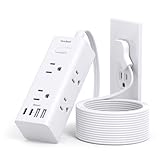
I once saw a guy trying to power a small dehumidifier in his basement using a garden hose. Not a joke. He was dead serious. The point is, we’ve all been there, staring at a perfectly good appliance and a distant, utterly inaccessible outlet. It screams for a solution, and the most obvious one is an extension cord. But before you go plugging that ancient, dusty cord into your wall, let’s talk about whether an extension cord can be run to an outlet receptical in a way that’s safe and actually makes sense.
This isn’t some abstract technical question for electricians only. We’re talking about making your life easier, powering that lamp, that tool, that holiday decoration, without completely re-wiring your house. So, can it be done? The short answer is yes, but with more caveats than a cheap used car lot.
Running an Extension Cord to an Outlet: The Real Deal
Look, the question ‘can an extension cord be run to an outlet receptical’ is probably one of the most common for anyone who’s ever moved a piece of furniture or tried to set up a temporary workspace. My first apartment was a prime example. The only usable outlet for my desk setup was across the room, behind a built-in bookshelf that was apparently bolted to the studs by a vengeful god. So, what did I do?
I grabbed the longest, heaviest-duty extension cord I could find and ran it along the baseboard. It worked, sure.
But was it ideal? Absolutely not. It looked like a trip hazard waiting to happen, and I spent a good chunk of time worrying if it was going to get snagged or damaged.
The fundamental principle here is simple: an extension cord is designed to provide temporary power where a permanent outlet isn’t readily available. It’s a bridge. It’s not meant to be a permanent fixture, and that’s where most people go wrong. They treat it like a permanent wiring solution. The cord itself is just a conductor, insulated and terminated with plugs and receptacles. Its capacity – how much power it can handle – is its most vital spec. Overload it, and you’re asking for trouble, ranging from a melted cord to a full-blown fire. I’ve seen extension cords that looked like melted spaghetti after trying to power a space heater on a 16-gauge cord. Big mistake. Huge.
When you’re thinking about running an extension cord, especially one that might be visible or subject to foot traffic, the gauge of the wire is most important. Thicker wires (lower gauge numbers) can handle more amperage. A 16-gauge cord is fine for light-duty stuff like a lamp or a laptop charger, maybe 10-13 amps depending on its length.
But for anything drawing significant power, like a space heater, a power tool, or even multiple smaller devices, you absolutely need a 14-gauge or even a 12-gauge cord, especially if it’s a long run. Longer cords naturally have more resistance, meaning they can’t deliver power as efficiently and can overheat if they’re undersized.
It’s a simple physics thing, but one that gets ignored constantly. A 100-foot 16-gauge cord will struggle to safely power something a 25-foot 16-gauge cord can handle without breaking a sweat.
Consider the environment, too. Is it going to be exposed to moisture? Is it going to be stepped on constantly? Is it going to be kinked or pinched? These are all factors that degrade the cord’s integrity and safety. Outdoor-rated cords are built tougher, with better insulation and seals, but even they have limits. Running an indoor cord outside is a recipe for disaster. They degrade quickly in sunlight and can become brittle in the cold, increasing the risk of damage and electrical shock. You wouldn’t use a paper towel to stop a leak, so don’t use the wrong cord for the job. (See Also: Can Extension Cords Short Out )
What Kind of Extension Cord Do You Actually Need?
This is where most DIYers trip up. They grab whatever looks long enough. Wrong. You need to think about what you’re plugging into it. This isn’t just about the voltage (usually 120V in North America), but the amperage (current). Appliances have a power rating, often in watts. You can convert watts to amps by dividing by the voltage (Watts / Volts = Amps). So, a 1500-watt space heater on a 120-volt circuit draws about 12.5 amps. That’s a lot for many extension cords, especially longer ones.
Here’s a rough breakdown of what to look for, and frankly, what I’ve learned the hard way:
| Gauge (AWG) | Typical Amp Rating (Approx.) | Max Length Recommendation | Best For | My Verdict |
|---|---|---|---|---|
| 16 AWG | 7-10 Amps | 25 ft | Lamps, clocks, small electronics, holiday lights | Absolute minimum for light loads. Don’t push it. |
| 14 AWG | 10-13 Amps | 50 ft | Power tools (intermittent use), fans, small appliances | Decent all-rounder for moderate use. Pay attention to length. |
| 12 AWG | 13-15 Amps | 100 ft | Heavier power tools, appliances, longer runs with significant loads | The workhorse. Necessary for anything drawing serious juice. |
| 10 AWG | 15-20 Amps | 100+ ft | Generators, heavy construction tools, very high demand | Overkill for most homes, but invaluable for serious tasks. |
When an extension cord is rated for a certain amperage, that’s its maximum safe capacity. If your device draws more than that, the cord will heat up. Too much heat can melt the insulation, damage the appliance, and, worst-case scenario, start a fire. I learned this lesson when I tried to run a portable air conditioner on a cord that was just a bit too thin. It got alarmingly warm to the touch, and I unplugged it immediately. The thought of waking up to my apartment filled with smoke still gives me a chill. Always, always check the appliance’s power draw and match it with a cord that has a higher rating, especially for longer runs.
Another thing people overlook is the number of outlets on the cord. A multi-outlet cord can be convenient, but it also means you’re potentially drawing more total power through that single cord. If you’re plugging in a fan, a phone charger, and a laptop, all those little draws add up. Make sure the cord is rated for the combined load. A cord rated for 15 amps might be fine for one space heater, but not for a heater and a microwave running simultaneously. It’s a common mistake, and one that’s easily avoided by just looking at the labels.
Common Mistakes and Why They’re Dangerous
Let’s get blunt. People use extension cords wrong more often than they use them right. It’s not rocket science, but there are fundamental safety rules that get bent or outright broken every single day. The biggest one, as I’ve hammered home, is overloading. Plugging too much into one cord, or plugging in something that just draws too much power for the cord’s gauge. This is how you get melted plastic and smoke. I’ve seen cords so hot they were literally soft and gooey.
Another massive mistake is using indoor cords outdoors, or vice-versa. Indoor cords are not built to withstand UV rays, moisture, or extreme temperature fluctuations. They’ll become brittle, crack, and become a serious shock hazard. Outdoor cords are more solid, but they’re often more expensive, which is why people skimp. Don’t do it. If you need to run power outside, buy an outdoor-rated cord. Period. It’s usually clearly marked on the packaging or the cord itself.
Then there’s the “permanent extension cord” fallacy. People run them under rugs, through doorways that are constantly opened and closed, or staple them to walls like they’re electrical wire. This is incredibly dangerous.
Extension cords are flexible for a reason – they’re not meant to be permanently fixed. They can get damaged, frayed, or pinched. Running one under a rug is a fire waiting to happen because you can’t see the damage and it can overheat easily.
I actually had a friend who did this for a Christmas tree. The cord got worn down where it rubbed against the rug, shorted out, and thankfully, only blew the breaker and melted a small section of the rug. Could have been much worse. The National Electrical Code (NEC) has specific rules about using extension cords, and it strongly advises against their use as permanent wiring. (See Also: Can Extension Cords Be Use With Electric Heaters )
They are meant for temporary situations.
Not securing the cord is another big one. If it’s just lying there, it’s a tripping hazard. People fall, they pull on the cord, they yank appliances off surfaces. Use cord clips, raceways, or even just tape it down securely if it’s a temporary run that needs to stay put. This isn’t just about aesthetics; it’s about preventing accidents and damage. I’ve seen extension cords that looked like they’d been through a wrestling match – frayed, nicked, and with exposed wire. That’s just begging for trouble.
Real-World Use Cases and How to Do Them Right
So, when can you safely run an extension cord to an outlet receptical? Think temporary needs. Holiday lights are a classic. You need to get power from an indoor outlet to your outdoor display. Use a heavy-duty, outdoor-rated extension cord. Make sure it’s long enough to reach without being strained, and that it’s properly secured so it doesn’t sag into puddles or get stepped on by carolers. Make sure the connection point is protected from moisture if possible, maybe with a cord protector or by tucking it under eaves.
Setting up a temporary workshop in the garage or basement is another prime example. You might need to power a saw, a drill, or a soldering iron.
Here, you’ll likely need a thicker gauge cord, like a 12-gauge, especially if the tools are high-draw or you’re running them for extended periods. Keep the cord off the floor as much as possible, maybe run it along the ceiling joists or use cord management systems to keep it out of the way of sawdust and your feet. Avoid running it across high-traffic areas.
I once rigged up a temporary setup for a woodworking project, and I used PVC conduit to run the cord overhead. It looked a bit clunky, but it kept it safe and out of the way, which was the main goal.
Another common use is for garden equipment like lawnmowers or leaf blowers, though electric ones are less common now. For these, you absolutely need an outdoor-rated cord, often a 14-gauge or 12-gauge depending on the tool’s power. The cord will be exposed to grass, dirt, and possibly dew. Make sure the connection is secure and protected. I’ve seen people use those basic indoor cords for their electric lawnmower, and honestly, it scares me. The risk of electrocution if the cord gets wet or damaged is just too high.
What about powering a second fridge or freezer in the garage? This is where it gets tricky. While you can run an extension cord, it’s generally not recommended for appliances that run 24/7. Refrigeration units generate heat, and running them on an extension cord, especially a long or undersized one, can lead to the compressor struggling, increased energy consumption, and premature failure of the appliance. If you absolutely must, use a heavy-duty, short extension cord (12-gauge) and make sure it’s not kinked or pinched. But the best advice? Get a dedicated outlet installed. It’s worth the electrician’s fee to avoid a spoiled batch of ice cream or a fried freezer.
People Also Ask: Extension Cord Questions
Can You Plug an Extension Cord Into Another Extension Cord?
No, you absolutely should not plug an extension cord into another extension cord. This is called “daisy-chaining,” and it’s a huge fire hazard. Each connection point adds resistance and potential for failure. It’s incredibly easy to overload the first cord in the chain, or for one of the connections to overheat and spark. Always use a single, continuous extension cord of the appropriate length and gauge for your needs. (See Also: Are Outdoor Extension Cords 10 Or 12 Gauge )
Is It Safe to Run an Extension Cord Under a Rug?
It is not safe to run an extension cord under a rug. This is a common but dangerous practice because it hides potential damage to the cord. The cord can be frayed or cut by foot traffic without you knowing, and the rug acts as an insulator, trapping heat from any electrical resistance. This significantly increases the risk of a fire. Extension cords are for temporary use and should be visible and protected.
Can You Use Extension Cords Permanently?
No, extension cords are not designed for permanent use. They are intended for temporary power solutions. Permanent wiring requires specific installation methods and materials that can be safely and permanently integrated into the building’s structure. Using extension cords as permanent wiring can lead to damage, overheating, and fire hazards, and it often violates electrical codes.
How Do I Choose the Right Extension Cord for My Needs?
To choose the right extension cord, consider three main factors: the amperage (or wattage) of the appliance you’ll be powering, the required length of the cord, and the environment where it will be used. Always choose a cord with a higher amperage rating than your appliance draws. For longer distances, you’ll need a thicker gauge (lower AWG number) cord. If it’s for outdoor use, make sure it’s explicitly rated as such. Check the appliance’s label for its power requirements.
Protecting Your Extension Cord and What Not to Do
I’ve already touched on some of the cardinal sins of extension cord use, but let’s reinforce them because they’re that important. First and foremost: never, ever use a damaged extension cord. If you see any nicks, cuts, frayed wires, or melted spots, throw it away. Don’t try to tape it up. Don’t think “it’s just a small spot.” That small spot is a weak point where sparks can fly and fires can start. I learned this from a neighbor whose garage partially burned down. It started with a frayed extension cord he swore was still okay.
Secondly, don’t ignore the weather rating. If you’re using a cord outdoors, it needs to be rated for outdoor use. These cords have special insulation and sealing to protect against moisture, UV rays, and temperature changes. Using an indoor cord outside is asking for trouble. They degrade quickly, become brittle, and can easily short out, posing a serious shock and fire risk. Think of it like wearing flip-flops in a blizzard – it’s just not the right gear for the conditions.
Third, avoid running cords where they can be pinched or crushed. This means not running them through doorways that are frequently opened and closed, not running them under heavy furniture that can press down on them, and not running them through areas where vehicles or heavy equipment might pass. Even a heavy-duty cord can be damaged by constant pressure, leading to internal wire damage that’s not visible.
Finally, don’t use them as a substitute for permanent wiring. Extension cords are for temporary power needs. If you find yourself constantly using an extension cord to power an appliance or a room, it’s a clear sign that you need to have a permanent outlet installed. Call a qualified electrician. It might seem like an unnecessary expense, but it’s a safer, more reliable, and code-compliant solution. I’ve seen too many close calls and actual disasters caused by people trying to cut corners with temporary solutions.
My Extension Cord Verdict Table
| Scenario | Recommended Cord Type | Why | Verdict |
|---|---|---|---|
| Holiday lights (outdoor) | Outdoor-rated, 14-gauge minimum | Weather resistance, sufficient power for lights | Safe and effective if secured properly. |
| Temporary workshop tools | Heavy-duty, 12-gauge, 25-50 ft | Handles high power draw of tools, short to moderate length reduces resistance. | Good for intermittent use, keep off the floor. |
| Powering a fridge in garage | Heavy-duty, 12-gauge, short run (under 25 ft) | Minimizes strain on compressor, reduces energy loss. | NOT IDEAL. Consider permanent outlet instead. High risk of appliance failure. |
| Laptop and lamp in living room | Indoor, 16-gauge, 10-15 ft | Low power draw, short distance, minimal strain. | Perfectly fine, but keep it tidy and out of traffic. |
The main takeaway from all this is that while an extension cord can indeed be run to an outlet receptical, it’s not a free-for-all. It requires careful consideration of the cord’s specifications, the appliance’s needs, and the environment. Treat it as the temporary solution it is, and you’ll avoid a lot of headaches and potential hazards.
Final Verdict
So, can an extension cord be run to an outlet receptical? Absolutely. But doing it right is more about understanding the limitations and dangers than just finding a long enough cord. I’ve seen firsthand how the wrong cord, or the wrong usage, can turn a simple convenience into a serious hazard. Don’t be that guy who ends up with melted plastic or worse.
Always check the labels on both your appliance and your extension cord. Match the gauge to the power draw and the length. And for the love of all that is safe, if it’s going outside, get an outdoor-rated cord. If you’re constantly relying on an extension cord for power, it’s a flashing neon sign telling you to call an electrician for a permanent solution. Safety first, always.