I remember fumbling with my keys in the dark, rain pelting down, desperately trying to lock the back door from the outside after taking out the trash. It felt like a scene from a bad movie. For years, I just assumed you had to be inside to secure your home properly. Turns out, I was dead wrong. The simple truth is, yes, there are door locks made to lock from outside, and they’re not some high-tech security gimmick for spies.
This whole idea came up because a buddy of mine was complaining about his rental agreement. He wanted to add a deadbolt to his back door but couldn’t change the exterior hardware. It got me thinking about how many people might be in the dark, like I was, about their options for securing their property from the outside.
Let’s cut through the noise and talk about what actually works.
The Basic Idea: How Do Exterior Locks Actually Work?
Okay, let’s get down to brass tacks. When we talk about door locks that can be operated from the outside, we’re usually talking about specific types of deadbolts or certain kinds of smart locks. The key thing to understand is that most standard doorknobs, the ones you twist to open from the inside and might have a tiny hole on the outside to jimmy open with a paperclip, aren’t designed for solid exterior locking by themselves. They’re more about keeping the door shut than truly securing it against a determined intruder.
A proper deadbolt is where it’s at. These have a long, solid metal bolt that extends deep into the door frame. The magic for exterior operation lies in how the cylinder is set up. On a typical exterior deadbolt, you’ve got a keyhole on the outside and a thumbturn on the inside. You stick the key in from the outside, turn it, and that bolt slides home. Simple, effective. The thumbturn on the inside is for convenience when you’re leaving and want to lock up without digging for your keys. It’s a mechanism that’s been around for ages for a good reason: it works.
Now, there’s a bit of a grey area with some older or lower-quality locks. I once bought a cheap set of hardware for a shed, and the deadbolt could be technically locked from the outside with a key, but the bolt itself was flimsy and barely engaged.
It was more of a suggestion than a deterrent. So, the quality and design of the deadbolt mechanism itself are most important. You want something that feels solid, has a decent throw (how far the bolt extends), and is made of durable materials.
Steel is your friend here; anything less and you’re asking for trouble. The common advice is to get a deadbolt, and that’s solid advice, but not all deadbolts are created equal.
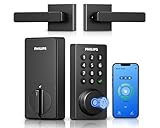
For those of you who are a bit more tech-inclined, or just like the idea of not needing a physical key all the time, smart locks offer another avenue. Many smart locks have keypads or fingerprint scanners on the outside. You punch in your code, or place your finger, and the lock engages or disengages. Some even have a physical key backup, which is a good idea to have in case of battery failure.
The trick here is making sure the mechanism that engages the bolt from the outside is as solid as the one controlled from the inside. I’ve seen some smart locks where the exterior interface feels great, but the internal motor or gearing seems a bit weak.
That’s something to watch out for. It’s not just about having a fancy gadget; it’s about whether that gadget reliably secures your door from the elements and potential prying hands.
The question of ‘are there door locks made to lock from outside’ is more about understanding the type of lock and its intended function. For exterior doors, especially those leading outside your main dwelling (like a garage door leading into the house, or a back door to a patio), you absolutely need a lock designed for that purpose, and that means a proper deadbolt or a well-built smart lock with exterior access.
What to Actually Look for (and What to Avoid Like the Plague)
When you’re shopping for a lock that you can operate from the outside, the first thing you need to get your head around is the concept of a ‘deadbolt’. I know, I know, it sounds obvious, but I’ve seen too many people buy fancy handle sets with integrated locks that have a tiny little keyhole on the outside that’s more decorative than functional. If you want security from the outside, you need a bolt that dies when it’s locked – meaning it doesn’t rely on a spring like a simple doorknob latch.
Look for the ANSI/BHMA grade. This is a standardized rating system for door hardware. Grade 1 is the highest, meaning it’s built for heavy-duty commercial use and should be more than enough for your home. (See Also: Are All The Doors In The House Locked Story )
Grade 2 is decent for residential, and Grade 3 is pretty basic. For exterior doors, you should be aiming for at least a Grade 2, but honestly, Grade 1 is worth the extra $20-$30 if you can swing it.
It’s the difference between a lock that feels solid and one that feels like it might bend if you hit it with a hammer. I learned this the hard way when I fitted out my first rental property with Grade 3 locks. The tenants were complaining about them sticking within six months.
Never again.
Pay attention to the bolt itself. Is it solid metal, or is it hollow? A solid steel bolt that extends at least an inch into the strike plate on the door frame is what you want.
Some cheap locks have a bolt that looks beefy but is actually made of a softer metal or even has a hollow core. Give it a wiggle if you can in the store. If it feels flimsy, walk away. The strike plate – that metal piece screwed into your door frame – also matters.
It should be long and reinforced, ideally with screws that go all the way into the wall studs. A weak strike plate is like having a great lock on a flimsy door frame; it’s pointless.
Here’s a little table I put together based on my own frustrations and experiences. It’s not exhaustive, but it covers the main points:
| Feature | What to Look For | What to Avoid | My Verdict |
|---|---|---|---|
| Lock Type | Deadbolt (single cylinder or smart lock with exterior access) | Spring latch integrated into doorknob only, flimsy hardware | Deadbolts are a must for exterior security. |
| ANSI/BHMA Grade | Grade 1 or Grade 2 | Grade 3 (unless it’s a very low-security internal door) | Higher grade means better durability and security. Worth the spend. |
| Bolt Material & Throw | Solid steel, at least 1-inch throw | Hollow core, soft metal, less than 1-inch throw | A long, strong bolt makes it much harder to kick in. |
| Strike Plate | Reinforced, long screws into studs | Small, short screws, thin metal | The weakest link is the frame, so reinforce it. |
| Keyway (for non-smart locks) | Reputable brands known for pick resistance (e.g., Schlage, Kwikset with SmartKey) | Generic, no-name brands, easily picked keyways | Don’t make it easy for thieves to pick your lock. |
The contrarian take? Some folks will tell you that a fancy, high-security lock with a complex key mechanism is overkill for a residential door. They argue that most break-ins are crimes of opportunity, and a visible deadbolt is deterrent enough. While I agree that a visible deadbolt is a deterrent, I disagree that you should skimp on quality. The difference in price between a cheap lock and a decent one is minuscule compared to the peace of mind and actual security a better lock provides. Think of it as buying insurance for your home. You wouldn’t buy the cheapest car insurance, would you? Same logic applies here.
Common Mistakes People Make (and How to Avoid Them)
One of the biggest blunders I’ve seen, and frankly, one I’ve made myself in my younger, more frugal days, is assuming that ‘locking’ means ‘secure’. I once installed a brand-new deadbolt on my back porch door. It looked great, had a shiny keyhole on the outside, and a nice big thumbturn on the inside.
I felt pretty smug about it. Fast forward a few months, and I noticed the bolt itself felt a bit loose. Come to find out, the previous owner had installed a door with a slightly warped frame, and the deadbolt wasn’t engaging properly.
It was locking, in the sense that the mechanism turned, but the bolt wasn’t seating fully into the strike plate. This meant a strong shove could easily pop it open.
I was basically locking an opened door.
Another common pitfall is the ‘one size fits all’ mentality. People often buy a lock without considering the specific door and frame they’re installing it on. Is your door solid wood, or is it hollow-core? A hollow-core door is inherently less secure, and even the best deadbolt won’t make it impenetrable. Likewise, is your door frame solid and sturdy, or is it made of flimsy wood that’s starting to rot? If the frame is weak, the lock’s effectiveness is severely compromised. I’ve spent more time reinforcing door frames with extra wood and longer screws than I care to admit, all because I didn’t assess the whole system before picking a lock. (See Also: Are Car Door Locks Easy To Fix )
Then there’s the issue of exterior accessibility versus interior convenience. Many older homes or budget-friendly locks might have a keyhole on the outside but it’s a very basic cylinder that’s easy to pick. Or, worse, the exterior ‘keyhole’ is actually a small slot that’s designed to be pried open easily with a screwdriver if the lock is only partially engaged. When you’re looking for locks designed to lock from the outside, you need to make sure that the exterior operation is as secure as the interior. This means a high-quality key cylinder, a solid bolt, and proper installation. Don’t just look at the shiny exterior; examine the whole mechanism.
Here’s a little process I follow now, which has saved me a lot of grief:
- Assess your door and frame: Is it solid? Is the frame sturdy? Are there any signs of rot or weakness?
- Identify your needs: Are you looking for basic security, or something more solid? Do you want a key override for a smart lock?
- Choose the right lock type: For exterior doors, a deadbolt or a smart lock with exterior access is key. Avoid basic spring latches for primary security.
- Check the ANSI/BHMA grade: Aim for Grade 1 or 2. This is a important indicator of quality.
- Inspect the hardware: Look for solid steel bolts, a decent throw length, and a reinforced strike plate.
- Consider installation: Make sure you have the right tools and understand how to properly install the lock and reinforce the frame if necessary.
One mistake that often gets overlooked is the key itself. If you’re getting a new deadbolt, especially a high-security one, make sure the keys are easy to get duplicates of. I once had a really fancy, expensive lock, and getting extra keys made cost me an arm and a leg and took weeks. For a standard exterior door lock, this is not a big deal, but it’s something to be aware of. Simplicity and practicality often win out.
Real-World Use Cases: When Do You Actually Need This?
So, when do you really need a door lock that you can operate from the outside? It’s more common than you might think. The most obvious scenario is your front door. You walk out, you lock it behind you with your key. Done. But let’s dig a bit deeper into those less-obvious spots.
Think about a back door leading to your garden, patio, or a side yard. Maybe you’ve got kids who play outside and you want to be able to secure that door from the outside when they’re out there but you’re inside doing chores. Or perhaps you have a detached garage. Most people have a door from the garage into the house, and that door absolutely needs to be a strong deadbolt that can be locked from both sides. If your garage door is your primary entry point, you’ll want an exterior-operable lock there too.
Another situation is a rental property. As a landlord, you might want to be able to secure a unit from the outside if a tenant leaves unexpectedly or if there’s an issue. While this often involves changing the entire lock cylinder, the principle remains: you need to be able to lock it from the exterior. I’ve dealt with situations where a tenant left without returning keys, and being able to lock the place from the outside using a standard key override was a lifesaver. It prevented needing to break in or force entry.
Consider your storm doors or screen doors. While these aren’t typically your primary security, some have integrated locking mechanisms. You might want to lock your main door and then use the storm door’s lock as an extra layer of security or a way to keep it from blowing open in the wind. The key here is that these locks still need to be operable from the outside if you’re locking up your main door from the outside.
Let’s not forget about sheds or outbuildings that contain valuable tools or equipment. While you might not be living in them, you certainly want to be able to lock them securely from the outside when you leave. Many basic padlocks can be locked without a key (you just flip the shackle), but a proper padlock with a keyhole on both sides, or a built-in hasp that can be secured with a key, is a far better option. I once had a gardening shed broken into, and the cheap padlock I used was cut with bolt cutters in about 30 seconds. Upgrading to a hardened steel padlock that I could lock from the outside was a simple but effective change.
Finally, think about accessibility for guests or service providers. If you have a vacation rental or a place where you occasionally need to grant access to someone without being present, a smart lock with a temporary code or a deadbolt with a spare key hidden securely (though I’m not a huge fan of hidden keys) or accessible by a trusted neighbor becomes key. The ability to lock and open from the outside with a key or code is the core function that makes these scenarios work. So, yes, are there door locks made to lock from outside? Absolutely, and they are vital for securing various parts of your property.
Smart Locks: The Modern Way to Lock From the Outside
Alright, let’s talk smart locks. These have really changed the game when it comes to operating locks from the outside. Forget fumbling for keys in your pocket or purse; with a smart lock, you can often get in with just a few taps on a keypad, a scan of your fingerprint, or even just your phone being nearby. This is a huge convenience, especially when your hands are full or you’re juggling groceries.
The most common type of smart lock that allows exterior locking is the keypad or touchscreen model. You program in a unique code for yourself, family members, or even temporary codes for guests or service people. When you leave, you simply punch in your code and hit a ‘lock’ button, and the deadbolt retracts or extends. It’s incredibly satisfying to hear that solid ‘clunk’ of the bolt engaging after you’ve closed the door behind you, all without a key.
Fingerprint scanners are another popular feature. These are even faster. You place your registered finger on the sensor, and if it recognizes you, the lock disengages. Again, you can usually lock it with a button press or by simply closing the door and activating the auto-lock feature. I’ve found these to be surprisingly reliable, even with slightly damp or cold fingers, though extreme conditions can sometimes be an issue.
Many smart locks also offer a physical key override. This is a really important feature to consider. What happens if your smart lock’s batteries die? Or if there’s an electronic glitch? Having a traditional keyhole means you can still get into your home. My advice is to always test this key function regularly, just to make sure it works smoothly. I had a situation once where the battery died on a smart lock, and when I tried to use the backup key, the lock mechanism was stiff and wouldn’t turn easily. It took some serious jiggling to get it open. Not ideal when you’re standing in the rain! (See Also: Are Key Code Door Locks Safe )
When you’re looking at smart locks for exterior use, you need to consider a few things beyond just the fancy tech. Firstly, build quality. Just because it’s ‘smart’ doesn’t mean it’s strong. Look for sturdy metal construction, a solid bolt, and a reliable mechanism. Many brands offer weather-resistant models, which is important for locks exposed to the elements. Secondly, connectivity. Do you want it to integrate with your smart home system (like Alexa or Google Home)? Do you need remote locking/opening capabilities via an app? This often requires a Wi-Fi bridge or hub.
The biggest myth about smart locks is that they are inherently less secure than traditional locks. This isn’t true, provided you buy from reputable brands and keep the firmware updated. The weak points are more often related to installation errors or poor user practices (like sharing codes too easily) rather than the technology itself. The convenience of locking and opening from the outside with a code or fingerprint is a massive upgrade for many people. It’s a practical application of technology that addresses a very real need.
Practical Tips for Installing and Using Exterior Locks
Getting a lock that operates from the outside is only half the battle; the other half is making sure it’s installed correctly and you’re using it effectively. I’ve seen too many DIY installations that looked ‘good enough’ but were fundamentally flawed, leaving the door less secure than before. So, let’s talk practicalities.
First off, read the instructions. I know, I know, it sounds patronizing, but seriously, manufacturers put those diagrams and steps there for a reason. Different locks have slightly different requirements, especially when it comes to the depth of the hole you need to drill, the orientation of the bolt, and how the strike plate aligns with the door frame. Take your time. Measure twice, cut once, as the old saying goes. I once rushed an installation and ended up drilling the main hole slightly off-center, which meant the bolt didn’t align perfectly with the strike plate. It worked, but it felt stiff, and I knew it was a potential failure point.
When installing a deadbolt, pay extra attention to the strike plate. This is the metal plate on the door frame that the bolt slides into. It’s often the weakest point of the whole system if it’s not secured properly. The screws that come with most locks are usually pretty short. For an exterior door, especially one that might face any kind of stress, you want those screws to go deep into the solid wood of the frame, ideally into the studs of the wall. I always buy longer, heavier-duty screws (like 3-inch wood screws) specifically for the strike plate. It makes a world of difference in how secure the door feels. It’s a cheap upgrade that offers significant security benefits.
If you’re installing a smart lock, the battery situation is most important. Always use fresh, high-quality batteries. Don’t skimp here. And make sure you know where the manual override key is and that it works. Test the auto-lock feature regularly. I have my main exterior deadbolt set to auto-lock after 30 seconds. It’s a minor annoyance to have to open it if I’m just stepping out for a moment, but it’s a huge peace of mind knowing that if I forget, the door is secured automatically. It’s a small habit that prevents a potentially big problem.
Another tip, especially for older doors that might have sagged or warped over time, is to check the alignment of the bolt with the strike plate before you fully tighten everything. You might need to slightly adjust the position of the strike plate or even file the opening a little to allow the bolt to slide in smoothly without forcing. A lock that binds when you operate it from the outside is not only annoying, but it’s also more prone to failure or being jammed. I’ve had to do this on several older properties, and it’s usually a quick fix with a file or a repositioning of the strike plate.
Finally, consider who has access to your keys or codes. For exterior door locks, this is obviously important. If you’re using a smart lock, change the default codes immediately. If you’re giving a physical key to someone, make sure it’s someone you trust implicitly. I learned this the hard way when a spare key I gave to a ‘friend’ ended up being used for something less than friendly. It’s a basic security principle, but it’s amplified when you’re talking about locks that operate from the outside and can be accessed by anyone with the correct key or code.
Can I Install a Lock on My Exterior Door That Locks From the Outside?
Yes, absolutely. This is a standard feature for most exterior deadbolts and many smart locks designed for entry doors. The key is to choose a lock specifically built for exterior use, making sure it has a functional key cylinder or access method on the outside and a solid bolt mechanism that engages securely into the door frame.
Are All Deadbolts Lockable From the Outside?
The vast majority of deadbolts designed for exterior doors are lockable from the outside using a key. The primary function of an exterior deadbolt is to provide security when you leave your home. While some very basic or interior-only deadbolts might not have an exterior keyhole, standard residential deadbolts almost always do. The convenience of locking from the outside is a fundamental design element.
What’s the Difference Between a Lockable Deadbolt and a Standard Doorknob Lock?
A standard doorknob lock typically uses a spring latch that automatically retracts when the door opens and engages when closed. It can usually be locked from the inside with a button or turn knob. While some doorknobs have a keyhole on the outside, these are often for emergency access and don’t offer the same level of security as a deadbolt. A deadbolt, on the other hand, uses a solid bolt that is manually extended or retracted, either by a key from the outside or a thumbturn from the inside, and it does not rely on a spring for security.
Do Smart Locks That Lock From the Outside Require Wi-Fi?
Not all smart locks require Wi-Fi to lock from the outside. Many use Bluetooth or a direct connection to your smartphone for basic functions like locking and opening via an app. However, if you want to control the lock remotely (e.g., lock it from work) or integrate it with other smart home devices, you’ll typically need a Wi-Fi bridge or the lock itself to have Wi-Fi capabilities. Keypad and fingerprint entry usually work independently of Wi-Fi.
Final Thoughts
So, to put it plainly: yes, there are door locks made to lock from outside, and they’re not some niche product for secret agents. They’re the standard for securing your home. For too long, I and likely many others, have assumed that a lock was just a lock. But understanding the difference between a spring latch and a deadbolt, and making sure the hardware is built to last, makes all the difference in the world.
Don’t get caught out by flimsy hardware or poor installation. Whether you’re going with a classic deadbolt or a modern smart lock, do your homework. Check those grades, reinforce that frame, and make sure you can actually operate it smoothly from the outside. It’s the simplest way to add a significant layer of security to your property.
Next time you’re looking at your doors, take a good, honest look at the locks. Are they doing their job, or are they just taking up space? It’s worth the effort to get it right.