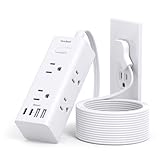
I remember sweating buckets trying to run a string of fairy lights across my backyard last summer. The indoor extension cord I’d grudgingly grabbed from the garage was starting to look a bit… sad. Frayed edges, a weird plasticky smell when it got warm. It was a minor disaster waiting to happen. So, to answer the question you’re probably asking yourself: are there outdoor extension cords? Absolutely. And they aren’t just a suggestion; they’re a necessity if you don’t want to risk a fire or, at best, a fried piece of equipment.
Using the wrong cord outside is like bringing a butter knife to a boxing match. It’s not built for the job, and it’s going to fail spectacularly. We’re talking about sun, rain, dirt, maybe even a rogue squirrel with a taste for plastic.
So, if you’ve ever found yourself wondering if that regular cord tucked away in your closet can brave the elements, stick around. We’re going to break down what makes an outdoor extension cord different and why investing in the right one is a no-brainer.
Why Your Indoor Cord Is a Fire Hazard Outside
Let’s get this straight right from the jump: if you’re planning on running power to anything outside your house – your patio lights, your power tools for that weekend project, your inflatable holiday decorations – and you’re thinking of just grabbing any old cord from the junk drawer, stop. Seriously, just stop.
The question ‘are there outdoor extension cords’ is met with a resounding YES, and there’s a very good reason for that. Indoor extension cords are built for controlled environments. Think dry, temperate living rooms, offices, maybe a garage if you’re lucky. They’re made of thinner insulation that can crack and degrade when exposed to UV rays from the sun, moisture from rain or dew, and drastic temperature swings.
This degradation isn’t just cosmetic; it exposes the copper wiring inside, which is a direct path to a short circuit, a fire, or a nasty electrical shock. I learned this the hard way trying to power a portable air conditioner on my screened-in porch one sweltering July. The cord, clearly an indoor model, started to get warm, then alarmingly hot. I unplugged it, only to find the plastic casing was warped and smelled like burning.
That was the last time I risked it. Outdoor cords, on the other hand, are designed to take a beating.
They use thicker, more solid insulation materials that are specifically formulated to withstand the elements. This typically includes UV inhibitors to prevent sun damage, water-resistant coatings to keep moisture out, and flexible materials that won’t turn brittle and crack in colder temperatures. They’re also generally made with heavier gauge wiring to handle the higher power demands often associated with outdoor equipment and longer runs.
Think of it like wearing a raincoat and boots versus a t-shirt and shorts when a storm rolls in. One is built for the conditions; the other is just asking for trouble.
The Gauge of the Matter: What ‘gauge’ Actually Means
Alright, let’s talk numbers. When you’re looking at extension cords, especially outdoor ones, you’ll see a gauge number, like 16/3, 14/3, or 12/3.
This number is super important, and frankly, most people gloss over it. The first number (16, 14, 12) refers to the thickness of the wire inside the cord.
The higher the number, the thinner the wire. Think of it like pipes: a smaller gauge pipe can carry more water at higher pressure than a larger gauge pipe.
So, a 12-gauge cord has thicker wires than a 14-gauge cord, which has thicker wires than a 16-gauge cord. Thicker wires mean less electrical resistance.
Less resistance means less heat generated, which is obviously good for safety and efficiency. It also means the cord can handle more amperage (current) and wattage (power).
The second number (the ‘/3’) indicates the number of conductors inside the cord. For outdoor use, you almost always want a 3-prong cord. That third prong is the ground wire, and it’s a important safety feature, especially outside where moisture can create electrical hazards. It provides a path for electricity to safely flow to the ground if there’s a fault, preventing shocks.
So, when you see ’14/3 SJTW’, the ’14’ is the gauge, and the ‘3’ means it has three conductors (hot, neutral, and ground). SJTW stands for the type of insulation – ‘S’ for hard service, ‘J’ for junior (meaning it’s a bit lighter duty than ‘S’ but still tough), ‘T’ for thermoplastic, and ‘W’ for weather-resistant.
My first foray into decent outdoor cords involved a set of 16-gauge cords for some Christmas lights. They worked, but when I needed to power a leaf blower, they got noticeably warm. Upgrading to 14-gauge made a world of difference. (See Also: Can Extension Cords Short Out )
For anything with a motor or that draws significant power, like power tools, pumps, or even higher wattage holiday lights, you’ll want to aim for 14-gauge or even 12-gauge for longer runs or demanding tools. Don’t skimp here. A thinner gauge cord used for a high-draw appliance is a recipe for overheating and potential failure.
Decoding the Jargon: What to Actually Look For
Okay, so you’ve decided you need an actual outdoor cord. Now what?
This is where the labels get a bit confusing, but it’s worth decoding. First, the obvious: it needs to be rated for outdoor use.
Look for labels like ‘Outdoor Use’, ‘All-Weather’, or symbols that indicate water resistance and UV protection. The insulation type is key.
You’ll see designations like SJTW, STW, or UF. SJTW (as we discussed) is a good all-around choice for moderate use. STW (Service, Thermoplastic, Weather-resistant) is generally a bit more heavy-duty than SJTW.
UF (Underground Feeder) is designed for direct burial, so it’s super tough and waterproof, but often more expensive and less flexible, making it overkill for just plugging in your mower. Unless you’re burying it permanently, stick with SJTW or STW.
The length is another no-brainer, but don’t buy a 100-foot cord if you only need 20. Longer cords inherently have more resistance, meaning more power loss, especially if they’re thinner gauge.
Always get the shortest length that comfortably reaches your destination. Color can matter too. Bright colors like orange or yellow are good for visibility, helping you and others see the cord and avoid tripping.
For a more subtle look, green or black might be preferred, but make sure you don’t sacrifice visibility for aesthetics. And as mentioned, always, always go for a 3-prong cord. That ground pin is your best friend when it comes to electrical safety. Finally, consider the plug and receptacle.
Look for ones that feel sturdy and have a good grip. Some higher-end outdoor cords have lighted ends, which can be handy for seeing where you’re plugging in after dark.
I once spent ten minutes fumbling in the dark trying to plug in my garden pump, only to realize the end of the cord was pitch black. A simple lighted plug would have saved me that hassle.
It’s a small detail, but these things add up.
Beyond the Lights: Where Outdoor Extension Cords Are Your Best Friend
So, you know they exist, you know what to look for, but where do you actually use these things? Pretty much anywhere you need to bring power outside, but here are some prime examples where they aren’t just a convenience, they’re practically mandatory.
Power Tools: This is a big one for DIYers and homeowners. Drills, saws, sanders, hedge trimmers, lawnmowers (electric ones, obviously) – they all need a reliable power source. An outdoor-rated cord makes sure your tool gets consistent power and, more importantly, that you don’t turn your workshop into a fire pit. For tools with motors, especially those that draw a lot of current, you’ll want a heavier gauge like 14 or even 12-gauge for longer runs.
Holiday Lighting & Decorations: Whether it’s a massive inflatable Santa or a subtle string of fairy lights, powering them safely outdoors is most important. Indoor cords can become brittle in the cold, crack, and pose a fire risk when overloaded with multiple strings. Outdoor cords are designed to handle temperature fluctuations and the moisture from dew or light rain.
Outdoor Appliances: Think patio heaters, portable refrigerators, water pumps for fountains or small ponds, or even an outdoor TV setup. These appliances draw consistent power and are exposed to the elements. Using a cord not rated for outdoor use is asking for trouble, potentially damaging the appliance and creating a safety hazard. (See Also: Can Extension Cords Be Use With Electric Heaters )
Garden & Landscape Lighting: While low-voltage lighting is common, some setups require standard household current. Running these lights along pathways, flower beds, or trees requires a cord that can withstand being in contact with soil, mulch, and potentially getting stepped on.
Temporary Outdoor Events: Hosting a party, setting up a sound system for a backyard concert, or running power for outdoor catering? You’ll need extension cords that can handle being laid across patios, lawns, or even temporary pathways. Brightly colored, heavy-duty cords are ideal here to prevent tripping hazards and make sure reliability.
Workshops & Garages (Outdoor Attached): If your workshop is an attached garage or a detached shed that isn’t perfectly climate-controlled, and you need to run tools or equipment outside of it, an outdoor extension cord is the sensible choice for the transition. It’s better to have one durable cord than to risk a standard indoor one.
I’ve used my outdoor cords for everything from powering a small electric grill on the deck to running a projector for outdoor movie nights. The peace of mind knowing they’re built for the job is worth every penny.
The Dumb Stuff: What Not to Do with Your Outdoor Cords
Look, we all make mistakes, especially when we’re trying to save a buck or just get the job done quickly. But some mistakes with extension cords can have serious consequences. Here’s what I’ve seen people do, and what I’ve learned from my own blunders.
1. Using Indoor Cords Outdoors: I already hit this one hard, but it bears repeating. It’s the most common and most dangerous mistake. They’re not built for UV, moisture, or temperature swings. Period. My first lesson was a smoking, warped cord. Yours could be worse.
2. Using the Wrong Gauge for the Job: I’ve seen people try to run a big electric mower with a 16-gauge cord. The cord gets hot, the mower struggles, and eventually, something gives. Usually, it’s the cord or the mower’s motor. Always match the gauge to the appliance’s power needs and the length of the run. If in doubt, go thicker (smaller gauge number).
3. Overloading the Cord: Every cord has a maximum wattage or amperage rating. This isn’t a suggestion; it’s a limit. Plugging too many high-draw devices into one cord, or a single device that exceeds the rating, is a fast track to overheating and potential fire. Think of it like trying to cram 10 people into a 5-person car. It’s not going to end well.
4. Running Cords Under Rugs or Through Doorways Improperly: While not strictly an ‘outdoor’ mistake, if you’re running a cord from outside into your house, be mindful. Don’t run it under a rug indoors where it can be pinched or get damaged without you noticing. And if you have to run it under a door, use a cord protector designed for that purpose to prevent the door from crushing the cord. The same applies if you’re running it across a walkway outside – use cord covers or ramps to prevent tripping and damage.
5. Not Inspecting the Cord: Before you plug anything in, give the cord a quick visual inspection. Look for nicks, cuts, frays, or any signs of damage to the insulation. Check the prongs on the plug – are they bent or broken? If it looks suspect, don’t use it. My neighbor once tried to use a cord that had been run over by a car. The insulation was cracked in several places. He figured ‘it’ll be fine.’ It wasn’t. It sparked and nearly caught fire.
6. Storing Them Improperly: Don’t just leave them coiled up in a muddy corner of the yard. When you’re done, clean them off, coil them neatly (avoiding sharp kinks), and store them in a dry place. This extends their life and makes sure they’re ready for use next time.
7. Assuming ‘Heavy Duty’ Means Outdoor: Sometimes, a cord is just labeled ‘heavy duty’ but isn’t actually rated for outdoor use. Always check the specific outdoor rating.
My biggest mistake early on was thinking that if a cord looked thick, it was automatically suitable for outdoor use. That’s just not the case. The material science and the specific ratings are what matter. It’s not just about being tough; it’s about being resilient to specific environmental factors.
Here’s a quick rundown of what to look for in various outdoor extension cords:
| Cord Type/Rating | Typical Use Case | Gauge (Common) | Pros | Cons | My Verdict |
|---|---|---|---|---|---|
| SJTW (3-Prong) | General outdoor power: lights, small appliances, seasonal decor. | 16, 14, 12 | Good flexibility, weather and UV resistant. Widely available. | Can be less durable than STW for very heavy use. |
Solid all-rounder. My go-to for most yard tasks. |
| STW (3-Prong) | Power tools, heavier appliances, demanding seasonal setups. | 14, 12 | More durable and heat resistant than SJTW. Excellent weather resistance. | Can be slightly stiffer in very cold temps than SJTW. |
The step up for serious work. Worth the extra if you push it. (See Also: Are Outdoor Extension Cords 10 Or 12 Gauge ) |
| UF (Underground Feeder) | Direct burial applications, permanent outdoor wiring. | 12, 10 | Extremely waterproof and durable, designed for burial. | Stiff, less flexible, more expensive. Overkill for temporary use. |
Only if you’re burying it. Otherwise, stick to SJTW/STW. |
| Indoor/Outdoor Rated | Covered patios, porches, garages where it’s semi-protected. | 16, 14 | Offers some protection, often more flexible than pure outdoor. | Not as solid as dedicated outdoor cords for full exposure. |
Use with caution. Best for very sheltered areas. |
This covers the main types you’ll encounter. For 90% of people asking ‘are there outdoor extension cords’ and needing them for yard work or holiday lights, SJTW or STW in 14 or 12 gauge will be your sweet spot.
People Also Ask: Getting Your Questions Answered
Can I Use a Regular Extension Cord Outside?
No, you absolutely should not use a regular indoor extension cord outside. Indoor cords are not designed to withstand exposure to moisture, UV rays from the sun, or temperature fluctuations, which can cause the insulation to degrade, crack, and become a serious fire or shock hazard. Always use a cord specifically rated for outdoor use.
What Makes an Extension Cord ‘outdoor Rated’?
An outdoor-rated extension cord uses insulation materials that are specifically formulated to resist damage from sunlight (UV inhibitors), water, and extreme temperatures. They also typically have a thicker, more solid outer jacket. Look for markings like ‘Outdoor,’ ‘All-Weather,’ or specific designations like SJTW or STW on the cord’s packaging or printing.
How Do I Know If an Extension Cord Is Safe for Outdoor Use?
Safety for outdoor use is indicated by specific ratings and markings on the cord itself or its packaging. Look for terms like ‘Outdoor Use,’ ‘All-Weather,’ or codes such as SJTW (Service Junior Thermoplastic Weather-resistant) or STW (Service Thermoplastic Weather-resistant). A 3-prong plug (with a ground pin) is also a important safety feature for outdoor cords.
What Is the Difference Between 14 Gauge and 16 Gauge Outdoor Extension Cords?
The gauge number refers to the thickness of the wire inside the cord; a lower number means a thicker wire. A 14-gauge outdoor extension cord has thicker wires than a 16-gauge cord. Thicker wires can carry more electrical current (amperage) with less resistance, generating less heat. This makes 14-gauge cords more suitable for higher-wattage appliances or longer distances than 16-gauge cords, which are generally better for lighter loads like string lights.
Can I Bury an Outdoor Extension Cord?
Most standard outdoor extension cords (like SJTW or STW) are NOT designed to be buried. If you need to bury a cord permanently, you should look for cords specifically rated for direct burial, often designated as UF (Underground Feeder). These are much more solid and waterproof, but they are also typically stiffer and more expensive.
My Take: Are Some Outdoor Cords Just Overpriced Gimmicks?
Okay, let’s get controversial for a second. Everyone talks about buying the most heavy-duty, reinforced, multi-layered, space-age polymer outdoor extension cord they can find. And yeah, for some applications, like powering a welding machine in a torrential downpour, you probably need that top-tier stuff.
But for most of us – plugging in some patio lights, running a leaf blower, or powering a Christmas tree – the market is flooded with cords that are aggressively marketed as ‘indestructible’ and come with a price tag to match. I’ve seen cords advertised as ‘virtually indestructible’ for over $100 for a 50-foot length. Honestly? That’s often overkill.
My personal philosophy, honed over years of buying and breaking cords, is that a good quality SJTW or STW cord from a reputable brand, in the correct gauge for the job, is perfectly sufficient for 95% of common outdoor needs. You don’t need a cord that can survive a car crash if you’re just plugging in a garden hose timer. The key is understanding the actual requirements of what you’re powering and matching the gauge and cord type to that need, rather than falling for marketing hype. I’ve found excellent 50-foot, 14-gauge SJTW cords for around $25-$30 that have lasted me years of regular use.
Unless you’re working in an industrial setting or need something for permanent underground burial, you probably don’t need to spend $150 on a cord. Focus on the gauge, the insulation type (SJTW/STW), and the number of prongs (always 3 for outdoor). The rest is often just marketing fluff designed to get you to spend more than you need to.
Verdict
So, to circle back to our initial question, are there outdoor extension cords? A thousand times yes. And more importantly, you absolutely need them if you plan on doing anything that involves bringing electricity outside your home’s protected walls. Don’t mess around with indoor cords; the risks are just too high for the small savings you might see. Think about what you need the cord for – the power draw, the distance, and the environmental conditions – and choose accordingly.
My advice? Invest in at least one good quality, properly gauged outdoor extension cord. A 14-gauge, 50-foot SJTW cord is a fantastic all-rounder for most homeowners. Keep it in good condition, and it will serve you reliably for years, preventing electrical hazards and keeping your outdoor projects and decorations powered up safely. It’s one of those purchases where the peace of mind alone is worth the money spent.
Next time you’re tempted to stretch that indoor cord to the patio, remember this conversation. Make the smart, safe choice and grab a cord built for the job. You won’t regret it.