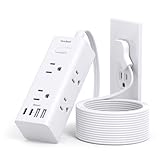
I remember the panic. The power flickered, my trusty old fridge groaned, and I immediately pictured a fridge full of spoiled milk and stinking meat. My first thought wasn’t about circuit breakers or fridge diagnostics; it was, ‘Can a fridge run off an extension cord?’ I’d seen people do it for temporary setups, like backyard parties, but for something as vital as keeping food cold 24/7? It felt like a gamble.
The truth is, while the answer to ‘can a fridge run off an extension cord’ is often yes, it’s a giant ‘it depends.’ Most people jump to the immediate need – plugging it in to save the groceries – without considering the long-term implications or the potential for disaster. I learned this the hard way, and you might too if you’re not careful.
The Real Deal: Extension Cords and Your Fridge’s Lifeblood
Look, I’m not going to sugarcoat it. If you’re asking ‘can a fridge run off an extension cord?’ and you’re thinking about using that dusty, multi-plug beast you found in the garage, you’re setting yourself up for trouble. Refrigerators are power-hungry appliances. They have compressors that kick on and off, drawing a significant amount of electricity, especially during those startup cycles. This isn’t like plugging in a bedside lamp or even a TV. Those things are generally low-draw. A fridge is in a different league.
The primary concern with using an extension cord for a fridge is heat. If the cord isn’t rated for the amperage your fridge needs, or if it’s too long and thin (meaning it has high resistance), it can overheat.
This isn’t just a fire hazard, though it absolutely is that. It can also lead to voltage drop. Think of it like trying to push water through a tiny, kinked hose; the pressure at the end isn’t going to be what it should be.
For a fridge, low voltage means the compressor might struggle to start, or it might run inefficiently, working harder than it needs to. This can shorten its lifespan, lead to premature failure, and, you guessed it, make your electricity bill creep up.
I once tried to get an old garage fridge working with an extension cord because the wall outlet was busted. I grabbed the first cord I could find, a generic outdoor type, maybe 25 feet long.
Within a few hours, I noticed the cord felt warm. Not just ‘a little used’ warm, but ‘holy crap, I need to unplug this now’ warm. The fridge was running, sure, but it was making this weird, strained humming noise.
I unplugged it immediately and spent the next day wrestling with an electrician to get the main outlet fixed. That cord probably cost me $10, but the potential damage and the risk were way, way higher.
Lesson learned: don’t cheap out on cords for important appliances.
Another thing people often overlook is the environment the extension cord is in. If it’s going to be anywhere near moisture – a garage, a basement, or even just a humid kitchen – you need a cord specifically rated for that. Using a standard indoor cord outdoors or in a damp area is a recipe for electrical shock and disaster. Safety first, always. My rule of thumb? If in doubt, don’t plug it in. Get a proper, heavy-duty extension cord designed for the job, or better yet, get the permanent fix sorted.
What to Look for: The Devil Is in the Details
So, you’re in a bind, and you absolutely need to know ‘can a fridge run off an extension cord’ in a pinch, and what kind of cord to even consider. Forget those flimsy, cheap cords you find at a dollar store. They’re not built for the sustained power draw of a refrigerator.
What you need is a heavy-duty, gauge 14 or ideally gauge 12, outdoor-rated extension cord. The gauge refers to the thickness of the wire; the lower the number, the thicker the wire, and the better it is at carrying current with less resistance. Gauge 14 is the absolute minimum you should consider for short runs (under 25 feet) for a standard-sized fridge.
For anything longer, or for larger, more power-hungry refrigerators, gauge 12 is the way to go. It’s thicker, handles more amps, and generates less heat. (See Also: Can Extension Cords Be Thriwn Away )
You also need to check the amperage rating of the extension cord. This is usually printed right on the cord itself or on its packaging. Your refrigerator’s user manual or a sticker on the back of the fridge will tell you its power consumption, usually in amps. The extension cord’s amperage rating must be equal to or greater than your fridge’s amperage requirement. Never, ever use a cord that is rated lower than your appliance. It’s like trying to fit a massive boulder through a tiny pipe; something’s got to give, and it’s usually the cord that melts or starts a fire.
Length is another factor. The longer the extension cord, the more electrical resistance it has. This means more voltage drop and more heat generated. If you can avoid using an extension cord altogether, do it. But if you must, keep it as short as possible. Ideally, you’re looking at something under 25 feet. If you need to run it further than that, a gauge 12 cord becomes almost mandatory to minimize the risks. I’ve seen guys try to run their fridges with 50-foot cords that were way too thin, and it’s just asking for trouble. The fridge either wouldn’t cool properly, or the cord would get so hot you couldn’t touch it.
Here’s a quick rundown of what to look for. This isn’t exhaustive, but it covers the main points:
| Feature | What to Look For | Why it Matters | My Verdict |
|---|---|---|---|
| Wire Gauge | 14 AWG (minimum for short runs), 12 AWG (ideal, especially for longer runs or larger fridges) | Thicker wire means less resistance, less voltage drop, and less heat. | Go thicker. Seriously. No regrets. |
| Amperage Rating | Equal to or greater than the fridge’s needs. Check fridge manual/label. | Prevents overheating and electrical overload. | Don’t guess. Verify. |
| Length | As short as possible, ideally under 25 feet. | Longer cords increase resistance and heat. | Brevity is the soul of safety here. |
| Insulation/Rating | Outdoor-rated, heavy-duty. | Protects against moisture, physical damage, and environmental factors. | Protect your investment (and your house). |
| Plug Type | Single, grounded plug for the fridge. Avoid multi-tap or “octopus” plugs. | Makes sure a stable, dedicated power source and prevents overloading. | Dedicated power is best for a fridge. |
Most people skip the table and just grab whatever looks ‘sturdy enough.’ That’s exactly the kind of thinking that leads to burnt-out compressors or worse. Pay attention to these details; they’re not just arbitrary specs, they’re safety features.
Common Mistakes: What Not to Do
The most common mistake people make when asking ‘can a fridge run off an extension cord’ is thinking all extension cords are created equal. They’re not. That thin, cheap cord you bought for a Christmas light display is not going to cut it for a refrigerator. I’ve seen people try to power appliances with cords that were clearly not meant for the job, and it’s a dangerous gamble. You’re asking that cord to handle a significant, consistent electrical load, and if it’s not designed for it, it’s going to overheat. This is the number one cause of extension cord fires, and a fridge is a particularly risky appliance to experiment with because it runs almost constantly.
Another huge mistake is using a cord that’s too long or too thin. The longer the cord, the more resistance it has. This leads to a phenomenon called voltage drop. Basically, the electricity loses power as it travels down the wire.
If the voltage drops too much, the fridge’s compressor can struggle to start up, or it might run inefficiently. This puts extra strain on the motor, leading to premature wear and tear. I had a friend who used a 50-foot, 16-gauge cord for his spare fridge in the garage.
The fridge ran, but it sounded like it was wheezing, and the food wasn’t as consistently cold as it should have been. He eventually replaced the outlet, but that cord likely shortened the fridge’s life significantly.
People also make the mistake of daisy-chaining extension cords – plugging one into another to get the desired length. This is a massive no-no. Every connection point adds resistance and is a potential failure point. Plus, the total length of the combined cords means even more voltage drop. Stick to a single, continuous cord of the appropriate gauge and length for the job. If you can’t reach the outlet with a single, suitable cord, the real solution is to have an electrician install a new outlet closer to where you need it. It might cost a few hundred bucks, but it’s cheaper than replacing a fridge or dealing with a house fire.
Finally, and this is a big one, people often ignore the environment. Using an indoor-rated extension cord outdoors or in a damp basement is a serious safety hazard. Moisture and electricity are a terrible combination. You need a cord that is specifically designed for the conditions it will be in.
Look for cords that are marked as ‘outdoor-rated’ or ‘heavy-duty’ and have a GFCI (Ground Fault Circuit Interrupter) protection built-in if they’re going to be used in areas where water might be present, like a garage or basement. My brother-in-law once used a regular indoor extension cord to power a small freezer in his detached garage during winter. The temperature fluctuations and humidity were brutal on the cord, and it started to fray. Luckily, it didn’t cause a fire or shock, but it was a clear warning sign that he was playing with fire, literally.
Do I Need a Special Extension Cord for a Refrigerator?
Yes, you absolutely need a heavy-duty, properly gauged extension cord rated for the amperage your refrigerator draws. Standard, light-duty cords are insufficient and can overheat, causing a fire hazard or damaging the fridge’s motor due to voltage drop.
Real-World Use: When ‘temporary’ Becomes ‘permanent’
Let’s talk about when you might actually need to consider ‘can a fridge run off an extension cord’ for more than just a quick fix. Sometimes, life throws you a curveball. Maybe your main kitchen outlet dies, and you need to keep that fridge running while you wait for an electrician. Or perhaps you’ve got a secondary fridge in a garage or basement that isn’t near a convenient outlet. In these situations, using a proper extension cord can be a temporary solution, but it’s important to understand the ‘proper’ part. (See Also: Can Extension Cords Short Out )
I’ve seen folks use heavy-duty extension cords for backup fridges in garages or workshops for years. The key is that they chose the right cord: thick gauge (12 AWG is best), rated for outdoor use (even if it’s in a garage, it protects against workshop grime and potential dampness), and long enough for the job without being excessively so. They also made sure the cord wasn’t kinked, pinched, or lying in puddles. These setups worked, but I always advise people that this is a stopgap, not a permanent fixture. Permanently relying on an extension cord bypasses the safety and reliability of a dedicated circuit.
One situation where people often use extension cords is when they buy a new fridge and have to temporarily place it somewhere else while renovating the kitchen. Or maybe they’re using a secondary fridge in a sunroom during a summer party. In these cases, a good quality, correctly rated extension cord is perfectly fine. The important difference is the duration and the environment. A few days or weeks in a controlled, dry environment with a solid cord is very different from using a cheap cord for months in a damp basement.
The temptation is to just grab the cheapest cord available and plug it in. I get it. It’s about saving money and hassle in the short term. But refrigerators are expensive appliances, and food is expensive too. The cost of a proper extension cord, or even a temporary electrician visit, is often far less than replacing a burnt-out compressor or losing a week’s worth of groceries. I’ve been guilty of trying to cut corners myself, and it usually bites you in the end. Think of that extension cord as a temporary bridge. It’s there to get you from point A (no working outlet) to point B (working outlet), not as the permanent road.
If you’re using a cord long-term, even a heavy-duty one, it’s worth having a professional check it periodically, especially if it’s in a high-traffic area or exposed to the elements. Make sure it’s not frayed, cracked, or showing signs of wear. Also, make sure the plug and receptacle are clean and free of debris. A dedicated circuit for a fridge is always the safest and most reliable option, offering consistent power and reducing electrical stress on the appliance.
Can a Refrigerator Be Plugged Into a Regular Outlet with an Extension Cord?
A refrigerator can be plugged into a regular outlet using an extension cord, but only if that extension cord is heavy-duty, properly gauged (14 AWG minimum, 12 AWG recommended), rated for the fridge’s amperage, and kept as short as possible. Most ‘regular’ extension cords found in homes are not suitable and pose a significant risk of fire or appliance damage.
Safety First: The Unwritten Rules
When it comes to appliances that run 24/7 and hold your perishable food, safety isn’t just a suggestion; it’s most important. The question ‘can a fridge run off an extension cord’ immediately flags a safety concern in my book. The biggest risk, as I’ve hammered home, is fire. Overloaded, under-gauged, or damaged extension cords can overheat to the point of melting their insulation and igniting surrounding materials. Refrigerators, with their motors and compressors, draw a lot of power, especially when they cycle on. This consistent draw is a recipe for disaster if your cord can’t handle it.
Beyond fire, there’s the risk of electrical shock. If an extension cord is damaged, its insulation compromised, or if it’s used in a damp environment without being rated for it, you’re exposing yourself to dangerous levels of electricity. I’ve seen extension cords that looked fine on the outside but had internal damage from being run over by a car or pinched in a door. Always inspect your cords before use. Look for any cuts, nicks, frays, or melted spots. If you see any damage, that cord is trash. No exceptions.
Another safety aspect often overlooked is grounding. Most refrigerators and extension cords are designed with a three-prong plug, including a ground wire. This ground wire is a important safety feature; it provides a path for electricity to flow safely into the ground in the event of a fault, preventing you from getting shocked. Never break off the ground prong on a plug. If an outlet or extension cord only has two slots, it’s not properly grounded, and you should not use it for a refrigerator. The risk is simply too high.
I remember a time when a friend’s fridge in their garage inexplicably stopped working. We checked the breaker, it was fine. Then we noticed the extension cord they were using had a melted, blackened plug. Turns out, the cord was old and cheap, and the constant demand from the fridge had slowly cooked it. The fridge itself was fine, but the cord had failed catastrophically. If that melted plug had ignited something nearby, it could have been a very different, much scarier story. Always err on the side of caution. If a cord looks or smells ‘off,’ don’t use it.
Here’s a simple checklist for safety:
- Inspect the Cord: Check for any signs of damage – cuts, nicks, melting, or frayed wires.
- Verify Gauge and Rating: Make sure it’s heavy-duty (14 or 12 AWG) and rated for the fridge’s amperage and the environment.
- Use a Single Cord: Never daisy-chain extension cords.
- Keep it Dry: Use outdoor-rated cords in damp or wet areas.
- Avoid Pinching: Don’t run cords under rugs, doors, or where they can be crushed.
- Proper Grounding: Always use a three-prong, grounded cord and outlet.
These aren’t just guidelines; they’re the bare minimum for keeping your home and family safe. Treating your fridge’s power supply with respect is a must.
Practical Tips and When to Call a Pro
So, you’ve wrestled with the question ‘can a fridge run off an extension cord,’ you’ve checked the specs, and you’ve decided you really need to use one, at least temporarily. What are the practical steps to make sure you’re not setting yourself up for failure? First, unplug everything. Seriously, turn off the power at the breaker if you’re unsure, then physically unplug the fridge from its current, likely problematic, outlet.
Go out and buy the best quality, heaviest-duty extension cord you can find that meets the criteria we’ve discussed: 12-gauge wire, rated for at least 15 amps (check your fridge manual for exact needs), and preferably no more than 25 feet long. Outdoor-rated is a bonus for any garage or basement use. (See Also: Can Extension Cords Be Use With Electric Heaters )
When you plug it in, make sure the connection is snug at both the wall outlet and the back of the fridge. Avoid letting the cord sag or hang loosely; secure it with zip ties or cord clips if necessary to prevent it from being pulled or kinked.
Don’t bury it under rugs or furniture where it can overheat or become a tripping hazard. Keep it away from any water sources.
If it’s going into a garage or basement, consider using cord covers or raceways to protect it from accidental damage, especially if you park vehicles in there or store things nearby. I always advise people to test the cord’s temperature after a few hours of the fridge running.
If it feels more than slightly warm, unplug it immediately and reassess. It’s your signal that something isn’t right.
Now, let’s talk about when it’s time to throw in the towel and call a professional. If your fridge is constantly tripping its breaker, even when plugged directly into a wall outlet, it’s a sign of a bigger problem. That could be the fridge itself drawing too much power, or the circuit in your home is overloaded. If you’re consistently needing to use an extension cord because the outlets in your home are in inconvenient or non-existent locations, it’s a sign that your home’s electrical system might be outdated or insufficient for your needs. This is a job for an electrician.
I had an older house where the kitchen outlets were few and far between. I initially used a heavy-duty extension cord for my fridge for about six months. It worked fine, but I knew it wasn’t ideal. The hum of the compressor felt louder, and the cord was always a little warm.
Finally, I shelled out about $300 to have an electrician add two new dedicated outlets in the kitchen. It was one of the best home improvement decisions I’ve made. No more extension cords, no more worrying about voltage drop, and the fridge ran quieter and more efficiently. If you’re in a situation where you’re relying on an extension cord for your fridge for more than a few weeks, or if the cord consistently feels hot, it’s time to call an electrician.
They can assess your home’s wiring, install new circuits, and make sure your appliances are powered safely and reliably. It’s an investment in your home’s safety and the longevity of your appliances.
Can I Use a 25-Foot Extension Cord for a Refrigerator?
A 25-foot extension cord can be used for a refrigerator, but it must be a heavy-duty, properly gauged (14 AWG minimum, 12 AWG recommended) cord rated for the refrigerator’s amperage. Shorter cords generally result in less voltage drop and heat, making them preferable. Always inspect the cord for damage before use.
What Happens If You Use a Regular Extension Cord for a Fridge?
Using a regular, light-duty extension cord for a fridge is dangerous. The cord can overheat, melt, and potentially start a fire. It can also cause significant voltage drop, leading to the refrigerator’s compressor struggling to start or running inefficiently, which can damage the appliance and shorten its lifespan. You risk both property damage and personal injury.
Is It Safe to Plug a Fridge Into a Gfci Outlet with an Extension Cord?
Yes, it is safe to plug a fridge into a GFCI outlet with an extension cord, provided the extension cord itself is heavy-duty, properly gauged, and rated for the refrigerator’s power draw. The GFCI outlet adds an extra layer of safety against ground faults, but it doesn’t negate the need for a suitable extension cord. The cord’s specifications are still the primary safety concern.
How Much Power Does a Refrigerator Use?
The power usage of a refrigerator varies significantly by size, age, and efficiency rating. Most modern refrigerators use between 100 and 200 watts when running, but they can draw much more, sometimes up to 1,000-1,500 watts, for a brief moment when the compressor starts. Amperage draw is typically around 3-5 amps for standard models, but can be higher for larger or older units. Always check the appliance’s nameplate or manual for specific power requirements.
Verdict
So, to circle back to the burning question: can a fridge run off an extension cord? The short answer is yes, but it comes with a boatload of caveats. If you’re thinking about it, you absolutely MUST use a heavy-duty, properly gauged cord (12 AWG is ideal, 14 AWG is the minimum), rated for your fridge’s amperage, and kept as short as humanly possible. Think of it as a temporary lifeline, not a permanent solution.
My advice? Avoid it if you can. A dedicated circuit for your refrigerator is the safest, most reliable, and most energy-efficient way to go. If you’re constantly finding yourself in a situation where you need an extension cord for your fridge, it’s a clear signal that it’s time to invest in proper electrical work. Call a qualified electrician. It might cost a few hundred bucks now, but it’ll save you a potential headache, a costly repair, or even a fire down the line.
Don’t let a cheap cord be the weak link in your food preservation chain. Your groceries, your home, and your peace of mind are worth the proper investment.