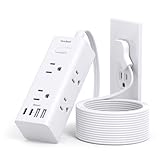
You’re staring at that spaghetti junction of wires behind your bedside table, and you’ve got a question buzzing in your head: can an extension cord damage Android phone site forums androidcentral com? I get it. We all want that extra reach for our chargers, especially when the wall socket is just a little too far away. I’ve been there, juggling multiple devices and needing more outlets. It’s tempting to just plug your phone charger into any old extension cord. But before you do, let’s cut through the noise. It’s not as straightforward as plugging in a lamp.
I’ve seen plenty of folks online wondering the same thing, and the answers are often buried in technical jargon or just plain wrong. The truth is, while a standard extension cord itself isn’t going to fry your phone like a faulty toaster, the way you use it, the quality of the cord, and the charger you connect can absolutely lead to problems. And nobody wants to explain to their bank account why their brand-new phone suddenly decided to take a nap.
Is Your Extension Cord a Phone Hazard? The Real Story
Let’s get this straight from the horse’s mouth: a basic, well-made extension cord is just a conduit for electricity. It’s not some sentient being with a grudge against smartphones. The actual power delivery to your phone happens through your charger (the little brick that plugs into the wall or the extension cord). So, if we’re talking about whether the extension cord itself is actively ‘damaging’ your Android phone, the answer is usually a big fat no. It’s like asking if a pipe can damage the water flowing through it. The pipe just… pipes.
However, this is where the nuance kicks in, and where things can get messy. Imagine that pipe is old, leaky, or clogged. Suddenly, the water quality or pressure could be an issue. The same applies to extension cords.
A cheap, flimsy extension cord might not deliver a stable electrical current. This fluctuating power can be a problem for sensitive electronics like your smartphone.
Think of it like trying to have a serious conversation with someone who keeps stuttering or dropping in and out – your phone’s charging circuitry might get confused, or worse. I once bought a ridiculously cheap extension cord from a discount store, intending to power a small fan.
It felt light, the plastic was thin, and the outlets were loose. Plugged my phone charger into it, and the charging speed was noticeably slower. Then, after a week, the whole thing started smelling faintly of burnt plastic.
That was the last time I trusted anything that cheap for anything other than a basic lamp.
The core issue isn’t usually the extension cord’s intent to harm, but its ability to safely and consistently deliver the power your phone needs. When you’re dealing with sensitive tech, consistency is key. A stable 5 volts (or whatever the USB standard dictates for that charging phase) is what your phone expects. If the extension cord is poorly constructed, has loose internal wiring, or is overloaded, it can cause voltage drops or surges. While modern phones have built-in protections, repeated exposure to unstable power can, over time, degrade battery health or even damage the charging port or internal charging components. It’s not an instant ‘zap,’ but a slow, insidious wear-and-tear. (See Also: Can Extension Cords Short Out )
The Charger Is the Real Culprit (sometimes)
Now, let’s talk about the little brick. Your phone charger, also known as an AC adapter or power brick, is the primary interface between the wall power (or extension cord) and your phone. This is where a lot of the potential for damage actually lies. If you’re using a cheap, unbranded, or counterfeit charger, that’s a much bigger red flag than the extension cord.
These chargers often lack proper safety certifications and internal circuitry designed to regulate power correctly. They might overcharge your phone, deliver inconsistent voltage, or fail to shut off properly when the battery is full, all of which can significantly shorten your battery’s lifespan or cause outright damage.
I’ve heard horror stories, and even seen phones with swollen batteries, directly linked to using dodgy chargers. It’s not worth saving a few bucks when your expensive smartphone is on the line.
When you plug a quality charger into a quality extension cord, you’re generally in a good place. The charger is designed to handle the fluctuations of household current and convert it into the stable DC power your phone needs. The extension cord’s job is simply to get that AC power from the wall to the charger.
However, if the extension cord is faulty – say, its internal wiring is thin and causes a significant voltage drop before it even reaches the charger – the charger might try to compensate. This can sometimes lead to the charger overheating, which is a fire hazard and can also damage the charger itself and potentially the phone it’s connected to. It’s a chain reaction, and a weak link anywhere can cause problems.
A common mistake I see is people plugging multiple high-power devices into a single, cheap extension cord, and then plugging their phone charger into that. Imagine trying to run a microwave, a hair dryer, and a space heater all through a single, undersized extension cord. It’s a recipe for disaster. While your phone charger might not draw a huge amount of power compared to those appliances, an overloaded extension cord can overheat. This heat can transfer to the charger plugged into it, or even melt the plastic around the outlet, posing a fire risk. So, even if the extension cord isn’t directly ‘damaging’ your phone electronically, it can create a hazardous situation that indirectly affects your device and your home.
When Does It Become a Problem? The Edge Cases
So, when can an extension cord damage an Android phone? It’s less about the extension cord itself and more about its condition and the power it’s delivering. Here are the prime suspects:
- Physical Damage: Frayed wires, cracked insulation, bent prongs, or loose outlets on the extension cord are all big no-nos. These create unreliable electrical connections and can expose live wires, which is dangerous for you and your electronics.
- Poor Quality/Low Gauge Wire: Cheaper extension cords often use thinner wires (higher gauge number) than are recommended for the load. This can lead to voltage drop, especially over longer lengths or with higher power draw. Your phone charger might not get the stable voltage it needs, or the charger itself might work harder and overheat.
- Overloading: Plugging too many devices into one extension cord, especially high-draw appliances, can cause the cord to overheat. This heat can affect anything plugged into it, including your phone charger.
- Counterfeit/Uncertified Chargers: As mentioned, using a dodgy charger is a huge risk, regardless of what it’s plugged into.
- Using Extension Cords for Surge Protection (or lack thereof): A basic extension cord does NOT offer surge protection. If a power surge hits your house (from a lightning strike or grid fluctuation), it can travel through the extension cord and fry your phone charger and potentially your phone. You need a surge protector, which is a different beast.
I learned this the hard way when a storm knocked out power and then it came back with a surge. My cheap power strip (which was basically an extension cord with multiple outlets) didn’t have surge protection. It smoked, and my laptop charger, which was plugged in, was toast. The laptop itself survived, thankfully, but that was pure luck. It hammered home the difference between a simple cord and a protective strip. Always check the label for UL listing or equivalent safety certifications; it’s a small indicator of a more reputable manufacturer. (See Also: Can Extension Cords Be Use With Electric Heaters )
Myths vs. Reality: What the Forums Get Wrong
One of the biggest myths I see bandied about is that any extension cord will automatically damage your phone if it’s not a specific ‘charging’ extension cord. This is largely bunk. The market has flooded with cords marketed specifically for charging phones, often with built-in USB ports or fancy LED lights. While some might be well-made, the core principle remains: your phone charges via its dedicated charger, which plugs into the wall socket or an extension cord. The extension cord’s job is to bridge the gap. You don’t need a special ‘phone extension cord’ unless it offers features you genuinely need, like integrated USB ports that are certified and reliable.
Another common misconception is that longer extension cords are inherently worse. While a very long, thin cord will experience more voltage drop than a short, thick one, the quality of the wire gauge is more important than the length itself for typical home use.
If you need a 25-foot cord to reach your desk, but you buy one with an appropriate gauge (thicker wire) and a reputable brand, it’s likely going to be fine. Conversely, a 3-foot cord made with razor-thin wires from a no-name brand could still cause issues. I’ve used extension cords that are 15-20 feet long for my home office setup for years without a single issue, because I invested in decent quality ones with the right gauge for the job. They’ve powered everything from my monitor to my phone charger, and all my devices have been perfectly happy.
Everyone says you should only use the charger that came with your phone. I disagree, mostly. While the original charger is always the safest bet because the manufacturer designed it specifically for their device, there are plenty of reputable third-party chargers out there that are just as good, if not better. Brands like Anker, Belkin, and Aukey (though Aukey has had some issues recently with Amazon) have been making high-quality charging accessories for years. The key is to stick with known brands that have good reviews and safety certifications. Avoid the dollar-store specials. The danger isn’t the third-party aspect; it’s the lack of quality control and safety features in cheap knock-offs.
Practical Tips: How to Use Extension Cords Safely with Your Android
Alright, enough doom and gloom. You can use extension cords with your Android phone, and often you need to. Here’s how to do it right:
- Inspect Your Extension Cord: Before plugging anything in, give it a good once-over. Look for any signs of wear and tear: frayed wires, cracked insulation, bent or loose prongs, or scorch marks. If it looks suspect, toss it. Seriously, it’s not worth the risk.
- Check the Gauge: For general use with chargers and small electronics, a 16-gauge cord is usually sufficient. If you’re powering higher-draw devices alongside your phone charger, or using a very long cord, consider an even thicker 14-gauge cord. The gauge is usually printed on the cord itself. Lower number = thicker wire.
- Use a Reputable Brand: Stick to well-known brands that have a track record for quality and safety. Look for certifications like UL, ETL, or CSA. These indicate that the product has met certain safety standards.
- Don’t Overload It: Be mindful of what else is plugged into the same extension cord. Avoid daisy-chaining extension cords (plugging one into another). Keep high-draw appliances on their own circuits or heavy-duty power strips.
- Use a Surge Protector: If you’re concerned about power surges or lightning strikes, use a surge protector instead of a basic extension cord. A good surge protector has built-in circuitry to absorb excess voltage and protect your connected devices.
- Pair with a Quality Charger: Always use a certified, reputable charger for your Android phone. If you’re not using the original, opt for brands known for reliability.
I’ve personally found that investing in a few good quality surge protector power strips from brands like APC or Belkin has been one of the smartest moves for my tech setup. They offer multiple outlets, surge protection, and some even have USB ports that are actually decent. They cost more upfront, but the peace of mind and protection they offer for my expensive gadgets is well worth it. It’s a simple upgrade that saves a lot of potential headaches.
Extension Cord vs. Surge Protector vs. Power Strip: What’s What?
It’s easy to lump these all together, but they’re different beasts, and understanding the difference is key to keeping your Android phone safe. Here’s a quick breakdown:
| Type | Primary Function | Pros | Cons | Verdict for Phone Charging |
|---|---|---|---|---|
| Basic Extension Cord | Extends reach of an existing outlet. | Simple, inexpensive, widely available. | No surge protection, can be low quality, potential for voltage drop if thin/long. | Generally okay IF high quality, used for single charger, and NOT overloaded. Still lacks protection. |
| Power Strip | Provides multiple outlets from one wall socket. | More outlets, convenient for multiple devices. | Basic ones lack surge protection. Quality varies wildly. | Similar to extension cords – okay if quality is good and load is reasonable, but no protection. |
| Surge Protector | Protects connected devices from power surges and spikes. | Key protection against electrical damage from surges. Often includes multiple outlets and USB ports. | More expensive than basic cords/strips. Protection level (joule rating) varies. Not a lightning arrestor. | Highly recommended. Offers the best protection for your phone charger and phone against electrical anomalies. |
People often think a power strip is the same as a surge protector, but this is a important mistake. A power strip just gives you more places to plug things in. A surge protector has extra components (like Metal Oxide Varistors – MOVs) that sacrifice themselves to absorb voltage spikes before they reach your devices. When you see that little surge protection indicator light go out on an older surge protector, it means it’s done its job and is no longer protecting you. Time for a new one! (See Also: Are Outdoor Extension Cords 10 Or 12 Gauge )
Can I Plug My Android Phone Charger Into a Surge Protector?
Yes, absolutely. In fact, it’s highly recommended. A surge protector is designed to safeguard electronics from sudden electrical spikes, which can occur due to power outages, storms, or even fluctuations within your home’s electrical system. Using a quality surge protector with your phone charger is one of the best ways to prevent damage that could otherwise occur from an unstable power supply.
What Is the Recommended Wire Gauge for an Extension Cord?
For charging phones and other low-power electronics, a 16-gauge (AWG) extension cord is usually sufficient. If you need a longer cord (over 25 feet) or plan to plug in devices that draw more power, consider a thicker 14-gauge cord. Lower gauge numbers mean thicker wires, which handle more current with less voltage drop and less heat buildup. Always check the cord’s packaging or printing for its gauge rating.
Are Extension Cords Safe for Charging Sensitive Electronics Like Smartphones?
They can be, but safety depends heavily on the quality of the extension cord and how it’s used. A damaged, low-quality, or overloaded extension cord can lead to inconsistent power delivery, overheating, or even a fire hazard. For sensitive electronics like smartphones, it’s always best to use a high-quality, certified extension cord or, ideally, a surge protector.
Should I Use a Specific Charging Extension Cord for My Android Phone?
Not necessarily. While some “charging extension cords” exist, often with integrated USB ports, they aren’t inherently safer or better than a standard, high-quality extension cord plugged into a certified charger. The most important factors are the quality of the extension cord, the charger, and avoiding overloading the circuit. Focus on reputable brands and safety certifications rather than special marketing terms.
How Can I Tell If an Extension Cord Is Bad?
Visually inspect it for frayed wires, cracked or melted insulation, bent or loose prongs on the plug or outlets, and scorch marks. If you notice any unusual smells (like burning plastic) when it’s plugged in, or if outlets feel loose, the cord is likely bad and should be discarded immediately. It’s better to be safe than sorry when it comes to electrical safety.
Verdict
So, to circle back to that burning question: can an extension cord damage an Android phone? The short answer is: it’s not the cord’s direct malicious intent, but its potential to deliver unstable power, overheat, or fail to protect against surges. A shoddy extension cord, paired with a decent charger, can still cause issues. A high-quality cord, especially one integrated into a surge protector, is generally safe for powering your phone charger. The real danger often lies in the combination of cheap components, improper use, and a lack of basic protective measures.
My advice? Don’t skimp on your power delivery. For anything more than just plugging in a basic lamp, I lean towards surge protectors. They cost a bit more, sure, but the peace of mind and the protection they offer for your tech is a no-brainer. Think of it as insurance for your smartphone. You wouldn’t leave your car opened in a bad neighborhood, right? Treat your phone’s power source with similar respect.
Ultimately, while the extension cord itself is unlikely to be the direct villain, it can be a important weak link in the chain. Make sure your cords are in good condition, rated appropriately, and ideally, connected to a surge protector. And for goodness sake, ditch those no-name chargers. Your Android phone will thank you. The next time you’re untangling that mess, take an extra minute to inspect your gear.