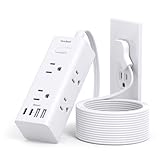
I remember a particularly brutal winter a few years back. My old apartment’s heating decided to take a permanent vacation, leaving me shivering under three blankets and contemplating thawing my toes with the oven (bad idea, by the way). My last resort was a hefty ceramic heater, but the only outlet was across the room. Cue the frantic search for an extension cord. Can electric heaters be plugged into extension cords? It feels like a no-brainer, right? But as I learned, it’s a lot more complicated than just plugging something in. Get it wrong, and you’re not just looking at a weak heater; you’re looking at a potential fire hazard. Nobody wants that.
This isn’t about theoretical physics; it’s about practical, real-world application. We’ve all been there, staring at a heater and a cord, wondering if the two will play nice. Let’s break down what you need to know before you go plugging that powerful appliance into something that might not be up to the task.
The Real Deal on Extension Cords and High-Wattage Appliances
Let’s cut to the chase: Can electric heaters be plugged into extension cords? The short answer is yes, but with HUGE caveats. Most portable electric heaters, especially the powerful ones that actually make a difference in a cold room, draw a lot of power. We’re talking 1500 watts, sometimes more. This isn’t like plugging in a lamp or a phone charger. These things are power hungry. When an appliance draws a lot of current (amperage), the extension cord has to be able to handle it without overheating. Think of it like trying to push a massive amount of water through a tiny garden hose – eventually, something’s going to burst, or at the very least, get dangerously hot.
The real problem isn’t just the length of the cord; it’s the gauge of the wire inside. Thicker wires (lower gauge number) can carry more current safely. A cheap, thin extension cord designed for a Christmas light display is a recipe for disaster when you hook up a space heater.
It’ll heat up, melt its insulation, and can easily start a fire. I learned this the hard way trying to power a small heater in my garage with an old, dusty cord I found in the back of a closet.
Within an hour, the cord was warm to the touch, and the heater wasn’t even performing at its best. I unplugged it, terrified I’d dodged a bullet. That’s when I realized that not all extension cords are created equal, especially when it comes to high-wattage devices like electric heaters.
The National Electrical Code (NEC) has guidelines for these things, but for us regular folks just trying to stay warm, it boils down to this: if you must use an extension cord for an electric heater, it needs to be heavy-duty. Look for cords specifically rated for outdoor use or for appliances that draw significant power. They’ll have thicker insulation and thicker internal wires. The packaging will usually tell you the maximum wattage or amperage it can handle.
Always, always check that rating and make sure it’s significantly higher than what your heater is pulling. Aim for a cord that can handle at least 1800 watts, even if your heater is rated at 1500 watts. That gives you a buffer, and buffers are good when dealing with heat and electricity.
What to Look for in an Extension Cord (if You Absolutely Must Use One)
Okay, so you’ve got your heater, and you’ve realized the outlet situation is less than ideal. You’re looking at extension cords.
What makes one cord safe for your space heater and another a ticking time bomb? It’s all about the specs.
Forget the brightly colored cords meant for temporary outdoor lighting or light-duty indoor appliances. You need something built to last and to handle serious electrical load. The most important thing to look for is the wire gauge. (See Also: Can Extension Cords Be Thriwn Away )
Extension cords are rated by gauge number, and the lower the number, the thicker the wire. For a 1500-watt heater, you’re generally looking at a 12-gauge cord if it’s longer than 25 feet, and maybe a 14-gauge if it’s shorter than that. However, I’d generally lean towards 12-gauge for any significant distance, just to be safe.
It’s overkill for some things, but with a heater, overkill is the name of the game.
Next, check the amperage rating. Most household circuits are 15 amps, and heaters often draw around 12-13 amps at full blast. An extension cord needs to be rated for at least that, and ideally, more. A 13-amp cord might seem fine, but add in a little resistance from the cord itself, especially if it’s long, and you can exceed its safe operating limit. Look for cords rated for 15 amps or even 20 amps. This is where the wire gauge comes into play – a thicker wire (lower gauge) can handle more amps.
Another factor is the cord’s construction. Is it a solid, heavy-duty rubber casing, or is it thin, brittle plastic? The cord should feel substantial. It should also be designed for the environment you’re using it in. If you’re in a workshop or garage, an outdoor-rated cord with a solid jacket is a good idea because it can handle more abuse and potential moisture. Avoid cords that are damaged in any way – nicks, cuts, frayed wires, or melted sections are immediate red flags. Never try to repair a damaged cord; discard it and buy a new one. It’s not worth the risk.
Finally, and this is something a lot of people overlook, consider the plug and socket connection. Does it feel secure? A loose connection can create resistance, leading to heat buildup right at the plug itself, which is another fire hazard. Look for cords with well-molded plugs and sockets that fit snugly.
| Cord Feature | What to Look For (for Electric Heaters) | Why it Matters | My Verdict |
|---|---|---|---|
| Wire Gauge | 12-gauge recommended for >25ft; 14-gauge okay for <25ft but 12 is safer. | Thicker wire = less resistance = less heat. | Always go thicker if unsure. It’s cheap insurance. |
| Amperage Rating | At least 15 amps, preferably higher. | Must handle heater’s power draw without overheating. | Don’t skimp here. Heaters are power hogs. |
| Cord Construction | Heavy-duty rubber or similar durable material. Outdoor rated is a plus. | Protection against damage, wear, and environmental factors. | Feels sturdy, not flimsy. Protects the wires inside. |
| Plug/Socket Fit | Snug and secure connection. | Loose connections cause resistance and heat. | Wiggle test: if it feels loose, pass. |
| Length | As short as absolutely necessary. | Longer cords have more resistance. | The shorter, the better. Minimize the distance. |
Common Mistakes and Why They’re So Dangerous
The biggest mistake people make is assuming all extension cords are created equal. They see a cord, they see a plug, they see a heater, and they think, “Why not?” This is the mentality that leads to fires. Using a standard indoor extension cord, especially a thin, cheap one, for a 1500-watt heater is like trying to run a marathon in flip-flops – it’s just not designed for the task and you’re going to have a bad time.
The cord will overheat, the insulation can melt, and if it’s touching anything flammable like carpet, curtains, or paper, you’ve got a recipe for disaster. I’ve seen pictures online (thankfully not in person, but they were horrifying) of melted extension cords and surrounding materials that started from a space heater.
Another common error is using an extension cord that’s too long. While the gauge is important, the length of the cord also plays a role in resistance.
The longer the cord, the more resistance there is, and the more heat the cord itself can generate. If you have a 50-foot cord when you only need 10 feet, you’re unnecessarily increasing the risk. Always try to use the shortest heavy-duty extension cord that will get the job done.
And speaking of ‘getting the job done,’ I’ve also heard of people trying to daisy-chain extension cords together to reach a distant outlet. This is an absolute no-go. Each connection point is a potential failure point and adds resistance, increasing the risk of overheating and fire. Stick to a single, appropriately rated cord. (See Also: Can Extension Cords Short Out )
Overloading the circuit is also a huge problem. Plugging a space heater into an extension cord that’s already powering other high-draw appliances (like a microwave, toaster, or another heater) can overload the circuit breaker or, worse, the wiring in your walls. While this isn’t strictly an extension cord issue, it’s related because the extension cord is part of that electrical chain. Always try to plug your heater directly into a wall outlet if possible, and if you do use an extension cord, make sure that outlet isn’t powering a lot of other high-demand devices. The common advice to plug heaters directly into wall outlets is there for a very good reason: it’s the safest configuration.
Finally, and this is a no-brainer but bears repeating, never run extension cords under carpets or rugs. They can be damaged by foot traffic, and the carpet acts as an insulator, trapping heat that builds up in the cord. This is a classic fire starter. Also, keep them away from walkways where people or pets can trip over them, which could damage the cord or pull the heater over, potentially causing a bigger issue.
My First-Hand Experience: The Garage Heater Fiasco
A few winters ago, I decided my drafty old garage needed a bit of heat. I’d bought one of those big, oscillating tower heaters, rated at a solid 1500 watts. My garage only has one outlet, and it’s a bit of a trek from my workbench. Naturally, I grabbed what I thought was a decent extension cord – it was thick, black, and looked pretty sturdy. I plugged the heater into the cord, and the cord into the wall. For the first hour, everything seemed fine. The garage was warming up, and I was happily tinkering away.
Then, I started noticing a faint, acrid smell. I dismissed it as dust burning off the heater, but it persisted.
I went to unplug the heater to move it slightly, and as I reached for the plug, the extension cord was alarmingly hot. Not just warm, but hot.
I yanked it out of the wall, and the plug end of the extension cord was visibly starting to melt where it met the heater’s plug. My heart did a little flutter-kick.
That cord, which I’d assumed was heavy-duty enough, was clearly struggling. It was probably a 14-gauge cord, maybe even a 16-gauge, and it was NOT up to the task of consistently feeding 1500 watts for hours on end. I immediately threw that cord away.
I ended up buying a proper 12-gauge, 15-amp outdoor-rated extension cord specifically for those situations, and even then, I try to minimize how long I run the heater without direct outlet access.
This incident really hammered home the point: just because a cord looks thick doesn’t mean it’s rated for high-wattage appliances. You have to check the specifications. That was a close call, and it taught me to respect the power requirements of these heaters and to invest in the right equipment. It’s better to spend $30 on a proper cord than to risk a few thousand dollars in damages, or worse.
When to Absolutely Say No to Extension Cords
Look, I’ve given you the rundown on what to look for if you have to use an extension cord for your electric heater. But here’s my honest, blunt opinion: if you can avoid it, do it. The safest way to operate any electric heater, especially a powerful one, is to plug it directly into a wall outlet. Wall outlets are designed to handle the load of these appliances without issue, and they don’t add the extra resistance or potential failure points that an extension cord introduces. This is where the common advice is absolutely spot on. (See Also: Can Extension Cords Be Use With Electric Heaters )
There are certain situations where using an extension cord with an electric heater is just a flat-out bad idea, no matter how heavy-duty the cord is. First, if you have an older home with outdated wiring, the whole system might not be up to modern electrical demands. Trying to push a lot of power through old wires, even with a good extension cord, is risky. If your breakers trip frequently, that’s a sign your electrical system is already stressed. Adding a high-draw appliance via an extension cord is just asking for trouble.
Second, never use an extension cord with a heater if the cord or the plugs are damaged in any way. I’m talking about frayed wires, cracked insulation, bent prongs, or a loose fit. These are all major fire hazards. Don’t try to be a hero and fix it; just buy a new cord. And if the wall outlet itself looks damaged or loose, that’s another reason to avoid plugging anything high-power into it, let alone through an extension cord.
Third, if you’re using a heater in a location where it’s likely to be bumped, moved, or where pets or children might interact with it, an extension cord adds another layer of complexity and potential for accidents. The cord could be tripped over, the heater could be pulled down, or the connections could be stressed. For these scenarios, direct plug-in is a must. My advice? Prioritize safety. If you’re questioning whether it’s safe, it’s probably not. The slight inconvenience of not having the outlet exactly where you want it is a small price to pay for peace of mind and avoiding a potential fire.
The Faq: Your Burning Questions Answered
Can I Use a Regular Extension Cord for a Space Heater?
Generally, no. Regular, light-duty extension cords are not designed to handle the high amperage draw of most electric space heaters, which typically run at 1500 watts. Using a standard cord can cause it to overheat, melt, and potentially start a fire. You need a heavy-duty cord specifically rated for high-wattage appliances.
What Kind of Extension Cord Should I Use for a 1500 Watt Heater?
For a 1500-watt heater, you need a heavy-duty extension cord with a thick wire gauge, ideally 12-gauge, especially if the cord is longer than 25 feet. It should also be rated for at least 15 amps. Look for cords labeled for outdoor use or for heavy appliances, as they are built to withstand higher power loads and potential wear and tear.
How Long Can an Extension Cord Be for an Electric Heater?
While there isn’t a strict maximum length mandated, longer cords increase electrical resistance and heat buildup. It’s best to use the shortest heavy-duty extension cord that will safely reach your desired location. If you must use a longer cord, make sure it is of the thickest gauge (lowest number) and highest amperage rating possible to mitigate the increased resistance.
Is It Safe to Plug a Heater Into an Extension Cord Meant for Outdoor Use?
Yes, often it is safer. Outdoor-rated extension cords are typically built with more solid insulation and thicker wiring to withstand harsher conditions and higher electrical loads. This makes them a good choice for powering electric heaters, provided they meet the necessary gauge and amperage requirements for your specific heater.
What Happens If I Use the Wrong Extension Cord for a Heater?
Using the wrong extension cord can lead to overheating of the cord, melting of the insulation, and a significant fire hazard. The cord’s internal wires can also be damaged, reducing its efficiency and safety over time. In extreme cases, it can cause damage to the heater itself or the electrical outlet it’s plugged into. It’s a serious safety risk.
Final Verdict
So, can electric heaters be plugged into extension cords? Yes, but it’s not a simple green light. It comes with a hefty set of conditions. You absolutely must use a heavy-duty extension cord with the correct wire gauge and amperage rating, and even then, it’s a compromise on safety compared to a direct wall connection. My garage heater experience taught me that appearances can be deceiving; a cord that looks tough isn’t always tough enough for the job.
If you’re in a pinch and have a genuinely heavy-duty cord, use it sparingly and with extreme caution, always checking for heat. But honestly, if you find yourself needing to power a heater via an extension cord regularly, it might be time to re-evaluate your outlet situation. Sometimes, the safest and most sensible solution is to have an electrician install a new outlet where you actually need it.
For me, it’s about peace of mind. I’d rather spend a little extra time and money making sure I’m not creating a fire hazard than dealing with the consequences of a cheap solution. So, before you plug in, ask yourself: is this cord truly up to the task, or am I just hoping for the best? Your home’s safety is worth more than a few extra feet of cord flexibility.