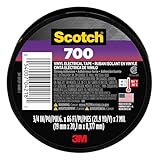
I’ve stood in my garage, sweat dripping onto a tangled mess of wires, and wondered, “Can electrical tape touch bare wire?” It’s a question born from frustration, usually when a quick fix turns into a bigger problem. We’ve all been there, staring at a frayed cord, tape in hand, hoping for a simple solution.
The reality, as I’ve learned through a painful amount of trial and error, is that ‘simple’ often isn’t the same as ‘safe’ or ‘reliable’. This isn’t about magic solutions; it’s about understanding what actually holds up when you need it to. Let’s cut through the noise.
Why You’re Asking About Bare Wire and Tape
So, you’re staring at a wire that’s lost some of its insulation, and your brain immediately goes to that roll of black tape in the toolbox. It’s tempting, right? Wrap it up, push it back into place, and pretend it never happened. I get it. I’ve done it. In fact, my first real DIY electrical ‘repair’ on a cheap extension cord involved a healthy dose of electrical tape over a nicked wire. It looked… fine. For about two weeks. Then, sparks. Not dramatic Hollywood sparks, but small, angry ones that made me yelp and yank the plug faster than I thought possible.
The thing is, electrical tape isn’t magic sealant. It’s designed for insulation, sure, but it has limits. The common advice often skips the nuances, focusing on the ‘yes, you can’ without a proper ‘but’. When I say ‘can electrical tape touch bare wire?’, I’m not just asking if it’s physically possible to wrap tape around it. I’m asking if it’s a good idea, if it will actually last, and if it’s safe. And the answer, most of the time, is a resounding no, unless you really know what you’re doing and are using it as a temporary measure under specific conditions.
People often confuse electrical tape with duct tape or general-purpose adhesive tape. They look similar, but their properties are vastly different. Electrical tape is made to be flexible, conformable, and to resist moisture and abrasion to a degree. It’s also non-conductive, which is the key selling point. But that non-conductivity has a voltage limit, and its adhesive can degrade over time, especially when exposed to heat or harsh environments. For a permanent fix, or even a moderately long-term one, it’s often a gamble you don’t want to take. The risk of shorts, shocks, or even fires far outweighs the convenience of a quick wrap.
Think about the environments wires live in. They get bent, twisted, sometimes get a little warm, and are exposed to dust and moisture. Electrical tape, while better than other tapes, isn’t designed to withstand the kind of abuse a permanent repair needs to endure. So, while the immediate answer to ‘can electrical tape touch bare wire?’ might be a hesitant ‘yes, but don’t,’ understanding why it’s a bad idea is where the real learning happens.
The Real Job of Electrical Tape (and What It Isn’t)
Let’s get this straight: electrical tape’s primary job is to insulate already connected wires. It’s not a splice, it’s not a substitute for proper connectors, and it’s definitely not a miracle cure for damaged insulation if the wire itself is compromised. When you’re using it, you’re adding a protective layer to prevent accidental contact with conductive materials or other wires. The common mistake is thinking that if you cover the bare spot with tape, the problem is solved. That’s like putting a band-aid on a gaping wound and expecting it to heal perfectly without stitches.
I learned this the hard way with a Christmas light string. One of the wires had a small abrasion. My brilliant idea? Wrap it tight with electrical tape. It worked! For a few days. Then, come the next cold snap and a bit of moisture, and suddenly a whole section of lights went dark. Turns out, the tape had wicked in moisture, and the underlying bare wire was corroding and shorting out. It wasn’t a dramatic fire, but it was a total failure of the repair and a waste of time. (See Also: Are Electric Wire Caps Better Then Tape )
Now, here’s a contrarian take for you: people often over-rely on electrical tape for any wire problem. They think it’s the universal fix-all. I disagree. For anything more than a very minor nick on a low-voltage wire that you absolutely need to keep running for a few hours until you can do it right, it’s often a temporary patch at best. The adhesive can dry out, the tape can stretch and peel, and the insulation properties aren’t meant to be a permanent barrier against significant electrical current or physical stress. It’s a specialized tool, not a general-purpose one.
The best electrical tape will still fail if used incorrectly. Think of it like this: you can use a hammer to tap in a tiny finishing nail, but it’s not the right tool, and you’re likely to bend the nail or crack the wood. Electrical tape is for insulating, not for structurally joining or permanently sealing damaged wires. If the wire itself is frayed or broken, tape isn’t going to magically fix the conductivity issue. You need to either replace the wire, use proper wire nuts or crimp connectors, or solder the connection and then insulate.
The key is understanding its limitations. It’s great for tidying up connections, insulating exposed terminals on a switch, or providing a temporary wrap on a low-voltage wire in a dry, protected environment. But for anything that carries significant power, or is subject to movement, heat, or moisture, you’re asking for trouble.
When Electrical Tape might Be Okay (the Tiny Exception)
Okay, I’ve been pretty harsh, and for good reason. But are there any scenarios where electrical tape touching bare wire is, if not ideal, at least acceptable? Yes, but they are extremely limited and always involve caveats. The primary scenario is a temporary, low-voltage fix in a dry, protected environment.
Imagine you’ve got a small appliance, like a desk lamp, and the cord has a tiny abrasion – maybe the plastic coating is nicked, but the copper wire inside isn’t actually exposed or frayed. And you absolutely need the lamp to work for the next few hours until you can get to the hardware store. In this case, carefully cleaning the area, making sure the wire isn’t actually damaged, and wrapping it snugly with several layers of high-quality electrical tape might get you by. The key is ‘low-voltage’ (think lamps, radios, not ovens or power tools), ‘temporary’ (hours, not days or weeks), and ‘dry and protected’ (not near water, heat, or where it will be moved or kinked).
I’ve had to do this once for a garden pathway light cord that got a small scuff. It was a 12-volt system, miles away from any main power, and it was a dry evening. I wrapped it carefully, making sure to overlap generously. It held up for the night, and the next morning, I replaced the cord entirely. That’s the kind of situation I mean. It’s about buying yourself just enough time to do the job right.
Here’s a table outlining some common situations and my opinion on using electrical tape on bare wire: (See Also: Can Electrical Tape Be Used For Gripping )
| Situation | My Opinion/Verdict |
|---|---|
| Minor nick on a 120V appliance cord, exposed copper | No. High risk of short or shock. Use a proper splice or replacement cord. |
| Frayed insulation on a low-voltage garden light wire (12V) | Temporary Only. If dry, protected, and only needed for a few hours. Replace ASAP. |
| Insulating connections on a stereo speaker wire | Maybe. Speaker wire is low voltage, but a secure crimp or solder is always better. Tape can work if done neatly and won’t be disturbed. |
| Covering a damaged wire on a car battery terminal | Absolutely Not. Too much power and potential for corrosion/shorting. Use proper automotive connectors. |
| Temporary fix for a tool cord in a workshop (dry) | Risky. Depends heavily on the tool’s power and how much the cord moves. I’d avoid if possible. |
The overarching theme here is that if there’s any doubt, or if the wire carries significant voltage or current, or if it’s in an environment where it can get wet or hot, don’t use electrical tape as a patch for exposed wire. It’s a recipe for disaster. The technology exists for proper repairs, and it’s worth the small investment in time and materials.
Common Mistakes That Get You Into Trouble
The biggest mistake people make, myself included in my early days, is thinking that ‘electrical tape’ is a magic wand. You see a bit of exposed wire, grab the roll, and wrap it. Boom, fixed, right? Wrong. This mentality ignores several important factors:
- Underestimating Voltage/Current: A frayed cord on a cheap desk lamp is one thing. A frayed cord on a power tool or kitchen appliance that draws significant amperage is another entirely. The tape’s dielectric strength (its ability to resist electrical breakdown) is not infinite. Pushing it beyond its rating leads to shorts, overheating, and fire.
- Ignoring the Adhesive: Electrical tape adhesive can degrade over time, especially when exposed to heat, UV light, or certain chemicals. What seems secure today might peel away in a few months, leaving the bare wire exposed again, possibly worse than before.
- Using the Wrong Kind of Tape: Not all tapes labeled ‘electrical tape’ are created equal. Some cheaper brands might have weaker adhesives or lower dielectric strength. And never, ever use standard vinyl tape, duct tape, or packing tape. They are not designed for electrical insulation and can melt, degrade, or even conduct electricity.
- Improper Application: Simply wrapping a few times isn’t enough. For any kind of temporary fix, you need to overlap generously, making sure each layer is snug and there are no gaps. You’re trying to create a continuous insulating barrier. Even then, it’s a patch.
- Believing It’s a Permanent Solution: This is the most dangerous misconception. Electrical tape is intended for insulating connections or making temporary repairs. It is NOT a substitute for proper splicing, wire nuts, crimp connectors, or replacing damaged sections of wire. Permanent damage requires a permanent, solid solution.
I remember trying to fix a cord on an old electric heater. It had a small tear, and I wrapped it up like a mummy. It worked for a few weeks, then started to smell funny. I pulled the tape off, and the exposed copper wire was actually starting to melt slightly from the heat and the poor connection. That was a wake-up call. The heater went to the scrap yard, and I learned that ‘good enough’ isn’t always safe.
Another common pitfall is when the tape itself gets damaged. If the tape gets nicked or scraped after application, it compromises the entire insulating layer. You might not even notice it until there’s a problem. This is why the integrity of the original wire insulation is so important. If that’s gone, you’re starting from a disadvantage.
Proper Ways to Handle Exposed Wires (the Right Way)
If electrical tape isn’t the ultimate fix for exposed wires, what is? Thankfully, there are reliable methods that actually last and keep you safe. The best approach depends on the severity of the damage and the type of wire, but here are the go-to solutions:
- Wire Nuts (Connectors): For joining two or more wires, or for capping off a wire end, wire nuts are fantastic. You twist them onto the stripped ends of the wires, and they provide a secure, insulated connection. They come in various sizes for different wire gauges. I’ve used these for years on everything from lamp rewiring to extending appliance cords (where appropriate and safe, of course). They’re cheap, effective, and require no special tools beyond wire strippers.
- Crimp Connectors (Butt Splices/Terminals): These are metal sleeves that you slide over the stripped ends of wires and then crimp down using a special tool. They create a very strong mechanical and electrical connection. You then often cover the crimped section with heat-shrink tubing or, yes, electrical tape for added insulation and protection. I find these especially good for situations where the wire might experience some movement or vibration, like in automotive or some appliance repairs. The connection is solid.
- Soldering: For the most solid and permanent electrical connection, especially in sensitive electronics or where vibration is a major concern, soldering is king. You strip the wires, twist them together, and then apply solder to create a solid metal bond. After soldering, you absolutely MUST insulate the connection. High-quality heat-shrink tubing is the best option here, often followed by a layer of electrical tape for extra protection. Soldering takes a bit of practice, but the result is a connection that’s virtually indistinguishable from the original wire.
- Heat-Shrink Tubing: While not a connector itself, heat-shrink tubing is an key insulation material. It’s a plastic sleeve that you slide over a wire or a connection. When you apply heat (usually with a heat gun, but a lighter can work in a pinch for small jobs, carefully!), it shrinks tightly around the wire, creating a protective, insulated barrier. It’s often used in conjunction with crimp connectors or soldered joints. It looks professional and holds up very well.
- Replacing the Cord/Component: For significant damage, especially on cords connected to mains power, the safest and most reliable solution is often to replace the entire cord or the affected component. It might seem like more work, but it guarantees that the entire wire is sound and meets safety standards. I learned this lesson after a particularly nasty incident with a frayed power cord on an old workshop sander. It looked fine with tape, but the internal strands were stressed. Replacing the cord was the only way I felt truly safe using it again.
When dealing with exposed wires, it’s always better to err on the side of caution. If you’re unsure about the voltage, the environment, or the best repair method, consult a qualified electrician. It might cost a bit upfront, but it’s a fraction of the potential cost of a fire or injury.
The Faq: Clearing Up Common Electrical Tape Confusion
Can Electrical Tape Touch Bare Wire on a 120v Appliance?
No, you absolutely should not let standard electrical tape directly touch bare wire on a 120V appliance. The voltage and current involved are too high, and the tape’s insulating properties are not sufficient for a permanent or even reliable temporary fix. This can lead to short circuits, overheating, fire, or electric shock. Always use proper connectors or replace the damaged cord. (See Also: Can I Put Electrical Tape On A Light Bulb )
Is Electrical Tape Waterproof?
While many electrical tapes offer some resistance to moisture and are designed to prevent its ingress, they are not completely waterproof in the way a submersible seal would be. Moisture can eventually degrade the adhesive and compromise the insulation over time, especially if the tape is not applied perfectly or if it’s submerged. They are water-resistant, not waterproof.
How Many Layers of Electrical Tape Are Needed for a Good Fix?
For a truly temporary patch on a low-voltage wire, and only when other options are unavailable, you’d want at least 3-4 generous, overlapping layers. Each layer should be applied snugly, stretching slightly to make sure good adhesion and coverage. However, the number of layers doesn’t change the fact that it’s a temporary, risky solution. Proper connectors are always superior.
What’s the Difference Between Electrical Tape and Vinyl Tape?
Electrical tape is specifically formulated to be non-conductive, flexible, and resistant to temperature extremes and abrasion, with a good adhesive that maintains its grip. Vinyl tape (often called general-purpose tape) is generally less flexible, has a weaker adhesive that degrades faster, and may not have the same dielectric strength or temperature resistance as true electrical tape, making it unsuitable for electrical applications.
My Honest Take: When to Use Tape and When to Run
Look, I’ve been in the trenches. I’ve stripped wires, I’ve gotten shocked (mildly, thankfully), and I’ve seen DIY repairs go south. The question, ‘can electrical tape touch bare wire?’ is one that comes up because people are looking for a quick, easy fix. And the easy answer is usually: no, not really, and certainly not permanently.
My personal experience has taught me that while electrical tape has its place – tidying up connections, insulating exposed terminals on a switch, or providing a very short-term, low-voltage stopgap – it is fundamentally NOT designed to be a substitute for proper insulation on damaged wires. The risks of fire, shock, and further damage are too high when you push it beyond its intended use.
If you’ve got exposed wire, the best course of action is always to repair it properly. Use wire nuts, crimp connectors, solder, or replace the faulty section. If you absolutely must use electrical tape as a temporary measure on a low-voltage, dry application, do it with the understanding that you are on borrowed time. Get the right materials and fix it properly as soon as humanly possible. Don’t let a quick tape job become a long-term hazard.
Final Verdict
So, can electrical tape touch bare wire? In a pinch, on low-voltage, dry applications, for a very short time, maybe. But it’s a risky maneuver that I’d only employ if my back was against the wall and I had no other option for a few hours. The real answer is that electrical tape is for insulating connections, not for repairing damage to wire insulation in any permanent or semi-permanent way.
My advice? Invest in a good set of wire strippers, some wire nuts, and maybe a crimping tool. These aren’t expensive, and they will give you the confidence that your repairs are safe and will last. Trying to cut corners with electrical tape on bare wire is a gamble that just isn’t worth taking.
If you’re unsure about any electrical repair, whether it’s a simple cord or a more complex circuit, don’t guess. Consult a professional. Safety first, always.