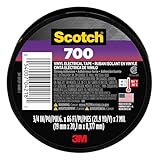
I once saw a guy try to fix a broken desk lamp by wrapping the exposed wires near the bulb socket with… you guessed it, electrical tape. He seemed so proud of his little hack. Me? I just stared, waiting for the smoke. The question of ‘can I put electrical tape on a light bulb’ pops up more than you’d think, especially when things get a bit dicey with a faulty fixture or you’re trying to, shall we say, improvise. Most people assume it’s a quick fix, a bit of DIY wizardry. Let me tell you, it’s rarely that simple, and often, it’s just plain stupid.
My own early days in home repair were a minefield of questionable decisions. I’ve definitely learned the hard way that some ‘solutions’ are more dangerous than the problem itself. This isn’t about following a manual to the letter; it’s about understanding what actually works and what’s just going to cause you more grief, or worse.
Why That Electrical Tape Idea Is a Bad Omen
Let’s cut to the chase: putting electrical tape directly on a light bulb, or even around the socket where the bulb screws in, is a terrible idea. We’re talking about heat, electricity, and materials that really don’t play well together under those conditions.
Electrical tape is designed to insulate wires, yes, but it’s not designed to withstand the kind of sustained, high temperatures that a light bulb generates, especially incandescent or halogen bulbs. Think about it: these bulbs get hot enough to burn your fingers if you leave them on for a while. Electrical tape is primarily made of PVC (polyvinyl chloride). When PVC gets too hot, it softens, it melts, and it can start to break down, releasing some pretty nasty fumes.
This isn’t just about a little bit of goo; it’s about a fire hazard waiting to happen. I saw a friend’s old gooseneck lamp start to smoke because the cheap electrical tape he’d used to ‘secure’ a frayed wire near the socket began to degrade. The smell was awful, and it was a stark reminder that just because something is called electrical tape doesn’t mean it’s a universal fix for every electrical problem.
People often get confused because electrical tape is an insulator. That’s its job, right?
To stop electricity from jumping where it shouldn’t. But the context matters. It’s for wrapping bare wires away from heat sources, where the primary concern is preventing short circuits and shocks. The base of a light bulb, where it makes contact and screws in, is specifically designed to handle electrical current at high temperatures.
Introducing a material that can melt or degrade under those conditions is asking for trouble. It’s like trying to seal a leaky engine with duct tape – it might hold for a minute, but it’s not built for that kind of heat and pressure.
The adhesive on the tape can also become brittle or gooey when subjected to repeated heating and cooling cycles, potentially failing and leaving you with a worse mess than you started with. So, while the idea might seem like a quick patch, the reality is it’s a recipe for potential disaster, from melting goo to actual fires.
The common advice you’ll find online – and this is where things get tricky – often skirts around the direct question or gives vague warnings. Many DIY forums will tell you, ‘Electrical tape insulates wires,’ which is true, but they often fail to emphasize the temperature limitations. They might suggest it for temporary fixes on lamp cords or appliance wires. This is where the ‘hands-on use’ experience really kicks in. I’ve seen enough temporary fixes turn into permanent problems. When dealing with anything electrical, especially near a heat source like a bulb, you need materials rated for that specific environment. Standard electrical tape just isn’t.
When the Heat Is on: Why Tape Fails
The core issue boils down to thermal degradation. Light bulbs, particularly older incandescent or halogen types, are basically tiny furnaces. They convert electrical energy into light and a significant amount of heat.
The glass envelope of the bulb can get incredibly hot, and this heat radiates outwards. The base of the bulb, often made of metal or a heat-resistant plastic, also gets warm to hot.
Electrical tape, typically made from PVC, has a limited temperature rating. While it’s fine for wrapping wire splices in a wall or a junction box that stays relatively cool, it’s not designed for continuous exposure to temperatures that can easily exceed 100-150°F (38-65°C), and sometimes much higher right at the bulb’s base. When PVC gets too hot, its molecular structure starts to break down. (See Also: Can Electrical Tape Be Used For Gripping )
This can lead to softening, sticking, and eventually, a brittle or gooey mess. The adhesive can fail, the tape can peel away, and the underlying insulation (or lack thereof) is exposed. This not only defeats the purpose of the tape but can create new hazards. Imagine the sticky residue melting and dripping onto hot electrical contacts – not ideal.
I remember a situation a few years back when a string of patio lights I’d put up started having issues. One bulb was flickering, and upon closer inspection, I saw the cheap plastic socket looked a bit warped. Someone, a friend of a friend who was ‘helping,’ had decided to wrap the base of the bulb with black electrical tape, thinking it would somehow ‘reinforce’ it or stop it from wobbling.
The next time it rained, the tape, which had already started to look a bit sad and melty from the bulb’s heat, got wet. It absorbed water and became a conductive goo, shorting out half the string.
It was a mess of melted plastic and burnt tape. The whole experience taught me that when it comes to heat and electricity, you can’t just slap on any old insulator.
It needs to be the right insulator for the job.
The problem is compounded by the fact that electrical tape is often applied with the best intentions but without a full understanding of its limitations. People see it as a generic ‘fix-it’ material for electrical issues. This is a dangerous misconception. The common advice to ‘use electrical tape for temporary wire repairs’ is technically true, but ‘temporary’ and ‘away from heat’ are the operative words. Most standard electrical tape, like 3M Super 33+ or other common brands, has a maximum operating temperature around 176°F (80°C). That might sound high, but a standard 60W incandescent bulb can easily reach surface temperatures of 200-300°F (93-149°C) or more. So, you’re already pushing its limits, and that’s before considering heat buildup in enclosed fixtures.
What You should Be Using Instead (if Anything)
If you’re looking at a light bulb situation that seems faulty, the first and most important thing to do is turn off the power. Seriously, flip the breaker. Don’t mess around with live electricity.
Now, regarding tape: If your goal is to temporarily secure a wire away from the heat of the bulb and socket, and it’s a low-voltage, low-heat situation, maybe electrical tape could do a short-term job. But for anything involving the bulb itself, the socket, or wires directly adjacent to where the heat is intense, you need materials designed for that environment.
High-temperature electrical tapes exist, often made from silicone or fiberglass, which can withstand much higher temperatures. However, these are usually overkill and not something you’d typically use on a standard light bulb socket. They’re more for industrial applications or engine compartments.
Let’s talk about practical alternatives. If a light bulb socket is damaged – cracked, melted, or loose – the correct fix is to replace the socket. They are relatively inexpensive and available at any hardware store.
You’ll need to turn off the power at the breaker, disconnect the old socket (usually a couple of wires attached with screws), and wire in the new one. It’s a straightforward job for most DIYers.
If a lamp cord is frayed near the plug or the socket, and the damage is minor, you could consider using heat-shrink tubing rated for high temperatures or, in some cases, a specialized electrical repair putty. But again, this is for the wires, not the bulb or socket itself. (See Also: Can I Use Electrical Tape For Grafting )
Here’s a little comparison table I put together. It’s not exhaustive, but it highlights why electrical tape is usually the wrong tool for bulb-related issues:
| Material | Primary Use | Temperature Tolerance | Suitability for Bulb Socket Area | Verdict |
|---|---|---|---|---|
| Standard Electrical Tape (PVC) | Insulating wire splices, bundling wires | Up to ~176°F (80°C) | Very Poor | Don’t use it near heat. It’ll melt, fail, and create a hazard. |
| High-Temperature Electrical Tape (Silicone/Fiberglass) | High-heat wire insulation, automotive, industrial | Up to 500°F+ (260°C+) | Poor (overkill and not designed for this) | Better with heat, but still not the right application for a bulb socket. |
| Heat-Shrink Tubing (Standard) | Insulating wire connections, strain relief | Up to ~221°F (105°C) | Poor (will melt) | Only if the heat is minimal and it’s for the wire, not the socket. |
| Replacement Socket/Fixture | Proper electrical connection | N/A (designed for bulb heat) | Excellent | This is the correct, safe, and permanent solution for a damaged socket. |
I once spent an entire afternoon trying to troubleshoot a faulty ceiling fan light. The bulbs kept flickering out. I ended up replacing the entire socket assembly inside the fan housing. Turns out, the plastic socket was slightly deformed from years of heat, and the bulbs weren’t making proper contact. A bit of electrical tape around the base of the bulb would have been a complete waste of time and potentially dangerous. It was a $15 part and an hour of my time, but the peace of mind was worth it.
Common Mistakes and Why They Happen
The biggest mistake, hands down, is thinking that because something is labeled ‘electrical tape,’ it can be used on any electrical component. This is like assuming all tape is the same – scotch tape, duct tape, masking tape, they all have different jobs.
Electrical tape’s job is insulation and protection, but within specific parameters. The mistake happens because people see a loose wire or a slightly damaged socket and reach for the nearest roll of tape, which is often electrical tape because it’s commonly found in toolkits or garages. They’re looking for a quick, cheap fix, and electrical tape seems to fit the bill.
The reality is, it’s often a symptom of a larger problem that tape won’t solve. For instance, if a light bulb is constantly burning out or flickering, it’s usually not the bulb itself that’s the issue, but the socket connection, the wiring to the fixture, or even the circuit itself. Trying to ‘fix’ the bulb with tape is like trying to cure a headache by putting a bandage on your forehead – it doesn’t address the root cause.
Another common mistake is assuming that if it looks okay, it is okay. You might wrap a bit of electrical tape around a wire near a bulb socket, and it seems to hold. The light still works. Great, right? Wrong. The heat continues to degrade the tape over time. The adhesive gets gummy, and the PVC might start to crack or become brittle. What looked like a fix yesterday can become a fire hazard tomorrow. I’ve heard stories, thankfully second-hand, of people finding melted, sticky messes inside light fixtures that started with a seemingly innocent application of electrical tape. It’s the slow burn, the gradual failure, that’s so insidious. You don’t see it coming.
The ‘DIY spirit’ can also lead people astray. There’s a certain satisfaction in fixing things yourself, and often, that’s a good thing. But electrical work, especially in areas with heat, requires a respect for the materials and the forces involved. The common advice you might find on less reputable forums or social media – ‘Just wrap it with electrical tape, it’ll be fine!’ – is dangerous. It bypasses the understanding of material science and electrical safety. People want simple answers, and ‘wrap it with tape’ sounds simple. It’s a fallacy of equivalence – assuming a tape designed for electrical work is universally suitable for all electrical work.
Here’s a contrarian thought: Everyone says to use electrical tape for ‘temporary’ fixes. I disagree that it’s ever a good idea to rely on it for any fix near a heat source like a light bulb. ‘Temporary’ implies you’ll fix it properly later, but often, people forget, or the ‘temporary’ fix lasts longer than it should, increasing the risk. If it’s a situation where heat is involved, the fix needs to be made of materials designed for that heat. Electrical tape isn’t.
Real-World Uses vs. Misapplications
Let’s be clear about where electrical tape actually shines. Its primary strength is insulating and protecting electrical connections that are not subjected to high temperatures. Think about splicing wires in a wall, bundling cables in a car engine bay (though specialized tapes are better for extreme heat there), or creating a temporary fix for a frayed lamp cord away from the bulb socket. If you have two bare wires that need to be kept from touching, and they’re in a cool, dry environment, electrical tape is a go-to.
Its stretchy nature allows it to conform to irregular shapes, and its adhesive sticks pretty well to itself and most wire insulation. I’ve used it countless times to secure wiring harnesses in my old car, preventing shorts and keeping things tidy. It’s also fantastic for quickly marking wires or creating a non-slip grip on tools.
The misapplication, which brings us back to the original question, is when people try to use it as a structural component or a high-temperature sealant. Wrapping a cracked plastic bulb socket? Bad idea. Trying to ‘reinforce’ a bulb base that feels loose? Worse idea. The heat generated by the bulb will quickly compromise the tape. This is where the common advice about ‘insulating’ goes wrong. Yes, it insulates, but it also melts. The insulating properties are lost the moment it starts to degrade from heat. It becomes sticky, possibly conductive when hot and gooey, and it certainly won’t hold anything together reliably.
I recall a time when I was rewiring an old stereo system. There were some exposed terminals on the back of a speaker. (See Also: Can I Use Electrical Tape For Charging Cable )
I needed to prevent them from touching any metal casing. I grabbed my roll of electrical tape, cut a piece, and stuck it over the terminals.
It worked perfectly. No heat involved, just keeping two points of contact separate. That’s its sweet spot.
Later that week, I was helping a neighbor with a flickering porch light. The wire going into the socket looked a bit frayed. My first instinct, honed by years of experience, was ‘don’t use tape, replace the socket.’
But their neighbor had ‘fixed’ it a week prior with electrical tape wrapped around the base of the bulb, trying to secure it. The tape was already melted and dripping. It took me an extra 20 minutes to clean up the gooey mess before I could even assess the real problem, which turned out to be a loose connection inside the socket itself.
Faqs
Can I Wrap Electrical Tape Around a Light Bulb Itself?
No, absolutely not. Wrapping electrical tape around the glass or metal base of a light bulb is extremely dangerous. The bulb gets very hot, and the tape is not designed to withstand that heat. It will melt, degrade, and can release toxic fumes. This creates a significant fire hazard and can also lead to electrical shorts.
Is Electrical Tape Safe for Lamp Sockets?
Standard electrical tape is not safe for lamp sockets or any part of a light fixture that gets hot. While it’s designed to insulate wires, it has a limited temperature tolerance. Lamp sockets and the areas around them can get hot enough to melt or degrade electrical tape, leading to failures, melting plastic, and fire risks.
What Can I Use Instead of Electrical Tape on a Light Bulb Fixture If It’s Damaged?
If a light bulb fixture or socket is damaged, the correct and safe solution is to replace the entire socket or fixture. Electrical tape is not a suitable repair material for damaged components that are exposed to heat. Always make sure the power is off at the breaker before attempting any repairs or replacements.
My Light Flickers, Can Electrical Tape Fix It?
No, electrical tape will not fix a flickering light. Flickering lights are usually caused by loose connections, faulty wiring, an aging bulb, or issues with the switch or fixture. Attempting to use electrical tape on the bulb or socket will not address the underlying problem and can create new hazards. You need to diagnose the actual cause of the flickering and address it with appropriate repairs or replacements.
Conclusion
So, to be crystal clear: can I put electrical tape on a light bulb? The answer is a resounding ‘no.’ It’s a tempting thought when you’re in a pinch, a quick fix that seems logical because it’s ‘electrical’ tape. But the reality is, the heat generated by light bulbs is far beyond what standard electrical tape can handle. It’s not a question of if it will fail, but when, and what kind of mess or danger it will create in the process. My own experiences and countless stories from others confirm this: sticking to materials designed for the job, especially when heat and electricity are involved, is the only way to go.
If you have a frayed wire near a bulb, or a damaged socket, the proper course of action is to turn off the power and replace the faulty component. Don’t risk a fire or an electric shock for a temporary, dangerous patch. There are plenty of affordable replacement sockets and fixtures out there. My advice? If it involves heat and electricity near a light bulb, reach for the replacement part, not the tape. Save that electrical tape for insulating wire splices in a cool junction box where it belongs.
The next time you’re faced with a wonky light fixture, take a moment to consider the materials involved. Are you dealing with a low-voltage, cool wire splice, or a hot, potentially hazardous socket area? Your answer will tell you whether electrical tape is a viable tool or a recipe for disaster. For anything involving the light bulb itself or its immediate surroundings, the answer is always the latter.