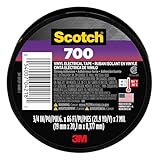
So, you’re staring at your prize fruit tree, ready to make a clone of your favorite variety, and you’re rummaging through the toolbox. You’ve got duct tape, masking tape, and then, that shiny roll of electrical tape. The question pops into your head: can I use electrical tape for grafting? I’ve been there, staring at a perfectly good scion and an equally willing rootstock, wondering if I could MacGyver my way to success with what I had on hand. Spoiler alert: it’s not usually the first thing I reach for, and here’s why.
Why I Swear Off Electrical Tape for Grafting (mostly)
Look, I’m all for resourceful gardening. I’ve saved countless seedlings with repurposed plastic containers and jury-rigged watering systems that would make a Rube Goldberg machine proud. But when it comes to grafting, that delicate dance of joining two plants together so they become one, using the wrong materials can be downright disastrous. Electrical tape is one of those things that seems like a good idea at first glance.
It’s stretchy, it’s sticky, and you probably have a roll lying around. I’ve seen plenty of online forums and even a few old-school articles suggesting it. The thinking is that its elasticity will allow for swelling as the graft heals, and its adhesive will hold everything snugly in place.
It’s got that rubbery feel, which suggests it might conform well to the irregular shapes of bark and wood. Plus, it’s readily available in almost any hardware store or even a corner shop. This accessibility makes it tempting for a quick fix when you’re in the middle of a grafting session and realize your specialized grafting tape is missing or you’ve run out.
My first instinct, years ago, was to try it. I was grafting some tomato varieties, and I just needed something to hold the scion to the rootstock. I wrapped it up, feeling pretty smug about my DIY solution.
The problem? Electrical tape degrades. It breaks down under UV light, and that sticky residue it leaves behind is a nightmare. It can also be too stretchy, not offering enough firm support, or the adhesive can fail prematurely, especially in varying temperatures.
My ‘successful’ tomato grafts withered and died within a week. It was a frustrating waste of time and perfectly good plant material. This experience taught me that while it might work in a pinch for a very short period, it’s a gamble I’m no longer willing to take for anything I truly care about. There are much better, more reliable options out there that don’t cost a fortune.
What Grafting Tape actually Does
Grafting tape isn’t just fancy tape; it serves a very specific purpose in the world of plant propagation. The primary job of any grafting material is to hold the scion (the cutting from the desired plant) firmly in place against the rootstock (the base plant) so that their vascular tissues can align and fuse.
Think of it like setting a broken bone – you need to keep the pieces perfectly still and aligned for healing to occur. Grafting tape provides this important immobilization.
But it does more than just hold things. Good grafting tape is designed to create a moist environment around the graft union.
This is vital because exposed plant tissues dry out incredibly fast, and drying is the enemy of successful grafting. This moisture retention helps to prevent desiccation, allowing the cambium layers of the scion and rootstock to remain hydrated and ready to begin the process of forming new vascular connections. Furthermore, many grafting tapes are designed to be somewhat breathable, allowing for gas exchange, which is also part of the healing process.
They also offer varying degrees of elasticity. Some, like Buddy Tape, are stretchy and self-adhesive, meaning you don’t need to tie them off. Others, like traditional grafting tape or parafilm, require a bit more technique but offer excellent sealing and support. The goal is to create a sealed, stable, and humid microenvironment that encourages the graft to take.
Electrical tape, on the other hand, is primarily designed for electrical insulation. It’s made of vinyl, which is flexible, but its adhesive properties and UV resistance are not optimized for the long-term demands of plant healing.
It can become brittle in sunlight, lose its stickiness, or leave a gummy residue that can interfere with future growth or even harbor fungal issues. The elasticity is often too much, lacking the firm support needed, or it’s not enough to accommodate natural plant swelling, leading to girdling. This is why professional and experienced grafters almost universally steer clear of it.
The Electrical Tape vs. Real Grafting Tape Showdown
Let’s lay it all out. When you’re deciding whether to risk electrical tape, it helps to see how it stacks up against the real deal. I’ve tried a bunch of different tapes over the years, and honestly, the difference is stark. You’re not just comparing stickiness; you’re comparing the entire healing process and the long-term success of your graft. (See Also: Can I Use Electrical Tape To Connect Wires )
Electrical tape is cheap and readily available, I’ll give it that. But its shortcomings are significant.
It’s not UV stable, meaning it breaks down in the sun, becoming brittle and losing its grip. It often leaves a sticky, gummy mess that’s a pain to clean off and can potentially attract pests or inhibit bark formation.
The adhesive can also fail in fluctuating temperatures, which is pretty common in spring and fall grafting seasons. It can stretch too much, not providing enough firm support, or it can be too rigid and end up girdling (choking) the graft union as the plant grows. Real grafting tapes, on the other hand, are engineered for this specific job.
They provide a balance of adhesion, flexibility, and durability that electrical tape just can’t match. Parafilm, for instance, is thin and waxy, creating an excellent moisture seal and slowly degrading, allowing the graft to breathe and expand. Buddy Tape is a stretchy, self-sealing tape that’s incredibly easy to use and provides good support while accommodating growth.
Even good old-fashioned raffia or nursery tape, while less ‘high-tech,’ offers better breathability and more consistent support than electrical tape. I remember one instance where I had two peach grafts that looked identical at the start.
One was wrapped with electrical tape out of desperation, the other with proper grafting tape. The one with the grafting tape took off like a rocket. The electrical-taped one struggled, eventually looked sickly, and then just… stopped.
It didn’t heal properly. That solidified my decision: the few extra bucks for proper grafting supplies are always worth it for peace of mind and a higher chance of success. It’s the difference between a gamble and a calculated shot at creating a thriving new plant.
| Feature | Electrical Tape | Proper Grafting Tape (e.g., Parafilm, Buddy Tape) | My Verdict |
|---|---|---|---|
| Adhesion | Can be strong initially, but degrades | Consistent and long-lasting | Real tape wins |
| UV Resistance | Poor | Good to Excellent | No contest |
| Flexibility | Often too stretchy or too stiff | Balanced for support and expansion | Real tape wins |
| Moisture Retention | Can seal, but not optimized | Excellent, promotes healing | Real tape wins |
| Residue | Sticky, difficult to remove | Minimal to none, degrades | Real tape wins |
| Cost (per roll) | Low | Moderate | Worth the investment |
| Ease of Use | Simple to wrap, but can be tricky | Varies; Buddy Tape is very easy | Depends on type, but overall better |
Common Mistakes and How to Avoid Them
Even with the right materials, grafting can be tricky. I’ve made my fair share of blunders, and often they boil down to a few key mistakes.
The most obvious, of course, is using the wrong tape – like electrical tape when you shouldn’t. But beyond that, there’s the issue of timing.
Grafting when the plant isn’t actively growing or when temperatures are too extreme is a recipe for failure. You want to graft when the sap is flowing, usually in spring, but before the intense heat of summer.
Too cold, and the tissues won’t fuse; too hot, and they’ll dry out too quickly. Another common pitfall is poor sanitation. If your knife or pruning shears aren’t clean, you can introduce diseases that will kill the graft.
Always sterilize your tools with rubbing alcohol or a bleach solution between cuts, especially if you’re working on multiple plants. Surface preparation is also key. You need to make clean, smooth cuts on both the scion and the rootstock.
Jagged or torn surfaces won’t align properly. I once tried to rush a whip-and-tongue graft, and my cuts were a bit ragged. It looked okay initially, but it never really took because the cambium layers couldn’t make proper contact.
My mistake was not taking the extra ten seconds to make those cuts perfect. Over-wrapping or under-wrapping is another one. (See Also: Can Electrica Tape Catch On Fire )
If you wrap too tightly, you can restrict growth or even girdle the graft union. Wrap too loosely, and the scion will shift, or the union won’t be sealed properly, leading to drying.
It’s a fine balance. You want snug, but not constricting. Finally, impatience.
Grafting success isn’t always immediate. It takes time for the tissues to fuse. Resist the urge to unwrap and check too soon. Give it at least two to three weeks, sometimes longer, before you even think about peeking.
When I’m eager, I’ll sometimes gently tug on the scion. If there’s significant resistance, it’s usually a good sign. If it wiggles easily, it’s probably not going to make it.
Learning to read the subtle signs of a successful graft takes practice. Remember, every failed graft is a learning opportunity, but avoiding these common mistakes will save you a lot of time and heartbreak.
Real-World Grafting: When Electrical Tape might Be a Last Resort
Okay, I’ve been pretty harsh on electrical tape, and for good reason. It’s generally not the right tool for the job. However, I have to admit, there’s a slim, tiny, almost theoretical scenario where I might consider it, and even then, with extreme reservations.
This is for a very short-term hold, where I’m planning to remove the tape and replace it with proper grafting tape within hours, not days. Imagine you’re grafting a delicate rose or a fig cutting, and you’ve got the perfect match, but your actual grafting tape is across town. You need to make the union right now before the cambium dries out.
In this desperate situation, you could use electrical tape to hold the scion and rootstock together temporarily. The key here is ‘temporarily.’ You’re not relying on its long-term adhesive or its healing properties. You’re just using its pliability to keep things aligned for a few hours while you drive to the nursery or wait for your online order to arrive.
As soon as humanly possible, you’d want to carefully remove the electrical tape and re-wrap the union with proper grafting tape or even just wax the exposed cut. I did this once with a rare citrus variety. I had the scion and rootstock ready, but my grafting wax had dried out.
I used electrical tape just to hold it. The next morning, I removed it and immediately applied grafting wax. It worked, but I was constantly worried about the tape’s adhesive failing or the vinyl degrading under the ambient light.
It was stressful. This approach is only for those extreme, last-minute situations where the plant material is highly perishable and the alternative is guaranteed failure. It’s not a substitute for proper supplies, and you’re still taking a significant risk.
For any graft you want to succeed long-term, save yourself the headache and invest in specialized grafting tape. It’s designed for the job, and it will save you time, money, and plant material in the long run.
I learned this the hard way, and I’m telling you this so you don’t have to repeat my mistakes.
My Top Grafting Tape Recommendations
Since we’ve established that electrical tape is generally a no-go, let’s talk about what actually works. Over the years, I’ve tinkered with a few different options, and I’ve landed on a couple of favorites that consistently give me good results. (See Also: Can I Substitute Duct Tape For Electrical Tape )
My go-to for most deciduous trees and shrubs is grafting wax. It’s not technically tape, but it serves the same purpose of sealing and protecting the graft.
You can buy it pre-made or make your own. Applying it with a brush or a small spatula creates a durable, protective layer that seals out moisture and prevents drying. It’s fantastic for protecting cut surfaces and making sure a clean, healed union. For fruit trees, especially apples and pears, I also love Parafilm M.
This is a graft wrap that comes on a roll, similar to plastic wrap but with a waxy coating. It’s stretchy and seals itself, creating a moist environment for healing.
What’s great about Parafilm is that it’s semi-permeable, meaning it allows for some gas exchange, and it degrades over time, so you don’t have to worry about girdling the plant as it grows. It’s a bit fiddly at first, but once you get the hang of it, it’s incredibly effective. My absolute favorite, though, especially for speed and ease of use, is Buddy Tape.
This stuff is a big deal. It’s a breathable, self-adhesive grafting film that stretches and seals. You just wrap it around the union, and it sticks to itself.
It’s incredibly forgiving and accommodates plant swelling beautifully. It’s also biodegradable. I’ve used Buddy Tape on everything from tomatoes to ornamental cherries, and I’ve had fantastic success rates.
It’s a bit more expensive than Parafilm or grafting wax, but the time saved and the higher success rate make it well worth the investment for me. When I first started grafting, I spent about $180 across four different types of tape and waxes before I found what worked best for my needs. If I had known about Buddy Tape and Parafilm earlier, I would have saved myself a good chunk of cash and a lot of frustration. These options are designed specifically for grafting, offering the right balance of support, moisture retention, and breathability that electrical tape simply cannot provide.
Stick with these, and you’ll be much happier with your results.
People Also Ask: Can I Use Electrical Tape for Grafting?
The short answer is: it’s generally not recommended and can lead to graft failure. While electrical tape is flexible and adhesive, it lacks the specific properties needed for successful plant grafting. It doesn’t offer the right balance of support, moisture retention, and breathability, and it can degrade under sunlight, leaving sticky residue. For reliable grafting, it’s best to use specialized grafting tape, grafting wax, or other horticultural tapes.
What Is the Best Tape for Grafting?
The “best” tape depends on the plant and your preference, but popular and highly effective options include Buddy Tape, Parafilm M, and specialized nursery grafting tapes. Grafting wax is also an excellent choice for sealing and protection. These materials are designed to promote healing, retain moisture, allow for gas exchange, and accommodate plant growth without girdling.
Can You Graft Without Tape?
Yes, you can graft without tape, but it’s often more difficult and requires different techniques. For instance, some grafting methods rely on a very tight physical fit between the scion and rootstock, which is then secured with twine or string and sealed with grafting wax. However, tape provides a simpler, more consistent way to hold the graft union together and create a suitable healing environment for most common grafting techniques.
Why Does Grafting Tape Need to Be Breathable?
Grafting tape needs to be breathable to allow for gas exchange, which is a natural part of the healing process for plants. While you want to retain moisture, completely sealing the graft union can prevent the tissues from receiving necessary oxygen and releasing carbon dioxide. Many modern grafting tapes are designed to strike this balance, providing a moist microenvironment while still allowing for adequate air circulation.
How Long Does Grafting Tape Need to Stay on?
The duration that grafting tape needs to stay on varies depending on the type of tape and the plant. Parafilm and some other biodegradable tapes are designed to degrade and fall off on their own over time, usually within a few months as the graft heals. Other tapes, like Buddy Tape, may need to be carefully removed once the graft union has visibly fused and the scion shows signs of active growth, typically after 2-4 weeks. It’s important not to leave constricting tapes on for too long, as they can girdle the plant.
Final Thoughts
So, can I use electrical tape for grafting? My honest, no-nonsense answer is: probably not, and certainly not if you want the best chance of success. It’s a tempting shortcut, I get it. We’ve all been there, staring at a project and wishing the solution was just a bit simpler. But in the world of grafting, shortcuts often lead to dead ends – literally, in this case. The specialized tapes and waxes are formulated for a reason; they create the conditions plants need to heal and fuse.
I’ve wasted my fair share of perfectly good scions and rootstock on experimental methods that didn’t pan out. Learning to use proper grafting tape or wax was a turning point for me. It’s not about having fancy tools; it’s about respecting the process and giving your plants the best possible environment to thrive. My advice? Spend the few extra bucks on proper grafting supplies. You’ll save yourself the frustration, the wasted plant material, and the disappointment of a failed graft.
The next time you’re ready to make a graft, reach for the Buddy Tape, the Parafilm, or the grafting wax. It’s the reliable path to a successful union. If you’re still on the fence about whether to use electrical tape for grafting, trust me on this one: err on the side of caution and proper horticulture.