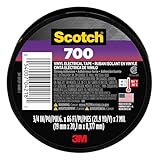
I remember staring at that burnt-out floodlight in the garage, the one that’s a real pain to reach. My first thought, like many people’s, was, ‘Can I put electrical tape on bulb to maybe… seal it better? Or just tape it in?’ It seemed like a quick fix. I’d seen folks use electrical tape for everything from patching leaky hoses to securing wobbly chair legs. So, why not a light bulb?
Turns out, the electrical tape aisle is full of promises, and sometimes, the most obvious solution is the worst idea. I’ve learned the hard way that just because you can wrap something in tape, doesn’t mean you should.
This isn’t about fancy gadgets or expert installation. This is about what works, what doesn’t, and what could go sideways when you’re just trying to get a light on or, more importantly, keep your house from becoming a fire hazard. Let’s talk about why slapping electrical tape on a bulb is a terrible plan.
The Real Reason Electrical Tape Isn’t for Bulbs
Look, I’m not here to sell you some snake oil. I’ve spent my fair share of weekends wrestling with DIY projects that went south, usually because I tried a shortcut or listened to advice that sounded good but was utter hogwash. The question ‘can i put electrical tape on bulb’ pops up because electrical tape is, well, electrical. It’s designed for wires, right?
It’s black, it’s stretchy, it’s insulated. So, the leap to thinking it can fix a loose bulb base or seal a cracked glass seems logical to a lot of us. I’ve done it, in a pinch. I’ve wrapped the base of a flickering bulb with it, hoping to somehow improve the connection.
It didn’t flicker anymore for a whole… maybe ten minutes. Then it went out again, and the tape felt a little warm. That was my first real “oh, hell no” moment.
The problem isn’t just about insulation. Electrical tape is made of PVC, polyvinyl chloride. It’s designed to handle moderate voltage and temperature fluctuations you’d find inside a wall conduit or around a wire splice.
But a light bulb base? That area gets significantly hotter, especially incandescent and halogen bulbs.
The heat generated by the filament, even in LED bulbs, can be substantial. Standard electrical tape will start to soften, lose its adhesive properties, and, worse, degrade. That sticky residue becomes a mess, and the tape itself can become brittle or even melt. You’re basically creating a fire risk by covering a heat-generating component with a material that’s not rated for sustained high temperatures.
Think about it: the base of a bulb is where the electricity actually makes its final connection. It’s a important point.
Covering it with something that can fail under heat is like putting a cheap bandage on a deep wound.
Beyond the heat, there’s the physical aspect. The metal contacts on the bulb base need to make solid, clean contact with the socket. Any tape, even if it didn’t melt, would add a layer of material that could impede that connection.
This can lead to intermittent power, flickering lights, or even prevent the bulb from working at all. And if the tape itself starts to break down, you could end up with small, conductive flakes of melted PVC or adhesive getting into the socket, which is a whole other kind of electrical nightmare.
My garage incident was a minor annoyance. I’ve heard stories, though, about people trying to ‘secure’ loose fixtures or cover up minor damage on bulb sockets with tape.
These are the kinds of situations where the risk of shorts, arcing, and potential fires escalates dramatically. It’s a classic case of a ‘quick fix’ leading to a much bigger, more dangerous problem down the line.
Don’t do it. Just don’t. (See Also: Can I Use Electrical Tape To Connect Wires )
What Actually Happens When You Try This
Let’s break down the ‘why not’ with a bit more detail. When you screw in a light bulb, the metal threads of the bulb make contact with the metal socket. The center contact point at the bottom of the bulb also connects to the socket. This completes the electrical circuit, allowing electricity to flow to the filament (or LED components) and produce light. Simple enough. Now, imagine you’ve wrapped electrical tape around the threaded part of the bulb base, or even around the glass near the base where it’s hot. What’s the immediate effect?
Firstly, the tape adds thickness. Most bulbs are designed to fit snugly into their sockets. Adding even a thin layer of tape can prevent the bulb from seating properly.
This might mean the electrical contacts don’t align correctly, leading to flickering or no light at all. If you force it, you risk damaging the socket.
Secondly, the adhesive on electrical tape is usually a rubber-based or synthetic rubber compound. It’s designed for flexibility and adhesion at room temperature and slightly lifted temperatures, but not the sustained, high heat that a bulb base can reach. Incandescent bulbs, especially, can get the metal part of their base extremely hot – I’ve seen them hot enough to scorch wood if left too close.
Halogen bulbs are similar. Even LEDs generate heat, though it’s managed differently and usually directed away from the base more effectively. But that heat still has to go somewhere.
When the tape heats up, the adhesive can become gooey and migrate. This goo can drip, potentially causing short circuits if it lands on conductive surfaces within the fixture or socket.
The PVC itself can degrade, becoming brittle and cracking, or it can soften and deform. This means the insulating properties of the tape are compromised. You’re no longer dealing with a reliable insulator; you’re dealing with a melting, sticky mess that’s actively failing.
I once had a cheap desk lamp where the bulb got so hot, the plastic socket base started to warp. If I’d had tape on that bulb, I shudder to think what would have happened. The tape would have melted into a puddle, potentially shorting out the lamp or worse. It’s these high-temperature scenarios that electrical tape is simply not designed for.
It’s built for wires, not for the intense, concentrated heat radiating from a light bulb base.
Consider the pressure too. When you tighten a bulb, there’s a certain amount of pressure on the threads. If you have tape on the threads, it can reduce the friction, making it easier to overtighten the bulb, potentially stripping the threads or cracking the glass. Conversely, if the tape makes the surface too slick, it might not tighten enough, leading to poor contact. The primary reason you see electrical tape used is for insulation of wires. Light bulb bases are designed for direct contact and heat dissipation, not for being wrapped in plastic that will fail.
Common Mistakes and Why They’re Dangerous
People try to put electrical tape on bulbs for a few misguided reasons, and they all boil down to trying to ‘fix’ a perceived problem with a tool that’s completely unsuited for the job. The most common mistake I see, or rather, hear about, is trying to secure a loose bulb. You know, when the bulb feels like it’s going to fall out of the socket?
The instinct is to wrap some tape around the base where it screws in, hoping to create a tighter fit. This is incredibly dangerous. A loose bulb connection means the electrical contacts are not making firm, consistent contact.
This can lead to arcing – tiny electrical sparks that jump across the gap. Arcing generates intense heat and can easily ignite dust, insulation, or the fixture itself. Adding tape just masks the symptom and introduces a flammable material into the equation. My neighbor, bless his heart, tried this on a ceiling fan light.
The fan vibrated, the bulb jiggled, he taped it. A few weeks later, the housing around the bulb socket started to discolor and smell like burning plastic. Thankfully, he noticed it before it became a real fire.
That tape was softening and likely contributing to the heat buildup. (See Also: Can Electrica Tape Catch On Fire )
Another mistake is thinking electrical tape can insulate a cracked or damaged bulb. If a bulb’s glass is cracked, it’s compromised.
For incandescent and halogen bulbs, this is a huge safety hazard because the vacuum or inert gas inside is exposed, and the filament can burn out instantly, often explosively. For LEDs, a cracked diffuser might not be as immediately catastrophic, but it compromises the integrity of the unit and can expose internal components. Wrapping it in tape doesn’t fix the crack; it just hides it and adds flammable material.
The heat from the bulb will likely cause the tape to fail and could still lead to a fire or electrical shock if the crack is near conductive parts. I learned this lesson with a cracked headlight bulb on an old car. I thought a bit of tape would get me home.
Big mistake. The heat inside the headlight enclosure melted the tape, gummed up the works, and I ended up having to clean out a sticky mess from the housing later anyway.
The third common error is using it to ‘seal’ a bulb in a fixture, perhaps thinking it will keep out dust or moisture. While electrical tape has some weather-resistant properties, it’s not designed for the sustained heat and potential UV exposure that a bulb can experience, especially if it’s in an outdoor fixture. Moisture sealing is best done with purpose-built gaskets or sealants.
Using tape here is a temporary, ineffective, and risky solution. It will likely degrade, fail, and potentially create an electrical hazard. The core issue with all these mistakes is a fundamental misunderstanding of what electrical tape is good for: insulating wires in low-to-moderate temperature environments. It’s not a general-purpose adhesive, a sealant, or a structural repair material, especially not in heat-generating applications like light bulbs.
A Better Way: Real Solutions for Bulb Problems
Alright, so we’ve established that wrapping your light bulbs in electrical tape is a recipe for disaster. But what do you do when you actually have a problem? The good news is, the solutions are usually straightforward and much safer than any tape trick. Let’s tackle those common issues:
1. The Bulb is Loose in the Socket: This is the most common reason people even consider tape. The fix is simple: tighten the bulb. If it’s still loose after tightening, the socket itself might be damaged or worn out. In this case, you need to replace the socket or the entire fixture. If you’re not comfortable with electrical work, call an electrician. Don’t try to jam tape in there. A properly seated bulb makes good contact. If it wobbles, it’s a socket problem, not a bulb problem that tape can solve.
2. The Bulb is Flickering: Flickering can be caused by a few things: a bulb that’s nearing the end of its life, a loose connection (see point 1), or a faulty dimmer switch. Try replacing the bulb first. If that doesn’t work, check the tightness of the bulb. If it’s still flickering and you have a dimmer, try turning the dimmer all the way up and see if it stops. If it does, the dimmer might be incompatible with the bulb type (especially common with LEDs) or it’s failing. Replacing the bulb or the dimmer switch is the way to go.
3. A Bulb is Too Difficult to Unscrew: This happens a lot, especially with bulbs that have been in place for a long time. The metal threads can corrode or fuse with the socket.
The solution isn’t tape; it’s a bit of gentle persuasion and sometimes a specific tool. First, make sure the power is OFF at the breaker. Let the bulb cool completely. You can try wearing a rubber glove for better grip, or use a specialized bulb gripper tool.
A small amount of penetrating oil (like WD-40, applied only to the threads, avoiding the electrical contacts) might help loosen it. For really stubborn ones, there are “stubborn bulb removers” – tools that grab the bulb and allow you to turn it. If all else fails, you might need to carefully break the glass to get a grip on the metal base, but this is a last resort and requires extreme caution and eye protection.
4. Cracked or Damaged Bulb: As mentioned, a cracked bulb needs to be replaced immediately. If it’s an incandescent or halogen, treat it with care as it could shatter. For any bulb type, turn off the power, let it cool, and carefully unscrew it. Dispose of it properly. Don’t try to tape it. It’s a safety hazard waiting to happen.
Here’s a table of common bulb issues and their actual solutions:
| Problem | Why Tape Fails | Real Solution | My Verdict |
|---|---|---|---|
| Loose Bulb | Masks faulty connection, adds heat risk | Tighten bulb; replace socket if needed | Bad Idea |
| Flickering Light | Doesn’t address electrical issue; can melt | Replace bulb; check connection; inspect dimmer | Bad Idea |
| Stuck Bulb | No effect on fused threads; can melt | Use grip, penetrating oil, or bulb remover tool (power off!) | Bad Idea |
| Cracked Bulb | Doesn’t fix structural issue; flammable | Replace bulb immediately (power off!) | Bad Idea |
The consistent theme here is that electrical tape is not a solution for bulb problems. It’s a temporary electrical insulator for wiring, and even then, only under specific conditions. Stick to the right tools and techniques for the job. (See Also: Can I Substitute Duct Tape For Electrical Tape )
What to Look for in actual Electrical Tape (and When to Use It)
Since we’re talking about electrical tape, let’s clarify what it is good for, so you don’t throw the baby out with the bathwater. True electrical tape, often called vinyl tape, is primarily designed for insulating electrical splices and wiring connections. It’s meant to provide a protective barrier against accidental contact with live wires and to prevent short circuits. The key characteristics that make it suitable for wiring, and why they don’t translate to bulbs, are:
1. Insulation Rating: Good electrical tape has a high dielectric strength, meaning it can withstand a certain voltage before breaking down. This is its main job. It’s rated for specific voltage levels. The problem with bulbs isn’t usually the voltage across the tape, but the heat through the tape.
2. Flexibility and Adhesion: It needs to stretch and conform to irregular shapes, like wire bundles, and stick well. This allows it to create a tight, smooth wrap. However, this flexibility comes at the cost of heat resistance.
3. Temperature Range: This is where the distinction is important. Standard electrical tape (like many 3M Super 33+ or similar brands) is generally rated for temperatures up to around 176°F (80°C). Some higher-performance tapes might go up to 220°F (105°C). A standard 60-watt incandescent bulb can reach surface temperatures well over 300°F (150°C) on its glass, and the base can still get extremely hot, often exceeding 150°F (65°C) and sometimes creeping towards 200°F (93°C). LEDs are cooler, but their heat sinks can still get warm, and the base area is where the electrical connection happens.
4. Flame Retardancy: Most good electrical tapes are flame retardant, meaning they are designed to resist ignition and self-extinguish. This is a safety feature for wiring, but it doesn’t mean they won’t melt or degrade when exposed to sustained high heat. It just means they won’t easily catch fire and keep burning.
So, when should you use electrical tape? Use it to wrap wire nuts on connections inside an electrical box, to insulate a splice in a cord (after proper crimping or soldering, of course), or to secure wiring runs. If you’re doing any kind of electrical repair where you’ve exposed wires and need to re-insulate them, it’s the tool for the job. Just make sure the wires aren’t in an area that gets excessively hot, like directly next to a heating element or a very hot light bulb.
When buying electrical tape, look for reputable brands like 3M, Scotch, or Gardner Bender. Check the specifications for its intended temperature range and voltage rating. Don’t buy the cheapest, unbranded stuff from the dollar store for anything remotely important.
It might look the same, but the quality and safety standards can be vastly different. A good roll of electrical tape is a useful tool in any household toolbox, but its use case is very specific.
It’s for wires, not for bulbs, fixtures, or general repairs where heat is a factor. I’ve seen people try to use it to patch car radiator hoses, seal leaky pipes, you name it. It’s the ‘fix-all’ tape that’s really only good for a few specific things, and light bulbs are definitely not on that list.
Can I Put Electrical Tape on Bulb? My Final Say
So, to circle back to that initial question: can i put electrical tape on bulb? My answer, after years of tinkering and more than a few singed fingers (metaphorically, mostly), is a resounding and emphatic NO. It’s a bad idea, plain and simple. It doesn’t work, it’s dangerous, and it can lead to far more expensive and hazardous problems than whatever minor inconvenience you’re trying to solve.
The heat generated by a light bulb, even an LED, is far beyond what standard electrical tape is designed to handle. The tape will degrade, lose its adhesion, potentially melt, and could create an electrical short or, worst-case scenario, a fire. Trying to ‘fix’ a loose bulb, a flickering light, or a cracked bulb with tape is a gamble with your safety and your home. There are proper tools and methods for dealing with these issues, and they don’t involve flammable plastic wrap.
If you’re unsure about any electrical task, whether it’s replacing a fixture, dealing with a problematic socket, or anything that involves your home’s wiring, don’t guess. Call a qualified electrician. It’s always cheaper than dealing with the aftermath of a fire or a major electrical fault. Save your electrical tape for insulating actual wires in appropriate applications. For your bulbs, stick to screwing them in properly, replacing them when they burn out, and addressing any fixture or socket issues with the correct, safe, and intended solutions. Trust me on this one; it’s not worth the risk.
Verdict
My take on the whole ‘can i put electrical tape on bulb’ debate is pretty firm: don’t do it. It’s a shortcut that leads to a dead end, and likely a smoky one at that. I’ve seen enough DIY ‘fixes’ go wrong to know that when something is designed for a specific purpose, using it for something else, especially involving heat and electricity, is asking for trouble. The materials just aren’t compatible, and the risks far outweigh any perceived benefit.
Instead of reaching for the electrical tape when you have a bulb problem, take a moment to figure out the actual issue. Is the bulb loose? Tighten it. Is it flickering? Try a new bulb or check the dimmer. Is the socket damaged? That’s a job for a professional or someone who knows electrical work. There are plenty of specialized tools and proper replacement parts available that will do the job safely and effectively.
So, next time you’re staring at a light bulb problem and that roll of black tape is within reach, resist the urge. Your home, your safety, and your peace of mind are worth more than a few minutes saved by a dangerous workaround. Stick to the right tools for the right jobs, and when in doubt, call a pro.