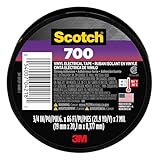
My first iPhone charging cable frayed after about six months. I was furious. It felt like such a waste of money for something that was supposed to be durable. My immediate thought was, can I use electrical tape for charging cable damage? I’d seen people wrap it around everything from tool handles to bike handlebars. It seemed like the universal fix-all for anything that needed a bit of holding together.
So, I grabbed the black roll from my dad’s toolbox and went to town. It held. For a bit. Then the tape started peeling, leaving a sticky, lint-covered mess that made the cable even more awkward to handle. That little experiment taught me a valuable, albeit frustrating, lesson about quick fixes versus proper solutions.
Look, we’ve all been there. That moment when your charging cable starts to look like a sad, limp noodle, with wires threatening to stage a full-blown escape. Whether it’s the bend near the connector that’s seen too much action, or a random abrasion from being tossed in a bag, the urge to grab the nearest roll of tape is strong. And for many, that tape is good ol’ black electrical tape. It’s cheap, it’s ubiquitous, and it’s flexible. So, can I use electrical tape for charging cable repairs? The short answer is: maybe, but probably not how you think, and definitely not as a long-term fix.
Electrical tape’s main gig is, well, electrical insulation. Its primary job is to prevent shorts and protect exposed wires in electrical systems. It’s made of PVC, which is a decent insulator and offers some flexibility. It can stretch a bit, which is why it seems like a good idea for wrapping around a cable that’s starting to split. The adhesive is designed to stick to itself and to smooth surfaces, and it’s generally resistant to moisture and mild chemicals. For very minor, superficial nicks where no actual wires are showing, a few wraps might keep it from getting worse for a short while. Think of it as a tiny, temporary band-aid for a minor scrape.
However, charging cables are subjected to a lot more than just sitting still. They get bent, twisted, pulled, and shoved into pockets and bags. The heat generated during charging, especially with fast chargers, can also affect the tape. While electrical tape isn’t highly flammable, it’s not designed to withstand consistent heat cycles that can occur with charging.
The adhesive, which is often rubber-based, can soften and become gummy, leading to that sticky residue I mentioned. Worse, it can actually make the problem worse by creating a bulky, uneven surface that puts more stress on the weakened cable area.
It’s like trying to hold a broken bone together with a rubber band – it might offer a tiny bit of support, but it’s not addressing the root issue and could even cause more damage.
The Real Reason Cables Go Bad (and Why Tape Isn’t Enough)
The most common culprit for charging cable failure isn’t just wear and tear; it’s the repeated stress on specific points. Most cables fail where they flex the most: right at the connector. This is where the cable bends sharply every time you plug it in or unplug it. Over time, the internal wires, which are often very thin strands, start to break from this constant flexing. The outer insulation, the plastic or rubber sheath, might start to show cracks or fray, but the real damage is happening inside. Sometimes, the connector itself can become loose or damaged, leading to intermittent charging.
I remember buying a super cheap multi-pack of charging cables online once. They looked fine, felt okay.
Within a month, three of them were completely dead. One had a visible split near the USB-C end, and I thought, ‘Aha! Electrical tape to the rescue!’ (See Also: Can I Use Electrical Tape To Connect Wires )
I wrapped it up tight, feeling pretty smug. But the next day, it wouldn’t charge my phone at all. The tape had done nothing to reinforce the internal wires that had clearly snapped. It just looked like a poorly bandaged wound.
That experience solidified my belief that if the internal wires are compromised, tape is just cosmetic camouflage for a failing component. It’s a bit like putting a fresh coat of paint on a crumbling wall; it looks better for a minute, but the structural integrity is gone.
Another thing to consider is the type of cable. Cheaper cables often use thinner wires and less solid insulation. This makes them much more susceptible to damage from flexing and pulling. Even a small nick in the outer sheath can expose the delicate internal wiring to dirt, moisture, and short circuits. When you’re dealing with that kind of flimsy construction, electrical tape isn’t going to magically reinforce it. It’s like trying to prop up a rotten fence post with a piece of string. The underlying issue is the quality of the cable itself, not just the outer sheath.
Electrical Tape vs. Dedicated Cable Repair Solutions
So, if electrical tape is a questionable fix, what are the alternatives? There are actually products designed specifically for repairing charging cables, and they’re worth looking into if you’re trying to salvage a cable. These often fall into a few categories. The first is heat-shrink tubing. This is a plastic tube that you slide over the damaged area, and then you heat it with a heat gun or even a hairdryer. As it heats, it shrinks tightly around the cable, providing a durable and clean-looking repair. It adds rigidity and protects the underlying wires, offering a much more solid solution than electrical tape.
Another option is specialized cable repair kits. These often include patches made of durable materials like silicone or reinforced fabric, sometimes with an adhesive backing. They’re designed to be flexible yet tough, able to withstand the bending and movement that cables endure. Some kits even come with little sleeves or cuffs that you can slide onto the cable ends to reinforce the stress-prone areas before damage even occurs. These are often more expensive than a roll of electrical tape, but the longevity and effectiveness are significantly higher.
I’ve tried a few of these dedicated solutions. For a cable that had a nasty split near the lightning connector, I used a heat-shrink tubing kit I picked up for about $10. It took a bit of fiddling to get the tubing positioned correctly, but once shrunk, it looked almost professional. That repaired cable lasted me another eight months of daily use before the other end started to go. That’s a far cry from the week or two electrical tape would have managed. The key difference is that these products are engineered to handle the specific stresses and environmental factors that charging cables face, something electrical tape simply isn’t built for.
Here’s a quick rundown of how I’d compare them:
| Repair Method | Pros | Cons | Verdict |
|---|---|---|---|
| Electrical Tape | Cheap, readily available, flexible | Temporary, can leave sticky residue, poor heat resistance, doesn’t reinforce internal wires | Last resort for minor cosmetic issues, short-term only. Not recommended for anything serious. |
| Heat-Shrink Tubing | Durable, professional look, good insulation, adds rigidity | Requires heat source, can be tricky to apply neatly, might not work on very thick cables | Excellent for reinforcing frayed or split insulation. A solid DIY fix. |
| Cable Repair Kits (Pads/Sleeves) | Specifically designed for cables, flexible yet tough, good protection | Can be pricier, variety of quality, some might be bulky | Great for high-stress areas or significant damage. Offers good protection against future wear. |
Common Mistakes When Trying to Fix Cables
When people ask, ‘can I use electrical tape for charging cable,’ they’re usually looking for a quick, cheap fix. And that’s where the mistakes start. The biggest blunder is believing that wrapping tape around a frayed cable will magically make it as good as new. It won’t. If the internal wires are exposed or broken, tape is just covering up a failing component. This can lead to unreliable charging, data transfer errors, and even a risk of short circuits if enough wires are exposed.
Another common mistake is using too much tape or wrapping it too tightly. Over-tightening can actually put more strain on the already weakened cable, causing it to break further down the line. Too much tape creates a bulky mess that’s hard to manage and can snag on things. It also makes the cable less flexible, which is the opposite of what you want. I’ve seen cables wrapped in what looked like half a roll of electrical tape, making them practically unusable. (See Also: Can Electrica Tape Catch On Fire )
People also often underestimate the heat generated by fast chargers. Electrical tape isn’t designed for prolonged exposure to higher temperatures. The adhesive can break down, making the tape slide off, and the PVC itself could potentially warp or degrade. This is especially true if the cable itself is damaged and drawing more power than it should, leading to overheating at the damaged point. So, while you might get away with it for a standard 5W charger, a high-wattage fast charger could turn your tape job into a gooey mess very quickly.
Finally, there’s the mistake of neglecting the problem until it’s too late. A small nick in the insulation can quickly turn into a major failure if left unattended. By the time the cable is completely dead, the damage might be too extensive for any repair to be effective. The best approach is to address minor issues proactively. If you see a bit of fraying, consider a proper repair method or replace the cable before it becomes a important failure. It’s much cheaper and less frustrating in the long run.
When Electrical Tape might Be Okay (and What to Look For)
Okay, so I’ve been pretty down on electrical tape for charging cables. But is there ever a scenario where it’s not a terrible idea? Honestly, it’s a very narrow window. Think of the most superficial issues. If the outer rubber sheath has a tiny, shallow scratch or scuff mark, and absolutely no wires are showing or even hinted at being damaged underneath, a single wrap of electrical tape might prevent that minor imperfection from worsening. It’s purely for cosmetic protection of the outer layer when the internal structure is perfectly intact.
When I say “a single wrap,” I mean it. You want just enough to cover the scratch. Don’t go hog wild. The tape should be snug but not constricting. You’re aiming to create a smooth surface over the damaged spot, not to add bulk or rigidity. The adhesive on electrical tape is designed to stick to itself, so a clean overlap is key. Make sure the tape you’re using is fresh and sticky, not old and dried out. Old electrical tape can lose its tackiness and just peel off, making your efforts worthless.
The key thing to look for if you’re considering this is the depth of the damage. If you can see any hint of color other than the outer sheath’s color (like white or metallic threads, which are usually insulation for internal wires), then electrical tape is out. If you can pinch the damaged spot and feel that the outer layer is compromised to the point where internal wires might be exposed with a bit more flexing, then you’re past the point where electrical tape can help. The cable needs a more solid repair or replacement.
It’s always better to err on the side of caution. A cheap cable is one thing, but a damaged cable that poses a risk of shorting or damaging your expensive phone is another.
I did have one instance where the plastic coating on a headphone cable (not a charging cable, but similar principle) got a tiny tear. I used a single, neat wrap of high-quality electrical tape. It lasted for months because headphones don’t get the same kind of constant bending and heat exposure as phone chargers. The tape kept the tear from spreading. For charging cables, however, the stakes are higher, and the demands are greater. So, while technically possible in the most trivial of cases, it’s rarely the right answer.
The Long-Term View: When to Just Buy a New Cable
Let’s be brutally honest here. Charging cables are consumable items. They are designed to be used, and over time, they will wear out. Trying to repair a charging cable indefinitely with DIY methods is often a losing battle. While I’ve championed some repair methods like heat-shrink tubing for specific situations, there comes a point where the effort, cost, and unreliability outweigh the savings. For most people, the question isn’t so much ‘can I use electrical tape for charging cable‘ as it is ‘when should I just get a new one?’
My personal rule of thumb is this: if the damage involves exposed internal wires, if the cable is intermittent (works sometimes, not others), or if the connector itself is loose or damaged, it’s time to retire the cable. These are signs of significant internal damage that no amount of tape, heat-shrink, or even epoxy will reliably fix. You’re not just risking your phone; you’re risking your safety. Faulty cables can overheat, melt, or even cause fires, especially when left charging overnight or unattended. (See Also: Can I Substitute Duct Tape For Electrical Tape )
Furthermore, the constant fiddling with repairs can actually lead to more damage. Every time you manipulate a damaged cable to apply a repair, you risk stressing the internal wires further. You might think you’re saving it, but you could be accelerating its demise. I learned this the hard way with a USB-C cable that had a slight fraying near the port. I tried wrapping it, then added some Sugru (a moldable glue), and then some more tape. Each attempt made the cable stiffer and more prone to bending at a new point. Eventually, it just died completely, and I realized I’d spent more time and money on fixes than a new cable would have cost.
Investing in a good quality, reputable brand cable is often the most economical and safest approach in the long run. Look for cables that are certified by standards bodies (like USB-IF for USB cables), have reinforced connectors, and feature braided nylon or durable rubber sheathing. These cables are built to withstand more abuse and typically last much longer. While they might cost $20-$30 instead of $5 for a no-name brand, the lifespan and reliability are usually worth it. You end up replacing them less often, saving you hassle and potential disaster.
People Also Ask: Charging Cable Repair
How Do You Fix a Frayed Charging Cable?
For minor fraying where no wires are exposed, heat-shrink tubing is a great option. You slide a piece of tubing over the frayed area, then use a heat gun to shrink it tightly. If wires are exposed, it’s a more serious issue. While you could try to carefully re-insulate exposed wires with specialized tape or Sugru, it’s risky. Often, the internal conductors are already damaged, making a repair unreliable. In such cases, it’s safer and more effective to replace the cable.
Can You Wrap a Charging Cable with Tape?
Yes, you can wrap a charging cable with tape, but it’s generally not a good long-term solution. Electrical tape can offer temporary protection for superficial nicks, but it doesn’t address internal wire damage and can leave a sticky residue. Specialized cable repair kits or heat-shrink tubing provide more durable and reliable fixes for fraying or splits.
What Is the Best Way to Repair a Charging Cable?
The “best” way depends on the damage. For minor insulation tears, heat-shrink tubing or durable cable repair patches are excellent. If the cable is faulty and charging is intermittent, or if internal wires are exposed, replacement is the safest and most reliable option. Investing in high-quality, certified cables from the start can also prevent the need for frequent repairs.
Is It Safe to Use a Damaged Charging Cable?
It is generally unsafe to use a damaged charging cable. Exposed wires can cause short circuits, damage your device, or even pose a fire hazard. Frayed insulation can also lead to intermittent charging and data transfer issues. If your cable is visibly damaged or not working correctly, it’s best to stop using it immediately and replace it.
Conclusion
So, after all that, can I use electrical tape for charging cable repairs? My honest answer is: only as a desperate, last-ditch, temporary measure for a tiny, superficial scratch where absolutely no wires are showing. And even then, understand that it’s a band-aid on a problem that will likely return, often with a sticky residue as a parting gift. It’s a fix that rarely addresses the real issue – the internal wires being stressed or broken.
The truth is, charging cables are built to be used, and they have a lifespan. When they start to show significant wear, intermittent charging, or exposed wires, it’s a clear sign they’re at the end of their road. Trying to save a few bucks with a DIY fix might seem like a good idea, but it often leads to further frustration, unreliable performance, or even potential safety hazards.
My advice? Save your money and your sanity. Invest in a quality cable from a reputable brand. If a cable does get damaged, consider a proper repair like heat-shrink tubing for minor insulation issues. But if there’s any doubt about the internal wires or the cable’s performance, it’s time to let it go and buy a new one. Your devices and your peace of mind will thank you.