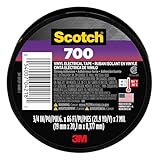
You’re staring at a frayed wire, maybe a loose connection on a lamp, and you’ve got a roll of that silver-lined miracle worker, duct tape, sitting right there. The question pops into your head: can I use duct tape in place of electrical tape? I’ve been there, my friend. More times than I care to admit, usually late at night when the nearest hardware store is a distant dream. And let me tell you, my first few attempts at rigging a quick fix with duct tape were… educational. Some stuck, some didn’t, and a couple made me sweat a little more than I should have.
We’ve all heard the gospel of electrical tape: it’s stretchy, it’s insulating, it’s designed for this exact job. Duct tape, on the other hand, is the everything-fix-all. But when it comes to wires and electricity, ‘good enough’ can be a really, really bad place to end up.
So, let’s cut to the chase. Is slapping some silver tape on a wire going to save your bacon in a pinch, or is it a recipe for disaster? I’ve spent more hours than I care to count wrestling with wires, tools, and the occasional questionable repair, so let’s talk turkey.
Duct Tape vs. Electrical Tape: The Core Difference
Alright, let’s get down to brass tacks. The fundamental reason you’d even consider this question is because both materials, on the surface, seem to do the same thing: stick stuff together and cover things up. But here’s the kicker: electricity is a fickle beast, and what works for holding a broken garden hose together is a universe away from what’s needed for a live wire. Electrical tape is specifically engineered for one job, and it does it damn well.
Duct tape is a generalist, and when you need a specialist, a generalist is often a poor substitute. The primary job of electrical tape is to provide insulation.
This means it needs to prevent electrical current from escaping the conductor (the wire itself) and finding an unintended path, which could lead to shocks or fires. It’s made from vinyl, which has excellent dielectric strength – that’s a fancy way of saying it’s really good at resisting electrical breakdown. It’s also designed to be stretchy, so you can wrap it tightly around irregular shapes and get a snug, secure fit that won’t peel off easily.
Plus, most good electrical tapes are flame-retardant, which is a huge deal when you’re dealing with potential heat sources.
Duct tape, bless its heart, is mostly cloth mesh sandwiched between layers of polyethylene and a really aggressive adhesive. That adhesive is sticky, sure, but it’s not designed to be an insulator.
It’s designed to bond to a multitude of surfaces, often under stress, like a leaky pipe or a torn tarp. The cloth mesh itself can potentially conduct electricity if the covering gets compromised, and the adhesive can degrade over time, especially when exposed to heat or UV light, which are common in electrical applications. I learned this the hard way when a ‘quick fix’ on a garden tractor’s wiring harness, done with duct tape during a sudden downpour, failed spectacularly a few months later. The sun and rain had worked their magic on the adhesive, and the tape started to peel, exposing the wire.
It wasn’t a fire hazard that time, thankfully, but it made me realize that this tape was just not built for the long haul in that environment.
Think about it: electrical tape is designed to be a barrier. Duct tape is designed to be a binder. They’re fundamentally different tools for fundamentally different jobs. While you can physically wrap duct tape around a wire, it doesn’t possess the important insulating properties that electrical tape does. The common advice, and for once it’s actually good advice, is to use the right tool for the job. If the job involves electricity, that tool is almost always electrical tape.
When ‘good Enough’ Is Actually Dangerous
I’ve seen some truly questionable ‘fixes’ in my time. People using anything and everything as a substitute for the proper material. And while I appreciate the ingenuity and the desire to get things done without a trip to the store, when it comes to electrical work, there’s a line.
Using duct tape in place of electrical tape crosses that line. It’s not just about whether it’ll hold things together temporarily; it’s about safety. (See Also: Can I Use Electrical Tape To Connect Wires )
Electrical tape is rated for a certain voltage, meaning it can handle a specific amount of electrical pressure before it breaks down. Duct tape has no such rating, and frankly, its insulating properties are minimal compared to proper electrical tape. You might get away with it for a low-voltage, non-important application, like temporarily securing a speaker wire that’s out of reach, but anything involving household current?
That’s asking for trouble.
The adhesive on duct tape also tends to break down when exposed to heat. Many electrical connections generate some heat, especially if they’re under load. This heat can cause the duct tape adhesive to soften and ooze, or even liquefy, compromising the integrity of the ‘insulation.’ Then you’ve got exposed wires, a sticky mess, and a real risk of shorts, sparks, or even fire.
I remember a buddy who used duct tape to repair the cord on his old electric skillet. He figured, ‘it’s just a cord.’ A few weeks later, his wife smelled smoke.
Turns out, the heat from the skillet had melted the duct tape, exposing the wires near the plug. It was a close call, a real scare, and a powerful lesson about not cutting corners on electrical safety.
The common advice to use electrical tape isn’t about being picky; it’s about preventing fires and shocks. This isn’t a nuanced debate where the ‘right’ answer is subjective. For anything more than a temporary, low-voltage fix, duct tape is a terrible substitute for electrical tape. It’s like using a butter knife to chop through a brick – it’s not designed for the task and you’re likely to end up with a broken tool and no progress.
You might save a few bucks and a trip to the store in the short term, but the potential cost of a fire or an electrical injury is astronomical. It’s not worth the risk, plain and simple. This is where the ‘waste of money’ products come in; sometimes, paying for the right thing upfront saves you a fortune (and a lot of headaches) down the line.
When Duct Tape Might (barely) Pass Muster
Okay, I’m going to take a slightly contrarian stance here, because I believe in honesty about what actually works in the real world, not just what the manufacturers tell you. There are a few, very specific, and very low-risk scenarios where duct tape might be used as a temporary cosmetic cover-up on something electrical, but NEVER for actual insulation. And I mean never.
We’re talking about situations where the wires are already perfectly insulated, perfectly safe, and you just need to tidy up some loose ends for aesthetic reasons or to prevent a very low-voltage cable from snagging. For example, imagine you have some speaker wire running along a baseboard, and it’s slightly frayed at the end where it plugs into the wall. The wire itself is still completely intact and insulated. You just want to wrap the very end of the outer sheathing to make it look a little neater and prevent further fraying.
In that limited instance, a bit of duct tape might serve as a crude binding. But even then, I’d reach for electrical tape first because it’s designed to conform better and look cleaner.
Another highly conditional use might be on the exterior casing of a low-voltage power adapter, like for a laptop or a phone charger, where the plastic casing itself is damaged but the internal wires are completely untouched and undamaged. If you’re just trying to keep the casing from splitting further while you wait for a replacement, duct tape could offer some mechanical support.
But again, this is entirely on the outside of an already insulated device, not on any exposed wires or connections. I once had a phone charger that got run over by my desk chair, cracking the plastic housing near the USB port. The wires inside were fine, but the casing was threatening to fall apart. I wrapped it in some black duct tape to hold it together until a new charger arrived. (See Also: Can Electrica Tape Catch On Fire )
It looked like garbage, but it worked. This is not insulation, this is just holding a broken piece of plastic together.
The key here is that the electrical integrity is already sound, and you’re not relying on the duct tape for any sort of protection against shock or short circuits. It’s purely a physical binder for a damaged outer layer, and even then, it’s a temporary measure. As soon as humanly possible, you should replace the damaged item or use the proper materials. If there’s any chance the duct tape will be in contact with bare wire, exposed insulation that’s compromised, or subject to any significant heat or moisture, then forget it. It’s a non-starter. You’re playing with fire, literally, in those scenarios.
My Personal Duct Tape Disaster (and What I Learned)
I’ll never forget the time I was trying to fix an old outdoor extension cord. It had a nasty nick in the rubber insulation, exposing some of the wire strands. It was late, raining, and I was determined to power up my Christmas lights.
My brain, in its infinite wisdom, decided that the super-strong adhesive and the thick material of duct tape would be the perfect, waterproof fix. So, I diligently wrapped that nick with about five layers of silver duct tape, feeling pretty proud of my resourcefulness. I plugged it in, and lo and behold, the lights flickered to life.
Victory! Or so I thought. About two hours later, I heard a crackling sound and saw a faint blue glow coming from the cord.
I yanked the plug out of the wall faster than a politician dodges a question. The duct tape had gotten soaked, the adhesive had lost its grip, and the exposed wire was arcing like a tiny, deadly lightning show. The duct tape hadn’t insulated; it had just created a damp, sticky trap that made the problem worse.
That incident cost me a perfectly good extension cord (it was toast after that), a near-miss with a serious electrical hazard, and a healthy dose of humility. It taught me a valuable lesson: when it comes to electrical repairs, there’s no room for guesswork or ‘good enough.’ The materials you use have to meet specific safety standards, and duct tape simply doesn’t. You can’t just substitute it because it’s handy. I spent about $30 replacing that cord and some other wiring accessories I’d jury-rigged around the same time, but the potential cost of that arcing wire was much, much higher.
Now, whenever I see a frayed wire, my first instinct is to reach for the electrical tape. If I don’t have it, I don’t do the repair. I’ve learned to keep a good supply of proper electrical tape on hand, along with other key electrical supplies. It’s a small investment that pays off big in safety and peace of mind. Don’t be like me in that moment of desperate, misguided DIY. Save yourself the trouble, the potential danger, and the sticky mess. Buy the right tape. Your future self, and anyone who might come into contact with your handywork, will thank you.
The Right Way to Insulate: A Quick Guide
If you’ve got a wire that needs insulating, here’s the proper way to go about it. First off, and this is a must: always disconnect the power. Seriously. Unplug the appliance, flip the breaker, do whatever you need to do to make sure there’s no electricity flowing. If you’re not comfortable doing this, or if you’re dealing with anything more complex than a simple cord repair, call a qualified electrician. Your safety is worth more than any DIY project.
Once the power is off, assess the damage. If the insulation is just a minor nick and the wire itself isn’t significantly damaged, you can proceed with electrical tape.
Clean the area around the damage to remove any dirt or grease. Then, take your electrical tape and start wrapping, overlapping each layer by about half.
You want to create a smooth, smooth layer of insulation. Start wrapping a good inch or so before the damaged area and extend another inch or so beyond it. Pull the tape taut as you wrap to make sure a tight, secure fit. You might need several layers to create sufficient insulation, especially for higher voltage applications. (See Also: Can I Substitute Duct Tape For Electrical Tape )
The vinyl material should conform to the shape of the wire and create a solid barrier.
For more serious damage, like a significant tear or a section where the wire itself is exposed, electrical tape might be a temporary fix, but it’s often better to replace the entire cord or component. If you’re dealing with multiple wires in a bundle, electrical tape is also used to keep them neatly organized and insulated from each other. When wrapping a bundle, use the same overlapping technique. Some people like to use heat-shrink tubing for a more professional and solid insulation job, and that’s another excellent option for many repairs.
It’s a sleeve that shrinks down tightly when heated, creating a very durable and insulated seal. But for a quick, effective fix on minor damage, good quality electrical tape is your best friend. Here’s a simple comparison:
| Feature | Electrical Tape | Duct Tape | Verdict |
|---|---|---|---|
| Primary Purpose | Electrical Insulation | General Binding/Repair | Electrical tape is specialized; duct tape is not. |
| Insulating Properties | Excellent (Vinyl) | Poor to None | Duct tape offers virtually no electrical insulation. |
| Adhesive Stability | Stable, designed for electrical use | Degrades with heat/UV, can ooze | Duct tape adhesive is unreliable for electrical jobs. |
| Flexibility/Conformability | High, stretches well | Moderate, less conformable | Electrical tape wraps cleaner and tighter. |
| Flame Retardancy | Typically yes | Typically no | A important safety difference. |
| Best Use Case | Insulating wires, splicing, bundling | Repairing hoses, sealing boxes, general quick fixes (non-electrical) | Use electrical tape for electricity. Period. |
The Final Word: When to Just Buy the Right Stuff
Look, I’m all for making do with what you have. I’ve patched tires with chewing gum (don’t ask), fixed sunglasses with paperclips, and generally believe that a bit of elbow grease and creativity can solve a lot of problems. But when it comes to electrical insulation, there are some things you just can’t substitute.
The question ‘can i use duct tape in place of electrical tape’ almost always leads to a ‘no’ in practice, because the risks far outweigh any perceived benefit. The cheap roll of duct tape might seem like a quick fix, but it’s a gamble with your safety and your property. Electrical tape is relatively inexpensive, readily available, and designed precisely for the job of safely insulating electrical connections. It’s one of those rare instances where spending a few dollars on the correct material is the smartest, safest, and ultimately, the most cost-effective decision you can make.
Don’t try to reinvent the wheel when the wheel you need is sitting on the shelf at the hardware store.
What Is the Dielectric Strength of Electrical Tape?
The dielectric strength of electrical tape refers to its ability to withstand an electrical field without breaking down. Standard vinyl electrical tapes typically have a dielectric strength in the range of 1,000 to 5,000 volts per mil (0.001 inches). This rating is important because it indicates how well the tape can prevent electrical current from passing through it. Duct tape, lacking this specific engineering for insulation, has a much lower and often unquantified dielectric strength, making it unsuitable for electrical insulation purposes.
Can Duct Tape Cause a Fire?
Yes, duct tape can absolutely contribute to a fire hazard if used improperly on electrical wiring. Because it is not designed as an electrical insulator and its adhesive can degrade under heat, it can fail, exposing wires. This can lead to short circuits, sparks, and arcing, which are all ignition sources for flammable materials. The risk is significantly higher if the duct tape is applied to damaged insulation or connections that generate heat.
Is Electrical Tape Waterproof?
Most good quality electrical tapes are water-resistant, not fully waterproof. They are designed to provide a barrier against moisture to help prevent corrosion and maintain insulation integrity in typical environmental conditions. However, prolonged submersion in water might compromise the adhesive or the material itself. For truly waterproof applications, specialized tapes or sealing methods might be required, but for general electrical work, standard electrical tape offers sufficient moisture protection.
Final Verdict
So, to circle back to that nagging question: can i use duct tape in place of electrical tape? In almost every scenario where you need actual electrical insulation, the answer is a resounding no. I’ve seen firsthand what happens when you try to cut corners with duct tape on live wires, and trust me, it’s not a good look. The sticky mess, the potential for shorts, and the real risk of fire are just not worth saving a few minutes or a few dollars.
My advice? Keep a roll of proper electrical tape in your toolbox. It’s cheap, it’s effective, and it’s made for the job. If you’re ever in doubt about a repair, especially anything involving household electricity, err on the side of caution. It’s better to spend a little time and money getting it right than to risk a dangerous situation. Don’t let a cheap fix turn into an expensive disaster.
Next time you’re tempted to reach for that silver roll, pause for a second. Ask yourself if the safety of yourself and your home is worth gambling on a material that’s fundamentally unsuited for the task. I know my answer, and I hope you know yours too.