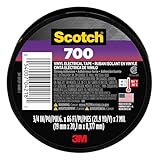
Alright, let’s cut the crap. You’ve got a frayed wire, maybe a bit of insulation gone rogue, and you’re staring at a roll of that black stuff. The question pops into your head: can I put electrical tape on exposed wire? I’ve been there. I remember a few years back, a lamp cord decided to split right near the plug. Panic. My first thought? Grab the nearest tape.
It’s a tempting quick fix, right? Wrap it up, job done. But is it really done? Or are you just kicking the can down the road, potentially creating a bigger, more dangerous problem? I’ve wasted money on products that promised the moon and delivered dust, and I’ve learned the hard way what actually works. So, let’s get real about this.
Why Everyone Thinks Electrical Tape Is a Magic Bullet (and Why They’re Kinda Wrong)
Look, electrical tape has a job. It’s designed to insulate and protect electrical connections. It’s stretchy, it’s sticky, and it’s usually black, which makes it look like the go-to for any wire-related emergency. I’ve seen people use it for everything from fixing a leaky garden hose to wrapping up a broken tool handle. And yeah, sometimes, it might hold for a while. But when it comes to actual exposed wires, especially ones carrying significant current or in high-stress situations, relying solely on electrical tape is a gamble I’m not willing to take anymore.
My first real DIY electrical screw-up involved a dimmer switch replacement. I’d accidentally nicked a wire, exposing a sliver of copper. My brain, in its infinite wisdom, screamed ‘ELECTRICAL TAPE!’ So I wrapped it up, feeling pretty proud of my quick thinking. Fast forward a few weeks, and I started noticing a faint burning smell whenever the lights were on. Turns out, the tape had started to degrade, the heat had made it gummy, and sparks were starting to jump. That was a wake-up call. It wasn’t a fire hazard, thankfully, but it could have easily been. That experience taught me that just because you can do something, doesn’t mean you should.
The common advice often boils down to ‘just wrap it tight.’ But what they don’t always tell you is that electrical tape is rated for specific voltage levels. That cheap roll from the dollar store might not handle the juice flowing through your appliance. It’s also not designed for extreme temperatures or prolonged UV exposure. If that exposed wire is in a hot engine bay, in direct sunlight, or subject to a lot of flexing, that tape is going to fail, and probably sooner than you think. It’s a temporary patch, a band-aid, not a permanent solution for faulty insulation.
Here’s the thing: electrical tape is great for bundling wires together, protecting connections that are already properly terminated, or providing a bit of extra insulation on a connection that’s barely showing. It’s also decent for low-voltage stuff, like speaker wire or alarm systems where the stakes are lower. But for the main power cord of your toaster, the wiring in your car’s ignition, or anything you wouldn’t want to get shocked by, it’s a no-go as a primary fix. It’s like using duct tape to hold your car’s brake pads on – it might stop it for a second, but you’re asking for trouble.
What You Should Be Doing Instead: The Real Fixes
Okay, so if electrical tape isn’t the hero we thought it was for exposed wires, what is? The honest answer is, it depends on the wire, the damage, and the situation.
But generally, you want something that provides proper, lasting insulation and protection. For minor nicks where a bit of copper is just peeking out, heat shrink tubing is your best friend. You slide a piece of this special plastic tubing over the damaged area, then heat it up with a heat gun or even a lighter (carefully!).
It shrinks down, creating a snug, insulated seal that’s way more durable than tape. I’ve used it on everything from appliance cords to the wiring harness in my old motorcycle, and it’s held up like a champ. (See Also: Can I Use Electrical Tape To Connect Wires )
Another solid option for slightly more substantial damage is a proper wire splice connector. These come in various forms – crimp connectors, Wago connectors, or even the old-school wire nuts. You strip back the damaged insulation a bit, insert the exposed wire into the connector along with a good section of the undamaged wire, and then crimp or twist it securely. Wago connectors are particularly slick; you just push the wire in, and they grip it. These create a solid mechanical and electrical connection, and then you can go over that with electrical tape or (even better) a specialized cable wrap or sleeve for extra protection against abrasion or moisture. It’s about making a proper connection first, then protecting it.
For cords that are really frayed or have larger sections of insulation missing, especially near plugs or where the cord enters an appliance, you’re often looking at a full replacement of that section of cord. This involves cutting out the damaged part and splicing in a new piece of wire of the same gauge and type. This is more involved and requires a bit more skill, but it’s the safest way to make sure the integrity of the circuit. You’ll need to strip both ends of the existing cord and the new wire, then use a reliable splicing method (like crimp connectors or Wago connectors) and make sure the splice is properly insulated and protected. This is where using electrical tape over a secure splice connector can be appropriate, but the connector is doing the heavy lifting.
A less common but effective method for certain applications, especially in automotive or marine environments where vibration and environmental factors are high, is using liquid electrical tape. It’s a brush-on or spray-on coating that dries to form a flexible, waterproof, and insulating layer. It’s not as quick as wrapping tape, but it can provide a superior seal on irregular shapes or in tight spots where heat shrink or connectors are difficult to use. I used some on a boat trailer wiring harness that was constantly getting splashed, and it’s held up surprisingly well against corrosion and moisture. It’s not a substitute for a solid connection, though – it’s a protective coating.
The Electrical Tape Showdown: When It’s Okay (barely) and When to Run
Let’s be brutally honest: there are situations where electrical tape might be your only immediate option, and you’re in a bind. Think of a very minor scratch on an appliance cord in your kitchen, far from any water source, and you need it to last until you can get to the hardware store tomorrow. In those rare, low-risk scenarios, wrapping it tightly and making sure it covers the exposed copper completely might get you by. But even then, you’re walking a thin line. The key here is ‘minor’ and ‘low-risk’.
Here’s my personal rule of thumb: if the wire carries more than a couple of amps, is in an environment with moisture or extreme temperatures, is subject to flexing or abrasion, or is part of your home’s main wiring, do NOT rely solely on electrical tape. That includes extension cords used outdoors, appliance cords that get moved around a lot, or any wiring that’s accessible to children or pets. The risk of shock, fire, or equipment damage is just too high. It’s a temporary fix at best, and often a downright dangerous one.
I’ve seen people try to repair a blown fuse by wrapping the fuse terminals with electrical tape to ‘bridge’ the gap. This is incredibly stupid and dangerous. Fuses are designed to melt and break the circuit at a specific current to prevent fires. Bypassing a fuse with tape creates a direct, unhindered path for current, which can overload circuits, melt wires, and start fires. Never, ever do this. It’s a surefire way to cause damage or injury.
My contrarian take? Electrical tape is often oversold as a universal repair solution. People see it, it’s designed for electrical stuff, so they assume it’s good for any electrical problem. I disagree. Its primary strength is its elasticity and adhesion when used correctly to secure and insulate already made connections or to bundle wires, not to repair damaged insulation on its own. For actual damage, it’s a last resort, and even then, a very temporary one. Think of it like a sticker you put on a cut – it doesn’t heal anything, it just covers it up.
| Scenario | Verdict |
|---|---|
| Minor nick on a low-voltage cord (e.g., headphones, speaker wire) | Possibly OK (Temporary) – Wrap tightly. Replace soon. |
| Frayed appliance cord near the plug | NO WAY – High risk. Replace cord or appliance. |
| Exposed wire in a damp or hot environment (e.g., bathroom, engine bay) | ABSOLUTELY NOT – Danger of shock or fire. |
| Temporary fix until proper repair can be done (less than 24 hours) | Risky but potentially manageable – Only for very low-risk, low-power situations. Monitor closely. |
| Bundling wires together after a proper splice | YES – This is what it’s good for. |
| Attempting to bypass a fuse | DO NOT DO THIS EVER – Extreme fire and damage risk. |
What to Look for in Real Electrical Tape (if You Must Use It)
If you absolutely find yourself needing to use electrical tape, and you’ve determined it’s a low-risk, temporary situation, then you should at least use the right kind of electrical tape. Not all electrical tape is created equal. The stuff you find in a generic multipack for a couple of bucks might not be up to snuff. You want tape that’s specifically labeled as ‘electrical tape’ and ideally, one that meets certain standards. For example, UL (Underwriters Laboratories) listing is a good indicator that the tape has been tested for safety and performance. (See Also: Can Electrica Tape Catch On Fire )
Good quality electrical tape should be flexible and able to stretch significantly without tearing. This allows it to conform to irregular shapes and create a tight, smooth wrap. It should also have good adhesion and maintain that adhesion over time, even with minor temperature fluctuations. Cheaper tapes can become brittle, lose their stickiness, or even melt and ooze, especially if they get warm. I learned this the hard way when a cheap tape started sagging and sticking to everything it touched after a hot summer.
Pay attention to the voltage rating. While most general-purpose electrical tapes are rated for common household voltages (like 600V), some are designed for lower or higher specific applications. If you’re dealing with anything beyond basic household wiring, you might need a tape with a higher rating. Also, consider the temperature range. If the repair area is exposed to heat or cold, you need tape that can withstand those conditions without degrading. Some tapes are specifically designed for high-temperature applications, like those found in automotive or industrial settings.
The thickness of the tape also matters. Thicker tapes generally offer better insulation and durability. When you’re wrapping, you want to build up several layers to create a solid barrier. A single thin layer is rarely sufficient for anything more than bundling. Aim for at least three to four layers, overlapping each layer by at least half the width of the tape. This creates a solid, continuous insulating sheath. Always apply the tape with tension to make sure it adheres properly and doesn’t leave any air pockets or gaps.
The Tangled Web of Wire Repair: Practical Tips & Common Pitfalls
Let’s talk practicalities. When you’re dealing with exposed wires, the first, most important step is always: TURN OFF THE POWER. Seriously. Go to your breaker box and flip the relevant switch or remove the fuse. Double-check with a non-contact voltage tester if you have one. Working on live wires is incredibly dangerous, and no quick fix is worth a trip to the ER or worse. I know it sounds obvious, but in a moment of panic or haste, it’s easy to forget the basics.
Once the power is off, inspect the damage closely. Is it a tiny nick? A long, exposed section? Is the copper corroded or discolored? This assessment will guide your repair method. If it’s just a superficial scratch and the insulation is mostly intact, you might get away with a bit of tape. If the copper is exposed and the insulation is torn significantly, you need a more solid solution. Remember, electrical tape is a protector, not a structural repair material for insulation.
A common mistake people make is not stripping enough of the damaged insulation away when preparing for a splice or using heat shrink. You need to get back to clean, undamaged wire on both sides of the break to make a solid connection. Another pitfall is using the wrong gauge of wire or connector for the job. If you’re replacing a section of cord, use wire that matches the original in terms of thickness (gauge) and material (copper). Mismatched gauges can lead to overheating or poor connections.
When using heat shrink tubing, make sure you select the correct size. It should fit snugly over the splice or damaged area before heating. Too big, and it won’t shrink down tight enough to provide good insulation. Too small, and you won’t be able to get it on in the first place. Also, remember that heat shrink often requires a bit of overlap onto the undamaged insulation on either side of the repair to create a good seal. Finally, always test your repair after restoring power. Plug in the appliance or turn on the circuit and listen for any unusual sounds, look for any signs of overheating, and check that it’s functioning correctly.
People Also Ask: Your Burning Questions Answered
Can You Use Regular Tape on Electrical Wires?
No, you absolutely should not use regular tape like scotch tape, masking tape, or duct tape on electrical wires. These tapes are not designed for electrical insulation and can melt, become sticky, or conduct electricity, posing a serious fire hazard and risk of electric shock. Electrical tape has special properties that make it suitable for electrical applications; regular tape does not. (See Also: Can I Substitute Duct Tape For Electrical Tape )
Is Electrical Tape Waterproof?
Most standard electrical tapes offer some resistance to moisture, but they are generally not considered fully waterproof. While they can provide a barrier against incidental splashes or humidity, prolonged immersion in water or exposure to significant moisture can compromise their adhesion and insulating properties. For truly waterproof applications, you’d typically look at specialized waterproof tapes or sealed splice kits.
How Many Layers of Electrical Tape Are Needed?
For a reasonably secure repair or connection bundling, it’s generally recommended to apply at least three to four layers of electrical tape. Each layer should overlap the previous one by at least half its width. This builds up sufficient thickness and makes sure there are no gaps or weak points in the insulation. More layers can be applied for added security, especially in higher-stress situations.
Does Electrical Tape Degrade Over Time?
Yes, electrical tape can degrade over time. Exposure to UV light, extreme temperatures (both hot and cold), oils, solvents, and even just age can cause the adhesive to lose its tackiness and the material to become brittle or gummy. This degradation can lead to the tape peeling off, cracking, or becoming less effective as an insulator, which is why it’s often considered a temporary fix for actual insulation damage.
Can Electrical Tape Be a Permanent Fix for Exposed Wires?
While electrical tape can be a temporary solution in very specific, low-risk scenarios, it is generally NOT considered a permanent fix for exposed wires. Proper insulation is important for safety, and tape can degrade. Permanent fixes involve methods like heat shrink tubing, proper wire connectors, or replacing the damaged section of wire entirely to make sure long-term safety and reliability.
Verdict
So, to sum it up: can I put electrical tape on exposed wire? The short, blunt answer is usually no, not as a permanent or reliable fix. It’s a tool with a specific purpose, and that purpose is rarely to replace damaged insulation on its own. I’ve seen too many ‘quick fixes’ turn into bigger problems. Think of it as a temporary bandage, not a cast.
If you’ve got exposed wire, your best bet is always to turn off the power, assess the damage, and use a proper repair method. Heat shrink, good quality connectors, or even a full wire replacement will give you peace of mind and keep you safe. Electrical tape has its place – bundling wires, protecting a decent splice – but it’s not a magic wand for frayed insulation.
Don’t be the person who gambles with their safety or their home. Invest a few bucks in the right materials, or call a pro if you’re unsure. Your future self (and your insurance company) will thank you.