Look, we’ve all been there. You’ve got a rip, a leak, or something that just needs holding together RIGHT NOW. And what’s the first thing that comes to mind?
Duct tape. It’s the silver bullet of quick fixes, right? But then you start thinking, what if I needed to, I don’t know, really secure something? Like, what if I had a small electrical issue, and wondered, can electricity melt duct tape?
It’s a question that pops into your head when you’re staring at a fraying wire held together by that sticky stuff, and you realize the ‘magic’ of duct tape might have its limits. This isn’t about theoretical science experiments; it’s about practical reality and what happens when you push this everyday hero too far.
I’ve seen duct tape used for everything from patching up a leaky garden hose to, well, holding together things that probably shouldn’t be held together with tape. So when the idea of electricity getting involved came up, I had to find out the honest truth. Forget the marketing hype; let’s talk about what actually happens.
What Happens When Electricity Meets Duct Tape? Spoiler: It’s Not Pretty.
Let’s cut to the chase. Can electricity melt duct tape? The short, blunt answer is: yes, under certain conditions, it absolutely can. But it’s not like you can just wrap a live wire in duct tape and expect it to turn into a puddle. The reality is a bit more nuanced and, frankly, a lot more dangerous. Duct tape, at its core, is made of a fabric mesh layered with a rubber-based adhesive and a polyethylene backing. None of these components are designed to conduct electricity, and in fact, most of them are pretty good insulators. That’s part of why it works for temporary fixes on electrical cords, right? It keeps you from touching the live wires.
However, when you introduce a significant electrical current, especially one that’s not properly contained or shielded, you’re basically introducing a heat source. Think of it like a really, really hot glue gun, but instead of a nozzle, it’s a length of wire.
The fabric mesh in duct tape is generally cotton or a cotton-polyester blend, which has a flammable nature. The polyethylene backing is a plastic.
When this plastic gets hot enough, it will soften, melt, and eventually burn. The adhesive, often a synthetic rubber or a latex-based compound, also has a melting point and can become sticky and gooey when heated.
The important factor here is the amount of heat generated. A low-voltage, low-amperage current flowing through a frayed wire might just warm the tape slightly. But a higher current, particularly if it encounters resistance (like a poorly made splice or damaged insulation), will generate significant heat very quickly.
I learned this the hard way, not by intentionally trying to melt duct tape with electricity, but by a messy DIY electrical project gone wrong. I was trying to extend a cord for a workshop light, and I thought a quick wrap of that trusty silver tape would be enough to insulate my amateur splicing job.
Big mistake. Within minutes, I started smelling that acrid, plasticky burning smell. Smoke started curling out from under the tape, and the whole thing became a gooey, flaming mess. It wasn’t a clean melt; it was a violent, messy disintegration.
The tape didn’t just melt into a puddle; it bubbled, blackened, and caught fire. Thankfully, it was a low-enough voltage that it didn’t cause a major electrical fire, but it certainly taught me a valuable lesson about the limitations of duct tape as an electrical insulator when things go south. It’s a temporary, emergency fix at best, and relying on it when a proper connector or insulation is needed is asking for trouble.
The Science of Softening: Heat, Not Current, Is the Culprit
It’s important to understand that it’s not the electricity itself that melts the duct tape. Electricity is the flow of charge, and while that flow can generate heat, it’s the heat energy that causes the melting. The duct tape’s components have specific melting points, and when the temperature around them exceeds these points, the physical state changes. The polyethylene backing, which is a thermoplastic, will soften and melt at temperatures typically between 115°C and 135°C (239°F and 275°F).
The adhesive, depending on its exact formulation, will have its own softening range. The fabric layer will char and eventually burn if the heat is high enough and sustained. So, the question then becomes: can an electrical fault generate enough heat to reach these temperatures?
Absolutely. Think about an overloaded circuit. When too much current is drawn through wires not designed for that load, the wires heat up. This is Ohm’s Law in action: Power (P) = Current (I)² * Resistance (R).
Even a small resistance, multiplied by the square of the current, can generate a massive amount of heat. A poorly made connection, corrosion, or damage to the wire’s insulation can all increase resistance. If duct tape is wrapped around such a faulty connection, it’s directly exposed to this localized heat. The polyethylene backing will be the first to go, melting and potentially dripping.
This molten plastic is still flammable and can ignite from the heat of the wires or any sparks generated by the electrical fault. The fabric layer will then absorb some of this heat and molten plastic, further contributing to the breakdown and potential ignition. (See Also: Are Electrical Taped Soda Bottles Dangerous )
This is why using duct tape for anything beyond a very temporary, non-important fix on low-voltage wiring is a terrible idea. It’s not rated for electrical insulation, and its melting point is well within the range of temperatures that can be generated by electrical faults. The common advice to use duct tape for quick electrical repairs is, in my opinion, downright dangerous. It gives people a false sense of security.
I’ve seen people try to patch up extension cords with it, wrap it around exposed wires after a breaker trips and resets, and generally treat it like a magical electrical sealant. I’ve personally witnessed a situation where a cheap extension cord, used outdoors and slightly frayed, had been ‘repaired’ with duct tape.
When it rained, the water created a short circuit, the tape heated up, melted, and then caught fire, igniting some dry leaves nearby. Luckily, it was a small fire, but it could have been much worse. The key takeaway is that duct tape’s insulating properties are minimal and degrade rapidly under heat, making it completely unsuitable for anything but the most fleeting, emergency situations where no other option is available.
| Component | Primary Material | Melting/Softening Range (Approx.) | Verdict for Electrical Use |
|---|---|---|---|
| Backing | Polyethylene | 115°C – 135°C (239°F – 275°F) | Melts easily with moderate electrical heat. Not a stable insulator. |
| Adhesive | Synthetic Rubber/Latex-based | Varies (softens significantly above 50°C / 122°F) | Becomes sticky and degrades under heat. Loses adhesion. |
| Fabric Mesh | Cotton/Polyester Blend | Charring above 200°C (392°F); Burns | Flammable. Degrades and loses structural integrity. |
Real-World Scenarios: When Duct Tape Fails Electrically
Let’s talk about where you might actually encounter electricity and duct tape, and why it’s a bad combination. The most common place is fixing or extending electrical cords. You know, the ones for your lamps, your power tools, your Christmas lights.
If a cord gets nicked, the insulation can be compromised. Some folks grab duct tape to wrap it up. This is where the rubber meets the road, or rather, where the plastic meets the arc.
A small nick might not cause an immediate issue, but over time, or if more damage occurs, the electrical current can find a path. If that path involves the duct tape, the heat generated by the resistance will start softening and melting the polyethylene backing.
This weakens the tape’s integrity, and it can start to peel away or become a sticky mess. More importantly, it can create a pathway for moisture to get in, which is a recipe for short circuits and fires, especially in damp environments.
Another scenario is temporary repairs on appliances or electronics. Maybe a wire inside your toaster oven comes loose, or the power cord on your vacuum cleaner starts fraying near the plug.
People might think, ‘I’ll just tape it up for now.’ But that ‘for now’ can quickly become a permanent, dangerous situation. The internal components of appliances often generate heat, even during normal operation. If duct tape is used to secure or insulate a wire near these heat sources, it’s only a matter of time before it starts to degrade.
I remember a friend who had a faulty wire on an old electric fan. He taped it up, and it worked for a few weeks. Then, one sweltering afternoon, the fan started smelling funny. He didn’t think much of it until smoke started pouring out of the base.
The duct tape had melted and caught fire, thankfully not spreading beyond the fan itself, but it was a close call. The heat from the motor, combined with the electrical current, was too much for the tape.
Then there are the more extreme, though less common, DIY situations. Someone trying to rig up a makeshift heating element, or trying to insulate a connection in a high-current application. In these cases, the heat generated can be immense, far exceeding the melting point of duct tape. You’re not just going to get melting; you’re going to get rapid combustion.
The polyethylene will vaporize and burn, the adhesive will char and fuel the flames, and the fabric will contribute to the fire. It’s a situation where the duct tape actively contributes to the failure rather than preventing it. The takeaway is that duct tape is designed for adhesion and temporary sealing of non-hazardous materials, not for managing electrical currents or the heat they produce. Its failure mode under electrical stress is not a gentle melting, but often a rapid breakdown leading to fire risk.
Can Duct Tape Short-Circuit an Electrical Device?
Yes, duct tape can indirectly contribute to a short circuit, especially if used to cover damaged insulation. While duct tape itself is not very conductive, its adhesive can become sticky and messy when heated by an electrical fault. If moisture gets into the damaged area through the tape, or if the melted adhesive bridges a gap between conductors, it can create a conductive path, leading to a short circuit. The tape’s primary failure is not being an insulator in the first place when heated, and it can make existing problems much worse.
What to Look for: Proper Electrical Insulation
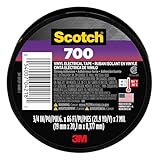
If you’re dealing with anything electrical, especially if it involves exposed wires, potential damage, or repairs, you need to use materials specifically designed for the job. Duct tape is NOT one of them. The go-to for electrical insulation is, without a doubt, electrical tape. This isn’t just any tape that happens to be electrical-colored; it’s made from PVC (polyvinyl chloride) or similar vinyl compounds. These materials are chosen for their excellent dielectric strength (meaning they resist electrical current) and their flexibility. Electrical tape is designed to withstand a range of temperatures without melting or degrading, and it provides a reliable barrier against electrical shock and short circuits.
When you’re repairing a frayed electrical cord, for instance, the proper method involves using vinyl electrical tape. You’d carefully wrap several layers of this tape around the damaged area, making sure complete coverage and overlapping each layer to create a smooth, watertight seal. This provides a durable, flexible, and electrically safe repair. (See Also: Can Electrical Tape Be Used For Gripping )
For more permanent or high-stress applications, like joining wires in an electrical box or for appliance repairs, you’d use heat-shrink tubing or wire nuts, which are designed to create secure, insulated connections that can handle the specific electrical and thermal conditions. Heat-shrink tubing, when heated, shrinks tightly around the wires, forming a solid and insulated seal.
Wire nuts, typically made of plastic with a metal coil inside, screw onto twisted wire ends to create a secure connection and insulation.
I once had to fix a power cord on an old refrigerator. The insulation was cracked in a few places.
My first instinct, born of habit from countless non-electrical fixes, was to grab the trusty silver roll. But I stopped myself. I remembered seeing proper electrical tape in my toolbox. I bought a roll for about $3 and went to work.
It took a bit more effort than just slapping on duct tape, wrapping it carefully and making sure good overlap, but the finished product felt secure and looked professional. More importantly, I knew it was safe. The electrical tape stayed flexible, didn’t get gummy, and has held up for years.
It’s a small price to pay for peace of mind and avoiding a potential fire hazard or shock. The difference between duct tape and proper electrical tape is night and day. One is for holding cardboard boxes together, the other is for safely managing electricity.
What Is the Best Tape for Electrical Repairs?
The best and safest tape for electrical repairs is vinyl electrical tape. It’s specifically designed to be a good electrical insulator, offering flexibility and resistance to heat and abrasion. Unlike regular duct tape, which can melt and become flammable, electrical tape provides a reliable protective barrier. For more solid repairs or connections, heat-shrink tubing or wire nuts are also excellent, purpose-built solutions.
Common Mistakes and Why Duct Tape Isn’t the Answer
The biggest mistake people make is assuming that because duct tape is strong and sticky, it can be used for everything. This is a dangerous oversimplification. When it comes to electrical applications, the unique properties of duct tape – its fabric backing, its specific adhesive formulation, and its polyethylene coating – are actually liabilities. Its fabric backing is flammable, and its polyethylene coating has a low melting point. Furthermore, the adhesive, while strong for general purposes, isn’t designed to withstand the heat generated by electrical resistance or the stresses of electrical components. It can degrade, become brittle, or melt, compromising the very seal you’re trying to create.
Another common mistake is relying on duct tape for temporary electrical fixes. The idea that ‘it’s just until I can get to the store’ often turns into ‘it’s been working for months, so it’s fine.’
This is incredibly risky. Electrical issues can escalate quickly. A frayed wire that’s ‘temporarily’ taped might seem okay, but it could be drawing excess current, heating up the tape, and creating a fire hazard.
The heat generated can weaken the tape’s adhesive, allowing it to peel away, exposing the bare wire. Then, if the wire is in a humid environment or comes into contact with a conductive surface, a short circuit is almost guaranteed. I’ve seen pictures online of duct-taped electrical connections that have visibly melted and dripped, a clear sign of the extreme heat they were subjected to.
This isn’t a sign of a successful ‘fix,’ but of imminent failure.
A contrarian view might suggest that in a dire emergency, where no other insulation is available, duct tape might offer a minuscule, fleeting layer of protection. However, I strongly disagree with this line of thinking for electrical applications. The risk of fire or shock far outweighs any perceived benefit.
It’s like using a pillow to stop a bullet; it might offer a nanosecond of cushioning, but it’s fundamentally the wrong tool for the job and creates a false sense of security. The common advice to use duct tape for quick electrical fixes is, in my experience, flat-out wrong and dangerous. It’s a myth perpetuated by the tape’s incredible versatility in other areas.
When it comes to electricity, always opt for purpose-built, rated materials like vinyl electrical tape, wire nuts, or heat-shrink tubing. The cost of these materials is negligible compared to the potential damage, injury, or fire that can result from using duct tape incorrectly.
Is Duct Tape a Good Insulator?
No, duct tape is not a good insulator for electrical applications. While its plastic coating offers some initial resistance, it has a low melting point and is flammable. Under the heat generated by electrical current, it will soften, melt, and can even catch fire. Proper electrical tape, made from materials like vinyl, is specifically designed to resist electrical current and heat, making it the safe choice for electrical repairs. (See Also: Can I Buy Electrical Tape At Grocery Stores )
Practical Alternatives and When to Call a Pro
So, if duct tape is out for electrical work, what should you use? For minor cord repairs, as mentioned, vinyl electrical tape is your best friend. It’s cheap, readily available at any hardware store, and designed for this purpose. You’ll need to wrap it tightly, several layers thick, overlapping each turn to make sure a good seal.
For joining wires, especially in junction boxes or permanent installations, use wire nuts. These come in various sizes for different wire gauges and create a secure, insulated connection. If you’re dealing with wires that might be exposed to moisture or physical stress, heat-shrink tubing is an excellent option.
You slip it over the connection before splicing, then heat it with a heat gun (or even a lighter in a pinch, though less ideal), and it shrinks down to form a tight, protective, and insulated sheath.
However, there are times when DIY electrical repairs, even with the right materials, are not advisable. If the damage to a cord or wiring is extensive – say, more than a couple of inches of exposed wire, or if the internal strands are visibly damaged – it’s often safer and more cost-effective in the long run to replace the entire cord or component. For anything involving your home’s main electrical panel, outlets, switches that are sparking, or recurring breaker trips, this is not a DIY situation. These are signs of potentially serious underlying issues that require the expertise of a qualified electrician.
Trying to patch these problems with tape, no matter what kind, is asking for disaster. I once tried to fix a flickering light switch in my old apartment. I thought I could just tighten some wires. Instead, I ended up with a smoking outlet and a tripped breaker.
That’s when I learned the value of calling a professional. The $100 service call fee was worth avoiding a potential house fire or injury.
Don’t play around with your home’s electrical system; when in doubt, call a pro.
Is It Safe to Use Electrical Tape on a Frayed Cord?
Yes, it is generally safe to use vinyl electrical tape on a frayed cord, provided the damage is minor and the tape is applied correctly. Wrap several layers tightly, making sure complete coverage and overlap. However, if the cord is severely damaged, or if you’re unsure about the repair, it’s always best to replace the cord or call a professional electrician. Electrical tape is a temporary solution for minor issues, not a permanent fix for extensive damage.
The Duct Tape Myth Debunked: A Final Word
So, let’s circle back to the original question: can electricity melt duct tape? Yes, it can, and it’s a bad sign when it does.
Duct tape is an amazing product for a million things – sealing boxes, patching tarps, holding a broken shelf together temporarily. Its versatility is legendary. But its legendary status does not extend to electrical applications.
The materials it’s made from are simply not designed to handle electrical currents or the heat that can be generated. When electricity meets duct tape in a way that causes it to melt, it’s a clear indication of an electrical fault that is producing excessive heat. This heat will degrade the tape, compromise its integrity, and, in many cases, can lead to ignition and fire.
The common misconception that duct tape can be used as a safe electrical insulator is a dangerous myth. It’s important to understand that while it might offer a superficial barrier, it will fail under electrical stress, often dramatically.
Always use materials specifically designed for electrical work, such as vinyl electrical tape, wire nuts, or heat-shrink tubing. These products are tested and rated for electrical safety. For anything beyond a very minor, temporary fix on a low-voltage cord, and even then with extreme caution, it’s best to consult a qualified electrician.
Don’t let the ubiquitous nature of duct tape fool you into thinking it’s a solution for electrical problems. It is not. Stick to its intended uses and leave electrical repairs to the professionals and the proper tools.
Final Thoughts
The bottom line is this: while duct tape is a marvel of adhesive technology for countless everyday tasks, it absolutely cannot be trusted for electrical insulation. We’ve established that electricity can indeed cause duct tape to melt, and frankly, when that happens, it’s a sign of danger. The materials in duct tape are simply not equipped to handle electrical heat or current safely. It’s a common mistake, born from its incredible versatility, to think it can do anything, but when it comes to sparks and currents, you need specialized tools.
If you’re facing an electrical issue, resist the urge to reach for that familiar silver roll. Instead, invest in proper electrical tape, wire nuts, or heat-shrink tubing. These are the tried-and-true solutions that are actually designed for the job. For anything more complex than a minor cord repair, or if you’re ever in doubt, the safest move is always to call a qualified electrician. Your peace of mind, and potentially your home, are worth far more than the few dollars saved by using the wrong tool.
So, to reiterate, can electricity melt duct tape? Yes, and you definitely don’t want it to. Make the smart, safe choice and use the right materials for electrical jobs.