I remember staring at a frayed lamp cord, sparks doing a little dance where the insulation had given up the ghost. My first instinct? Grab that roll of black tape from the junk drawer. It’s the universal ‘fix-it’ tool, right? But the question, ‘can i put electrical tape over exposed wires,’ isn’t as simple as slapping it on and calling it a day. I’ve learned the hard way that some quick fixes are just setting you up for a bigger headache later, and this is definitely one of those times if you’re not careful.
This isn’t about being a professional electrician; it’s about not burning your house down or getting zapped by something you thought you made safe. Let’s cut through the noise and talk about what actually works, what’s a total waste of time, and when you should just call it a day and get a new cord.
When the Black Tape Temptation Hits Hard
Look, we’ve all been there. A wire gets nicked, the insulation cracks, maybe a pet decided it was a chew toy. Suddenly, you’ve got bare copper staring you down, and the urge to just wrap it up with electrical tape is almost overwhelming. It’s cheap, it’s readily available, and it feels like a temporary solution that’ll get you by. I’ve definitely used it in a pinch, thinking, ‘This will hold until I can get to the hardware store.’ And sometimes, just sometimes, it does hold. But that’s a dangerous game to play.
The main reason tape seems like a good idea is its adhesive and its supposed ‘electrical’ properties. It’s designed to be a non-conductive barrier. However, the quality varies wildly. I once bought a pack of generic electrical tape that felt more like glorified cling wrap. It stretched too thin, the adhesive lost its grip in a week, and the exposed wire was practically waving hello again. That was a $3 lesson in ‘you get what you pay for,’ and a stark reminder that not all electrical tape is created equal, and even the good stuff has its limits.
Think about what exposed wires mean: a direct path for electricity to go where it shouldn’t. That ‘shouldn’t’ could be your body, your home’s structure, or other components that can short out. Electrical tape is supposed to prevent that. But it’s not a permanent fix. It degrades over time, especially if it’s in a hot environment, exposed to sunlight, or stressed mechanically. The adhesive can dry out, crack, or become gummy. The tape itself can become brittle and split. So, while you can technically put it over exposed wires, the real question is, should you, and for how long? The answer is almost always ‘no’ for anything permanent or important.
My first real electrical mishap involved a garden power tool that had seen better days. The cord was frayed near the plug, exposing a bit of wire. I wrapped it with the best electrical tape I could find at the time. A week later, during a light rain shower, I got a nasty jolt when I touched the handle. The tape had absorbed moisture and become conductive enough to let current leak. That was a wake-up call. It taught me that moisture is the enemy of tape-based repairs, and ‘waterproof’ tape isn’t always as waterproof as you think, especially when compromised by wear and tear. It’s a band-aid, and sometimes the wound is too deep for a band-aid.
What You’re Actually Dealing with: The Good, the Bad, and the Ugly of Tape
Let’s break down what makes electrical tape… electrical. The common stuff, usually vinyl, is designed to be flexible and resistant to abrasion, chemicals, and UV light – supposedly. It’s got a rubber-based adhesive that’s meant to stick well but also be removable without leaving a huge mess. The idea is to create a solid, non-conductive sleeve around the damaged area. When you wrap it correctly, layering it with tension and overlapping each turn, you’re building up a barrier. The more layers, the stronger the insulation, theoretically.
However, here’s where the common advice often falls short: it assumes a perfect scenario. It assumes you have high-quality tape, a clean and dry wire, and you’re applying it perfectly. In the real world, wires get dirty, they’re often in awkward spots, and you might not have the patience for a meticulous wrap. I’ve seen people wrap it so loosely that you could practically see the copper through the gaps. That’s not insulation; that’s a fire hazard waiting to happen.
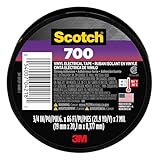
There are different types of electrical tape, and this is where many DIYers get it wrong. You’ve got your standard vinyl tapes (like Scotch 33+ or 35), which are good for general low-voltage applications. (See Also: Can I Use Electrical Tape To Connect Wires )
Then there are higher-performance tapes, like rubber splicing tape (often used for thicker, high-voltage applications, but tricky to use) or even silicone self-fusing tape. The self-fusing tape is actually pretty neat; it bonds to itself to form a solid, waterproof layer. It’s more expensive, but for certain repairs, it’s miles better than standard vinyl tape. I used some of that on a boat trailer light that was constantly getting submerged, and it actually held up for two seasons.
That’s more than I can say for regular tape.
The ‘ugly’ part? Using the wrong tape, or using tape when the damage is too severe. If the wire is completely severed, tape isn’t going to magically reconnect anything. If the insulation is melted or cracked extensively, tape is just a temporary cover-up. It doesn’t restore the structural integrity of the wire’s insulation. It just wraps around the problem. My neighbor once tried to ‘fix’ a frayed extension cord with duct tape. Duct tape! It looked like a mummy hand. A week later, it started smoking. Thankfully, it was unplugged, but it was a dramatic illustration of how wrong you can go.
What to Look for in Quality Electrical Tape
When you do need electrical tape (and we’ll get to when that’s actually appropriate later), don’t skimp. Look for brands that have a reputation for quality. Scotch 33+ is a workhorse for a reason. It’s pliable, sticks well, and holds up reasonably under normal conditions. It’s not super cheap, maybe $5-7 a roll, but it’s far better than the $1 rolls that feel like they’ll disintegrate if you look at them funny.
Check the packaging. It should clearly state it’s for electrical use and ideally mention its temperature rating and voltage class. A good tape will feel thick and flexible, not thin and stiff. When you stretch it, it should retain its shape and not become transparent. The adhesive should be tacky but not so sticky that it’s impossible to unroll or reposition slightly without tearing.
The ‘can I Put Electrical Tape Over Exposed Wires’ Myth and When It Fails
Alright, let’s get blunt. The common wisdom that electrical tape is a go-to fix for exposed wires is, frankly, often misleading. It’s like saying a band-aid can fix a broken bone. Yes, you can put a band-aid on a broken bone, but it’s not going to heal it, and it might just mask the problem until something worse happens. Electrical tape is fundamentally a temporary insulator. It’s designed for minor nicks and abrasions, or for bundling wires, not for repairing significant damage or high-voltage lines.
Here’s the contrarian take: I’d rather use a properly sized heat-shrink tubing sleeve and a crimp connector for most wire repairs than rely on electrical tape. Heat shrink, when applied correctly with a heat gun, creates a solid, fused, waterproof barrier that’s far more durable and reliable than layers of tape. It’s a more permanent solution. The upfront cost is higher – a pack of assorted heat shrink might run you $15-20, and you need a heat gun (another $20-30 if you don’t have one) – but the peace of mind is worth it. It’s a professional-looking repair, not a hack job.
Where does electrical tape truly shine, if anywhere? For bundling loose wires neatly, protecting connections from dust and light moisture in low-voltage applications (like inside a car’s interior wiring harness or for organizing cables behind a TV), or for temporary insulation on something you’re immediately going to fix properly. I used it once to tape down a loose wire on a Christmas light strand that was getting snagged, just so it wouldn’t get worse until I had time to replace the whole strand. That’s about the extent of its legitimate DIY use for insulation. (See Also: Can Electrica Tape Catch On Fire )
Trying to tape over a wire that’s been chewed through by a rodent, or one that has a significant chunk missing from its insulation, is asking for trouble. The tape can’t fill the void, it can’t restore the structural integrity, and it’s prone to peeling or cracking under any sort of stress. Electricity is unforgiving. It will find the path of least resistance, and a poorly taped wire is practically an invitation. I’ve seen appliances fail, outlets spark, and extension cords get dangerously hot because someone thought electrical tape was a permanent solution.
Practical Tips for When Tape Is almost the Answer
If you’re absolutely stuck and electrical tape is your only option for a very temporary fix, here’s how to do it slightly less badly. First, make sure the wire is completely cool and the power is OFF. Seriously, kill the breaker for that circuit. Don’t just unplug the device; you need to isolate the entire circuit. I learned this the hard way when I thought unplugging the appliance was enough, only to find live voltage at the junction box further down the line. Always, always, always verify the power is off at the source.
Second, clean the wire. Wipe away any dirt, grease, or debris. This helps the adhesive stick. Third, use high-quality tape. Scotch 33+ or 35 is your minimum standard. Fourth, wrap it properly. Start a few inches before the damaged area and overlap each turn by at least half the width of the tape. Apply tension as you wrap. Aim for at least three good layers, more if the damage is significant. Make sure the tape extends well beyond the exposed copper on both ends. Press down firmly to make sure good adhesion.
Fifth, and this is the most important part: treat it as a temporary measure. Schedule the real repair or replacement immediately. Don’t go months with a taped wire. I’d give yourself a maximum of a few days to a week, depending on the application and environmental conditions. If it’s in a high-traffic area, subject to movement, heat, or moisture, that ‘temporary’ fix might only last hours. I’ve seen tape peel off and unravel after just a few days due to heat from the wire itself or ambient temperature changes. It’s a stop-gap, nothing more.
Here’s a quick comparison of common ‘insulating’ materials:
| Material | Pros | Cons | Verdict |
|---|---|---|---|
| Standard Electrical Tape (Vinyl) | Cheap, flexible, readily available. Good for bundling. | Degrades over time, poor adhesion in heat/moisture, not a permanent repair, can be confusing to apply correctly. | Temporary, low-voltage use only. Avoid for important repairs. |
| Heat Shrink Tubing | Creates a solid, waterproof, durable, and professional-looking repair. Excellent insulation. | Requires a heat gun, slightly more expensive upfront, can be fiddly with small wires. | Highly recommended for most wire repairs. Superior to tape. |
| Rubber Splicing Tape | Forms a strong, waterproof, flexible bond. Good for high-voltage or outdoor applications. | Can be difficult to apply neatly, requires practice, more expensive than vinyl tape. | Good for specific, solid repairs where tape fails, but requires skill. |
| Self-Fusing Silicone Tape | Bonds to itself to form a solid, waterproof, insulating layer. Excellent for extreme conditions. | Expensive, can be tricky to get the tension right for a perfect seal, not ideal for aesthetics. | Excellent for harsh environments (e.g., marine, automotive) but overkill for indoor appliance cords. |
When to Just Buy a New Cord (seriously)
Honestly, there are times when you’re staring at a damaged wire and thinking about electrical tape, and the right answer isn’t to fix it, but to replace it. If the damage is extensive – meaning more than a small nick or abrasion – it’s time to let go. This includes wires that are cracked along their entire length, have melted insulation, or are severely frayed. If you see significant copper strands showing, or if the wire has been kinked or crushed badly, tape isn’t going to make it safe.
Think about the appliance or device the wire belongs to. Is it something expensive, or something where a failure could cause significant damage or pose a serious risk? If it’s a important component, like the power cord for a refrigerator or a power tool you rely on heavily, the risk of a cheap tape repair failing is just too high. I once spent $10 on a new power cord for an old vacuum cleaner that cost me $50 used. The new cord cost me about $15 with shipping. That $15 felt like a bargain compared to the potential of a fire or a shock hazard with a DIY tape job.
Don’t forget about cords that are old and brittle. The rubber or plastic has likely degraded to the point where no amount of tape will provide lasting protection. It’s just going to crack more around the taped area. The same goes for cords that have been exposed to chemicals, solvents, or extreme temperatures. These conditions weaken the insulation material itself, making it unreliable. (See Also: Can I Substitute Duct Tape For Electrical Tape )
My general rule of thumb is this: if the damage is more than about an inch long, or if the wire is showing significant signs of degradation beyond just a surface abrasion, it’s replacement time. It’s not about being wasteful; it’s about being smart and safe. Purchasing a new cord or even a new appliance is often cheaper in the long run than dealing with the aftermath of a failed repair. It’s a frustrating reality, but sometimes the cheapest fix is the one that costs you the most in the end.
People Also Ask: Answering Your Burning Questions
Can Electrical Tape Be Used for Permanent Repairs on Wires?
No, electrical tape should not be considered a permanent repair solution for exposed wires. It’s designed as a temporary insulator for minor damages or bundling. Over time, the adhesive can degrade, the tape can crack or peel, and it may not provide reliable insulation, especially in varying temperatures or when subjected to physical stress. For permanent repairs, use methods like heat-shrink tubing with proper connectors, or replace the entire cord.
Is It Safe to Use Electrical Tape on a Frayed Cord?
It’s generally not safe to rely on electrical tape as the sole solution for a frayed cord, especially if the fraying is significant and exposes a lot of copper. While it can offer a very temporary barrier, the frayed strands can still break, the tape can loosen, and it doesn’t restore the structural integrity of the insulation. For frayed cords, a proper repair involves stripping the wire, using a connector like a butt splice or crimp, and then insulating with heat-shrink tubing. If the cord is extensively frayed, replacement is the safest option.
What Happens If You Don’t Use Electrical Tape and Just Use Regular Tape?
Using regular tape (like packing tape, duct tape, or Scotch tape) on electrical wires is highly unsafe. These tapes are not designed to be insulators; they often conduct electricity, especially when damp, and their adhesives are not suitable for the conditions wires are exposed to. This can lead to shocks, short circuits, and fires. Electrical tape has specific non-conductive properties and adhesive formulations that regular tapes lack. Never substitute regular tape for electrical tape on wires.
How Many Layers of Electrical Tape Are Needed for a Good Repair?
For a temporary repair using quality electrical tape, at least three to four overlapping layers are generally recommended. Each layer should overlap the previous one by at least half its width, applied with firm tension. This builds up a sufficient insulating barrier. However, this is still a temporary fix. The more layers you apply, the better the temporary insulation, but it doesn’t change the fact that it’s not a permanent or solid solution. For serious damage, more layers of tape are still insufficient compared to proper repair methods.
Can I Use Electrical Tape on Outdoor Extension Cords?
Using standard electrical tape on outdoor extension cords for anything other than temporary bundling is a bad idea. Outdoor conditions – moisture, UV radiation, temperature fluctuations – will quickly degrade standard vinyl electrical tape, compromising its insulating properties. While some tapes are marketed as ‘outdoor’ or ‘weatherproof,’ they still have limitations and are not a substitute for a properly rated and maintained extension cord. For outdoor use, make sure the entire cord is intact, or replace it if there’s any damage. Self-fusing silicone tape might offer a better temporary solution for minor outdoor damage, but replacement is always the safest bet.
Verdict
So, can i put electrical tape over exposed wires? Technically, yes, you can. But should you? Almost never for anything you expect to last or be truly safe. It’s a last resort, a temporary patch, and often a sign that you should be looking for a replacement cord or a more solid repair method like heat-shrink tubing. I’ve seen too many ‘fixes’ that turned into bigger problems down the line.
Your best bet is to use electrical tape sparingly, for bundling or very minor, temporary insulation on low-voltage circuits, always with the power off and with the intention of doing a proper repair or replacement soon. Don’t let cheap tape give you a false sense of security when dealing with electricity.
If you’re ever in doubt, the safest course of action is always to replace the damaged component. It might cost a few bucks upfront, but it’s a small price to pay for avoiding a shock, a fire, or a much larger repair bill.