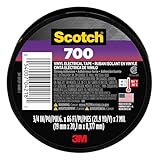
I remember staring at a frayed cord on my ancient toaster oven, a little spark dancing in my peripheral vision. My immediate thought, like many others, was, ‘Can I cover exposed wire with electrical tape and call it a day?’ It’s the quick fix that whispers sweet promises of saving a buck and avoiding a trip to the hardware store. But let me tell you, that little roll of vinyl has a reputation it doesn’t always deserve. I’ve learned the hard way that not all repairs are created equal, and sometimes, the cheap fix becomes the expensive problem.
This isn’t about judgment; it’s about shared experience. We’ve all been there, staring down a minor electrical hiccup and wondering if the simplest solution is actually the right one. Electrical tape feels like the obvious answer, doesn’t it? But the reality is a bit more… nuanced. Let’s break down what you really need to know before you wrap that wire.
The Temptation and the Truth About Electrical Tape
That frayed appliance cord, a loose connection in a lamp, a garden tool that’s seen better days – these are the moments that test our DIY resolve. And nine times out of ten, electrical tape is the first thing that comes to mind. It’s cheap, it’s readily available, and it feels like a perfectly adequate solution for covering up that offending bit of exposed copper.
For a long time, I thought it was. I’d slap on a few wraps, feeling pretty smug about my resourcefulness. One particularly memorable instance involved a cheap extension cord I’d dragged out to the garden for a project.
A sharp edge on a planter caught it, exposing a few strands of wire. My brain immediately went to the bright pink roll of electrical tape in my toolbox. A quick wrap, and I was back in business. The project finished without a hitch.
For about two weeks. Then, during a light rain, that same spot started to sizzle. Thankfully, I was inside, but it was a stark reminder: electrical tape is not a permanent fix, and it certainly isn’t a shield against moisture or significant physical damage.
The core issue is what electrical tape is and what it isn’t. It’s primarily made of PVC (polyvinyl chloride) with a rubber-based adhesive.
Its elasticity allows it to stretch and conform to irregular shapes, which is its main selling point for electrical work. It provides a degree of insulation, but it’s not designed for high-voltage applications or environments where it will be subjected to extreme temperatures, abrasion, or moisture.
Think of it as a bandage, not a cast. It can cover and protect for a short while, but it won’t rebuild structural integrity or offer long-term, solid protection against the elements or significant stress. So, while you can cover exposed wire with electrical tape, whether you should depends heavily on the situation.
When Electrical Tape Might Actually Work (for a Little While)
Alright, let’s be honest. There are times when electrical tape does a perfectly acceptable job, provided you understand its limitations. I’ve used it to temporarily secure a wire that had popped out of a plastic casing on a low-voltage device, like a small fan or a desk lamp. The wire wasn’t under any tension, and the area was dry and indoors.
My thinking here was, ‘It’s just keeping it from flapping around.’ Another situation is when you have a very minor nick in the outer sheathing of a cord, where only a tiny bit of the inner insulation is showing, and the wire itself is completely intact. A few wraps of good quality electrical tape can provide a protective barrier, preventing that insulation from getting further damaged. (See Also: Can I Use Electrical Tape To Connect Wires )
This is especially true for cords that don’t move much and aren’t in high-traffic areas. I used it on the cord of a seldom-moved floor lamp once, just to cover a small scuff mark.
It held up fine for years because it wasn’t being jostled or exposed to anything harsh.
The key here is ‘temporary’ and ‘low-risk’. If the wire is in a spot where it won’t be touched, pulled, or exposed to moisture, and it’s not carrying significant current (think less than 50 volts), electrical tape can buy you some time. It can prevent a minor abrasion from becoming a bigger problem while you source the correct repair parts or schedule a professional. However, and this is a big ‘however,’ I’ve also seen people use it on extension cords that are then plugged into outdoor outlets.
That’s a recipe for disaster. Water and electricity are a terrible mix, and standard electrical tape offers very little resistance to moisture ingress, especially over time. So, while it can cover the wire, it doesn’t make the repair safe or reliable in many common scenarios. Always ask yourself: what’s the worst that could happen if this tape fails?
The Ugly Truth: When It’s a Terrible Idea
Let’s get blunt. Covering exposed wire with electrical tape is often a bad idea, and here’s why.
The most common mistake people make is treating it like a permanent fix for serious damage. I’ve seen frayed appliance cords, the kind that get hot and flex regularly, simply wrapped in tape. This is asking for trouble. That tape can degrade, lose its adhesion, and frankly, the underlying wire is still compromised.
If the wire is breaking or the insulation is significantly damaged, tape is just a cosmetic patch. It doesn’t restore the wire’s integrity.
Think about it: if you saw a crack in a brick wall, would you just slap some duct tape on it and call it good? Of course not. Exposed wires are a potential fire hazard and a shock risk, and electrical tape is not designed to compensate for lost structural integrity or significant insulation breakdown.
Another major no-no is using it in high-moisture environments. My neighbor once tried to ‘fix’ a patio light connection by wrapping it in electrical tape after a squirrel chewed through the cord.
The next time it rained, his whole patio outlet tripped. Water got in, and the tape did absolutely nothing to stop it. It might even wick water further into the wire’s strands. (See Also: Can Electrica Tape Catch On Fire )
Also, if the wire is under any kind of mechanical stress – being pulled, bent repeatedly, or in a high-traffic area – the tape will stretch, peel, and eventually fail. I’ve had it peel off in the sun or get gummy and peel off from friction. The common advice to just wrap it up is often given by folks who haven’t had the (sometimes literally shocking) experience of a poorly done tape job failing. It’s a shortcut that often leads to more expensive repairs or dangerous situations down the line.
My contrarian take? For anything involving significant voltage, heat, moisture, or physical stress, electrical tape is a sign you’re procrastinating on a proper repair.
Real-World Applications and What to Look For
So, if it’s not a magic bullet, where does electrical tape shine? For low-voltage applications, it can be surprisingly effective. I’m talking about things like the wires inside a remote control, the delicate connections in a toy, or perhaps the antenna wire on an old radio. If a tiny wire has come slightly loose from its terminal, a small piece of electrical tape can often hold it in place.
The key is that these circuits operate at very low amperage and voltage, so the risk of shock or fire is minimal. It’s also useful for bundling loose wires together to keep them tidy, especially in a cabinet or behind a TV where they won’t be disturbed.
Think of it as a temporary wire tie in those situations.
When you do buy electrical tape, don’t go for the cheapest off-brand you can find. I learned this when I grabbed a bargain roll that felt thinner and less sticky.
It dried out and cracked within months. Look for reputable brands.
The best electrical tape is typically thicker, more pliable, and has a strong, yet removable, adhesive. It should stretch significantly without tearing. Good quality tape will have a slightly tacky feel even after it’s been on the roll for a while.
When you wrap it, overlap each layer by at least half the width of the tape. This creates a barrier that’s less likely to allow moisture or debris to penetrate. Start wrapping a little before the exposed area and end a little after, making sure the tape adheres well to the intact insulation on both sides. Don’t stretch it so much that it becomes transparent; you want it to have some body.
For anything more substantial, though, you’re looking at other solutions. (See Also: Can I Substitute Duct Tape For Electrical Tape )
When to Reach for Something Else Entirely
There are times when electrical tape is just the wrong tool for the job, plain and simple. If you’ve got a cord that’s been physically cut, exposing multiple wires, or if the insulation is brittle and cracking extensively, electrical tape is not going to cut it. For these situations, you need to consider a proper repair. This might involve cutting out the damaged section of the cord and splicing in a new piece using heat-shrink tubing and crimp connectors, or, in many cases, replacing the entire cord or appliance.
I had an old vacuum cleaner where the power cord developed a nasty fray near the plug. My first instinct was tape, but the damage was too deep. I ended up buying a replacement cord and splicing it on, which was a bit more involved but ultimately a much safer and more durable fix.
It cost me about $20 for the cord and connectors, versus the potential cost of a house fire if the tape had failed.
Another instance where you need to step up your game is for outdoor use or in wet environments. For these situations, you need specialized waterproof tapes or, more commonly, heat-shrink tubing designed for outdoor electrical work. Heat-shrink tubing, when applied correctly with a heat gun, creates a solid, waterproof seal that’s far superior to any tape.
For more significant repairs, like joining two wires permanently, crimp connectors and proper insulation are key. For very heavy-duty applications or situations where a wire might be subjected to significant vibration or abrasion, things like vulcanizing tape (which fuses to itself to form a solid, waterproof layer) or specialized conduit and junction boxes are the way to go. The main takeaway is to assess the damage and the environment. If it’s anything more than a minor cosmetic nick on a low-voltage, indoor cord, assume you need a better solution than just electrical tape.
A Quick Comparison Table: Tape vs. Other Options
Here’s a breakdown to help you decide when electrical tape is acceptable and when you need to upgrade:
| Repair Method | Best For | Pros | Cons | Verdict |
|---|---|---|---|---|
| Electrical Tape | Minor nicks, bundling, temporary low-voltage fixes. | Flexible, cheap, easy to apply. | Not waterproof, degrades over time, not for high voltage/heat/stress, temporary. | Use sparingly for minor, non-important issues. |
| Heat-Shrink Tubing | Insulating splices, protecting exposed wires in moderate environments. | Creates a durable, often waterproof seal; looks neat. | Requires a heat gun; not ideal for high-abrasion areas. | Excellent for most indoor and some outdoor low-to-medium voltage repairs. |
| Wire Nuts/Crimp Connectors | Joining two wires securely and permanently. | Strong, reliable connections; provides insulation when used with wire nuts. | Requires proper technique; may need over-wrapping for added protection. | The standard for joining wires. Always use the correct size and type. |
| Vulcanizing Tape | Creating a highly durable, waterproof, and insulating layer, especially in harsh conditions. | Fuses to itself for a smooth, solid seal; excellent electrical and moisture resistance. | Can be trickier to apply neatly; more expensive than standard tape. | Great for high-risk situations (e.g., outdoor extension cords, high-flex areas). |
Can Electrical Tape Be Used for Outdoor Extension Cords?
Generally, no. Standard electrical tape is not designed to withstand outdoor conditions, including moisture, temperature fluctuations, and UV exposure. While it might offer a temporary covering for a minor nick, it will likely degrade quickly and fail to provide adequate protection against water, creating a serious shock and fire hazard. For outdoor cords, use specialized waterproof tapes or consider replacing the damaged section with appropriate outdoor-rated materials.
How Many Layers of Electrical Tape Are Enough?
For a minor nick on a low-voltage cord, two to three layers, each overlapping the previous by at least half the tape’s width, is usually sufficient for a temporary fix. However, the number of layers isn’t as important as the quality of the tape, the condition of the underlying wire, and the environment. If the wire is significantly damaged or the area is prone to moisture or stress, even many layers of tape won’t make it safe. It’s always better to over-insulate slightly than under-insulate when using tape.
Is Electrical Tape a Fire Hazard?
Yes, improperly used electrical tape can be a fire hazard. If the tape fails to provide adequate insulation on a live wire, or if it degrades and allows moisture to reach the conductor, it can lead to short circuits and overheating, which are potential ignition sources. Furthermore, some lower-quality tapes might have lower ignition points. It’s important to remember that electrical tape is intended for insulating intact conductors, not for repairing significantly damaged wires that are already a risk.
What Is the Difference Between Electrical Tape and Duct Tape?
Electrical tape is specifically designed with a non-conductive adhesive and a flexible vinyl backing to insulate electrical wires. Duct tape, on the other hand, is made with a fabric mesh backing and a strong adhesive, designed for general-purpose repairs, sealing, and holding. While duct tape is strong and versatile, it offers very little in the way of electrical insulation and is not suitable for electrical work. Its adhesive can also become gummy and leave residue, and it doesn’t stretch or conform well to wires.
Verdict
So, can I cover exposed wire with electrical tape? The short answer is, sometimes, for very specific, low-risk situations. But it’s rarely the best or safest long-term solution. Think of it as a temporary band-aid that might keep you going for a little while, but it’s not going to heal the underlying problem. If that cord is frayed, cracked, or shows signs of significant wear, especially on anything plugged into the wall, it’s worth the extra effort and a few dollars to do it right.
My advice? If you’re in doubt, always err on the side of caution. A minor repair now can prevent a major disaster later. Invest in a roll of good quality electrical tape for those truly minor fixes, but keep heat-shrink tubing, proper connectors, and maybe even a whole new cord on hand for when the situation calls for a more solid solution. Your future self, and your home, will thank you for it.