I remember staring at that frayed cord on my old toaster oven, sparks threatening to fly with every use. Panic set in. Could I just run to the nearest hardware store and grab some of that black, stretchy tape?
The answer to ‘can I buy electrical tape at the store’ is a resounding yes, but understanding what you’re actually buying is where things get hairy. Too many times I’ve grabbed the wrong stuff, thinking it was all the same, only to have it melt, peel, or just plain fail when I needed it most. Trust me, there’s a difference, and knowing it saves you time, money, and potentially a small electrical fire.
This isn’t rocket science, but it’s also not as simple as picking up a roll of masking tape. Let’s cut through the noise and talk about what actually works.
Where to Actually Find Electrical Tape (it’s Everywhere)
So, you’ve got a dodgy wire, a loose connection, or you just need to insulate something quickly. The first, and frankly most obvious, question is ‘can I buy electrical tape at the store?’ And the good news is, yes, absolutely. You don’t need a special supplier or a secret handshake. Electrical tape is a staple item in most places that sell anything remotely related to repairs, DIY, or even basic household goods.
Think about your local hardware store – Home Depot, Lowe’s, Ace Hardware, or even smaller independent shops. They’ll have it. It’s usually in the electrical aisle, often near extension cords, wire nuts, and conduit. Sometimes it’s on a pegboard, other times in a bin. Don’t expect it to be prominently displayed; it’s a functional item, not a decorative one. You’ll find rolls from generic store brands to big names like 3M. Prices can vary, but you’re usually looking at anywhere from $3 to $10 for a standard roll, depending on size and brand.
Beyond the big box hardware stores, many general merchandise stores that have a decent ‘home improvement’ or ‘automotive’ section will carry it. Places like Walmart or Target might have it, especially if they have an automotive section with tools and repair supplies. Even some larger drugstores or supermarkets with a solid household goods section might surprise you. Auto parts stores are another reliable bet; they often have a small selection of tapes for various automotive repairs, and electrical tape is a common inclusion.
What about online? Of course. Amazon, of course, has an overwhelming selection. You can get multipacks, different colors, specialized types, and bulk quantities. Websites dedicated to electrical supplies will also have a wider range of professional-grade options. For the average homeowner, though, a quick trip to the nearest hardware store is usually the fastest and easiest way to answer your ‘can I buy electrical tape at the store’ question.
What Makes Electrical Tape electrical Tape? (it’s Not Just Black)
Alright, so you know you can buy it. But what’s so special about it? Why can’t I just use duct tape or packing tape? Because, my friend, electrical tape isn’t just about holding things together; it’s about safety. It’s designed with specific properties that standard tapes lack. The primary function is insulation, preventing electrical current from escaping where it shouldn’t be. This means it needs to be non-conductive, able to withstand voltage, and resist heat and chemical breakdown.
The material is usually made from PVC (polyvinyl chloride). This plastic is stretchy, durable, and, most importantly, a good insulator. When you stretch it, it conforms to odd shapes, creating a tight, smooth seal. This is important for preventing shorts and shocks. The adhesive is also special. It’s designed to stick well to itself and to wires, but it also needs to remain flexible and not dry out or become brittle over time, especially when exposed to temperature changes or UV light. Some of the better quality tapes have adhesives that resist softening in heat and hardening in cold. (See Also: Can Electrical Tape Be Used To Cover Exposed Wire )
Here’s a little secret: not all ‘electrical tape’ is created equal. The cheap stuff you grab from the discount bin might look the same, but it often uses a lower-grade PVC and a less solid adhesive. I learned this the hard way when I tried to patch up a power tool cord with some no-name brand. Within a few months, the tape had started to crack and peel, leaving the wires exposed.
That’s not just annoying; it’s dangerous. You need tape that can handle the environment it’s in. For general household use, a good quality vinyl electrical tape from a reputable brand is what you want. For more demanding applications, like in an RV or for car wiring, you might need tape with higher temperature ratings or specific UV resistance.
The color is also worth a mention. While black is the most common for general use, you’ll see other colors like red, blue, green, yellow, and white. These aren’t just for looks. In electrical work, different colors are often used to color-code wires or circuits. Red might indicate a live wire, black a neutral, and green a ground, for example. This is a professional convention, but it means you can use colored tape to help you remember what’s what, especially if you’re working with multiple wires or a complex setup.
Choosing the Right Roll: Beyond the Black Tape
Okay, so you’ve confirmed ‘can I buy electrical tape at the store,’ and you’re standing in front of a wall of options. What do you grab? Don’t just snatch the first roll that catches your eye. There are a few things to consider to make sure you’re not buying junk that will let you down. My first mistake was thinking all black tape was the same. I ended up with a roll that was stiff, barely sticky, and looked like it was about to fall apart after a few weeks in my garage.
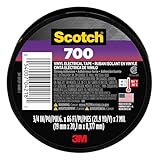
Brand matters, to a degree. While you don’t necessarily need the absolute top-tier, professional-grade stuff for a quick fix on a lamp cord, sticking with reputable brands like 3M (their Super 33+ or 88 tapes are solid), Scotch (also made by 3M), or Ideal can save you headaches. These brands generally offer consistent quality in terms of adhesion, flexibility, and durability. They’re formulated to resist cracking, peeling, and heat degradation better than cheaper alternatives.
Here’s a breakdown of what to look for:
| Feature | What It Means | My Verdict |
|---|---|---|
| Material | Usually PVC. Look for good flexibility and resistance to abrasion. | Flexibility is key for wrapping wires tightly. |
| Adhesive | Should be sticky but not so aggressive it leaves a huge mess. Needs to hold without drying out. | Avoid tapes that feel dry or brittle in the package. |
| Voltage Rating | Indicates how much electrical potential it can withstand. Standard tapes are usually good for up to 600V. | Most DIY jobs are fine with standard ratings, but check for higher-risk work. |
| Temperature Rating | Specifies the temperature range the tape can operate in without degrading. | Key if the repair is near a heat source or in a very cold area. |
| UV Resistance | Important if the tape will be exposed to sunlight. | Standard tapes degrade faster outdoors. |
| Color | Black is standard for insulation. Other colors are for coding. | Use colors to your advantage for organization. |
For most common household repairs – fixing a frayed appliance cord, bundling wires behind the TV, or insulating a low-voltage connection – a standard, good-quality vinyl electrical tape will do the job. If you’re doing anything more serious, like automotive wiring in the engine bay where temperatures fluctuate wildly, or outdoor electrical work, you might need to step up to a tape with a higher temperature or UV rating. Some tapes are specifically designed for extreme conditions.
Don’t be afraid to check the packaging. Reputable brands will often list these specs. If the packaging is vague or missing information, that’s usually a red flag. I once bought a roll that claimed to be ‘heavy duty’ but felt thin and cheap. It was a waste of $4. (See Also: Can Electrical Tape Be Used To Fix A Heating Vent )
Common Mistakes People Make (and How to Avoid Them)
You can buy electrical tape at the store, but that doesn’t mean everyone uses it correctly. Over the years, I’ve seen and made my fair share of mistakes. The biggest one? Not using enough tape or not applying it properly. Electrical tape needs to overlap. When you’re wrapping a wire, each layer should overlap the previous one by at least half the width of the tape. This creates a smooth, insulating barrier. If you leave gaps, even small ones, you’re defeating the purpose.
Another common blunder is using electrical tape for structural support or for holding heavy-duty wires together. Electrical tape is an insulator and a temporary fix for exposed wires; it’s not meant to be a load-bearing component or a permanent solution for physically damaged cables. If a cable is severely kinked, frayed beyond repair, or the outer sheath is completely gone, you need to replace the cable, not just wrap it up. Using tape to hold together something that’s under tension or significant physical stress is asking for trouble. I saw a friend try to ‘fix’ a broken garden hose with electrical tape once. It lasted about ten minutes before the water pressure ripped it apart.
Then there’s the ‘it’s just black tape’ mentality. Using the wrong kind of tape for the job is a recipe for failure. As mentioned before, using standard electrical tape in extreme heat or cold, or in direct sunlight for extended periods, can cause it to degrade. I once used some tape on outdoor holiday lights, and by the next year, it had become brittle and sticky, attracting all sorts of dirt and grime, and eventually started to peel away. For outdoor applications or high-heat environments, you need tape specifically rated for those conditions. Sometimes, a specialized tape like vulcanizing tape or high-temperature tape is the better choice, even if it costs a bit more upfront.
Finally, people often neglect to clean the area before applying the tape. If the wire or surface is greasy, dusty, or dirty, the adhesive won’t stick properly. The tape might seem to hold initially, but it will likely peel off prematurely. Always wipe down the area you’re taping with a clean cloth, and let it dry completely before you start wrapping.
Real-World Use Cases: It’s Not Just for Electricians
So, you know you can buy electrical tape at the store, and you know what kind to look for and what not to do. But where do normal folks actually use it? Far more places than you might think! Beyond the obvious job of insulating exposed wires on an appliance or a power strip, electrical tape is a surprisingly versatile tool for everyday problems.
One of my go-to uses is bundling. If you have a mess of cables behind your entertainment center or computer, a few strategically placed wraps of electrical tape can keep them organized and prevent them from tangling or falling out of their ports. It’s neater than zip ties for some applications, and you can easily unwrap and rewrap it if you need to add or remove a cable.
I’ve also used it to temporarily fix a cracked plastic casing on a remote control or a small appliance. While it’s not pretty, if the crack is small and not under stress, electrical tape can hold the pieces together well enough until you can get a more permanent repair or replacement. It’s also great for adding grip. Wrap the handle of a tool, a slippery broom handle, or even the grip of a bike handlebar for a bit of extra traction. It feels decent under the hand and doesn’t leave a sticky residue like some other tapes.
Another handy trick is for sealing. If a small drainpipe has a tiny leak, or a seam on a plastic storage bin is letting in moisture, a good wrap of electrical tape can provide a temporary seal. It’s not for high-pressure situations, but for minor drips or sealing out dust, it does the job. I’ve even used it to temporarily fix a split in a garden hose in a pinch, though that’s definitely a short-term, low-pressure fix. (See Also: Can Electrical Tape Stop A Leak )
For hobbyists, it’s invaluable. Model builders use it for detailing, costume makers might use it for quick repairs or to add a specific look, and crafters use it for all sorts of projects where a flexible, strong, and non-conductive adhesive is needed. It’s also a favorite for quick fixes on things like car trim that’s come loose, or for insulating a slightly damaged wire on your car’s trailer hitch wiring.
Faq: Your Burning Questions About Electrical Tape Answered
Where Can I Buy Electrical Tape?
You can buy electrical tape at almost any hardware store, home improvement store (like Home Depot or Lowe’s), general merchandise stores (like Walmart), and auto parts stores. It’s also widely available online from retailers like Amazon.
Is Electrical Tape Waterproof?
Most standard electrical tapes offer some water resistance due to their PVC material, but they are not fully waterproof. Prolonged submersion in water can degrade the adhesive and the tape itself. For true waterproofing, you might need specialized tapes or sealants.
Can I Use Electrical Tape on Heating Elements?
No, standard electrical tape is generally not suitable for use on heating elements or in areas that experience consistently high temperatures. It can melt, degrade, and lose its insulating properties. You would need a specialized high-temperature tape for such applications.
How Long Does Electrical Tape Last?
The lifespan of electrical tape varies greatly depending on the quality of the tape, the environmental conditions (temperature, UV exposure, moisture), and the application. A good quality tape stored properly can last for many years, but it might start to degrade after 1-5 years of active use in less-than-ideal conditions.
What’s the Difference Between Electrical Tape and Duct Tape?
Electrical tape is specifically designed for insulation and is made from vinyl (PVC), offering flexibility, non-conductivity, and resistance to heat and chemicals. Duct tape is primarily for general-purpose adhesion, is more solid but not insulating, and can become brittle or melt in extreme temperatures.
Final Thoughts
So, the short answer to ‘can I buy electrical tape at the store’ is a definite yes. It’s a common item, readily available. But the longer answer is that not all electrical tape is created equal, and using the wrong kind or applying it improperly can be a waste of money, or worse, a safety hazard. Always look for reputable brands and check the specs if you’re doing anything beyond a quick fix.
Don’t just grab the cheapest roll. Think about where it’s going to be used and what it needs to withstand. A few extra dollars for quality tape can save you a lot of headaches down the line. It’s about getting the job done right, and staying safe.
Next time you’re facing a frayed cord or need to bundle some wires, you’ll know what to look for. Maybe even keep a good quality roll handy – you never know when that little bit of stretchy, black vinyl will save the day.