I remember staring at a frayed wire on my old lawnmower, a sparking hazard just waiting to happen. My toolbox was a mess, but I knew I had something strong and sticky in there. Was it the bright silver Gorilla Tape? I remember thinking, ‘Can Gorilla Tape be used in place of electrical tape?’ It’s a question a lot of folks have when they’re in a pinch and need something that’ll hold. We’ve all been there, staring at a DIY disaster or a temporary fix that needs to be, well, temporary but also not fall apart in five minutes.
Let’s cut to the chase: electrical tape has a job, and Gorilla Tape has a different one. They look similar enough, and both stick like a barnacle, but their core purposes and materials are miles apart. So, while you might get away with it in a pinch, is it the smart move? Probably not, and here’s why.
Gorilla Tape vs. Electrical Tape: What’s the Real Difference?
Alright, let’s get down to brass tacks. You’ve got a roll of that infamous silver Gorilla Tape, and then you’ve got your standard black electrical tape. On the surface, they both seem to do the same thing: stick stuff together. But dig a little deeper, and you’ll see they’re built for entirely different worlds.
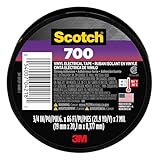
Electrical tape is all about insulation. Its primary job is to prevent electricity from jumping where it shouldn’t be.
Think about it: you’re wrapping wires, protecting connections, and making sure that juice stays where it’s supposed to. The material itself is usually vinyl, which is flexible, stretchy, and importantly, non-conductive.
It’s designed to withstand voltage, resist abrasion, and stay put in various temperatures without becoming brittle or melting.
Gorilla Tape, on the other hand, is a brute. It’s a heavy-duty duct tape. Its superpower is its incredibly strong adhesive and its reinforced backing. This stuff is made to hold things together under serious stress – think permanent repairs, bundling heavy objects, or even patching up a leaky hose. It’s thick, it’s tough, and it’s designed for sheer adhesion and durability against the elements and physical strain. I once used a strip of Gorilla Tape to hold a broken piece of my car’s bumper on for about six months until I could get it properly fixed. It weathered rain, sun, and countless bumps. That’s not what electrical tape is designed for.
So, when you’re looking at electrical tape, you’re looking for electrical properties. When you’re looking at Gorilla Tape, you’re looking for raw, uncompromising sticking power. The materials are different, the design goals are different, and the performance in important applications will be different. It’s like asking if a hammer can be used as a screwdriver. Sure, you might be able to bash a screw in, but it’s not going to work well, and you’ll likely mess up the screw head and potentially the material you’re working with.
Why You Shouldn’t Just Grab the Silver Roll
Here’s where I get blunt. Everyone thinks Gorilla Tape can fix anything. And it’s great for a lot of things.
It’s my go-to for securing tarps, patching a hole in my gardening boots, or even holding a wobbly chair leg together temporarily. But when it comes to electrical work, using Gorilla Tape in place of proper electrical tape is a gamble you don’t want to take.
The biggest reason? It’s not designed for electrical insulation.
That strong adhesive, while amazing for general repairs, isn’t formulated to provide the same level of dielectric strength as electrical tape. Dielectric strength is the maximum electric field a material can withstand without breaking down. If you’re dealing with anything more than a very low-voltage, non-important connection, you’re risking a short circuit, a shock, or even a fire.
I learned this the hard way, not with Gorilla Tape, but with some generic, cheap ‘all-purpose’ tape. I was trying to tidy up some wiring behind my entertainment center – just a few cables bundled together.
I used this off-brand tape, thinking it was strong enough. A few weeks later, I noticed a faint smell of burning plastic. Turns out, one of the wires had chafed, and the non-insulating properties of that tape didn’t stop the electricity from arcing. It didn’t cause a major fire, thankfully, but it melted a nice little divot into the plastic casing of my TV stand. (See Also: Can I Use Electrical Tape To Connect Wires )
That experience taught me that for anything involving electricity, you use the tape designed for electricity. It’s not about being fancy; it’s about safety and functionality.
Furthermore, electrical tape has a specific kind of flexibility and adhesive that allows it to conform to wires and connections, creating a smooth, continuous barrier. Gorilla Tape is thick and often has a fabric mesh in its backing. While strong, this can create ridges or uneven surfaces when wrapped, potentially leading to stress points on wires or allowing moisture to creep in. It also doesn’t stretch and seal the way electrical tape does, which is vital for creating a truly weatherproof and electrically sound connection.
When might You Get Away with It? (spoiler: Not Often)
Okay, let’s talk about the absolute edge cases, the ‘I-am-completely-screwed-and-this-is-all-I-have’ scenarios. If you’re talking about bundling a couple of low-voltage speaker wires together that aren’t going anywhere near water or high temperatures, and the absolute only thing you’re trying to do is keep them from tangling, then maybe, maybe a strip of Gorilla Tape won’t cause an immediate electrical catastrophe. I’m talking about decorative lights in your living room, or the power cord for a low-wattage lamp that’s just lying on the floor. In these situations, the risk of electrical failure is minimal.
However, even in these seemingly benign cases, there are downsides. Gorilla Tape’s adhesive is aggressive. Over time, it can leave a sticky, gummy residue when you try to remove it, especially on plastic or painted surfaces. This residue can attract dust and grime, making the area look messy. And if you ever do need to access those wires for a proper repair, peeling off that stubborn Gorilla Tape can be a real pain, potentially damaging the wire’s insulation in the process. So, even when the electrical risk is low, the hassle and potential for damage during removal are still factors to consider.
The common advice you’ll find online is a mix of ‘it’ll work in a pinch’ and ‘don’t do it.’ I lean heavily towards the ‘don’t do it’ side. The few times you might get away with it are so rare and specific that they barely count. Think of it this way: if the fix involves electricity, especially mains voltage (like from your wall socket), the stakes are just too high to experiment with a tape not designed for the job. My personal rule is: if it’s carrying more than a trickle of power, or if it’s exposed to anything that could cause a fault, it gets proper electrical tape.
Period. I learned this when I tried to use Gorilla Tape for a quick fix on a garden hose that was leaking near an outdoor power outlet. While the tape held the water back for a bit, the slight dampness that got through, combined with the non-insulating properties of the tape, caused a minor short that tripped my breaker. Not dangerous, but definitely a wake-up call.
Comparison: Gorilla Tape vs. Electrical Tape for Common Uses
| Use Case | Gorilla Tape Verdict | Electrical Tape Verdict | Why |
|---|---|---|---|
| Bundling low-voltage speaker wires |
Okay-ish (temporary) |
Best |
Gorilla tape will keep them tidy, but residue can be an issue. Electrical tape is cleaner and designed for the purpose. |
| Temporary repair on a frayed extension cord |
NO WAY |
Yes (properly applied) |
Gorilla tape is not an insulator. This is a fire and shock hazard. Electrical tape provides insulation. |
| Securing a loose wire on a car battery terminal (low voltage, but corrosive environment) |
NO (See Also: Can Electrica Tape Catch On Fire ) |
Yes |
Gorilla tape adhesive can degrade in battery acid fumes. Electrical tape offers better chemical resistance and insulation. |
| Patching a hole in a garden hose |
Excellent |
Not ideal |
Gorilla tape excels at this. Electrical tape isn’t designed for water pressure or structural repair. |
| Sealing a leaky pipe joint (non-pressurized) |
Good |
Poor |
Gorilla tape’s strength and adhesion are suited for this. Electrical tape won’t hold well or seal effectively. |
When Electrical Tape Is the Only Real Option
There are certain jobs where you simply cannot substitute Gorilla Tape for electrical tape, and safety is the most important concern. The most obvious is any work on household wiring, appliance repair, or automotive electrical systems that involve mains voltage or important circuits. If you’re splicing wires, repairing a damaged cord, or insulating a connection point, you need electrical tape. It’s rated for specific voltages and temperatures, and its insulating properties are what make it safe. Think about the internal wiring of your toaster, the cord on your vacuum cleaner, or the wiring harness in your car. These are not places to experiment with a tape that’s primarily for holding things together physically.
I once had a friend who was convinced he could use some heavy-duty cloth tape (similar in concept to Gorilla Tape, but a different material) to fix a blown fuse holder on an old amplifier. He figured the tape was strong, it would hold the wires in place, and that was that. It worked for about two hours. Then, the heat from the amplifier and the electrical current caused the tape to melt and arc, frying the entire amplifier board and costing him hundreds to repair. He was lucky it didn’t start a fire. That experience hammered home for me that while strength is one thing, electrical safety is an entirely different ballgame that requires specific materials.
The flexibility of electrical tape is also key. It’s designed to stretch and conform, allowing you to wrap it tightly around irregular shapes, creating a smooth, protective layer without gaps or creases. This is key for preventing moisture ingress and making sure a solid insulation barrier. Gorilla Tape, while strong, is less forgiving. It’s thicker and doesn’t stretch in the same way, making it harder to get a smooth, reliable wrap on intricate electrical components or wires. You might end up with air pockets or weak spots, which defeats the purpose of insulation.
Practical Tips for Using Both Tapes Correctly
Let’s talk about making sure you’re using the right tool for the job. First, if you’re dealing with any kind of electrical repair, always, always, always use a tape specifically labeled as ‘electrical tape.’ Don’t guess.
Look for the label. Reputable brands like 3M, Scotch, or Gardner Bender make excellent electrical tapes. They come in different grades, too, so check the specs if you’re working with higher voltages or demanding environments. (See Also: Can I Substitute Duct Tape For Electrical Tape )
For most home use, a standard vinyl electrical tape will do the trick. Make sure the surface you’re applying it to is clean and dry for the best adhesion. And when you wrap, overlap each layer by about half to create a smooth, protective sheath. You’ll want to stretch it slightly as you wrap to make sure it conforms tightly.
Now, for Gorilla Tape. This stuff is awesome for what it’s meant for. Use it to patch that hole in your shed roof that’s driving you nuts.
Secure a loose handle on a tool. Reinforce a cracked plastic container.
Bundle up garden hoses or electrical cords out of the way – not for insulating them. When applying, clean the surface first. Gorilla Tape sticks best to a clean, dry surface.
Press it down firmly, especially along the edges, to make sure a good bond. It’s incredibly strong, so a little goes a long way. Don’t be tempted to overdo it.
And be aware that its aggressive adhesive means it can be a pain to remove cleanly, so consider that for any temporary fixes.
Here’s a personal tip: keep both types of tape in your toolbox. They serve completely different purposes, and having both means you won’t be tempted to use the wrong one. I have a dedicated roll of black electrical tape in my main toolbox, and my rolls of Gorilla Tape live in a separate drawer dedicated to general repairs and fixes. This separation helps me mentally, and physically, choose the right tape for the task at hand. It’s a small organizational habit that prevents bigger headaches down the line.
The Final Word on Can Gorilla Tape Be Used in Place of Electrical Tape
So, to circle back to the big question: can Gorilla Tape be used in place of electrical tape? The short, blunt answer is: you can, but you absolutely should not for anything remotely important or involving significant electrical current. While Gorilla Tape is a miracle worker for general repairs, its lack of electrical insulating properties makes it a dangerous substitute for true electrical tape. The risks of short circuits, shocks, and even fires are simply too high.
Electrical tape is designed with specific materials and properties to safely insulate and protect electrical connections. It’s like using a band-aid for a deep wound – it covers it up, but it doesn’t do the actual job needed for healing and safety.
Always reach for the right tool, especially when dealing with electricity. It’s not worth the risk, the potential damage, or the peace of mind you sacrifice.
Final Thoughts
Look, I get the temptation. Gorilla Tape is strong, versatile, and you probably have a roll of it lying around. But when it comes to electrical work, especially anything involving more than just a couple of low-voltage wires bundled for neatness, it’s a recipe for disaster. Electrical tape has a specific job – insulation – and Gorilla Tape just doesn’t cut it. I’ve seen too many sketchy fixes turn into bigger problems to ever recommend it as a substitute.
My advice? Invest in a cheap roll of proper electrical tape. It costs next to nothing, and it will do the job right, safely. Keep your Gorilla Tape for patching tarps, fixing leaky hoses, or holding that wobbly shelf together. Those are its strengths. Trying to use it for electrical work is like trying to hammer a nail with a screwdriver; you might eventually get it in, but you’ll make a mess and probably break something.
So, the next time you’re faced with a frayed wire, remember this: can Gorilla Tape be used in place of electrical tape? Technically, yes, in the most basic sense of ‘sticking.’ But functionally and safely? Absolutely not. Stick to the tape designed for the job. Your safety, and your electronics, will thank you for it.