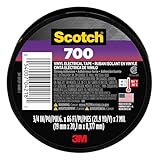
So, you’ve got a frayed wire, maybe even a cord that’s been completely severed. Your first thought, a common one, is probably: can I cover a severed cord with electrical tape and call it a day?
I get it. Duct tape has magical healing properties in movies, and electrical tape looks pretty sturdy. It’s tempting to just slap some on and pretend it never happened. I’ve been there, staring at a mangled cord, budget tighter than a drum, and thinking, “Surely this will hold.”
But let me tell you, from years of wrestling with dodgy electronics and learning the hard way, this isn’t a simple yes or no. It’s more like, “Technically, maybe, but you REALLY shouldn’t.”
The Temptation: Why Electrical Tape Seems Like a Quick Fix
Look, we’ve all had those moments. The toaster cord snaps mid-toast, the vacuum cleaner cord gets chewed by a rogue pet, or maybe a power tool cord takes a tumble off the workbench. In the heat of the moment, with the appliance useless and your patience thin, that roll of black electrical tape sitting in your junk drawer suddenly looks like a superhero. It’s stretchy, it’s sticky, and it’s designed for electrical stuff, right? That’s the thought process, and it’s a powerful one.
The truth is, electrical tape does have a job, and it’s a good one when used as intended. It’s designed to provide insulation for minor nicks or abrasions on wires, protecting the conductor beneath from dust, moisture, and preventing accidental contact with other wires or conductive surfaces. It’s often used to secure splices after they’ve been properly terminated with connectors like wire nuts or crimp sleeves. The key here is ‘minor’ and ‘after proper termination.’ It’s a secondary layer of protection, not a primary repair for significant damage.
I remember one particularly frustrating Saturday morning when the cord on my old, trusty jigsaw decided to give up the ghost. It had a clean break, right where it entered the plastic housing. My brain, already overloaded with DIY plans, screamed, “Electrical tape! Quick and easy!” So, I wrapped it up, feeling pretty smug about my ingenuity.
I plugged it in, and for about ten seconds, it worked. Then, a little puff of smoke, a distinct burning smell, and a surge of panic. The tape, while holding the conductors together initially, couldn’t handle the current draw or the flexing of the cord. It overheated, the adhesive melted, and the insulation underneath failed catastrophically.
That jigsaw ended up in the bin, and I learned a very expensive lesson about cutting corners.
The common advice you’ll hear is that electrical tape alone is NOT a permanent or safe fix for a severed cord. And honestly, that advice is spot on. It’s like putting a band-aid on a broken bone. It covers the immediate problem but does nothing to address the underlying structural failure. The tape might hold the bare copper strands apart for a little while, but it’s not mechanically strong, it won’t withstand repeated flexing, and its adhesive can degrade over time, especially with heat cycles. The biggest risk is that the wires will touch again, short circuit, and potentially cause a fire or electrocution. It’s a gamble I’m no longer willing to take.
What Electrical Tape actually Does (and Doesn’t Do)
Let’s break down what electrical tape is made of and why its properties make it unsuitable for fixing a completely severed cord. Most standard electrical tapes are made from vinyl (PVC) with a rubber-based adhesive. Vinyl is chosen for its flexibility, its resistance to abrasion, and its ability to stretch and conform to irregular shapes. The adhesive is designed to stick well to itself and to insulated wires, providing a barrier against environmental factors. Many also have good dielectric strength, meaning they can resist electrical current to a certain degree. (See Also: Can I Use Electrical Tape To Connect Wires )
However, here’s where the “severed cord” part becomes the problem. A severed cord means the conductors are not just exposed; they are separated. To rejoin these conductors safely, you need more than just tape holding them in proximity.
You need a connection that is electrically sound, mechanically strong, and insulated to the same standard as the original cord. Electrical tape, on its own, cannot provide this.
When you wrap tape around two severed ends, you’re basically just holding two separate pieces of wire next to each other. There’s no actual electrical connection being made between them. If you were to try and splice the wires themselves and then tape over the splice, that’s a different story, but even then, the tape is only part of the solution.
The insulation rating of electrical tape is also a factor. While it provides some protection, it’s not designed to be the sole insulating layer for a fully exposed conductor carrying mains voltage, especially in a situation where the cable might be stressed. Think about it: if the cable is going to be moved, bent, or potentially pulled, the tape can easily shift or tear, re-exposing the conductors. The adhesive can also lose its tackiness when exposed to heat generated by current flow or ambient temperature fluctuations, allowing the tape to unravel.
I learned this the hard way with a desk lamp that had a frayed cord. I wrapped it with electrical tape, thinking I was being clever. A few days later, I reached for the lamp switch, and my hand brushed against the taped section.
It was warm, significantly warmer than the rest of the cord. That was the moment the alarm bells went off.
I unplugged it immediately and took a closer look. The tape was slightly discolored, and the wires underneath, though still wrapped, looked stressed. It was a stark reminder that while electrical tape offers some protection, it’s not a substitute for a proper repair or replacement.
It’s meant for minor insulation touch-ups on intact wires, not for bridging gaps or creating new connections.
The Dangers: Why This Is a Bad Idea
Let’s not mince words: trying to repair a severed cord with just electrical tape is a recipe for disaster. The risks aren’t just theoretical; they are very real and can have serious consequences. (See Also: Can Electrica Tape Catch On Fire )
The most immediate danger is fire. When a cord is severed, the conductors are completely separated.
If you wrap electrical tape around the two ends, you’re not actually reconnecting them electrically. What you might be doing is creating a situation where the exposed copper ends are just sitting close enough to each other that they could touch, or worse, they might maintain a very poor, intermittent connection. This kind of faulty connection generates heat. A lot of heat.
Especially if the appliance draws significant current. This heat can melt the tape’s adhesive, cause the vinyl to degrade, and eventually ignite surrounding flammable materials like dust, carpet, or wood. I’ve seen photos of electrical fires that started from seemingly minor cord damage, and it’s terrifying.
Then there’s the risk of electrocution. Even if the tape holds the wires apart for a while, it’s not a solid insulator. If the cord is tugged, bent, or the tape shifts, exposed conductors can come into contact with your skin, other conductive surfaces, or even other wires within the appliance. This can result in a painful and potentially lethal electric shock. The dielectric strength of electrical tape is sufficient for its intended purpose (insulating minor nicks), but it’s not designed to be the primary barrier against direct contact with high-voltage conductors in a situation where the cord’s integrity is compromised.
Another common issue is equipment damage. A poor connection or intermittent contact caused by a taped-up severed cord can send fluctuating voltage or current to your appliance. This can cause malfunctions, damage sensitive electronic components, and ultimately lead to the premature failure of the device you’re trying to power. It’s a false economy; you save a few bucks on tape, but you risk ruining your appliance or worse.
Finally, there’s the issue of code violations and insurance. In many places, repairing electrical cords in this manner is against electrical codes. If an incident occurs, like a fire or injury, your insurance company might deny your claim because the damage resulted from an unsafe, non-compliant repair. It’s not worth the risk. I once had a friend try to tape up a frayed cord on an old extension cord. He swore it was fine. Weeks later, it sparked and caused a small fire in his garage. Thankfully, it was contained quickly, but it was a stark reminder that these aren’t theoretical dangers.
When Is Electrical Tape okay? (hint: Not for Severed Cords)
Okay, so if electrical tape isn’t the miracle cure for severed cords, what is it good for? It’s important to understand its limitations and proper applications to avoid confusion. Electrical tape is primarily intended for insulating and protecting existing, intact wires, not for reconnecting or structurally repairing damaged ones. Think of it as a bandage for a scratch, not a cast for a broken bone.
Here are a few scenarios where electrical tape plays a legitimate role:
- Minor Abrasion Protection: If a wire’s outer insulation has a small nick or scrape, but the conductor underneath is not exposed, a few wraps of good quality electrical tape can provide a protective barrier against further damage, moisture, or dust.
- Bundling Wires: It’s often used to neatly bundle together multiple wires, keeping them organized and preventing them from tangling.
- Securing Splices (with proper connectors): After you’ve made a proper electrical splice using appropriate connectors (like wire nuts, crimp connectors, or terminal blocks), electrical tape can be used to provide an extra layer of insulation and strain relief around the splice. This is a common practice in electrical installations, but the tape is the secondary layer, not the primary connector.
- Temporary Insulation for Low-Voltage Applications: In very low-voltage electronics projects or temporary setups, it might be used for basic insulation, but even then, dedicated heat-shrink tubing or proper connectors are superior.
What you should never do is use electrical tape as the sole means of repair for a cut, frayed, or severed wire. This includes: (See Also: Can I Substitute Duct Tape For Electrical Tape )
- Completely severed cords where wires are visibly broken.
- Severely frayed cords where multiple strands of the conductor are exposed or the insulation is significantly compromised.
- Cords that will be subjected to significant flexing, heat, or moisture.
My own experience with the jigsaw and the desk lamp falls squarely into the “don’t do this” category. I was trying to use the tape to bridge a gap and provide insulation simultaneously, which it’s not designed to do. The correct approach for a severed cord involves rejoining the conductors using a method that creates a secure electrical and mechanical connection, followed by proper insulation.
A good rule of thumb from the electrical industry, often cited in safety guidelines, is that if you have to question whether electrical tape is enough, it probably isn’t. The dielectric strength and mechanical integrity of electrical tape are simply not sufficient to act as a primary repair for damaged conductors carrying household voltage. There are specific types of tapes, like vulcanizing tape or specialized self-fusing silicone tape, that offer better performance for certain repairs, but standard vinyl electrical tape is not among them for severed cords.
Practical Tips for Cord Repair (what You should Do)
So, if electrical tape is out, what’s the right way to fix a damaged cord? The short answer is: usually, you shouldn’t try to fix it yourself if it’s severed. For most consumer appliances, replacing the cord entirely is the safest and most reliable option. Cords for things like lamps, vacuums, power tools, and kitchen appliances are often designed to be replaceable. You can usually find a replacement cord online or at an electronics repair shop. Make sure to match the plug type, length, and gauge of the wire to the original.
If you’re comfortable with basic electrical work and the cord is removable (often secured by a few screws at the appliance end), replacing it is straightforward. You’ll disconnect the old cord and connect the new one, making sure you match the wire colors to the correct terminals. If you’re unsure, find a tutorial specific to your appliance or, better yet, take it to a professional.
However, there are situations where a repair might be considered, especially for more solid equipment or if a replacement isn’t readily available. This involves creating a proper splice. Here’s a general idea of the process, but remember, safety first. If you’re not confident, stop and get professional help or replace the cord.
- Identify and Prepare: Cut the cord well back from the damaged area, making sure you have clean, solid wire on both sides. Strip about an inch of insulation from the ends of each wire conductor (hot, neutral, ground).
- Make the Connection: The best way to join wires is using proper connectors. For household cords, this usually means crimp connectors (butt connectors) or Wago-style lever connectors. Insert the stripped ends of the corresponding wires into the connector and crimp them securely (for crimp connectors) or engage the lever (for Wago). Make sure a solid, no-wiggle connection.
- Insulate and Protect: This is where tape can play a role, but not alone. After making your splice with connectors, you should ideally use heat-shrink tubing that’s rated for the voltage and temperature. Slide a piece of heat-shrink tubing over one wire before you make the splice, then after the splice is made and secured, slide the tubing over the connector and heat it with a heat gun or lighter (carefully!) until it shrinks and seals tightly.
- Secondary Wrap (Optional but Recommended): Once the heat-shrink tubing is in place and cooled, you can then wrap the entire splice area with good quality electrical tape for an extra layer of protection against abrasion and minor impacts.
Here’s a comparison table of common cord repair methods:
| Method | Description | Pros | Cons | Verdict |
|---|---|---|---|---|
| Electrical Tape Only | Wrapping severed wires with electrical tape. | Fast, readily available materials. | Extremely unsafe, no electrical or mechanical connection, fire/shock hazard, degrades quickly. | Do NOT use for severed cords. |
| Wire Nuts (for solid wire, less common for appliance cords) | Twisting wires together and screwing on a plastic nut. | Simple for low-voltage indoor wiring, cheap. | Not ideal for stranded appliance cord wires, can loosen with vibration, requires separate insulation. | Okay for specific low-voltage indoor splices, but not for appliance cords. |
| Crimp Connectors (Butt Splices) | Inserting wire ends into a metal sleeve and crimping. | Creates a strong mechanical and electrical connection. | Requires a crimping tool, needs separate insulation (heat shrink or tape). | Good option when properly insulated. |
| Heat-Shrink Tubing | A plastic tube that shrinks when heated, sealing the splice. | Provides excellent insulation and environmental sealing. | Requires heat source, needs a connector underneath for electrical/mechanical join. | Key for a safe splice. |
| Replacing the Cord | Removing the old cord and installing a new one. | Safest, restores the cord to original specifications. | Can be time-consuming, requires some disassembly, might need specific parts. | The most recommended solution. |
For my part, after the jigsaw incident and seeing the damage that faulty repairs can cause, I’ve become a firm believer in replacement. It costs a bit more upfront, but the peace of mind and safety are well worth it. If the cord is integrated into the appliance in a way that replacement is impossible or extremely difficult, then it’s usually time to retire the device. It’s not worth risking your home or your health.
Final Thoughts
So, to circle back to the question: can I cover a severed cord with electrical tape? The blunt, honest answer is no. While it might seem like a quick and easy fix in a pinch, it’s incredibly dangerous and simply doesn’t provide the electrical or mechanical integrity needed to safely power an appliance. The risks of fire, shock, and equipment damage are far too high.
Instead of reaching for that roll of black tape, your best bet is almost always to replace the cord entirely. It’s the safest, most reliable way to get your device working again. If you’re not comfortable doing that, or if the cord is non-replaceable, it’s time to consider retiring the appliance.
Don’t gamble with your safety. A proper repair, or replacement, is always the right call when dealing with severed electrical cords.