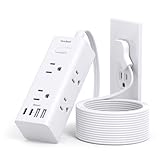
I remember the first time I tried to run power to my garage workshop. I grabbed the thickest extension cord I had lying around, a bright orange behemoth that had seen better days, and figured, ‘What’s the worst that could happen?’ Turns out, a lot. That cord, meant for indoor use, fried faster than a cheap burger on a hot grill. It taught me a hard lesson: not all cords are created equal, especially when you’re taking them outside. So, can extension cords be used outdoors? The short answer is a qualified ‘yes’, but you need to know what you’re doing.
It’s not just about tossing any old cord into the elements. You need to understand the difference between what’s built to withstand rain, sun, and the general abuse the outdoors dishes out, and what’s designed to stay safely tucked away inside. Get it wrong, and you’re not just risking a dead tool or a blown fuse; you’re flirting with fire hazards and electrical shock.
Picking an Outdoor Extension Cord: What to Actually Look For
Alright, so you’re staring at a wall of extension cords, and the big question is, ‘Which one of these bad boys can actually survive outside without melting into a plastic puddle or giving me a jolt that’d make a defibrillator blush?’ Forget those flimsy indoor cords; they’re about as useful outdoors as a screen door on a submarine. The real deal for outdoor use has a few key things going for it, and you need to pay attention.
First off, you’ll see labels like ‘outdoor-rated,’ ‘heavy-duty,’ or even specific designations like ‘SJTW’ or ‘THW.’ These aren’t just marketing fluff; they tell you something about the jacket material and its resistance to the elements.
SJTW, for example, is a common one for outdoor cords. It means the jacket is thermoplastic, water-resistant, and can handle a decent temperature range. THW is more about heat resistance, which is still important if your cord is sitting in direct sun. The key is that the jacket needs to be tough enough to resist moisture, UV rays, and physical abrasion.
I once bought a cord that looked rugged but the plastic felt brittle. Sure enough, after a few months baking in the sun, it started cracking like old leather. That was a $40 lesson learned.
Gauge is another big one. This is about the wire’s thickness, and it’s measured in AWG (American Wire Gauge). The lower the number, the thicker the wire, and the more amperage it can handle.
This is super important if you’re running a power-hungry tool like a saw or a heater. For most general outdoor tasks, like running lights or a small pump, a 14-gauge cord might do.
But if you’re serious about power, especially over longer distances, you’ll want 12-gauge or even 10-gauge. Running a heavy-duty tool on an undersized cord is a recipe for overheating, voltage drop, and potentially a fire. I learned this the hard way trying to power a big air compressor from my garage to the driveway.
The cord got hot enough to make me nervous, and the compressor struggled. Switched to a 12-gauge, and it was like night and day. Plus, look for three-prong plugs.
That third prong is your ground, and it’s a vital safety feature outdoors, where moisture is always a concern.
The length also matters. Longer cords naturally have more resistance, meaning more voltage drop. If you’re going over 50 feet, definitely consider a lower gauge (thicker wire). Don’t just buy the longest cord you can find if you only need 20 feet. It’s unnecessary bulk and can be a tripping hazard. Think about the connectors too. Are they molded securely? Do they feel sturdy? Cheap, flimsy connectors are often the first thing to go, letting in moisture and causing connection issues.
The Nitty-Gritty: Safety Standards and What Can Go Wrong
So, you’ve got your shiny new ‘outdoor-rated’ cord. Great. But what does that really mean in terms of safety? And what happens when things go south? It’s not just about the cord itself; it’s about how you use it and the environment it’s in. Most reputable outdoor extension cords will carry certifications from organizations like UL (Underwriters Laboratories) or ETL (Intertek). These certifications mean the product has been tested and meets specific safety standards for its intended use. This is your first line of defense. If a cord doesn’t have these markings, I wouldn’t even consider it for outdoor use. It’s like buying car parts from a guy in a trench coat – probably not worth the risk.
The biggest thing that can go wrong is moisture. Water and electricity are a terrible combination. Even an ‘outdoor-rated’ cord can become a hazard if it’s damaged, cut, or has worn insulation.
If water seeps into the jacket and reaches the conductors, you’ve got a serious risk of short circuits, which can lead to fires, or electrocution if you touch it. This is why inspecting your cord before every use is a must. (See Also: Can Extension Cords Be Thriwn Away )
Look for nicks, cuts, abrasions, or any signs of melting or hardening. If you find any damage, that cord is toast. Don’t try to tape it up; that’s a patch job that won’t hold under pressure or environmental stress.
It’s a simple rule: if it looks bad, it probably is.
Another common pitfall is using the wrong gauge for the load, like I mentioned before. Pushing too much current through a thin wire causes it to heat up. This can melt the insulation, damage the cord, and, in worst-case scenarios, start a fire. It’s like trying to pour a river through a garden hose; something’s gotta give, and usually, it’s the hose. Overloading a circuit, even with the right cord, is also a danger. Make sure the outlet you’re plugging into, and the breaker protecting it, can handle the total amperage draw of whatever you’re powering.
The sun is also an underrated enemy. While outdoor cords are designed to be UV-resistant, prolonged, intense exposure can still degrade the jacket material over time, making it brittle and prone to cracking. That’s why storing your cords properly, out of direct sunlight when not in use, is a good habit. I’ve seen folks leave cords coiled up on a sunny patio for weeks, only to find them cracked and useless come fall. It’s a slow burn, but the sun will get ’em if you’re not careful.
Common Mistakes People Make (and How to Avoid Them)
Look, I’ve made my share of dumb mistakes in the DIY and outdoor power game, and I’ve seen others do the same. When it comes to extension cords outdoors, the blunders usually fall into a few predictable categories. The most common, hands down, is simply using the wrong cord for the job. People grab that bright yellow cord that’s been under the sink for years and think it’ll be fine for powering the patio lights. Spoiler alert: it won’t. Indoor cords are not built to withstand the damp, the temperature swings, or the UV exposure. Using one outdoors is asking for trouble, plain and simple. It’s cheap upfront, but the potential cost in damage or injury is astronomical.
Another huge mistake is neglecting the cord’s condition. I’ve seen people use cords with exposed wires, frayed ends, or melted connectors, all because they didn’t want to spend $20 on a new one. It’s mind-boggling. Electrical tape is NOT a permanent fix for a damaged extension cord. It might stop it from sparking for an hour, but it’s not insulation, it’s not weather-proof, and it’s definitely not safe. If your cord looks like it’s been through a wrestling match with a lawnmower, retire it. Seriously. It’s not worth the gamble.
People also get lazy with storage. Leaving cords plugged in, snaking across the lawn, or just balled up in a damp corner of the shed is a sure way to shorten their lifespan and increase risk. Moisture gets into connectors, UV rays degrade the jacket, and they become trip hazards or get run over by equipment. A sturdy cord reel or a dedicated storage bin, kept in a dry place, makes a massive difference. It takes maybe an extra minute to coil it up properly, but that minute can save you a lot of headaches down the line.
Then there’s the power-hungry tool on a long, thin cord problem. You’ve got a big sander or a powerful leaf blower, and you’re trying to run it on a 16-gauge cord that’s 100 feet long. The tool sputters, the cord gets warm, and you’re frustrated. This is a classic case of voltage drop. The cord can’t efficiently deliver the power needed. You need a heavier gauge cord for longer runs or higher amperage tools. Always check the tool’s power requirements and match it to the cord’s capacity and length. When in doubt, go thicker (lower gauge). It’s better to have a slightly overkill cord than a cord that’s a fire hazard.
Finally, and this is a big one for outdoor use: always use GFCI protection. GFCI (Ground Fault Circuit Interrupter) outlets or cords are designed to shut off power instantly if they detect an imbalance in the current, which typically happens when electricity is flowing through an unintended path, like water or a person. If your outdoor outlet isn’t GFCI protected, you should absolutely be using a GFCI extension cord. It’s an extra layer of safety that’s often overlooked, but for outdoor electrical work, it’s a a must. I learned this after a close call with a faulty pump during a rainy clean-up. The GFCI breaker tripped instantly, and I realized how lucky I was.
Real-World Use Cases: When and Where They Shine
So, where do these outdoor-rated extension cords actually earn their keep? Honestly, almost anywhere you need to bring power outside reliably and safely. Think about your typical weekend warrior scenarios. You’re doing yard work: running a hedge trimmer, a lawnmower (if it’s not a battery one, of course), or a leaf blower. You need a cord that can handle being dragged over grass, maybe brushed against bushes, and potentially get a little damp from dew or a sudden shower. An outdoor-rated cord is built for that kind of abuse.
What about outdoor entertainment? Stringing up lights for a party, running a sound system, powering a projector for movie night, or even setting up a temporary charging station for phones and speakers. These are all prime examples where an outdoor cord is the sensible choice. They’re designed to be more flexible in cooler temperatures and resist kinks better than their indoor counterparts, which can become stiff and brittle when the mercury drops. Plus, the bright colors often available make them easier to spot, reducing trip hazards.
For the DIYer or homeowner, they’re indispensable for power tools used away from the house. Need to use a power washer on the driveway or a circular saw on a deck project far from an exterior outlet? An outdoor cord is your lifeline.
Even simple tasks like charging a car battery or using a portable air compressor on the driveway require a cord that can handle the elements. And if you’re doing any kind of outdoor lighting installation, whether it’s landscape lights or seasonal decorations, a proper outdoor extension cord is key to a safe and long-lasting setup. I’ve used them to power pumps for small water features and even to run a small fan on a shaded patio during a scorching summer day.
The versatility is huge, as long as you match the cord’s specs to the job. (See Also: Can Extension Cords Short Out )
Consider this table, where I’ve roughly ranked common outdoor extension cord tasks by the typical gauge and length you might need. It’s not gospel, but it’s a good starting point based on my own experience:
| Task | Typical Gauge (AWG) | Typical Length Needed | Notes/Verdict |
|---|---|---|---|
| Stringing patio lights/small decorations | 16 | 25-50 ft |
Generally low power draw. Look for flexibility and weather resistance. Verdict: Sufficient. |
| Running a lawnmower or hedge trimmer | 14 or 12 | 50-100 ft | |
| Powering a portable air compressor or large power tool | 12 or 10 | 25-50 ft | |
| Operating a submersible pump or small water feature | 14 or 12 | 25-75 ft | |
| Temporary outdoor event power (speakers, projectors) | 14 or 12 | 50-100 ft |
What about that ‘always plug into a GFCI’ advice? It’s not just for outdoor cords. For any extension cord used outdoors, it’s a fundamental safety requirement. Even if the cord itself is rated for outdoor use, the power source needs that extra protection. If your exterior outlets aren’t GFCI protected, you must use a GFCI extension cord. It’s a small investment that can literally save your life. I’ve seen too many cheap, ungrounded, or damaged cords cause trouble, and the GFCI is the best defense against that.
Durability and Design: Features That Matter
Beyond the basic rating and gauge, there are specific design elements that can make an outdoor extension cord truly stand out – or make it a total flop. I’ve learned to look for a few things that separate the good from the just-okay. First up is the jacket material and its construction.
While SJTW is common and good, some cords use even more solid materials like heavy-duty vinyl or proprietary blends designed for extreme temperatures and abrasion resistance. These tend to be a bit stiffer, but they’ll last longer in harsh conditions. I bought a cord once that had a slightly rubbery texture to the jacket, and it felt significantly more durable and less prone to scuffs than standard plastic ones. It cost about $10 more, but after a year of dragging it around my rocky yard, it still looks and performs like new.
Connectors are another area where quality really shows. Molded connectors are generally superior to those that are crimped on. Molded connectors are fused to the wire, creating a smooth, weather-resistant seal. They’re less likely to pull apart or allow moisture ingress. Look for connectors that have a good grip too, making them easier to unplug, especially when your hands are dirty or wet. Some higher-end cords also feature indicator lights on the female end, showing that the cord is receiving power. This is a small but incredibly useful feature, especially when troubleshooting power issues in dimly lit areas. No more plugging and unplugging repeatedly to check if the outlet is live.
Kink resistance and flexibility are also worth considering. Some cords, even outdoor-rated ones, can become stiff and unwieldy, especially in colder weather. This makes them a pain to deploy, coil, and store, and they’re more prone to developing permanent kinks that can damage the internal wires. Cords made with more flexible compounds will lie flatter, are easier to manage, and are less likely to develop internal damage over time. I’ve found that cords advertised as ‘all-weather’ or ‘cold-weather flexible’ tend to live up to their name, though they might be a bit pricier.
Another feature that’s surprisingly useful is integrated cord management. While a separate cord reel is great for storage, some cords come with built-in Velcro straps or similar ties that make coiling and securing them much easier. It sounds minor, but when you’re packing up after a job, these little touches make a difference. Finally, consider the overall construction quality. Are the prongs solid and well-seated? Does the cord feel uniformly constructed, or are there any obvious weak spots? A quick visual inspection and a feel for the material can tell you a lot about how well a cord was made and how long it’s likely to last.
A Few Practical Tips for Outdoor Cord Use
Okay, we’ve covered the what and the why. Now for the how – the practical stuff that’ll keep you and your gear safe and powered up outside. First rule, and I can’t stress this enough: always inspect your cord before every single use. Even if it’s a brand-new, top-of-the-line outdoor cord. Unroll it, look for cuts, nicks, cracks, or any signs of damage. Check the connectors to make sure they’re intact and clean. If you find anything iffy, that cord is out of service. Period. It takes 30 seconds and can prevent a serious accident.
Second, use GFCI protection religiously. If the outdoor outlet you’re plugging into isn’t GFCI-protected, use a GFCI extension cord. It’s that simple. Many outdoor extension cords come with a built-in GFCI plug, which is the easiest solution. If yours doesn’t, you can buy a GFCI outlet adapter to plug into your existing outlet and then plug your extension cord into that. This is probably the single most important safety tip for outdoor electrical work, hands down. I’ve seen enough close calls to know this isn’t optional. (See Also: Can Extension Cords Be Use With Electric Heaters )
Third, don’t overload your cords. Know the amperage rating of your tool and the amperage capacity of your cord. A 16-gauge cord might handle 10 amps, while a 12-gauge can handle 15-20 amps. Pushing more power than the cord is designed for will cause it to overheat, melt, and potentially start a fire. If your tool is struggling or the cord feels warm, stop immediately. You might need a heavier gauge cord or a shorter one.
Fourth, manage your cords to prevent damage and hazards. Avoid running them across high-traffic areas where they can be tripped over or run over by vehicles or equipment. Don’t run them through doorways or windows where they can be pinched. When you’re done, coil them neatly and store them in a dry, protected place. Cord reels are fantastic for this. Keeping them out of direct sunlight when not in use will also prolong their life. Think of your extension cord like any other tool – treat it well, and it’ll serve you better.
Fifth, understand voltage drop. The longer the cord and the thinner the wire (higher gauge number), the more resistance there is, and the less voltage reaches your tool. This can make tools run sluggishly or not at all. For longer runs (over 50 feet) or high-draw tools, always opt for a lower gauge (thicker wire). It’s an investment that pays off in performance and safety. If you’re not sure, buy a thicker gauge than you think you need. It’s always better to be safe and have a bit of overkill than to risk damaging your tools or creating a hazard.
Here’s a quick rundown of what to look for in a quality outdoor extension cord:
| Feature | Why It Matters | Verdict |
|---|---|---|
| Outdoor Rating (UL/ETL) | Makes sure it meets safety standards for outdoor use. | Must-have |
| Gauge (AWG) | Determines current capacity; lower number = thicker wire, higher capacity. | Important (match to tool/length) |
| Jacket Material | Resists moisture, UV, abrasion, and temperature extremes. | Important |
| Molded Connectors | Durable, weather-resistant, and less prone to failure. | Highly Recommended |
| GFCI Protection | Key safety feature for outdoor environments. | A must |
| Length | Impacts voltage drop; choose only what you need. | Consider carefully |
| Flexibility/Kink Resistance | Ease of use and durability in varying temperatures. | Nice to have |
Finally, a contrarian thought: everyone talks about how heavy-duty outdoor cords are bulky and hard to manage. And yeah, sometimes they are. But I’d rather wrestle with a slightly heavier, stiffer cord that I know is safe and won’t fail me, than a flimsy indoor cord that’s a ticking time bomb. The “convenience” of a cheap, lightweight indoor cord used outdoors is a false economy. Safety and reliability always trump a little bit of extra hassle.
People Also Ask: Can Extension Cords Be Used Outdoors?
Can you leave outdoor extension cords plugged in outside year-round?
While outdoor-rated extension cords are built to withstand the elements, leaving them plugged in and exposed to constant moisture, UV rays, and temperature fluctuations year-round will significantly shorten their lifespan and can compromise their safety over time. It’s best practice to unplug and store them in a dry place when not in use to maintain their integrity and make sure continued safe operation.
What is the difference between indoor and outdoor extension cords?
The primary difference lies in their construction and materials. Outdoor extension cords feature a more solid, weather-resistant outer jacket designed to protect against moisture, UV radiation, and extreme temperatures. They also often have thicker gauge wiring and more durable connectors. Indoor cords are made with simpler insulation and are not designed to withstand the harsh conditions found outdoors.
How do I know if an extension cord is safe for outdoor use?
Look for clear markings on the cord itself or its packaging indicating it is ‘outdoor-rated’ or ‘heavy-duty.’ Reputable cords will also carry safety certifications from organizations like UL (Underwriters Laboratories) or ETL (Intertek). These certifications confirm the cord has met specific safety standards for outdoor environments. Always inspect the cord for any signs of damage before use.
Conclusion
So, can extension cords be used outdoors? Yes, absolutely, but only if they are specifically designed and rated for it. Grabbing any old cord from the garage and hoping for the best is a gamble you shouldn’t take. The key is to look for those outdoor-rated markings, understand gauge and length requirements, and always prioritize safety features like GFCI protection. A good outdoor extension cord is an investment in safety and reliability for all your outdoor power needs.
Don’t be the person who has to replace a melted cord or worse, deal with an electrical hazard. Take a few minutes to select the right cord for the job, inspect it before each use, and store it properly. It might seem like a small detail, but it makes a world of difference when you’re out there trying to get work done or enjoy your outdoor space.
Next time you need to run power outside, remember this. Do your homework, pick wisely, and stay safe. It’s not rocket science, but it does require a bit of common sense and attention to detail. And hey, if you’re ever in doubt about whether an extension cord can be used outdoors, err on the side of caution. It’s better to be safe than sorry.