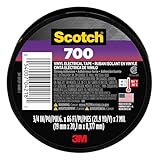
Look, I’ve been there. Standing in a damp basement, staring at a leaky pipe, and thinking, “What’s the fastest, easiest fix?” My first thought, like a lot of people, was that super-stuck-on, black tape that promises miracles. I’m talking about Flex Seal Tape, the stuff you see advertised everywhere.
But when the question comes up, ‘can Flex Seal Tape be used with electrical outlets?’, my gut reaction is a resounding NO, and not just because it’s a bad idea, but because it’s a dangerous one. We need to talk about why this stuff, while great for some things, is a hard pass for anything involving electricity.
Let’s get down to brass tacks about this sticky situation.
Why This Black Goop Isn’t for Your Wires
So, what exactly is this Flex Seal Tape? It’s a super-adhesive, rubberized tape that’s designed to create a waterproof, airtight seal. The company touts it for everything from patching roofs and gutters to fixing leaky hoses and RV cracks. It’s thick, it’s flexible, and when you slap it on, it feels like it’s going to hold forever. And for many non-electrical applications, it does a pretty decent job. I’ve used it to patch a small hole in a rain barrel, and it’s still holding strong after two years, no leaks. It’s surprisingly tough to peel off once it’s set, which is exactly what you want when you’re trying to stop water from doing its thing.
The marketing often shows it sealing up holes in boats or holding together damaged pipes. It’s presented as the ultimate DIY quick fix. And for those kinds of tasks, where the stakes are primarily about water damage or structural integrity, it can be a lifesaver. It’s made of a thick, pliable material that’s coated with a strong adhesive.
When you press it down, it conforms to the surface and, with a bit of heat from your hand or even just time, it seems to bond incredibly well. It’s not your typical duct tape, that’s for sure.
It’s got a different kind of tackiness and a much more substantial feel to it. You can stretch it, and it bounces back, kind of like a thick rubber band, but then it just sticks. It’s pretty wild to watch, and it feels like you’re sealing the deal against whatever you’re trying to fix.
However, the core of the problem when you ask ‘can Flex Seal Tape be used with electrical outlets?’ boils down to one massive, a must fact: electricity and water, or even just the potential for conductivity, are a recipe for disaster.
Flex Seal Tape is designed to be a barrier, yes, but it’s not designed to be an insulator for high-voltage electrical components. Its adhesive might be strong, and it might stop water, but it doesn’t have the dielectric strength needed to prevent electrical current from passing through it or causing shorts. This isn’t about just getting a little shock; this is about fire hazards and serious injury. Trying to use it around exposed wires or outlets is like playing Russian roulette with your home and your life.
I remember a friend who tried to tape up a frayed extension cord with it because it looked like it was “holding fine.” A week later, there was a burning smell, and a small electrical fire started. Luckily, it was caught early, but it was a stark reminder that some fixes are just not worth the risk. That tape, while a marvel for plumbing emergencies, is out of its depth when it comes to anything electrical.
What You should Look for in Electrical Repairs
Okay, so if Flex Seal Tape is a no-go for electrical outlets and wiring, what’s the right stuff? When you’re dealing with electrical issues, especially around outlets, the primary concern is safety. You need materials specifically designed to insulate and protect. This means looking for products that have the correct UL (Underwriters Laboratories) listing or equivalent certification for electrical applications. These products have been tested rigorously to make sure they meet safety standards for handling electricity. Common items include electrical tape, which is specifically manufactured to be an insulator, and wire nuts or connectors, which are designed to join wires securely and safely.
Electrical tape, often black, is thinner and more pliable than Flex Seal Tape. It’s designed to stretch and conform to wires, creating a reliable insulating barrier. It’s important that you use tape rated for electrical use; regular duct tape or even strong packing tape will melt, degrade, or conduct electricity, which is the exact opposite of what you need. I’ve seen people try to use regular tape on wires in a pinch, and it always ends up looking like a gooey mess or, worse, failing completely when it matters most. The adhesive on electrical tape is also formulated to stick well without leaving a sticky residue that could become a problem later.
When it comes to connecting wires, wire nuts are the standard. They’re little plastic caps with a metal spring inside that grips the stripped ends of wires, holding them together and insulating the connection. There are different sizes for different gauges of wire. For covering up exposed connections or protecting a splice, heat-shrink tubing is another excellent option. You slide a piece of this special tubing over the connection, and then apply heat (usually with a heat gun), causing it to shrink tightly around the splice, creating a durable, insulated, and often waterproof seal. This is a much more professional and safe solution than any kind of general-purpose tape.
For outlet boxes themselves, if there’s a minor crack or damage to the plastic, you’re generally looking at replacing the entire outlet or the cover plate. There aren’t really any tapes or sealants that are approved or safe to use to patch up a damaged outlet box while it’s still in use.
The plastic used for these boxes is specifically designed to be non-conductive and durable. If it’s cracked, it compromises the safety of the entire setup. The common advice from electricians is always: when in doubt, replace it.
It’s usually a cheap part, and the peace of mind is well worth the small cost and effort. Trying to patch it with something like Flex Seal Tape is not just risky; it’s fundamentally misunderstanding the purpose and requirements of electrical safety components.
Common Mistakes When Trying to Patch Electricals
One of the biggest mistakes people make, and it’s a dangerous one, is thinking that because a material is “waterproof” or “airtight,” it’s automatically suitable for electrical applications. This is where the confusion with products like Flex Seal Tape comes in. (See Also: Can Electrical Tape Be Used Instead Of Plumbers Tape )
People see it stopping leaks and think, “Great, it’ll stop electrical shorts too!” That’s a complete fallacy. Waterproofing and electrical insulation are entirely different properties.
Electrical insulation needs to prevent the flow of current, while waterproofing just stops water. A material can be a great water barrier but a terrible electrical insulator. Flex Seal Tape falls squarely into this category.
It’s excellent at its intended job of sealing leaks, but it has zero electrical insulating properties. In fact, depending on the formulation, some adhesives might even become slightly conductive when heated or degraded, making the situation worse.
Another common error is trying to use general-purpose tapes like duct tape or packing tape for electrical repairs. I’ve heard stories, and seen the aftermath, of people wrapping frayed wires with duct tape because it felt secure. Duct tape adhesive can degrade over time, especially with heat generated by electrical components, and the fabric backing is not an insulator. It’s designed for holding things together, not for electrical safety. You end up with a sticky mess that offers no protection and could easily lead to shorts or fires. The same applies to packing tape, which is even less solid. These tapes are simply not designed for the stresses and requirements of electrical work.
A third significant mistake is trying to jury-rig repairs instead of replacing faulty components. If an outlet cover is cracked, if a wire is frayed, or if a connection seems loose, the instinct might be to patch it up.
But electrical components are relatively inexpensive. Replacing a damaged outlet, a faulty switch, or a worn-out cord is almost always the safer and more reliable long-term solution. Trying to patch up something that’s compromised puts your home and your family at risk. It might seem like a quick fix, but it’s a gamble.
For instance, if you have an outlet where the plastic is brittle and cracked, no amount of Flex Seal Tape will restore its structural integrity or its safety rating. You need to replace the entire unit.
This applies to junction boxes, conduit, and even the outlets themselves. Always prioritize replacing damaged electrical parts over trying to repair them with non-approved materials.
I once tried to “fix” a cracked plastic cover on an outdoor electrical box with some industrial-strength sealant, thinking it would be more solid than just replacing the cover. It looked okay for a few months, but then the sealant started to peel away, and the box was exposed to the elements again. Lesson learned: stick to the parts designed for the job. When it comes to electricity, there’s no room for guesswork or “good enough” fixes.
| Application | Recommended Solution | Verdict |
|---|---|---|
| Leaky pipe joint in plumbing | Flex Seal Tape (properly applied) | Excellent for temporary or permanent water seal. |
| Cracked garden hose | Flex Seal Tape | Works well for sealing leaks in flexible hoses. |
| Patching a hole in a metal roof | Flex Seal Tape | Effective for creating a waterproof patch. |
| Repairing a frayed electrical cord | Electrical tape AND proper splicing/replacement | Flex Seal Tape is DANGEROUS and NOT suitable. |
| Sealing around a loose electrical outlet box | Replace the box or use a proper mounting block | Flex Seal Tape is DANGEROUS and NOT suitable. |
| Insulating exposed wire splices | Heat-shrink tubing or wire nuts | Flex Seal Tape is DANGEROUS and NOT suitable. |
Real-World Scenarios: Where Flex Seal Tape Shines (and Where It Doesn’t)
Let’s be clear: Flex Seal Tape is a remarkably effective product for what it’s designed to do. I’ve personally used it to seal a significant leak in a plastic storage bin that I use for gardening supplies. Water was seeping out from a seam, making a mess in my shed. I cleaned the area thoroughly, applied the tape according to the instructions, and it’s been bone dry ever since.
It’s also great for temporary fixes on things like cracked PVC pipes in a garden irrigation system, as long as you’re not dealing with high pressure. It creates a strong bond and can withstand outdoor conditions reasonably well. Think of it as a super-powered, heavy-duty patch for water-related issues. It’s the kind of thing you keep in your toolbox for those “oh crap” moments when water is actively trying to ruin your day.
It’s a physical barrier, a tough, rubbery skin that can stop things from leaking. It’s satisfyingly sticky, and when it adheres, it feels like it’s part of the object itself.
However, the moment we step into the world of electricity, its usefulness evaporates entirely. Consider a scenario where an outdoor electrical outlet cover has a small crack, letting in rain. You might be tempted to slather some Flex Seal Tape over it. What’s wrong with that?
First, the tape itself is not UV-resistant enough for long-term outdoor exposure and will likely degrade. More importantly, it doesn’t provide the necessary protection against electrical hazards.
If water gets past the tape or if the tape itself somehow fails due to heat or UV, you have a direct path for moisture to reach live electrical components. This can cause short circuits, corrosion, and a serious risk of electric shock or fire.
The cover plate’s primary job is to protect the outlet from the elements and to provide a barrier in case of an arc fault; a tape job simply cannot replicate that level of safety. (See Also: Can Electrical Tape Be Used On Painted Walls )
Another example: let’s say you have a frayed wire on a lamp or an appliance, and you think, “I’ll just wrap it tight with Flex Seal Tape until I can replace the cord.” This is incredibly dangerous. The heat generated by electricity flowing through a damaged wire can cause the adhesive on the tape to soften and melt. The tape itself might not be a conductor, but it’s not a reliable insulator either. It can easily fail, exposing live wires.
The correct way to handle a frayed cord is to immediately disconnect the appliance, and then either replace the cord entirely or, if it’s a simple connection point, carefully repair it using proper electrical tape and perhaps heat-shrink tubing. You absolutely cannot rely on a general-purpose adhesive tape for anything electrical. It’s like trying to use a garden hose to carry pressurized steam – it’s the wrong tool for the job, and the consequences can be severe.
The key takeaway is to always use products that are specifically designed for the task at hand. Flex Seal Tape is a hero for leaky boats and busted pipes, but it has no business near your electrical outlets or wiring. The risk simply isn’t worth the supposed convenience.
The Electrical Tape vs. Flex Seal Tape Showdown
When you line up proper electrical tape against Flex Seal Tape, it’s like comparing a surgeon’s scalpel to a butter knife – both can cut, but one is designed for precision and safety in a important environment. Electrical tape, typically black and made of vinyl, is engineered with specific dielectric properties.
This means it’s formulated to resist the flow of electricity. It’s flexible enough to wrap tightly around wires, making sure complete coverage and insulation without leaving gaps where moisture or conductive particles can enter. It also has a good adhesive that holds firm without becoming brittle or gooey under normal operating temperatures of electrical systems. The vinyl material is resistant to abrasion and chemicals, and it maintains its insulating properties even when stretched.
Flex Seal Tape, on the other hand, is a rubberized, heavily-filled tape. Its primary function is to create a thick, impermeable barrier against water and air. It’s designed to conform to irregular surfaces and to form a very strong, almost permanent bond. While this is fantastic for stopping leaks in a rain gutter or sealing a crack in a water tank, it has none of the necessary electrical insulating properties.
Its thickness and composition mean it’s not designed to handle the electrical stresses that even a low-voltage system can produce. If you were to try and wrap a wire with Flex Seal Tape, you’d likely end up with a bulky, inflexible mess that wouldn’t provide reliable insulation. In fact, the materials within Flex Seal Tape could potentially break down or even become slightly conductive under certain electrical conditions, leading to shorts or other hazards.
It’s a sealant, not an insulator.
A good example of this difference is repairing a small nick in a wire insulation. With electrical tape, you’d clean the wire, wrap a few layers of tape snugly over the nick, making sure good overlap. This creates a reliable, insulated repair. If you tried the same with Flex Seal Tape, it would be overkill, bulky, and likely wouldn’t adhere as well in a tight spot.
More importantly, you wouldn’t have the confidence that it’s truly insulating the electrical current. For joining wires, you’d use wire nuts or crimp connectors, which are designed for secure electrical contact and insulation. Flex Seal Tape offers none of that.
It might seal the outside, but the connection inside would be exposed and unprotected. The cost difference is also worth noting: a roll of electrical tape is typically much cheaper than a roll of Flex Seal Tape, reflecting their different purposes and the specialized manufacturing involved.
Here’s a quick comparison:
| Feature | Electrical Tape | Flex Seal Tape |
|---|---|---|
| Primary Purpose | Electrical Insulation | Waterproof/Airtight Sealing |
| Material Composition | Vinyl, specialized adhesive | Rubberized, asphaltic or polymer base |
| Dielectric Strength | High (designed to resist electricity) | Very Low or None (not tested for insulation) |
| Flexibility | High, stretches well | Flexible, but becomes rigid when bonded |
| Adhesion | Secure, designed for wires | Extremely strong, designed for surfaces |
| Temperature Resistance | Moderate, designed for electrical loads | Moderate, can soften with heat |
| Suitability for Electrical Outlets/Wiring | YES | ABSOLUTELY NOT |
The verdict is clear: for anything electrical, stick to materials specifically designed for that purpose. Flex Seal Tape is a great tool for water leaks, but it’s the wrong tool for electrical work.
Can Flex Seal Tape Be Used with Electrical Outlets? The Safety Verdict
The direct answer to ‘can Flex Seal Tape be used with electrical outlets?’ is a resounding and unequivocal NO.
There are several important reasons why this product should never, under any circumstances, be used on or around electrical outlets, wiring, or any electrical components. Firstly, electrical outlets and the wiring connected to them operate under significant voltage. The materials used in their construction, including the outlet housing, cover plates, and wire insulation, are specifically chosen for their electrical insulating properties. Flex Seal Tape is not designed for this.
It is a sealant, not an insulator. While it may prevent water ingress, it does not have the dielectric strength to prevent electrical current from passing through it. (See Also: Can Electrical Tape Heat )
This means it could potentially conduct electricity, leading to shocks or short circuits.
Secondly, electrical components can generate heat. The adhesive on Flex Seal Tape, and the material itself, may not be rated to withstand these temperatures. Over time, heat could cause the tape to soften, melt, or degrade, compromising its integrity and potentially creating a fire hazard. Imagine a scenario where you’ve taped up a slightly damaged outlet housing with Flex Seal Tape. The heat from normal use could cause the tape to fail, exposing the wiring and creating a dangerous situation. Standard outlet covers are made of sturdy, non-conductive plastic specifically designed to withstand these conditions. They also provide physical protection and can help contain minor arcing events.
Thirdly, using Flex Seal Tape for electrical repairs is a violation of electrical codes and safety standards. Electrical work must be performed using materials that are approved and rated for the specific application. Using unapproved materials like Flex Seal Tape on outlets or wiring can void insurance policies, make a home unsellable, and, most importantly, put lives at risk. It’s not just about whether it might work in a pinch; it’s about adhering to safety standards that have been developed over decades to prevent fires and electrocutions. The temptation for a quick fix is strong, especially when a product like Flex Seal Tape is marketed as a universal solution, but its “universal” nature stops dead at anything involving electricity.
My own experience with a friend’s electrical fire, mentioned earlier, stemmed from precisely this kind of incorrect application. He thought he was being resourceful by using a strong sealant tape on a frayed cord. The lesson was hard-learned: some materials are simply not interchangeable, and when it comes to electricity, the consequences of using the wrong material are far too severe. Always use genuine electrical tape for insulating wires, proper connectors for splices, and replace damaged outlet covers or entire outlets rather than attempting to patch them with sealants. If you are unsure about any electrical repair, it is always best to consult a qualified electrician. Safety first, always.
What Happens If You Use Flex Seal Tape on an Electrical Outlet?
If you use Flex Seal tape on an electrical outlet, you create a significant safety hazard. The tape is not an electrical insulator, meaning it can conduct electricity. This can lead to electric shocks if the outlet is touched, or it can cause short circuits. Furthermore, the tape may not withstand the heat generated by electrical components, potentially melting and becoming a fire risk. It also compromises the protective barrier that an outlet cover is supposed to provide, allowing moisture or debris to reach live wires.
Can Flex Seal Tape Be Used to Insulate Wires?
No, Flex Seal tape cannot be used to insulate wires. It is designed as a waterproof sealant and does not possess the necessary dielectric strength to safely insulate electrical conductors. Using it for wire insulation is dangerous and can lead to electric shock, short circuits, and fires. Always use tape specifically designed and rated for electrical insulation, such as vinyl electrical tape.
Is Flex Seal Tape Safe for Outdoor Electrical Boxes?
No, Flex Seal tape is not safe for outdoor electrical boxes. While it might offer some temporary water resistance, it is not designed to be an electrical insulator or a durable weatherproofing solution for electrical enclosures. The material can degrade under UV exposure, and its lack of insulating properties makes it a severe electrical hazard if used to seal cracks or damage on an electrical box. Approved electrical enclosure sealants or replacing damaged boxes are the correct approaches.
What Is the Difference Between Electrical Tape and Flex Seal Tape?
Electrical tape is made of vinyl and is designed to be a flexible electrical insulator, preventing the flow of current and withstanding moderate heat and voltage. Flex Seal tape is a thick, rubberized sealant designed to create waterproof and airtight barriers for general repairs. It lacks significant electrical insulating properties and is unsuitable and dangerous for electrical applications.
A Few Practical Tips for Electrical Safety
When you’re faced with a minor electrical issue, like a frayed cord or a loose connection, it’s easy to reach for the nearest roll of tape. But as we’ve hammered home, that’s a recipe for disaster if it’s not the right kind. So, what should you have on hand for genuine electrical fixes?
First and foremost, get yourself a good roll of actual electrical tape. It’s relatively inexpensive, and it’s the only tape you should ever use for insulating wires. Make sure it’s from a reputable brand and that it hasn’t been sitting in direct sunlight or extreme heat for years, as that can degrade its adhesive and insulating properties.
When you wrap wires, do it with several overlapping layers, pulling the tape taut to make sure a snug, complete seal. It’s not glamorous, but it’s key.
Next, invest in a set of wire nuts and some heat-shrink tubing. Wire nuts come in various sizes and are perfect for joining two or more wires together securely and safely. They twist on easily and provide insulation for the connection. Heat-shrink tubing is fantastic for a more solid and professional-looking repair. You slide a piece of the tubing over the splice, then use a heat gun to shrink it down tightly around the wires. It creates a very strong, insulated, and often waterproof seal. I keep a variety pack of heat-shrink tubing in my toolbox; it’s saved me more than once when I needed to make a clean, reliable electrical connection.
For outlet covers or minor damage to plastic housings, the best tip is to simply replace the damaged part. Outlet covers are cheap, often costing just a dollar or two. Trying to patch them with anything else is a false economy. If you have an outdoor outlet, make sure the cover plate is rated for outdoor use and that it seals properly against the wall to keep moisture out.
If you’re ever unsure about a repair, or if the problem seems more significant than a simple frayed cord or a loose wire nut, don’t guess. Call a qualified electrician.
Their expertise is worth far more than the cost of a service call, especially when it comes to something as important as electrical safety. Trying to DIY complex electrical problems without proper knowledge or materials is a gamble that no one should take. Remember, the goal is not just to fix it, but to fix it safely and permanently.
Final Thoughts
So, to circle back to the million-dollar question: can Flex Seal Tape be used with electrical outlets? The answer remains a hard no. While it’s a fantastic product for its intended purpose – sealing leaks and cracks against water – it is absolutely not designed to handle the electrical demands or safety requirements of outlets, wiring, or any other electrical components. The risk of shock, short circuits, and fire is far too high.
Always remember that electrical work requires specific materials designed for the job. Using general-purpose sealants or tapes like Flex Seal around electrical systems is not just a bad idea; it’s dangerous. Stick to proper electrical tape for insulating wires, use approved connectors for splices, and always replace damaged electrical components rather than attempting makeshift repairs.
If you ever find yourself questioning the safety of an electrical repair or noticing damaged wiring or outlets, the smartest move you can make is to contact a qualified electrician. They have the knowledge and the right tools to make sure the job is done safely and correctly, protecting your home and loved ones from potential electrical hazards. Prioritize safety over convenience, every single time.