I remember standing in my garage, a pathetic tangle of wires spilling from a busted lamp. The thought popped into my head: can I use duct tape on electrical wires? It seemed like a quick fix, a silver bullet for a frayed cord. I’d seen people use it for everything from patching a leaky hose to holding a car bumper on. Surely, electrical wires couldn’t be that different, right?
Spoiler alert: they are. That initial impulse, while understandable, is a trap many DIYers fall into. Years of tinkering, fixing, and frankly, messing things up, have taught me a hard lesson about what actually works when it comes to electrical safety.
Why Duct Tape Is a Terrible Idea for Wires
Look, I get it. Duct tape is the universal problem solver, the legend of the workshop.
It’s strong, it’s sticky, and it feels like it can fix anything. I’ve personally used rolls of it to jury-rig everything from a broken backpack strap on a camping trip to temporarily sealing a hole in a garden shed roof during a downpour. It’s a marvel of adhesive technology for its intended purposes.
But when it comes to electrical wires, the story changes dramatically, and not for the better. The core issue is that duct tape isn’t designed for electrical insulation. Its adhesive can break down under heat, which is a common byproduct of electrical current, especially if there’s a short or a damaged connection.
This breakdown means the tape can lose its stickiness and, more importantly, its insulating properties.
Think about it: electrical current generates heat. Even normal operation can warm up wires, and faulty connections generate significantly more. Standard duct tape, typically made of fabric mesh with a rubber-based or synthetic rubber adhesive, isn’t rated for this kind of thermal stress.
When it gets hot, the adhesive can melt or become gummy, allowing the fabric to fray and expose the wire underneath. Plus, the sticky residue left behind can be a nightmare to clean off if you ever need to properly repair the wire later. I once tried to use it to temporarily fix a frayed appliance cord – a toaster, I think.
Within a few hours, the area where the cord flexed was sticky and gooey, and I could feel a distinct warmth radiating from it. That’s a giant red flag.
The common advice you’ll hear is to use proper electrical tape, and for good reason. It’s specifically engineered to handle the heat, the voltage, and the mechanical stresses associated with electrical work.
The common advice is always to use proper electrical tape, and there’s a reason for that. Electrical tape is made from vinyl (PVC) and has a specific type of adhesive that’s designed to be non-conductive and flexible, even when exposed to varying temperatures.
It also stretches, allowing you to create a tight, secure, and insulating seal around wires. Duct tape, on the other hand, is often a Frankenstein’s monster of materials – fabric, adhesive, and whatever else they could throw in to make it ‘tough.’ Toughness in duct tape usually means a strong fabric backing, which is the opposite of what you want for insulation.
That fabric can wick moisture and become a conductor itself over time, defeating the entire purpose of trying to insulate the wire. It’s a temporary cosmetic fix at best, and a serious fire hazard at worst.
The Right Stuff: What Electrical Tape Actually Is
Okay, so if duct tape is out, what’s the real deal? You need something specifically designed for the job, and that’s electrical tape. It sounds obvious, but the nuances are important. Not all tapes are created equal, and calling everything ‘electrical tape’ can be misleading.
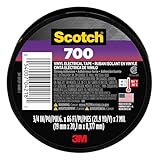
The most common type you’ll find, and the one you should be stocking your toolbox with, is vinyl electrical tape. It’s made from polyvinyl chloride (PVC) and has a stretchy, durable quality that’s perfect for wrapping wires. (See Also: Can I Use Electrical Tape To Connect Wires )
When you stretch it and wrap it tightly, the layers fuse together, creating a solid, insulating barrier. This is what electricians use, and for good reason.
It’s flexible enough to conform to odd shapes and durable enough to withstand the flexing and movement that wires often undergo.
Beyond the standard vinyl stuff, there are specialized electrical tapes. For high-voltage applications or situations where you need extreme durability and heat resistance, you might look at rubber splicing tape or mastic tape.
Rubber splicing tape is self-fusing, meaning it bonds to itself to create a smooth, waterproof, and electrically insulating layer. Mastic tape is thicker and more solid, often used for protecting cables from physical damage and moisture. These are usually overkill for household repairs but good to know they exist.
For the average person trying to fix a lamp cord or a loose connection in an extension cord, the standard vinyl electrical tape from brands like 3M, Scotch, or Gardner Bender is your go-to. I’ve used the same roll of 3M Super 33+ for years, and it’s still pliable and sticky. It’s not cheap, maybe around $5-$8 a roll, but a single roll lasts ages for household fixes.
What makes electrical tape so effective is its composition. The PVC provides excellent dielectric strength, which is the ability to withstand an electric field without conducting current. It’s also resistant to abrasion, moisture, and UV light, which means it holds up better over time, especially if the wire is exposed to the elements.
The adhesive is typically a rubber-based or acrylic-based formulation that’s designed to stick well but also remain flexible. Unlike duct tape, it doesn’t degrade into a sticky mess when it encounters even moderate heat.
I learned this the hard way trying to patch a wire on an outdoor garden light that was getting a bit of sun. Duct tape became a gooey disaster in about a week. A few wraps of proper electrical tape held up for years until I could properly replace the whole cord.
How to Properly Use Electrical Tape
Applying electrical tape correctly is key to making it work. It’s not just about slapping it on and hoping for the best. Here’s a basic rundown:
- Safety First: Always, always, always disconnect power to the wire you’re working on before you touch it. Seriously. Unplug the appliance, flip the breaker, whatever it takes. Don’t be that person who learns about electricity the hard way.
- Clean the Wire: Make sure the area you’re taping is clean and dry. Remove any dirt, grease, or old adhesive residue.
- Start Taping: Begin a few inches away from the damaged area, overlapping the tape slightly as you go.
- Stretch and Overlap: This is important. Gently stretch the tape as you wrap it around the wire. Each new wrap should overlap the previous one by at least half the tape’s width.
- Work Towards Good Wire: Continue wrapping, extending your tape well onto the undamaged insulation on both sides of the damaged section. This makes sure a good seal.
- Secure the End: Once you’ve covered the damaged area and extended onto the good wire, give the end a firm press to make sure it adheres well. You can give it a final gentle tug to seat it.
- Multiple Layers (Optional but Recommended): For extra protection, especially on more significant damage, apply a second or even third layer of tape, continuing the same stretching and overlapping technique.
The stretching is what activates the tape’s ability to fuse with itself and create a solid, insulating sheath. If you just wrap it loosely, it’s basically just a sticky bandage that will eventually peel off. I’ve seen people just wrap it like a mummy, no stretch involved. That’s a recipe for failure. Think of it like wrapping a present; you want it snug and secure, not loose and sloppy. It should feel like a cohesive, rubbery layer when you’re done, not just a bunch of tape strips stuck together.
Real-World Scenarios: When Not to Use Duct Tape
Let’s be brutally honest: there are times when people do use duct tape on wires and it seems to work, at least for a while. This is where the confusion often creeps in. You might see a temporary fix on a broken extension cord used for a low-power garden tool, or a quick patch on a car’s wiring harness in a pinch. These situations often involve low voltage, minimal heat generation, and are usually considered temporary, ‘get-me-home’ fixes. The problem is, ‘temporary’ can quickly become ‘permanent’ in the mind of someone who’s just relieved a problem without immediate catastrophic failure. I’ve seen it in old sheds and garages – wires wrapped in duct tape that have been there for years.
However, these aren’t endorsements; they’re just examples of risky behavior that sometimes doesn’t lead to immediate disaster. The reality is that even low-voltage AC circuits in your home can generate enough heat to degrade duct tape over time, especially in enclosed spaces where heat can build up. For anything in your home – lamps, appliances, electronics, wiring in your car, anything connected to your house’s electrical system – using duct tape is a significant risk.
Think about the potential consequences: a short circuit that trips your breaker is the best-case scenario. Worse, it could lead to overheating, melting insulation, and a fire.
The National Fire Protection Association (NFPA) consistently reports on electrical fires, and faulty wiring is a leading cause. While they don’t specifically call out duct tape, the underlying issue is compromised insulation, which duct tape provides poorly. (See Also: Can Electrica Tape Catch On Fire )
My own worst ‘duct tape fix’ that didn’t fail immediately involved a dryer cord that had partially frayed. I thought, ‘just a temporary patch until I can get a new cord.’
I wrapped it tight. For about three weeks, it worked fine.
Then, one evening, I noticed a faint burning smell. It wasn’t the dryer running; it was coming from the wall outlet.
The duct tape had degraded, the wires were exposed, and it was starting to arc. I yanked the plug out, heart pounding, and saw the tape was a melted, sticky mess, with scorch marks on the outlet faceplate. That was the last time I ever considered duct tape for anything remotely electrical.
It’s a gamble, and the stakes are way too high.
When Might Duct Tape seem Like a Solution (but Isn’t)?
People often get confused because duct tape is used in so many unexpected places. You see it holding up Christmas lights, fixing leaky gutters, and even being used in some temporary automotive repairs.
This broad usability leads people to believe it’s a universal fix-all. However, the key difference lies in what the tape is actually doing. Is it providing structural support? Is it preventing a leak from water?
Is it just holding something together cosmetically? These are vastly different requirements than providing electrical insulation. For example, if you have a completely dead wire – one that’s been disconnected and is no longer carrying any current – and you’re just trying to keep dust out of the end or prevent it from snagging on something, duct tape might physically do that. But it offers zero electrical protection and shouldn’t be relied upon for any functional purpose.
The temptation to use duct tape is strongest when the wire damage looks minor or is in an inconvenient location. You think, ‘Why go buy special tape for this tiny nick?’ But that ‘tiny nick’ can be the point of failure.
The insulation is there for a reason. It’s the barrier between the live current and everything else. Once that barrier is compromised, even by a small amount, the risk increases.
I’ve seen DIYers use duct tape on the insulation of a power adapter cable, thinking it’s okay because it’s low voltage. But those adapters get warm, and the constant flexing of the cable as you plug and unplug it puts stress on the tape.
The fabric backing can absorb moisture, and the adhesive can fail, leading to exposed conductors. It’s just not worth the risk, even for low-voltage stuff. The cost of proper electrical tape is minimal compared to the potential cost of electrical damage or a fire.
Here’s a quick breakdown of why duct tape fails where electrical tape succeeds:
| Feature | Duct Tape | Electrical Tape | Verdict |
|---|---|---|---|
| Insulation Properties | Poor. Adhesive degrades with heat, fabric is porous. | Excellent. Vinyl is non-conductive and flexible. | Electrical tape wins |
| Heat Resistance | Low. Adhesive melts/softens. | Good to Very Good (rated for specific temps). | Electrical tape wins |
| Durability & Flexibility | Stiff fabric, can tear. Adhesive becomes brittle or gummy. | Highly flexible, stretches to conform, durable PVC. | Electrical tape wins |
| Moisture Resistance | Fabric can absorb moisture, potentially conducting. | Excellent. Vinyl is waterproof. | Electrical tape wins |
| Adhesive Longevity | Breaks down with heat and age. | Stays tacky and functional for years. | Electrical tape wins |
When It’s an Absolute No-Go: Safety First
Let’s just put this in giant, flashing neon letters: If there’s any doubt, don’t do it. When it comes to electricity, assuming something is safe because it looks okay on the surface is a dangerous game. (See Also: Can I Substitute Duct Tape For Electrical Tape )
I’ve heard people say, “Well, I’m only using it for a temporary fix, and the power is off when I’m not using it.” That’s a false sense of security. Wires can be accidentally energized, devices can short unexpectedly, and temporary fixes have a nasty habit of becoming permanent when you forget about them.
The risk of fire is very real. Electrical fires account for a significant percentage of all house fires, and faulty wiring or improper repairs are often to blame.
The NFPA states that electrical distribution and lighting equipment were involved as the most frequent items ignited in fires in building structures.
Using duct tape on electrical wires is a shortcut that bypasses the fundamental safety requirements of electrical insulation. It’s like using a band-aid to fix a broken bone – it might cover it up for a bit, but it’s not doing the real job and can make things worse. The common advice you’ll find from any reputable source, from your local electrician to manufacturers of electrical supplies, is to use tape specifically rated for electrical work.
For home use, this almost always means vinyl electrical tape. It’s inexpensive, readily available, and designed for the task.
Don’t gamble with your home, your family’s safety, or your property. When you look at the potential cost of a fire or electrical shock, the few dollars saved by not buying proper electrical tape is laughably insignificant.
This is one area where cutting corners can have devastating consequences.
My rule of thumb now is simple: if it has anything to do with electricity, use the proper material. Wire nuts for joining wires, heat shrink tubing for sealing connections, and electrical tape for insulating and protecting wires. Duct tape has its place, and it’s a great tool for many things, but your electrical wires are not among them. It’s not a question of ‘can I use duct tape on electrical wires’ where the answer is a qualified ‘yes’; the answer is a resounding ‘no’ if you value safety and a job done right. Stick to the materials designed for the job, and you’ll sleep a lot better at night.
Frequently Asked Questions About Electrical Tape
Is Duct Tape a Fire Hazard on Electrical Wires?
Yes, duct tape is a significant fire hazard when used on electrical wires. Its adhesive can degrade and melt when exposed to heat generated by electrical current, leading to a loss of insulation. The fabric backing can also absorb moisture and become conductive over time. This compromised insulation increases the risk of short circuits, overheating, and ultimately, fire.
What Should I Use Instead of Duct Tape on Wires?
You should always use tape specifically designed for electrical work, most commonly vinyl electrical tape. This tape is made from non-conductive PVC and has an adhesive formulated to remain flexible and insulating even when exposed to heat. For more demanding applications, rubber splicing tape or mastic tape might be necessary, but standard electrical tape is suitable for most household repairs.
Can I Use Duct Tape on Low-Voltage Wires?
While the risk might be lower with low-voltage wires, it is still not recommended to use duct tape. Low-voltage systems can still generate enough heat to degrade duct tape over time, and the insulation can fail. Furthermore, the adhesive residue can make future repairs more difficult. It’s always best practice to use proper electrical tape, regardless of the voltage.
How Long Does Electrical Tape Last?
High-quality electrical tape, when applied correctly and stored properly (in a cool, dry place), can last for many years, often a decade or more. It maintains its flexibility and adhesive properties much better than duct tape. However, exposure to extreme temperatures, direct sunlight, or harsh chemicals can shorten its lifespan.
Conclusion
So, to answer the big question directly: can i use duct tape on electrical wires? The answer, from someone who’s learned the hard way, is a firm and unequivocal no. It might seem like a quick fix, a handy tool in your arsenal, but the risks far outweigh any perceived benefits. Electrical tape is cheap, effective, and specifically designed to do one thing: insulate and protect electrical connections. Don’t gamble with fire hazards or potential shocks for the sake of convenience.
My advice? Toss the duct tape when it comes to anything electrical and invest in a good roll of proper electrical tape. It’s a small expense that buys a lot of peace of mind. Keep it in your toolbox, and use it for what it’s intended for. Your wiring, your home, and your safety will thank you for it.
Next time you’re faced with frayed wires, remember this conversation. Reach for the electrical tape, follow the simple steps for application, and know that you’re making a safe and responsible choice.