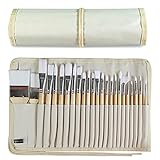
I remember the first time I tried to salvage a favorite paintbrush that had gone rock hard with dried oil paint. I was maybe 18, convinced there had to be a magic bullet. I ended up dumping all sorts of solvents into a jar, including kerosene, because I’d heard whispers it might work. Spoiler alert: it sort of did, but it was a greasy, smelly mess.
So, can I clean my paint brush with kerosene? The short answer is yes, for certain types of paint. But whether you should is a whole other conversation I’m here to have, plain and simple.
We’ve all been there, staring at a brush that looks like it’s been dipped in concrete, wondering if it’s a lost cause or if there’s a way to bring it back from the dead without spending a fortune on replacements.
Kerosene and Paint: The Nitty-Gritty of Oil-Based Cleanup
Alright, let’s get down to brass tacks. When we talk about cleaning paint brushes, the material the paint is made of is the absolute first thing you need to consider. If you’re using oil-based paints – think traditional oil enamels, alkyds, or even some varnishes – then yes, kerosene can be a viable option. It’s a petroleum distillate, much like mineral spirits or turpentine, and its primary job is to act as a solvent. It breaks down the binders in oil-based paints, allowing them to be washed away.
How does it actually work? Kerosene, in its liquid form, has a molecular structure that can interact with and dissolve the oily components of oil-based paints. Think of it like a tiny molecular key that fits into the lock of the paint binder, loosening its grip on the pigments and the brush bristles. When you dip your brush into kerosene and work it around, you’re basically coaxing those paint molecules to let go and disperse into the liquid. It’s not instantaneous; you’ll likely need to work the bristles against the bottom of your container or even use a wire brush specifically designed for cleaning paint brushes to really get it all out.
I made a mistake years ago with a particularly stubborn job using some old oil-based exterior trim paint. I’d run out of my usual mineral spirits and grabbed the kerosene from the garage. I figured, ‘What’s the difference?’ The difference, I quickly learned, was the smell. It’s much stronger, more pungent than mineral spirits. But it did the job. I had to soak the brush for a good hour, swishing it around every 15 minutes, and then rinse it thoroughly with soap and water. The bristles came back, but that lingering kerosene odor took a few washes to fully dissipate. It definitely worked, but it wasn’t exactly a pleasant experience.
The key thing to understand is that kerosene is a stronger solvent than some alternatives, which can be good for tough, dried-on paint but also means you need to be a bit more careful. You wouldn’t want to leave a good quality natural bristle brush soaking in it for days on end, as it could potentially degrade the bristles over time. Synthetic bristles tend to be more resistant to solvents, but even then, prolonged exposure isn’t ideal. It’s more about efficient dissolution for immediate cleanup than long-term soaking.
When you’re buying kerosene, you’ll usually find it in the hardware store or a gas station. It’s often sold in those distinctive red or blue containers. Make sure you’re getting actual kerosene and not something else that might be labeled similarly. For cleaning brushes, the standard lamp oil grade is typically fine. It’s readily available and relatively inexpensive, which is why people have turned to it for decades.
One of the big arguments for using kerosene is its cost-effectiveness. Compared to specialized brush cleaners that can run you $10-$15 a bottle, a gallon of kerosene might only set you back $5-$8. If you’re a hobbyist who occasionally uses oil paints, this can be a significant saving. However, if you’re painting daily with oils, you might want to invest in larger quantities of mineral spirits or turpentine, as they are generally considered less harsh and have a more manageable odor.
When Kerosene Is Your (smelly) Friend: Specific Use Cases
So, when is it actually a good idea to reach for that can of kerosene? Primarily, it’s for those moments when you’ve been painting with oil-based products and you’ve let the brush sit a bit too long. We’ve all done it. You get that phone call, or the doorbell rings, and you set your brush down, meaning to get back to it in ten minutes. Three hours later, it’s starting to get stiff. That’s where kerosene can shine. It’s strong enough to break down those oil-based paint residues that have begun to harden.
I’ve found it particularly effective for cleaning brushes that have been used with very thick, viscous oil paints. Sometimes, standard mineral spirits just don’t seem to cut through the sheer density of the paint. Kerosene has a bit more bite. It’s like using a stronger degreaser when you’ve got really baked-on grease in the kitchen. You still have to do the work – swishing, wiping, and rinsing – but the initial breakdown is more aggressive.
Another scenario is when you’re dealing with older, dried-up oil paint in the ferrule of the brush. That’s the metal part that holds the bristles. Sometimes paint seeps up there and hardens, making the bristles splayed and unusable. Kerosene, when worked carefully into the ferrule, can sometimes soften this hardened paint enough to allow you to comb it out. You have to be careful not to soak the bristles too deeply or for too long, but a targeted application can revive a brush that looks totally ruined. (See Also: Can Acrylic Paint Go In An Air Brush )
What about different types of oil-based products? Kerosene works well with most traditional oil paints, alkyd enamels (often used for trim and doors), and some oil-based varnishes and stains. It’s less effective, and generally not recommended, for latex or water-based paints. For those, you’ll want to use water and soap. Trying to clean latex paint with kerosene is like trying to wash your car with dish soap – it just doesn’t have the right chemical properties to break down the paint effectively. You’ll end up with a sticky, messy situation and a brush that’s still full of paint, plus a residue of kerosene.
I’ll be honest, I’ve tried it on some really neglected brushes. Brushes that were destined for the trash because they were rock solid. In those cases, kerosene was one of the few things that made a dent. It wasn’t pretty. I had to use a lot of it, and the cleaning process took over an hour per brush. But I managed to bring back about three brushes that I’d previously written off. They weren’t perfect, but they were usable again for less important tasks, like priming or applying a base coat.
The key takeaway here is that kerosene is a powerful solvent that’s best reserved for the tougher jobs involving oil-based paints. It’s not your everyday cleaner, but when you need something with a bit more oomph, and you’re prepared for the smell and the cleanup, it can be a lifesaver for your favorite oil-painting tools. Just remember to wear gloves and work in a well-ventilated area. Your lungs will thank you.
Why You Might Want to Rethink Kerosene: The Downsides
Now, let’s talk about why everyone isn’t just dousing their brushes in kerosene. While it can work, there are some pretty significant drawbacks that make me hesitate to recommend it as a go-to solution. First and foremost is the smell. Kerosene has a very strong, pungent odor that sticks around. If you’re painting indoors, especially in a living space, the fumes can be overwhelming. I once tried to clean a large roller sleeve with kerosene in my garage, and my wife complained about the smell in the house for two days, even with the garage door shut.
Beyond the immediate olfactory assault, there are health and safety concerns. Kerosene is flammable. While it’s not as volatile as gasoline, it will burn. You need to be incredibly careful about where you use it and how you store it. Keep it away from open flames, sparks, and heat sources. Spills can create slip hazards and lingering fumes. Proper ventilation is absolutely a must when using kerosene. I always make sure my garage door is wide open and that there’s a cross-breeze if I’m using anything stronger than mineral spirits.
Then there’s the impact on the brush itself. While it’s effective at breaking down oil paint, kerosene can also be harsh on the bristles, especially natural ones. Prolonged exposure or vigorous scrubbing with kerosene can dry out and stiffen natural bristles, making them brittle and prone to shedding. I’ve seen brushes that, after a kerosene bath, felt like straw. Synthetic bristles are generally more resilient, but even they can suffer from degradation with excessive use of strong solvents.
My contrarian opinion? Everyone talks about how effective kerosene is for stubborn paint, and it is, but they gloss over the fact that it’s a bit like using a sledgehammer to crack a nut. Mineral spirits or turpentine are usually sufficient for 95% of oil-based paint cleanup. They’re less offensive in terms of smell, generally safer to handle, and kinder to your brushes. You only really need kerosene for those extreme cases where the paint is practically fossilized.
Let’s look at a comparison:
| Cleaning Agent | Pros | Cons | Best For | My Verdict |
|---|---|---|---|---|
| Kerosene | Strong solvent action, inexpensive. | Harsh odor, flammable, can degrade bristles. | Heavily dried oil paint, tough residues. | Use sparingly for extreme cases. Not for everyday. |
| Mineral Spirits | Effective for oil paint, moderate odor, widely available. | Still flammable, requires ventilation, can dry natural bristles. | Routine oil paint cleanup, general solvent. | My go-to for most oil-based cleanup. Reliable. |
| Turpentine | Natural solvent, effective for oil paint, pleasant (to some) pine scent. | Expensive, strong fumes, can be harsh on bristles. | Fine oil art, some varnishes. | Overpriced for general work. Stick with mineral spirits. |
| Water & Soap | Safe, non-toxic, readily available. | Only for water-based paints (latex, acrylic). | Latex, acrylic, chalk paint. | The only option for water-based. Simple and effective. |
Another factor is disposal. Kerosene-soaked rags and leftover solvent are hazardous waste. You can’t just dump them down the drain or throw them in the regular trash. Proper disposal is important for environmental reasons, and it can be a hassle. Many municipalities have specific collection sites for hazardous waste. This is an often-overlooked aspect of using strong solvents like kerosene.
Finally, let’s consider the feel of the brush afterwards. Even after thorough washing with soap and water, brushes cleaned with kerosene sometimes retain a certain dryness or stiffness that’s hard to get rid of. It’s like they’ve been through a harsh chemical treatment and never quite recovered their original suppleness. This can affect your painting technique, leading to less smooth application and more drag.
How to Actually Use Kerosene Safely and Effectively
Okay, so you’ve decided to go for it. You’ve got a brush caked with oil paint, and you’re ready to tackle it with kerosene. First things first: safety. Always wear chemical-resistant gloves. Nitrile gloves are a good start, but if you’re going to be doing a lot of this, consider thicker neoprene or butyl rubber gloves. Kerosene can be absorbed through the skin, and it’s not good for you. Work in a well-ventilated area – think open garage, outdoors, or near an open window with a fan blowing fumes away from you. (See Also: Can Acrylic Paints Be Used In An Aqua Brush )
You’ll need a glass jar or a metal container with a tight-fitting lid. Don’t use plastic containers if you can avoid it, as some plastics can degrade when exposed to solvents like kerosene. Pour enough kerosene into the container to submerge the bristles of your paintbrush. Don’t fill it to the brim; leave some headspace. Place the brush into the kerosene, making sure the bristles are fully saturated. If the paint is really thick and dried, you might need to work the bristles gently against the bottom of the jar to help loosen things up.
Now, here’s the patient part. Let the brush soak. For moderately dried paint, 15-30 minutes might be enough. For really stubborn, hardened paint, you might need to let it soak for an hour or even longer. Every 10-15 minutes, take the brush out, wipe off the excess kerosene and loosened paint with a rag (use old rags you don’t care about – they’ll be ruined), and work the bristles. You can use a brush comb or even your gloved fingers to gently separate the bristles and get the kerosene deeper into the paint clumps.
Once you feel like you’ve gotten most of the paint out, it’s time for the soap and water wash. This is important. You absolutely must wash out all the kerosene. Pour out the dirty kerosene into a separate container for proper disposal (more on that later). Rinse the brush under running water, working in some mild dish soap or a dedicated brush soap. Lather it up, rinse, and repeat until the water runs clear and there are no signs of oily residue or paint. You might need to use a bit of conditioner on natural bristles at this stage to help restore some of their natural oils.
Here’s a step-by-step for clarity:
- Gather supplies: Kerosene, a glass or metal jar with lid, chemical-resistant gloves, old rags, dish soap, running water.
- Make sure good ventilation and wear gloves.
- Pour enough kerosene into the jar to cover the brush bristles.
- Submerge the brush and let it soak (15-60+ minutes, depending on paint hardness).
- Periodically remove, wipe, and work the bristles to loosen paint.
- Dispose of dirty kerosene properly.
- Wash brush thoroughly with soap and water until all residue is gone.
- Rinse, reshape bristles, and let air dry.
I learned the hard way that not rinsing thoroughly is a mistake. I once cleaned a brush with kerosene, thought I’d gotten most of it out, and went straight to painting a metal gate with some oil-based exterior paint. The kerosene residue mixed with the new paint, making it impossible to get a smooth finish. It looked streaky and weird. I had to strip the gate and start over. Lesson learned: the soap and water rinse is a must.
Finally, reshape the bristles with your fingers while the brush is still wet and let it air dry. Don’t try to speed up the drying with heat, as this can damage the bristles. A clean, dry brush is a happy brush, and one that’s been cleaned properly with kerosene (and then soap and water) can still have a good life ahead of it.
Alternatives: What Else Can You Use (and Should You)?
Look, I get it. Kerosene works for oil paint, but the smell, the fumes, the potential for damage – it’s a lot. So, what are your other options if you’re dealing with oil-based paints? Your first line of defense, and usually the best one, is mineral spirits. This is what most paint manufacturers recommend, and for good reason. It’s a petroleum distillate, much like kerosene, but it’s generally less aggressive and has a more tolerable odor. You can buy it pretty much anywhere paint is sold, and it’s reasonably priced.
I’ve found mineral spirits to be perfectly capable of cleaning up 90% of my oil-based painting projects. Whether it’s a quick wipe-down after a few hours of work or a more thorough cleaning after a project is finished, mineral spirits get the job done without turning my workspace into a hazardous chemical zone. You still need ventilation and gloves, of course, but it’s a less intense experience than with kerosene.
Another option is turpentine. Historically, turpentine was the solvent of choice for oil painters. It’s derived from pine sap and has a distinctive pine scent. Some people actually prefer the smell of turpentine to mineral spirits. It’s a good solvent for oil paints and can be quite effective. However, turpentine is often more expensive than mineral spirits, and its fumes can still be strong, though often perceived as less acrid than kerosene. For fine art oil painting, many artists still swear by turpentine, but for general house painting or DIY projects, mineral spirits are usually more practical and budget-friendly.
What about those specialized brush cleaners you see at the hardware store? They can be effective, often formulated to cut through paint quickly and sometimes with added conditioners for the bristles. The downside is they can be pricey. If you only clean brushes occasionally, a small bottle might be fine. But if you paint with oils regularly, the cost can add up quickly. I’ve used a few over the years, and while they work, I haven’t found them to be so vastly superior to mineral spirits that the extra cost is justified for my needs.
Now, let’s address the elephant in the room: water-based paints like latex or acrylics. You absolutely CANNOT clean these with kerosene. It won’t work. Water-based paints use water as the solvent. So, the moment you finish painting with them, you need to wash your brushes immediately with plain old soap and water. Seriously, don’t even think about it. I had a friend who tried to clean his acrylic brushes with mineral spirits once, just because he was too lazy to get water. He ended up with a clumpy, stiff mess and had to buy new brushes. It reinforces the idea that you need the right tool for the job, or in this case, the right solvent. (See Also: A Brushes Digital Painting )
The bottom line is that while kerosene can clean oil-based paint brushes, it’s usually not the first or best choice for routine cleaning. Mineral spirits are the workhorse for oil paints, and water and soap are king for water-based paints. Kerosene is the heavy artillery, reserved for when the situation is dire and you’re prepared to deal with its drawbacks. Think of it as an emergency tool, not your everyday cleaner.
The Verdict: Is Kerosene Worth the Hassle for Your Paint Brushes?
So, after all this talk, can I clean my paint brush with kerosene? Yes, technically, you can, and it will break down oil-based paints. I’ve done it, and it works, especially on those brushes that have gone solid with dried oil paint, the ones you’re about to toss. It’s a powerful solvent, and sometimes you need that extra punch to revive a brush that seems beyond saving. It’s often cheaper than specialized cleaners too, which can be tempting.
However, the question isn’t just can you, but should you? My honest opinion is that for everyday cleaning of oil-based paint brushes, kerosene is overkill and comes with too many downsides. The overwhelming, lingering odor is a major deterrent for me, especially if I’m painting indoors or even in a shared garage. The flammability and the potential health risks associated with prolonged exposure mean you have to be extra vigilant. Plus, it can be harsh on your brush bristles, potentially shortening their lifespan even if it gets them clean.
I’ve wasted money on fancy brush cleaners that didn’t live up to their hype, and I’ve learned that sometimes the simplest, most common-sense approach is the best. Mineral spirits are your best friend for routine oil paint cleanup. They’re effective, readily available, and manageable. For latex and acrylic paints, nothing beats good old soap and water – and you need to do it immediately after you’re done painting, or you’ll regret it.
Think of kerosene as your emergency backup. If you’ve got a brush that’s gone rock hard, and you’ve tried mineral spirits without success, then by all means, give kerosene a shot. Just be prepared. Wear your gloves, open those windows, and be ready for that powerful smell. And for the love of all that is holy, make sure you rinse the brush out thoroughly with soap and water afterwards. That residual kerosene can mess up your next painting project. Properly dispose of the leftover solvent and any rags you used – it’s not something you want lingering around or going into the regular trash.
Ultimately, the decision comes down to your specific situation, the type of paint you’re using, and how badly dried out your brush is. For most people, most of the time, there are better, safer, and less smelly options available. But if you’re facing a brush rescue mission and you’re willing to put in the effort and take precautions, kerosene can still be a tool in your arsenal.
What Is the Best Way to Clean Oil Paint Brushes?
The best way to clean oil paint brushes is to use a solvent like mineral spirits. Immediately after you finish painting, wipe off excess paint on a rag, then soak the brush in mineral spirits, working the bristles to loosen the paint. Rinse the brush thoroughly with soap and water until all traces of solvent and paint are gone. Reshape the bristles and let it air dry.
Can I Use Turpentine to Clean Paint Brushes?
Yes, you can use turpentine to clean oil-based paint brushes. Turpentine is a natural solvent effective for oil paints and some varnishes. However, it can be more expensive than mineral spirits and has strong fumes. It’s a good option for artists who prefer natural solvents, but mineral spirits are generally more practical for most DIY and house painting tasks.
How Do I Clean Dried Oil Paint From Brushes?
For dried oil paint, start with mineral spirits or kerosene. Soak the brush in the solvent for an extended period, working the bristles frequently to break down the hardened paint. After most of the paint is removed, wash the brush thoroughly with soap and water, rinsing until all residue is gone. You might need to repeat the process or use a brush comb for very stubborn clumps.
Is Kerosene Bad for Paint Brushes?
Kerosene can be harsh on paint brushes, especially natural bristles, if used excessively or for prolonged periods. It’s a strong solvent that can dry out and stiffen bristles, making them brittle and prone to shedding. While it can revive very dried-out brushes, it’s not recommended for routine cleaning as it’s more aggressive than mineral spirits and can degrade the brush over time.
Verdict
So, there you have it. Kerosene can indeed clean your paint brush, especially when it’s caked with stubborn oil-based paint. It’s a powerful solvent that can bring brushes back from the brink. But it’s not a magic bullet, and frankly, it’s often not the best tool for the job.
For regular maintenance of oil-based brushes, stick with mineral spirits. They’re effective, safer, and way less smelly. And for latex or acrylics? Water and soap are your only friends, and you need to use them immediately. Kerosene is for emergencies, for those times you’re facing a brush graveyard and you’re willing to deal with the fumes and the hassle.
If you do decide to use kerosene, remember to prioritize safety with gloves and ventilation, and always, always follow up with a thorough soap and water wash. Don’t let that smell linger, and definitely don’t let the residue ruin your next project. It’s a tool, and like any tool, knowing when and how to use it properly makes all the difference.