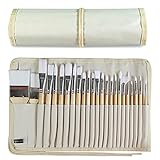
I remember staring at a brush I’d completely caked with thick, stubborn oil paint. It was a good brush, too, one of those natural hog bristle numbers that cost a decent chunk of change. My initial thought, born out of desperation and maybe a touch of pure hubris, was: can I clean oil paint off brush with gas?
We’ve all been there, staring down a ruined tool and wondering if there’s a quick, dirty fix. Forget the fancy, eco-friendly solvents that cost an arm and a leg and sometimes barely touch the paint. Sometimes, you just need something that works, even if it’s not exactly what the pros recommend.
This isn’t about following the rules; it’s about getting the job done when your art supplies are on the line. Let’s cut to the chase.
Is Gas Really a Paint Thinner?
Let’s get this straight right off the bat: gasoline is not designed to be a paint thinner or brush cleaner. If you look at dedicated art supply stores, you’ll see a whole aisle dedicated to solvents. You’ve got turpentine, mineral spirits, odorless mineral spirits, sometimes even specialized brush cleaners. These are formulated to break down oil paint binders without, ideally, destroying the brush hairs or leaving a nasty residue. Gasoline, on the other hand, is fuel. Its primary job is to combust and make your engine go.
But does that mean it can’t break down oil paint? Not necessarily. The magic (or the danger) lies in the hydrocarbons. Gasoline is a complex mixture of volatile organic compounds, primarily alkanes, cycloalkanes, and aromatic hydrocarbons. Many of these components are excellent at dissolving other organic compounds – and oil paint, with its oil-based binders (like linseed oil or alkyd resins), is definitely an organic compound.
So, scientifically speaking, yes, the solvent properties within gasoline can break down oil paint. Think of it like this: if you spill salad dressing on your shirt, you might grab a degreaser to get it out. Gasoline acts as a sort of industrial-strength degreaser for paint. It attacks the oily binder, loosens its grip on the pigment, and makes it more susceptible to being washed away.
However, there’s a massive difference between ‘can’ and ‘should.’ Using gasoline is like using a sledgehammer to crack a nut. It’ll probably get the job done, but it’s messy, potentially dangerous, and likely to cause collateral damage.
I learned this the hard way once when I was in a pinch, desperately trying to save a favorite filbert brush loaded with thick, impasto oil paint. I figured a little splash of gas from my old lawnmower can wouldn’t hurt. Big mistake. It did get the paint out, but the fumes were overpowering, and the brush ended up feeling weirdly stiff afterwards, even after a thorough washing with soap and water.
It never quite felt the same, and I was paranoid about setting my studio alight.
The common advice you’ll find, even on forums where people are looking for cheap solutions, is to avoid gasoline. It’s often cited as being too harsh, leaving residue, and being a fire hazard. Most of that is absolutely true.
The Nitty-Gritty: How Gas actually Works on Paint
When you’re dealing with oil paint, the stubbornness comes from the binder. This is the ‘oil’ part – usually linseed oil, poppy oil, or walnut oil, though alkyd resins are also common and are basically synthetic oils. These oils polymerize over time, forming a tough, plastic-like film that binds the pigment particles together. This is what makes oil paint so durable and long-lasting, but it’s also what makes it a pain to clean up.
Gasoline’s effectiveness comes from its ability to dissolve these polymerized oils. The hydrocarbons in gasoline are non-polar, and “like dissolves like.” Oil is non-polar, so the non-polar components of gasoline can surround the oil molecules and pull them apart, effectively liquefying the paint binder. Pigment particles, which are generally inert solids, are then suspended in this liquefied mixture. This is why you see a murky, colored liquid when you try to clean a brush with gas – you’re basically dissolving the oil and releasing the pigment.
The speed at which this happens can vary. A thinner, more fluid oil paint will come off easier than a thick, buttery impasto. Fresh paint is also much easier to tackle than paint that’s been sitting on the brush for days and has started to cure. If the paint has fully polymerized and dried hard, even gasoline might struggle, or it’ll take a lot of soaking and agitation, which, as I mentioned, can damage the brush.
What you’re looking for when using gasoline (if you absolutely must) is a visible breakdown of the paint. You’ll see the color start to bleed into the gas, and the brush hairs will begin to feel less stiff. You’ll need to work the paint out, usually by swirling the brush in a shallow dish of gas and then wiping it on rags. It’s a tactile process; you’ll feel the resistance of the paint decrease as the gasoline does its work.
The main drawback, beyond the obvious safety concerns, is the residue. Gasoline evaporates quickly, but it can leave behind a slightly oily film that might affect how your paint adheres to the canvas later. Plus, the fumes are no joke. I’ve tried it a couple of times in a pinch, and the smell lingered in my studio for days. It’s not something you want to be breathing in, especially not in a poorly ventilated space.
When It Might Seem Like a Good Idea
Look, nobody wants to use gasoline for cleaning brushes. It’s messy, it smells awful, and it’s a fire hazard. But there are those moments, usually late at night when you’re on a deadline and all the art supply stores are closed, where you just need something to work. You’ve got a brush that’s absolutely matted with thick oil paint, and you’re thinking, ‘Can I clean oil paint off brush with gas?’ The idea is tempting because gasoline is readily available, and we know it’s a strong solvent. It feels like a powerful, if crude, solution to a stubborn problem. (See Also: Can Acrylic Paint Go In An Air Brush )
When It’s a Bad Idea
The list of reasons why it’s a bad idea is much longer. First, safety. Gasoline is highly flammable.
Sparks, static electricity, even a hot light bulb can ignite it. Using it indoors, especially in a cramped studio, is asking for trouble. Second, fumes.
The vapors are toxic and can cause headaches, dizziness, and long-term health problems. Good ventilation is a must, but even then, it’s unpleasant.
Third, brush damage. While it breaks down paint, it can also break down the natural oils in hog bristle brushes, making them brittle. Synthetic brushes might fare slightly better, but the harshness can still degrade the filaments over time.
Fourth, residue. It might not clean completely, leaving behind a film that can affect future paint application.
Finally, environmental impact. Improper disposal of gasoline-soaked rags is harmful.
Real-World Use: When the Sledgehammer Is Tempting
Let’s be honest, sometimes you’re not painting a masterpiece; you’re just trying to get some house paint off a brush before it hardens into a brick. Or maybe you’re a hobbyist who uses oil paints sporadically and doesn’t want to invest in a whole arsenal of specialized solvents. In these situations, the thought of using something readily available like gasoline might cross your mind. I’ve definitely been there. I recall one particularly frustrating session where I was using some thick, industrial-grade oil-based enamel on a metal railing. The brush was practically glued solid with the stuff. My usual mineral spirits weren’t cutting through it effectively, and the clock was ticking before it was too late.
In a moment of ‘what the heck’ thinking, I grabbed a small amount of gasoline from a jerrycan I had for yard equipment. I poured a tiny bit into a disposable plastic container – never use anything fancy, and always have a fire extinguisher nearby, just in case.
I dipped the brush, swirled it carefully, and to my surprise, the enamel started to break down. It wasn’t pretty; the smell was intense, and I could feel the hairs on the brush getting a bit slick and weird.
But it worked. I managed to get the bulk of the gunk out, then followed up with soap and water. The brush survived, though it definitely wasn’t as soft as it used to be.
This is the kind of scenario where using gasoline might seem justifiable. It’s about practicality over perfection. When the cost of a new brush or the hassle of dealing with hardened paint outweighs the risks of using a less-than-ideal solvent, people might reach for the gas can. However, I want to stress that this is a last resort, a ‘desperate times call for desperate measures’ kind of situation. For regular art painting, where the longevity and feel of your brushes are important, this is a terrible idea. The slight cost savings are not worth the potential damage to your tools and your health.
My Personal Brush Rescue Story
I had a set of Kolinsky sable rounds that I babied. Bought them for detail work on a commission that involved fine lines and subtle blending. I was using a particularly sticky, slow-drying oil medium, and somehow, I got a blob of pure, undiluted paint right into the ferrule of my favorite size 4 round.
It was like cement. I tried everything: odorless mineral spirits, even a bit of artist’s turpentine.
Nothing budged it. Panic set in. This brush cost me around $40, and the thought of losing it was agonizing. In a moment of utter madness, I remembered reading somewhere, or maybe I dreamt it, that some people used lighter fluid.
I didn’t have lighter fluid, but I did have a small can of Coleman fuel for my camping stove, which is basically naphtha, a close cousin to gasoline components. I hesitated for a solid ten minutes, weighing the risks. Finally, I took a deep breath, went out to the garage (with the door wide open, mind you), and poured a tiny amount into a metal lid. I dipped the very tip of the brush, just the painted part, and very gently worked it. (See Also: Can Acrylic Paints Be Used In An Aqua Brush )
It was like magic. The paint started to loosen. I kept dipping and swirling, wiping on a rag.
It took about fifteen minutes of careful, nerve-wracking work, but eventually, the paint loosened enough that I could rinse it out with soap and water. The brush was saved.
It still feels a little different, maybe slightly less springy, but it’s usable. That was a one-off, and I’ve never been tempted to do it again for my art brushes. For utility brushes, maybe.
For my good ones? Never.
Common Mistakes and What to Look For
When people try to clean oil paint off brushes with gas, or any harsh solvent for that matter, they often make the same mistakes. The biggest one is simply dunking the entire brush head into a container of gasoline. This is a recipe for disaster. You’re not just exposing the paint to the solvent; you’re exposing the ferrule (the metal part) and the glue holding the bristles together. Gasoline can weaken that glue over time, and it can also degrade the natural oils in hog bristle brushes, making them brittle and prone to breaking.
Another common mistake is not rinsing thoroughly enough afterward. If you use gasoline and then just let the brush dry, you’ll likely have a residue left behind. This residue can interfere with how your paint adheres to the surface later, leading to cracking or uneven finishes. You must follow up with a good soap-and-water wash. I’m talking about dish soap, the kind that cuts grease, like Dawn. You need to work it in really well, massaging the bristles to lift out any remaining solvent and dissolved paint.
What to look for, if you’re in a situation where you’re considering this (and again, I strongly advise against it for valuable tools), is a change in the paint’s consistency. You want to see it start to soften and become more pliable. The brush should feel less stiff, and the paint should begin to smear rather than cling rigidly to the bristles. You’re also looking for the color to leach out into the solvent. The gasoline will turn murky and colored, indicating it’s dissolving the paint. If you’re using a clear container, you might even see the paint solids starting to separate from the liquid.
The smell is also a giveaway. Gasoline has a very distinct, strong odor. If you can still smell it strongly on the brush after you think you’ve cleaned it, you haven’t rinsed enough. The goal is to neutralize that smell as much as possible. I’ve heard of people using denatured alcohol after gasoline to help strip out any remaining oily residue, but that’s just adding more chemicals and potential hazards into the mix. It’s a slippery slope.
Mistake: Using Too Much
One of the most common errors is using way too much gasoline. People think that if a little bit works, a lot will work better and faster. This is rarely true and often leads to more problems. Over-soaking a brush, even in something as aggressive as gasoline, can damage the bristles and the ferrule. It also increases the risk of spills and fumes. A shallow dish with just enough solvent to cover the paint-laden part of the bristles is all you need. Think of it as a surgical strike, not a full immersion.
Mistake: Not Agitating
Conversely, some people just dip and expect the paint to vanish. You need to agitate the brush. Gently swirl it in the solvent, work the bristles against the bottom of the dish, and then wipe it on a rag. This physical action is what helps break the paint’s bond and allows the solvent to get to work. It’s the combination of chemical action from the solvent and mechanical action from your hands that gets the job done.
Contrarian View: When the Risk Might (barely) Be Worth It
Okay, I’m going to take a stance that most sensible artists will probably cringe at. Everyone says, ‘Never use gasoline to clean your brushes.’ And for 99% of situations, they are absolutely right. It’s dangerous, it’s harsh, and it’s not what the professionals do. But here’s my contrarian take: there are extremely rare circumstances where the risk might be marginally outweighed by the reward, particularly for utilitarian brushes that aren’t your prized art tools.
Imagine you’ve been using a cheap, stiff-bristled brush for applying some heavy-duty, oil-based outdoor sealant or a particularly stubborn rust-inhibiting paint. This brush is destined for the bin after this job anyway. You’ve tried mineral spirits, and it’s just not cutting through the thick, tacky mess.
You have a can of gasoline sitting around for your chainsaw. In this specific, highly specific, low-stakes scenario, using a tiny amount of gasoline, in a well-ventilated area (like outdoors), followed by a very thorough wash with strong soap and water, might save the brush for another day of similar abuse. You’re not trying to preserve a delicate natural bristle for fine art; you’re trying to get a few more uses out of a disposable tool.
Why do I say this? Because in the real world, sometimes you have to make do with what you’ve got. I’ve seen people use WD-40, brake cleaner, even oven cleaner in desperate attempts to salvage tools. Gasoline falls into that category of ‘harsh but effective’ industrial cleaners.
If your priority is simply removing a tough, oil-based substance from a brush that you don’t care deeply about, and you understand the risks and are willing to take extreme precautions (ventilation, fire safety, thorough post-cleaning), then maybe, just maybe, it’s a viable, albeit risky, option. But this is not advice for your expensive sable rounds; this is for the brushes you’d use to paint a fence or clean up an oil spill. (See Also: A Brushes Digital Painting )
The Verdict Table: Gas vs. The Rest
| Method | Effectiveness on Oil Paint | Brush Safety | Safety Hazards (User) | Residue Risk | Opinion/Verdict |
|---|---|---|---|---|---|
| Turpentine | Very Good | Good (natural oils can be stripped over time) | Moderate (fumes, skin irritant) | Low | Classic art solvent, good for most oil paints. |
| Mineral Spirits (OMS) | Good | Very Good | Moderate (fumes, skin irritant, less strong than turpentine) | Low | A safer, more common choice for general oil paint cleanup. |
| Gasoline | Potentially Very Good (for tough jobs) | Poor (can damage bristles and glue) | High (flammable, toxic fumes) | Medium-High | Use as an absolute last resort for non-art brushes only, with extreme caution. |
| Soapy Water (Dish Soap) | Poor (only for water-based paints) | Excellent | Low | None | Ideal for acrylics and latex, useless for oils. |
Practical Tips and Alternatives to Gas
If you’re reading this, you’re probably in a bind or just curious about the limits of what you can use. My strongest advice is to avoid gasoline like the plague for cleaning your art brushes. It’s like using a chainsaw to trim your fingernails – overkill and dangerous. Instead, let’s talk about what actually works and what you should have on hand. For oil paint, the go-to solvents are mineral spirits (often labeled as Odorless Mineral Spirits or OMS) and turpentine. OMS is generally preferred because it has fewer harsh fumes, making it much more pleasant and safer to use in a studio environment.
Here’s a practical workflow for cleaning oil paint brushes that will actually preserve your tools:
- Wipe Off Excess Paint: As soon as you’re done painting, use a rag or paper towel to wipe as much excess paint as possible from your brush. Get it out of the ferrule and off the bristles.
- Rinse in Solvent: Pour some mineral spirits or turpentine into a shallow container (a glass jar with a lid is ideal for storage and reuse). Swirl your brush in the solvent, working the paint out. You’ll see the color transfer into the solvent. Keep wiping the brush on a clean section of your rag as you go.
- Repeat Solvent Rinse: Discard the dirty solvent (responsibly!) and pour fresh solvent into your container. Repeat the swirling and wiping process until the solvent comes away mostly clean.
- Wash with Soap and Water: Once you’ve removed most of the paint with solvent, wash the brush thoroughly with a good quality brush soap or a strong dish soap like Dawn. Work the lather into the bristles, rinse, and repeat until no more paint or solvent residue comes out.
- Reshape and Dry: Gently reshape the bristles with your fingers and let the brush air dry completely, bristles up, in a jar or brush holder.
Now, what if you’re in a true emergency and have no access to solvents? I’ve heard anecdotal evidence of people using things like cooking oil (olive oil, vegetable oil) to loosen up oil paint, followed by soap and water. It’s slower, messier, and not as effective as proper solvents, but it’s significantly safer than gasoline. You basically use the cooking oil to dissolve the oil paint, then use the dish soap to emulsify and wash away both the cooking oil and the paint. It’s a bit like washing greasy dishes.
Another option, if you’re dealing with a very small amount of dried paint and a brush you don’t care much about, is a gentle scraping with a palette knife. But honestly, for oil paint, solvents are your best friend. Investing in a decent supply of OMS and a good brush soap will save you money and frustration in the long run compared to resorting to dangerous alternatives.
The Case for Dedicated Brush Cleaners
While mineral spirits and turpentine are the traditional choices, dedicated brush cleaners are often formulated to be a bit more gentle on brush hairs while still being effective at breaking down oil paint. These might be slightly more expensive, but they often last longer because they’re concentrated or have added conditioners. They are designed specifically for artists, meaning they’re generally safer to use with better ventilation properties than, say, gasoline. Some are even water-soluble for easier cleanup. If you’re serious about your oil painting and want to extend the life of your brushes, a good quality brush cleaner is a worthwhile investment. It removes the guesswork and the risk associated with trying to improvise with household chemicals or fuels.
Can Gas Dissolve Oil Paint?
Yes, the hydrocarbons in gasoline are capable of dissolving the oil-based binders found in oil paints. This is due to the principle of ‘like dissolves like,’ where the non-polar components of gasoline effectively break down the non-polar oil molecules, liquefying the paint.
Is It Safe to Clean Brushes with Gasoline?
No, it is generally not safe to clean paint brushes with gasoline. Gasoline is highly flammable and its fumes are toxic, posing significant fire and health risks, especially in enclosed spaces like studios. It can also damage the brush bristles.
What Are the Risks of Using Gasoline on Brushes?
The primary risks include fire or explosion due to gasoline’s flammability, inhalation of toxic fumes which can cause dizziness and long-term health issues, and potential damage to the brush hairs and glue holding them together, making them brittle and weak.
What Should I Use Instead of Gas to Clean Oil Paint Brushes?
For oil paint brushes, the recommended cleaners are artist-grade solvents like mineral spirits (especially Odorless Mineral Spirits) or turpentine. Following up with a thorough wash using brush soap or strong dish soap is also key.
So, to answer the question directly: can I clean oil paint off brush with gas? Technically, yes, it can dissolve oil paint. But should you? Absolutely not, at least not for any brushes you care about. The risks—fire, fumes, and damaging your tools—far outweigh any perceived benefit.
Stick to proper artist solvents like mineral spirits or turpentine. They’re designed for the job, they’re safer, and they won’t leave your brushes feeling like brittle straw. If you’re really in a pinch and have no solvents, try cooking oil and dish soap as a safer, albeit slower, alternative before you even consider reaching for that gas can.
Final Thoughts
Your brushes will thank you, and your lungs will too. For the sake of your art and your safety, keep the gasoline in the mower and the turpentine in your studio.
Wondering if gas can clean oil paint brushes? Get the blunt truth on why it’s a bad idea and what safer alternatives work best.