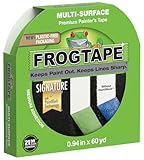
Look, I’ve been there. Standing in front of a mountain of fabric, armed with a spool of painters tape, thinking, ‘This has to work, right?’ I’d seen it all over Pinterest – cute little stencils, perfectly straight lines on upholstery projects. It seemed like the magic bullet for anyone who’s ever wrestled with pins and needles. But the truth? It’s not always the fairy tale it’s made out to be. So, let’s cut to the chase: can I use painters tape on fabric? The short answer is yes, but it’s a big ‘yes, but…’ that needs a deep dive.
When Painters Tape Meets Textiles: The Reality Check
Honestly, the first time I tried to use painters tape on a delicate silk scarf I was stenciling, it was a disaster. I wanted a sharp, clean line, and what I got was a fuzzy, bleeding mess where the tape had lifted the fibers and the paint had crept underneath. It felt like I’d wasted about $30 worth of supplies and, more importantly, a solid chunk of my Saturday.
Everyone online makes it look so simple – slap it on, paint, peel. But fabric isn’t paper, and painters tape isn’t designed for porous, flexible surfaces like cloth. The adhesive, while designed to be low-tack on walls, can still grab too tightly onto certain fibers, causing snags, pulls, or even leaving behind a sticky residue that’s a nightmare to remove.
Think about it: walls are rigid. Fabric moves, stretches, and has a texture that’s a whole different ballgame for any kind of adhesive.
The type of fabric is king here. A rough canvas tote bag? You might get away with it for a simple design. A thin cotton quilting square? You’re probably asking for trouble. The weave, the fibers, even how the fabric has been treated – all these factors play a role. Some tapes are stickier than others, even within the ‘painters tape’ family. You’ve got your ultra-delicate surface tape, your general purpose, and the heavy-duty stuff. For fabric, you’re instinctively drawn to the idea of ‘low tack,’ which is the right instinct, but low tack on a painted wall is a world away from low tack on a silk charmeuse.
I’ve seen people try to use it for temporary hemming or holding seams in place. While the idea of avoiding pins seems appealing – less poking holes, less snagging thread – the reality often falls short. Pins, bless their pointy little hearts, are designed for fabric. They go through the fibers, holding them in place without distorting them. Tape sits on top of the fabric. The pressure, even with light-tack tape, can distort the weave, making your seam or hem uneven before you even start sewing. It’s like trying to hold two pieces of paper together with a single strip of masking tape; it’s just not the right tool for precise alignment.
What Kind of Tape Is Actually Worth a Damn for Fabric?
Okay, so if standard painters tape is iffy, what should you be using? For holding fabric pieces together, especially for sewing, the undisputed champ is seam tape or fusible interfacing. Seam tape is usually a lightweight, fusible web or a sew-in strip that you iron or sew into the seam allowance. It’s designed specifically to reinforce seams, prevent fraying, and give a clean finish.
Fusible interfacing, when ironed onto the wrong side of the fabric, acts like a stabilizer, making it much easier to cut, sew, and even handle delicate fabrics without stretching them out of shape. I remember trying to cut bias strips from a sheer rayon once, and it was like wrestling an eel. Ironing on a light fusible interfacing turned it into a manageable piece of cloth.
Total game changer.
For stenciling on fabric, the go-to is typically a low-tack stencil adhesive spray or a specialized fabric stencil tape. Stencil sprays are designed to create a temporary, repositionable bond that holds the stencil firmly without bleeding.
You spray it on the back of the stencil, let it get tacky, and then press it onto the fabric. It’s usually washable and doesn’t leave residue. (See Also: Does Painters Tape Rip Paint Off Walls )
Fabric stencil tape is similar to painters tape in concept but uses an adhesive formulated for fabric. It’s often a bit wider and designed to create a more reliable seal against the fabric’s surface. One brand I tried, which I won’t name because I don’t want to seem like I’m shilling, had a slightly rubberized edge that really helped create a better barrier against paint bleed. It cost about $12 for a roll, which felt steep at first, but it saved me hours of touch-up work.
There’s also washi tape, which is decorative and generally has a very low tack. It can work for very light-duty holding on some fabrics, especially for temporary craft projects where precision isn’t most important.
Think holding down a small embellishment while glue dries. However, it’s not strong enough for any kind of structural holding, and some washi tapes can still leave a slight residue if left on for too long or if the fabric is prone to absorbing things. I used some on a felt project once, and while it held for a few hours, when I tried to remove it, it pulled some of the fuzz off the felt. So, even with washi, you have to be mindful of the material.
The Nitty-Gritty: How to (maybe) Make Painters Tape Work
If you’re absolutely determined to try painters tape on fabric – perhaps you’re working on a large, sturdy canvas drop cloth for an art project, or you just ran out of everything else – there are a few tricks. First, test, test, test.
Find a scrap of the same fabric, or something as close as possible. Apply a strip of your painters tape, press it down gently, and then peel it off. See how it behaves. Does it lift fibers?
Does it leave anything behind? Does the fabric distort? If it pulls or leaves residue on the test piece, do not use it on your actual project.
You might need to apply the tape to your arm first (like you do with latex gloves) to reduce its stickiness. This is a classic painters’ trick for walls, and it can work for fabric too, but it significantly weakens the tape’s hold, so you’re relying more on the tape’s structure than its adhesive power.
When applying, use the lightest touch possible. Don’t press it down with the force of a thousand suns. The goal is to get it to adhere enough to create a barrier, not to permanently bond it. Think of it as a gentle suggestion rather than a firm command. If you’re stenciling, the important step is to seal the edges of the tape before you apply any paint. A quick swipe with a brayer or even a clean finger can help press down the edges to prevent bleed. However, be aware that this pressure can also damage delicate fabrics, so proceed with extreme caution.
For any project where you plan to wash the fabric afterward, the risk of painters tape failing or leaving residue increases dramatically. Washing machines are brutal environments for adhesives. The water, the agitation, the heat – it all conspues to break down anything not specifically designed to withstand it. If you’re using it for a temporary marker on a large piece of fabric that won’t be washed, like a backdrop for a photoshoot, you might have better luck. But for anything that needs to be durable and washable, like clothing or home décor items, I’d steer clear and invest in the right tools.
| Method | Pros | Cons | Verdict |
|---|---|---|---|
| Standard Painters Tape | Readily available, low initial cost. | High risk of fabric damage (pulling, residue), poor bleed barrier, not washable. | Avoid for most fabric projects. Only consider for very rough, non-washable materials and with extensive testing. |
| Fabric Stencil Tape / Stencil Adhesive Spray | Specifically designed for fabric, less bleed, generally residue-free, repositionable. | Higher cost than standard painters tape, might require multiple coats for coverage. | Highly Recommended for stenciling. The right tool for the job. |
| Seam Tape / Fusible Interfacing | Excellent for holding seams, reinforcing fabric, professional finish, washable. | Requires ironing or sewing, not suitable for stenciling or temporary marking. | Key for sewing projects. The best way to achieve clean, durable seams. |
| Washi Tape | Decorative, very low tack, good for light crafts. | Weak adhesion, can still damage delicate surfaces, not for structural use. | Use with extreme caution for very temporary, non-important craft holding. |
Mistakes I’ve Made (so You Don’t Have To)
I’ll admit it, I’ve been guilty of the ‘I’ll just use what I have’ approach more times than I care to count. One time, I was making custom curtains for a client and decided to use painters tape to mark out a stripe pattern on the fabric before I cut. I thought, ‘It’s light blue tape, it’s gentle, what could go wrong?’ Famous last words. (See Also: Does Masking Tape Work The Same As Painters Tape )
I carefully measured and applied the tape. The fabric was a linen blend, medium weight. It seemed fine. I cut along the lines.
But when I went to remove the tape, it left faint, sticky ghosts where it had been. Worse, on one section, it had pulled a few of the linen threads, creating a slight puckering effect that was noticeable under the light.
The client didn’t say anything, but I could see them looking at it, and I knew. I ended up having to buy new fabric and start over, which cost me about an extra $200 and a whole day of work. That’s when I really learned that using the wrong tool for the job isn’t saving you time or money; it’s just creating more problems down the line.
Another classic blunder? Assuming all painters tape is created equal.
I once grabbed a roll from my garage that I’d used for painting trim. It was probably a year old and had been exposed to temperature fluctuations. I decided to use it to hold a stencil on a denim jacket. Big mistake.
This tape was significantly stickier than the fresh roll I had in my craft room. It clung to the denim like a barnacle. When I tried to peel it off, it not only pulled up a lot of the denim’s texture but also left behind a smear of adhesive that I spent ages trying to get off with Goo Gone.
The jacket was a gift, and I was mortified. I eventually salvaged it, but it was a stressful few hours. It taught me to be much more discerning about the specific tape I’m using and to always test it on an inconspicuous area first.
The biggest pitfall is often the assumption that painters tape is a viable substitute for proper fabric adhesives or sewing notions. It’s like trying to hammer a nail with a screwdriver – you might get it in, but it’s not going to be pretty, and you risk damaging the material or the tool. When people ask me if they can use painters tape on fabric, my honest answer is usually a resounding ‘no,’ unless it’s for a very specific, low-stakes application where you’re willing to accept the risks. For anything you want to look good, last, and withstand washing, there are better, purpose-built options available that will save you frustration and likely save you money in the long run.
People Also Ask: Can I Use Painters Tape on Fabric for Stenciling?
Yes, but with significant caveats. Standard painters tape is prone to bleeding under the edges and can pull or damage the fabric fibers. If you must use it, choose the lowest tack version available, test extensively on scraps, and seal the edges thoroughly before painting. However, specialized fabric stencil tape or stencil adhesive spray is far more reliable and recommended for clean results.
Will Painters Tape Leave Residue on Fabric?
It absolutely can, especially on delicate fabrics, loosely woven materials, or if the tape is left on for an extended period. The adhesive can break down or grab onto fibers, leaving a sticky or visible mark. Always test on a hidden area first, and be prepared to use a fabric-safe adhesive remover if residue appears. (See Also: Does Painters Tape Peel Paint )
Can I Use Painters Tape to Hold Fabric for Sewing?
It’s generally not recommended. While it might hold pieces together temporarily, it doesn’t offer the same structural integrity as pins or basting stitches. The adhesive can distort the fabric weave, leading to uneven seams, and it’s not designed for the stresses of sewing. Pins or fabric clips are the industry standard for a reason.
Is There a Fabric-Safe Alternative to Painters Tape?
Yes, several. For stenciling, look for fabric stencil tape or use spray adhesive specifically designed for stencils. For sewing, use sewing clips, pins, or tailor’s chalk for marking. For holding seams temporarily without pins, consider using a wash-away basting tape or a very lightweight fusible interfacing applied with an iron.
The Contrarian View: When Painters Tape Might Actually Be Okay
Now, I know I’ve been harping on about how bad it is, but here’s where I might go against the grain a little. Everyone says you absolutely shouldn’t use painters tape on fabric.
And for 95% of applications, they’re right. But I’ve found a niche where it’s surprisingly useful: large-scale, rough fabric projects where precision isn’t the be-all and end-all, and washability is zero concern. Think about covering a large piece of canvas sheeting to protect furniture while you’re doing a messy art project that involves splattering paint. Or maybe you’re using a drop cloth as a base for a guerilla art installation outdoors.
In these scenarios, the fabric is usually thick, coarse, and meant to get dirty. The tape’s job is just to hold down a flap or create a rough, temporary boundary. It’s not about fine lines or delicate fibers.
My contrarian take is this: if the fabric is sturdy enough to withstand a stiff brush without snagging, and the end result doesn’t need to be pristine or washable, then a judiciously applied, low-tack painters tape can serve a purpose. It’s about managing expectations. You’re not going to get a crisp stencil line on a silk dress, but you might be able to temporarily secure a section of burlap to a wooden frame for a rustic craft project. I once used it to hold down the edges of a heavy canvas tarp on a windy day while I was setting up for an outdoor market stall.
It wasn’t pretty, and it wasn’t permanent, but it did the job for the few hours I needed it. The key here is acknowledging the limitations and choosing the right type of fabric and the right type of painters tape (always the lightest blue you can find) and understanding that you’re making a compromise.
The common advice is universally ‘no,’ and that’s a safe bet. But ‘safe’ isn’t always ‘useful.’ If you’re a hobbyist experimenting with mixed media on a large canvas where the tape itself might even become part of the texture, or if you’re just trying to keep a thick upholstery fabric from shifting for ten minutes while you figure out a better plan, then a carefully chosen painters tape might just get you out of a bind. It’s not ideal, it’s not what it’s made for, but sometimes, in a pinch, and with a healthy dose of realism about the outcome, it can work. Just don’t come crying to me if you try it on your wedding veil.
Final Verdict
After all this, the question remains: can I use painters tape on fabric? My answer, after years of trial and error (and a few ruined projects), is still mostly no. The risks – fabric damage, residue, poor performance in washing – usually outweigh the perceived convenience. There are so many purpose-built tools and materials available now that are specifically designed for fabric work, from sewing clips and basting tapes to specialized stencil adhesives. Investing a few extra dollars in these items will almost always save you time, frustration, and money in the long run by preventing mistakes and making sure a better final product.
Think about the cost of your fabric, the time you’re investing, and the desired outcome. If it’s a cheap, disposable item and you’re just experimenting, maybe give it a shot with extreme caution. But for anything you care about, anything that needs to be durable, washable, or look professional, do yourself a favor and get the right tool for the job. It’s the difference between a project you’re proud of and one you hide in the back of the closet.
So, to circle back, can I use painters tape on fabric? It’s a gamble, and usually, one you’re going to lose. The temptation is there, I get it. But trust me, the frustration of pulling up fibers, dealing with sticky residue, or having paint bleed where you didn’t want it is rarely worth the few bucks you save on a roll of specialized tape. For stenciling, grab that fabric stencil spray. For sewing, use clips or pins. There are always better options out there that are designed for the task at hand.
Ultimately, your fabric projects deserve the right tools. Don’t sabotage your hard work with the wrong adhesive. Save yourself the headache and invest in products made for textiles. You’ll thank yourself later when your project looks clean, holds up, and doesn’t require emergency surgery to remove tape marks.