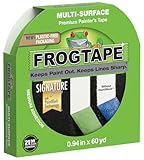
I remember staring at a half-packed box, the moving truck looming, and realizing I was out of proper packing tape. Panic set in.
My eyes landed on a roll of blue painters tape sitting innocently on my workbench. ‘Could this actually work?’ I thought, a desperate gamble forming in my mind. It’s a question many of you have probably asked yourselves when faced with a similar bind: can I use painters tape to mail a package?
The short answer, which we’ll get to, isn’t as straightforward as you might hope. Let’s break down if this common household item is up to the task, or if it’s just going to be a sticky mess and a wasted trip to the post office.
So, Can Painters Tape Actually Hold a Box Together?
Let’s cut to the chase. Can you use painters tape to mail a package? Yes, you can. But should you?
That’s a whole different ballgame. Painters tape is designed to stick to surfaces temporarily, usually walls, trim, and delicate materials, without leaving residue or damaging the finish when removed.
It’s got a low-tack adhesive, which is great for DIY projects but pretty terrible for anything that needs to stay sealed under stress. Think about what happens to a box in transit: it gets tossed, stacked, bumped, and exposed to varying temperatures and humidity.
Regular packing tape, the wide, clear, or brown stuff, has a much stronger adhesive and a thicker, more durable backing that can withstand this kind of abuse. Painters tape, on the other hand, is thin and its adhesive is formulated to be easily removed. I learned this the hard way when I tried to mail a few books to my nephew using only painters tape. By the time the box arrived, the tape had lost most of its grip, and the corners were starting to peel open.
Thankfully, nothing fell out, but it was a close call and a frustrating experience. The mail carriers weren’t exactly thrilled either when they saw a box looking like it was barely holding itself together.
The fundamental difference lies in their intended purpose and adhesive properties. Painters tape prioritizes clean removal and minimal residue, meaning its grip is inherently weaker. Packing tape, conversely, is built for security and durability – its primary function is to keep packages sealed shut, no questions asked. This isn’t a matter of opinion; it’s a chemical and physical reality of the materials.
You’ll find that the adhesive on painters tape is often water-based or a low-solubility acrylic, whereas packing tape typically uses a strong, high-tack synthetic rubber or hot-melt adhesive. This translates directly to how well they perform under pressure.
My rule of thumb now? If it’s labeled ‘painter’s tape,’ ‘masking tape,’ or ‘drafting tape,’ it’s not for shipping.
Stick to tape specifically made for packing, or you’ll be asking for trouble.
What to Look for in Actual Packing Tape
Alright, so painters tape is largely a no-go for anything beyond a very, very light-duty, short-distance shipment where you can personally hand it off. What should you be using then? The key here is to look for tape that’s specifically manufactured for shipping and packaging.
The most common and effective type is acrylic-based packing tape. It offers a strong bond that actually gets stronger over time as the adhesive cures, and it performs well across a range of temperatures. You’ll want a tape that’s at least 2 inches wide – anything narrower significantly compromises the seal. (See Also: Does Painters Tape Rip Paint Off Walls )
The thickness, often measured in mils, is also important. Aim for tape that’s around 2 to 3 mils thick. Thinner tape is cheaper, sure, but it’s far more prone to splitting or tearing. I once bought a bulk pack of super-thin tape that felt like it was made of tissue paper.
Every single box I taped with it ended up needing reinforcement. Talk about a waste of money and effort.
Another solid option is hot-melt tape. This stuff is incredibly strong and adheres quickly, making it great for fast-paced packing operations. However, it can sometimes leave a residue if removed and might not perform as well in extreme cold.
For most people, a good quality acrylic tape strikes the best balance. When you’re at the store, feel the tape. Does it feel substantial?
Does the adhesive feel tacky and strong? You can also check the packaging for terms like ‘heavy-duty,’ ‘shipping grade,’ or specifications like thickness.
Sometimes, you might see tape that looks like it could work, but if it doesn’t explicitly say it’s for shipping, err on the side of caution. I’ve seen tape that looks fine but performs like glorified cellophane tape – completely useless for anything heavier than a stack of birthday cards.
Don’t get fooled by the packaging; check the specs or the intended use.
My Packing Tape Verdict Table
| Tape Type | Adhesive Strength | Durability | Best For | My Verdict |
|---|---|---|---|---|
| Painters Tape | Low | Poor | Temporary wall covering, light DIY | Big NO for shipping |
| Standard Cellophane Tape | Low to Medium | Poor | Sealing small envelopes, gift wrapping | Absolutely not for boxes |
| Acrylic Packing Tape | High | Good to Excellent | General shipping, moving boxes | Reliable choice |
| Hot-Melt Packing Tape | Very High | Excellent | Heavy-duty shipping, high-volume | Strong contender, fast-drying |
Common Mistakes People Make (besides Using the Wrong Tape)
It’s not just about grabbing the right roll of tape. I’ve seen people botch shipping jobs in so many ways, it’s almost an art form.
One of the most common mistakes, even with good tape, is not applying it correctly. You need to seal the seams properly. For the bottom of a box, this means running a strip of tape along the center seam and then overlapping that tape onto the side flaps. Don’t just put one short piece in the middle and call it a day.
The same goes for the top when you’re done packing. I saw a guy once who just put a single piece of tape across the top opening. It looked ridiculous, and I guarantee it wouldn’t have survived a ten-foot drop, let alone a postal sorting facility.
Another mistake is using too little tape. You need enough to create a strong seal, not just enough to say it’s ‘taped.’ Think about structural integrity. The tape is what holds the box together under stress. Under-taping is a recipe for disaster, and it’s a surefire way to have your package arrive open, or worse, damaged.
Then there’s the issue of box condition. Using old, beat-up boxes that are already ripped, crushed, or water-damaged is a huge gamble. Even the strongest tape can’t fix a fundamentally compromised container. I’ve had to repack items because the box was just too far gone.
It’s worth investing a few extra bucks in sturdy, new boxes, especially for valuable or fragile items. People also forget about the weight distribution inside the box. If you have heavy items at the bottom and lighter ones on top, it can put uneven stress on the tape and box seams. (See Also: Does Masking Tape Work The Same As Painters Tape )
Make sure your packing materials are distributed evenly and that nothing is poking through the cardboard. I learned this when shipping some pottery; the edge of a shard poked through the cardboard, and the tape couldn’t even begin to protect it. It’s about the whole package, not just the tape.
Real-World Scenarios: When Does Tape really Matter?
Let’s talk about when the tape’s job is actually tough. Shipping fragile items, like glassware or electronics, requires tape that’s not just strong but consistently reliable. If your tape fails on a box of, say, delicate ceramic figurines, the damage could be devastating. I once shipped a box of my grandmother’s china to my sister.
I used what I thought was good quality packing tape, but apparently, one of the seams wasn’t sealed perfectly. The box took a tumble at some point, and a couple of the plates got chipped. It wasn’t the tape’s fault entirely – maybe the cushioning inside wasn’t perfect either – but the weak point was definitely that imperfect seal.
I should have double-taped those seams, especially since they were on the bottom.
Then there’s shipping during extreme weather. If your package is going to be sitting on a loading dock in freezing temperatures or baking in the sun, the adhesive on your tape can be compromised.
Standard acrylic tapes generally hold up better in a wider temperature range than hot-melt, but even they have limits. I’ve had packages travel cross-country in the dead of winter, and the tape felt brittle and less sticky when it finally arrived. Conversely, in intense heat, some adhesives can become gummy.
This is where using a tape specifically rated for a wide temperature range, or opting for high-quality acrylic, becomes important. It’s not just about the initial stick; it’s about how it performs under duress over time and under varied environmental conditions.
It’s why that cheap roll of generic tape is a false economy; it might save you a dollar upfront, but it can cost you a lot more in damaged goods and customer complaints down the line.
The Myth of ‘any Tape Will Do’
I hear this all the time: ‘Oh, it’s just a small package, any tape will do.’ This is one of those pieces of advice that sounds reasonable but is just plain wrong.
The postal service, couriers – they handle millions of packages daily. They are stacked, they are sorted on conveyor belts, they might get damp, they can be dropped. The idea that ‘any tape’ is sufficient is a myth perpetuated by people who have likely been lucky or haven’t shipped anything of real value.
I’ve seen packages arrive with packing peanuts spilling out because the tape gave way. It’s a professional operation, and your package needs to withstand that. So, when people ask can i use painters tape to mail a package, the answer is a resounding no, not if you want it to arrive in one piece. It’s like using a paperclip to hold a car door shut.
It might technically be ‘attached,’ but it’s not going to do the job reliably.
Practical Tips for Sealing Packages Like a Pro
Want your packages to arrive intact? It’s not rocket science, but it does require a little care. First, always use the H-tape method for sealing the top and bottom seams. (See Also: Does Painters Tape Peel Paint )
Run a strip of tape along the center seam, and then extend that tape about two inches down each of the side flaps. This creates a strong seal that resists splitting. I actually learned this from a guy who worked at a shipping store for years; he swore by it, and I’ve never had a box fail since I adopted the technique.
Second, always overlap your tape. Don’t just butt two pieces of tape up against each other. Overlapping makes sure a continuous seal. For heavier items, consider adding a third strip of tape along the center seam for extra reinforcement.
It might seem like overkill, but better safe than sorry.
Third, make sure the surface you’re taping is clean and dry. Dust, dirt, or moisture will significantly weaken the adhesive bond. If you’re taping over a printed label or a sticker, make sure it’s fully adhered first.
Sometimes, if the label is peeling, the tape will only stick to the label and not the box, which is a recipe for it to fall off. Fourth, use a tape dispenser. It makes applying the tape smoother, faster, and makes sure you get a consistent application.
Trying to tear packing tape by hand is messy, inefficient, and often results in uneven, weak seals. I know some people are tempted to just rip it off the roll, but a good dispenser is a small investment that pays dividends in hassle-free packing. It’s those little details that make the difference between a package that arrives looking like it went through a war and one that looks professionally handled.
Frequently Asked Questions About Packing Tape
Can I Use Masking Tape to Mail a Package?
No, masking tape is generally not strong enough for shipping. Like painters tape, it’s designed for temporary adhesion and easy removal, meaning its adhesive is weak and not designed to withstand the rigors of transit. You risk your package opening or falling apart.
Will Duct Tape Work for Mailing Packages?
Duct tape can be stronger than painters tape, but it’s often not ideal for sealing the main seams of a package. Its adhesive can be inconsistent, and it can stretch and weaken under stress. For best results, use tape specifically designed for packing. Duct tape is better suited for temporary repairs or reinforcing handles.
How Much Tape Do I Need to Seal a Box?
For a standard medium-sized box, you’ll typically need about 3 feet of tape. This includes sealing the bottom seam with the H-method (one strip down the middle, extending onto the side flaps) and then repeating for the top seam. Always err on the side of using a little more tape for security.
Is Clear or Brown Packing Tape Better?
Both clear and brown packing tape offer similar strength and performance, provided they are of comparable quality and thickness. The choice often comes down to personal preference or aesthetic considerations for your package. Some people prefer brown tape for a more traditional look, while clear tape allows labels to be more visible.
Can I Reuse Packing Tape?
No, you should never reuse packing tape. Once applied and potentially stressed, its adhesive properties are compromised. Attempting to reuse it will result in a weak seal that is likely to fail during shipping, potentially damaging your contents.
Final Thoughts
So, to circle back to the big question: can I use painters tape to mail a package? The honest answer, after years of wrestling with various tapes and watching my parcels travel, is a firm no. It’s a cheap shortcut that almost always leads to frustration and potentially damaged goods. Stick to dedicated packing tape, whether it’s acrylic or hot-melt, and make sure you’re applying it correctly.
My personal experience has taught me that investing in proper packing supplies, including good quality tape, is never a waste. It saves you the headache of dealing with opened boxes, lost items, and unhappy recipients. It’s not about having the most expensive materials, but about using the right materials for the job.
Next time you’re packing, take a moment to grab that strong, reliable packing tape. Your package, and your sanity, will thank you. And for the love of all that is shipped safely, please, put the painters tape back on the wall where it belongs.