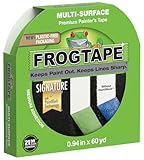
I’ve been wrestling with cords for longer than I care to admit. From home renovations gone slightly awry to just trying to keep my workspace tidy, cord management is a constant battle. So, the question pops up: can I use painters tape to tape off cords? Honestly, the first time I tried it, I was hoping for a miracle solution. I just needed to keep a few speaker wires from tangling with a carpet installation. It seemed like the obvious, cheap answer. Spoiler alert: it didn’t go as smoothly as I’d pictured in my head. This isn’t always the magic bullet people think it is.
Why Painters Tape Isn’t Always Your Cord’s Best Friend
Let’s cut to the chase: can I use painters tape to tape off cords? Yes, you can.
But should you? That’s a whole different kettle of fish. I’ve seen people slap that blue stuff on power cords, Ethernet cables, even extension cords, expecting it to hold firm and then peel off cleanly. More often than not, it’s a mixed bag.
The real issue isn’t usually the adhesion itself in the short term – it’s the residue, the potential damage to the cable’s outer jacket, and how it holds up under anything more than static conditions. I remember one particularly frustrating weekend trying to secure some temporary lighting for a backyard party. I used standard blue painters tape on the extension cord leading from the house to the patio. By the end of the night, after a bit of foot traffic and a slight dew setting in, the tape had softened.
Peeling it off wasn’t the clean rip I anticipated; it left this sticky, gooey mess that took ages to scrub off with mineral spirits, and I swear I could see faint marks on the cord itself. It’s the kind of thing that makes you second-guess every other ‘easy’ fix you’ve ever considered.
The marketing around painters tape is usually about clean removal from walls and trim – surfaces that are typically painted and somewhat porous. Cables, especially modern ones with their often rubberized or plastic coatings, are different. They’re designed to be flexible and durable, but that smooth surface can sometimes be a battlefield for adhesives.
Some tapes are formulated with a weaker adhesive, designed specifically for delicate surfaces. Others are more aggressive. The problem is, the packaging rarely specifies ‘safe for cord jackets’ or ‘will not leave residue on PVC.’ You’re basically guessing based on the general ‘removable’ claim.
Think about it: a cable might be subjected to bending, stretching, or even slight abrasion. That’s a lot more stress than tape usually handles on a wall. So, while it might work for a very short-term, low-stress application, relying on it for anything more is where the trouble usually starts. I’ve learned the hard way that a few bucks saved on specialized tape can cost you a lot more in time and frustration later.
What Kind of Tape actually Works (and Why)
So, if standard blue tape is a crapshoot, what’s the alternative? For years, I just grabbed whatever was handy, which usually meant more duct tape disasters or electrical tape that became brittle. But I’ve found a few things that actually do the job without turning into a sticky nightmare or damaging the cable.
The best options generally fall into a few categories: specialized electrical tape, certain types of gaffer tape, and sometimes even high-quality packing tape for very temporary, non-important uses. Electrical tape, for instance, is designed to be flexible, insulating, and to adhere well without leaving excessive residue on wires. It’s not usually the cheapest option, but it’s built for the job.
I picked up a roll of 3M Super 33+ electrical tape a while back, and it’s been fantastic. It stretches just enough to conform to cables, it’s resistant to oil and moisture, and when I’ve had to remove it after months, it comes off relatively cleanly. It’s not perfect, but it’s leagues better than painters tape.
Then there’s gaffer tape. If you’ve ever been backstage at a concert or seen movie sets, you’ve seen gaffer tape. It’s fabric-based, incredibly strong, but designed to be removed cleanly from most surfaces without leaving adhesive behind.
While it’s overkill for just taping off a single cord for a short project, for bundling multiple cords together, securing them to floors or walls temporarily during an event, or for any situation where you need serious holding power and clean removal, it’s gold. It’s also surprisingly easy to tear by hand, which is a bonus when you’re fumbling around with cables. I learned about gaffer tape from a sound engineer friend who swore by it for stage setups. (See Also: Does Painters Tape Rip Paint Off Walls )
He said standard duct tape would ruin expensive cables and leave a mess on the floor that could cause trips. Gaffer tape, he explained, was the professional standard for a reason. It’s pricier, sure, but the peace of mind and the lack of sticky residue?
Worth every penny.
For those super-short, no-stress situations, sometimes a good quality packing tape can do the trick. I’m talking about tasks like temporarily securing a cord to a table leg for a few hours while you’re testing something.
The key here is that you’re not expecting it to last long, endure any stress, or be exposed to the elements. The adhesive on good packing tape is strong, but it’s also often designed to adhere to cardboard, which can be similarly smooth to cable jackets. Just be prepared to clean up any residue.
I once used regular clear packing tape to secure a charging cable to the inside of a car console for a road trip. It held fine for the entire week, but when I peeled it off, there was a definite sticky patch that needed a bit of Goo Gone to sort out. So, it’s not a perfect solution, but it’s an option for very specific, low-risk scenarios.
Common Mistakes and What to Avoid
The biggest mistake I see, and one I’ve made myself countless times, is assuming that because painters tape is labeled ‘removable,’ it’s safe for everything. That simply isn’t true.
Its ‘removability’ is context-dependent. It’s designed to come off painted drywall or wood trim without taking the paint with it.
Cables are a whole different beast. They’re often made of PVC, rubber, or other plastics that have different surface properties and can react unpredictably with adhesives.
Using it on older, more brittle cables is a recipe for disaster; you might end up cracking the jacket. I learned this when I tried to tape off a very old, stiff audio cable.
The tape adhered fine, but when I went to remove it a few days later, it basically fused with the cable jacket, and pulling it off took chunks of the rubber with it. It was ruined. I ended up having to replace the cable, which cost way more than a roll of proper electrical tape.
Another common error is not considering the environment. If the cable is going to be in a place with temperature fluctuations, direct sunlight, or moisture, painters tape is going to degrade faster. Heat can make the adhesive ooze, and cold can make it brittle and prone to cracking.
I tried using it to secure a coiled extension cord that was stored in my garage over a summer. The constant heat cycles turned the tape into a sticky, gummy mess that attracted dust and lint. (See Also: Does Masking Tape Work The Same As Painters Tape )
When I finally needed the cord, it was coated in grime, and the tape was practically impossible to remove cleanly. It looked like a science experiment gone wrong. Furthermore, people often over-apply it, wrapping it too tightly or too many times.
This can constrict the cable, potentially damaging the internal wires, and also makes removal much harder. A gentle wrap is usually sufficient, if you’re going to use it at all. And never, ever use it on data cables like Ethernet or USB unless you’re prepared for potential signal interference or physical damage. The tolerances on those are much finer.
Real-World Use Cases: When It might Work
Okay, so when could you actually get away with using painters tape on cords? I’ve found it’s mostly for very short-term, low-stress, non-important applications.
Think of it as a temporary hold, not a permanent solution or a protective measure. For example, if you’re painting a wall and need to keep a few speaker wires or a lamp cord neatly out of the way for an hour or two, painters tape can do the job.
You just need to be diligent about removing it as soon as you’re done. The key is to avoid any tension on the tape or the cord, and to make sure it’s not in a high-traffic area where it could get snagged or stepped on. The clean removal aspect is most important here; the sooner you peel it off, the less likely it is to leave residue or become difficult to remove.
Another scenario might be bundling a few non-key, low-voltage cables together for a very short period. Let’s say you’re setting up a temporary display and need to keep some thin wires from tangling for a single event. Again, the emphasis is on ‘temporary’ and ‘non-key.’ If these are cables that carry important data or power, you’re better off using cable ties or proper cord management solutions. I once used painters tape to bundle some fairy light strings together while I was stringing them up for Christmas.
They were low voltage, and I removed the tape immediately after the holidays. It worked fine, but I wouldn’t dream of doing that with my internet cable or a power cord for a major appliance. It’s about managing expectations.
If you’re expecting it to hold up to repeated flexing, temperature changes, or to remain attached for weeks on end, you’re setting yourself up for disappointment. The common advice of ‘just use painters tape’ often overlooks these important caveats. It’s a tool with limitations, and those limitations are very real when applied to the varied world of cables.
Here’s a quick breakdown of when it’s a weak yes and when it’s a hard no:
| Application | Painters Tape Verdict | Why |
|---|---|---|
| Temporary wire neatening during painting (short duration) | Weak Yes | Can work if removed immediately, minimal tension. |
| Bundling low-voltage decorative lights (short-term) | Weak Yes | Works if removed promptly after use. |
| Securing power cords for appliances | No | Risk of damage, heat, and residue. |
| Taping off extension cords in high-traffic areas | No | Tripping hazard, potential for tape to fail. |
| Data cables (Ethernet, USB, HDMI) | No | Risk of signal degradation or physical damage. |
| Outdoor or exposed cables | No | Degrades quickly with weather, UV, and temperature. |
Practical Tips for Cord Management Beyond Painters Tape
Look, I get it. You want a quick fix. But if you’re going to be dealing with cords regularly, whether for work, hobbies, or just keeping your house from looking like a spaghetti junction, investing a little in proper cord management is going to save you a world of headaches.
One of my favorite go-to solutions for bundling cables is velcro cable ties. They’re reusable, adjustable, and they don’t damage the cables.
I’ve got a whole drawer full of them in various sizes, and they’re perfect for keeping my computer setup tidy, managing the mess of AV cables behind the TV, or even coiling extension cords for storage. They come in packs for about $15-$20, and a single pack lasts ages. (See Also: Does Painters Tape Peel Paint )
For longer runs or securing cables along walls, I’ve started using stick-on cable clips. These little guys have an adhesive backing and a loop or clip to hold the cord in place.
They’re much neater than trying to use tape, and they tend to hold much better over time. Just make sure you clean the surface thoroughly before sticking them on; otherwise, they’ll fall off faster than you can say ‘cord management failure.’
Another thing that’s surprisingly effective, and something I discovered when trying to organize my workshop, is using old bread tags or even binder clips in a pinch. For very thin, low-voltage wires, a bread tag can sometimes be used to label or temporarily bundle them. It’s not pretty, but it works. Binder clips are more solid; you can use them to gather cables together, or even clip them to the edge of a desk or shelf to keep them from falling.
I’ve seen people use these for charging cables so they don’t slide off their nightstand. These are generally cheap, readily available, and don’t involve any sticky residue. For more permanent solutions, like running cables through walls or along baseboards, specific cable raceways or conduit are the way to go. These are designed to protect the cables and give a clean, professional look.
While they require a bit more effort to install, they’re the most durable and safest option for long-term cable management. Don’t overlook the power of simple zip ties, either, though I always opt for the velcro kind when possible because they’re easier to adjust and reuse.
People Also Ask: Can I Use Painters Tape to Tape Off Cords?
Will Painters Tape Damage My Cables?
Painters tape can potentially damage your cables, especially older or more delicate ones. The adhesive, while designed to be removable from painted surfaces, can sometimes bond too strongly with plastic or rubber cable jackets. This can lead to sticky residue, discoloration, or even gouging of the cable’s outer layer when the tape is removed. The risk increases if the tape is left on for an extended period or exposed to heat or moisture, which can alter the adhesive’s properties and its interaction with the cable material. It’s generally not recommended for long-term use on any cable.
What Is the Best Tape for Cords?
The best tape for cords depends on the specific application, but generally, electrical tape is highly recommended for its flexibility, insulating properties, and tendency to leave less residue. Gaffer tape is another excellent choice, particularly for bundling multiple cables or securing them temporarily in professional settings, as it offers strong adhesion without leaving sticky remnants. For very short-term, low-stress needs, high-quality packing tape might suffice, but always be prepared for potential residue cleanup. Specialized cable management tapes or wraps are also available and often provide the most reliable solution.
Can I Use Painters Tape to Secure Extension Cords?
It’s generally not advisable to use painters tape to secure extension cords, especially in areas where they might be stepped on or exposed to movement. While it might hold temporarily, painters tape can weaken and fail under stress, potentially creating a tripping hazard. Furthermore, it can leave sticky residue on the cord, and in outdoor or variable temperature conditions, it may degrade and become ineffective. Safer alternatives like gaffer tape, proper cable ties, or specialized cord management solutions are much more reliable and safer for securing extension cords.
What Happens If You Leave Painters Tape on a Cord Too Long?
If you leave painters tape on a cord for too long, the adhesive can break down, dry out, or meld with the cable’s surface. This often results in a stubborn, sticky residue that is difficult to remove, or worse, the tape can fuse with the cable jacket, causing damage when you try to peel it off. In some cases, especially with older cords or those exposed to heat, the tape might even cause the cable’s outer layer to become brittle or crack. It’s always best to remove painters tape from cords as soon as the task is completed.
Verdict
So, to circle back to the burning question: can I use painters tape to tape off cords? My honest answer is: proceed with extreme caution. While it might seem like a quick and easy fix for a temporary hold, the risks of residue, damage, and failure are real. I’ve learned that the few extra dollars spent on proper electrical tape or velcro ties are almost always worth it in the long run. They do the job better, more reliably, and without the sticky aftermath or potential for ruining your cables. Don’t let the convenience of that blue roll lull you into a false sense of security when it comes to your wires.
If you find yourself needing to manage cords frequently, I really recommend looking into some basic cable management supplies. A few velcro straps, some stick-on clips, or even a good roll of electrical tape will make your life so much easier and keep your cables in better condition. It’s a small investment for a much cleaner and safer setup.
What are your go-to methods for keeping cords under control? Share your tips – I’m always looking for better ways to tame the cable beast!