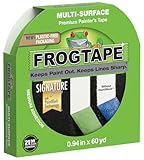
I remember the first time I tried to mask off a car fender for a small touch-up. I grabbed the roll of blue stuff from the hardware store, the kind my dad used for painting the trim in the house, and figured, ‘What’s the worst that could happen?’ Turns out, a lot.
That cheap tape, the kind that feels like glorified tissue paper, bled like a sieve, left behind a sticky residue that took hours to scrub off, and generally made a mess of what was supposed to be a simple job. It was a harsh lesson that not all masking tape is created equal, and definitely not all of it is suitable for automotive paint. So, can painters tape be used on cars? The short answer is: some can, most shouldn’t, and you need to know what you’re doing.
This isn’t about getting fancy; it’s about avoiding headaches and protecting your paint job.
The Blue Tape Blues: Why Your Hardware Store Roll Fails
Let’s be brutally honest. Most of the painters tape you see at the big box hardware stores, that ubiquitous blue stuff or the cheaper white kind, is designed for interior walls and trim. These surfaces are generally forgiving.
They’re not exposed to direct sunlight for hours on end, they don’t get rained on, and they certainly don’t have a delicate, multi-stage paint finish that’s worth thousands of dollars. When you slap that kind of tape on a car, especially in warm weather or direct sun, you’re setting yourself up for disappointment. The adhesive, which might be fine for drywall, can soften, creep, and bleed under heat.
Worse, it can literally bake onto the paint. I once saw a buddy try to mask off a door jam with standard blue tape for a quick spray bomb job.
After an hour in the sun, the tape had stretched, bled into the fresh paint, and when he pulled it off, it took a chunk of the paint with it. It looked like a Rorschach test designed by a toddler. That was a $500 mistake he’ll never make again. The adhesive isn’t formulated for automotive clear coats, which are often less porous than interior walls.
Instead of a clean line, you get fuzzy edges and hours of painstaking cleanup with goo-gone or, even worse, a buffer and compound. It’s a false economy; the few bucks you save on tape are dwarfed by the cost of fixing the damage.
What actually Works: Automotive Masking Tape Explained
This is where things get specific. If you’re going to mask a car, you need tape designed for the job.
Automotive masking tape, often called ‘masking tape’ or ‘automotive masking paper,’ is engineered with a few key differences. First, the adhesive.
It’s formulated to be repositionable within a short window, stick reliably without creeping or bleeding, and, importantly, remove cleanly without leaving residue or damaging cured paint. It’s also designed to withstand the solvents in automotive paints and clear coats.
Many automotive tapes are slightly thinner and more conformable than their household counterparts, allowing them to hug curves and body lines better. You’ll see tape in different shades of green, yellow, and even a special maroon or brown for high-temperature applications like baking finishes. The color often indicates its intended use and temperature resistance. For instance, a high-heat tape might be a dark maroon, designed to withstand oven curing cycles without melting or losing adhesion. (See Also: Does Painters Tape Rip Paint Off Walls )
Another factor is the backing material. Some tapes have a waxy or slightly porous backing that can absorb overspray, preventing it from seeping through to the paint underneath. Others are more plasticky and impermeable.
The width is also important; you can get tape from half an inch for fine trim work to two inches or more for covering large panels. I learned to always buy tape specifically labeled for automotive use.
It might cost $10-$20 a roll instead of $3-$5, but the peace of mind and the clean results are worth every penny. Don’t gamble with your car’s paint; use the right tool for the job.
Choosing the Right Automotive Tape
When you’re in the auto parts store or looking online, don’t just grab the cheapest roll that says ‘masking tape’. Look for these signs:
- Labeled ‘Automotive’: This is the most important indicator.
- Temperature Rating: If you’re doing any kind of spraying, especially with heat lamps or if your paint bakes, you need high-temperature tape. 3M green or yellow are common.
- Adhesive Type: Look for phrases like ‘residue-free removal’ or ‘clean lift’.
- Conformability: Does it feel like it will easily stick to curves?
- Width: Have a variety of widths on hand for different tasks.
For general masking around trim and edges, a 1-inch or 1.5-inch roll of standard automotive masking tape is usually sufficient. If you’re masking off entire panels or dealing with complex curves, you might need wider tape or specialist pinstriping tape. I’ve found that having a small collection of different widths and types in my garage is indispensable.
Common Mistakes and How to Avoid Them
Beyond just grabbing the wrong tape, there are other pitfalls. One of the biggest is improper application. People rush it. They stretch the tape too tight, creating stress points that can lift or buckle, and they don’t burnish the edges down properly.
You need to press the tape firmly along the entire edge to create a good seal. I use a plastic spreader or even my fingernail for this. If there’s a gap, paint will find it. Another mistake is leaving the tape on too long.
Cured paint needs to breathe, and solvents can continue to off-gas for a while. Leaving tape on for days after painting can cause issues, like the tape becoming permanently bonded to the paint or lifting new paint when removed. The general rule is to remove the tape while the paint is still slightly tacky, but not wet. This allows the paint to flow a bit and seal the edge before it fully hardens.
If the paint is bone dry, you risk pulling it up. I’ve made this mistake myself, getting distracted or impatient, only to come back and find the tape has become a nightmare to remove. The trick is to pull it off slowly and at an angle, against the direction of the tape line, not straight up.
Also, people often forget to prep the surface properly. You can’t just slap tape on a dirty, greasy panel. Clean the area thoroughly with a wax and grease remover to make sure good adhesion and a clean release.
And never, ever apply tape over freshly painted, uncured paint. Wait for it to flash off and cure to the touch, at a minimum. Rushing this stage is a recipe for disaster, leading to paint lifting or a cloudy finish where the tape was. (See Also: Does Masking Tape Work The Same As Painters Tape )
Real-World Applications: When and How to Use Tape
So, when do you reach for that roll of automotive tape? Anytime you need a crisp, clean separation line between two different colors, or between paint and a non-painted surface.
This could be anything from a simple two-tone paint job on a classic car, to masking off emblems and trim before spraying a bumper, to protecting chrome trim while you’re buffing out a scratch. I’ve used automotive tape extensively for DIY projects. For instance, I was repainting the trim around my old truck’s windows.
The original paint was peeling, and I wanted a clean black finish. I carefully masked off the glass and the body panels using 3M green automotive tape.
The key was carefully tracing the rubber seals and pressing the tape down firmly. After spraying, the lines were razor-sharp, no bleeding at all.
It made the whole job look professional, not like a weekend hack job. Another time, I was tackling a small rust spot on a door panel.
I feathered the edges of the repair, primed, and then used tape to mask off the surrounding area before applying the color coat and clear. The tape allowed me to build up thin layers without overspray contaminating the good paint. The verdict? It’s indispensable for any serious DIY painter or even for minor touch-ups.
It’s not just for professional spray booths; it’s a fundamental tool for achieving good results at home. It’s the difference between a job that looks ‘okay’ and one that looks ‘done right’.
The Cost Factor: Is It Worth the Investment?
Let’s talk money. A roll of cheap, generic blue painters tape might set you back $3-$5. A roll of decent automotive masking tape, like 3M green or an equivalent from a reputable brand, can easily be $10-$20 for the same width.
That’s a significant difference, especially if you’re a hobbyist doing multiple small projects. You might be tempted to think, “It’s just tape, how much difference can it make?” I’ve been there.
I’ve bought the cheap stuff by the case. But the math changes when you factor in the cost of fixing mistakes. If that cheap tape bleeds and ruins a panel that took hours to prep and spray, you’re looking at potentially redoing the entire panel. That’s not just paint cost; it’s time, labor, and frustration.
A $15 roll of proper tape that gives you clean lines and removes easily is a fraction of the cost of fixing a botched job. I’ve spent more on a single can of touch-up paint than a roll of good masking tape, and the tape was arguably more important in making that touch-up look smooth. (See Also: Does Painters Tape Peel Paint )
For the average car owner doing minor repairs, or for anyone serious about achieving a professional-looking finish on a DIY project, the investment in automotive-specific tape is absolutely worth it. It’s not a luxury; it’s a necessity for protecting your work and making sure a clean, crisp result.
You wouldn’t build a house with duct tape holding up the walls, would you? Same principle applies here.
Quality tape is an investment in your project’s success.
| Tape Type | Typical Price (per roll) | Pros | Cons | Verdict |
|---|---|---|---|---|
| Standard Household Painters Tape (Blue/Yellow) | $3 – $8 | Cheap, readily available. | Prone to bleeding, leaves residue, poor heat resistance, can damage cured paint. | Avoid for automotive use. |
| Basic Automotive Masking Tape (Green/Yellow) | $8 – $15 | Good adhesion, clean removal on most cured paints, moderate heat resistance. | May not be sufficient for high-heat bake cycles, can still bleed if applied improperly. | Good for general masking and light spraying. |
| High-Temperature Automotive Masking Tape (Maroon/Specialty) | $12 – $25 | Excellent adhesion, clean removal even after high heat, specifically designed for spray booths and baking. | More expensive, often stiffer and less conformable for tight curves. | Best for serious painting and high-heat applications. |
| Pinstriping/Fine Line Tape | $5 – $10 (per roll, often narrower) | Extremely thin for sharp lines, highly conformable. | Not for general masking, adhesive can be aggressive if left on too long. | Specialty tool for intricate detail work. |
Can I Use Regular Blue Painters Tape on My Car?
Generally, no. Standard household blue painters tape is not designed for automotive paint. Its adhesive can soften in heat, leading to bleeding and leaving sticky residue. In some cases, it can even damage cured automotive clear coats upon removal, especially if left on for an extended period or exposed to sunlight.
What Tape Do Professionals Use on Cars?
Automotive professionals use specialized masking tapes designed for paint work. This includes high-temperature tapes (often green or maroon) from brands like 3M, which offer clean removal and resistance to solvents and heat found in professional spray booths and curing ovens. They also use pinstriping tape for fine-line masking.
How Long Can I Leave Painters Tape on a Car?
For automotive applications, it’s best to remove masking tape as soon as the paint is dry to the touch, or at most within 24 hours. Leaving it on longer can cause the adhesive to bond with the paint, making removal difficult and potentially damaging the finish. Always check the tape manufacturer’s recommendations.
Will Painters Tape Damage My Car’s Paint?
Standard household painters tape can damage your car’s paint. The adhesive can become aggressive, especially when heated by the sun, and pull off cured paint when removed. Automotive-specific tapes are formulated to adhere securely without damaging the finish when removed correctly.
What Is the Best Tape for Masking Car Trim?
For masking car trim, a high-quality automotive masking tape with good conformability is ideal. Look for tapes labeled for automotive use that offer clean removal. For very fine lines or sharp edges against delicate trim, a thin pinstriping tape might be necessary, but make sure it’s applied to a fully cured surface.
Verdict
So, can painters tape be used on cars? After years of making mistakes and learning the hard way, my answer is a firm ‘use the right stuff’. That cheap roll from the hardware store is a gamble you’re likely to lose, costing you time, money, and a lot of frustration. Investing in proper automotive masking tape isn’t about being a perfectionist; it’s about being smart and avoiding unnecessary headaches. It’s the difference between a DIY paint job that looks like it was done by a pro and one that screams ‘amateur hour’.
Don’t let a few extra dollars on tape lead to hundreds or thousands in paint repair. Next time you need to mask off a section of your vehicle for paint, a touch-up, or even just to protect something during a repair, reach for tape that’s actually designed for automotive paint. Your future self will thank you for it.
Have you ever had a masking tape disaster? I’d love to hear about it.