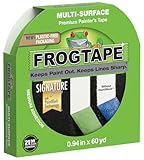
I’ve seen some wild advice online lately, especially when it comes to DIY hacks and, frankly, when things just need to get done quickly. Someone asked if painters tape can go in the microwave. My first thought was, ‘Why on earth would you even consider that?’ It sounds like a recipe for a small, smoky disaster. Honestly, the whole idea of subjecting sticky tape to intense heat, especially inside a device designed for food, just screams ‘bad idea’ to me. So, let’s cut to the chase: can painters tape go in the microwave? The short, unvarnished answer is no, you absolutely should not do it.
We’re going to break down why this is a terrible concept, what you should be doing instead, and why some common DIY suggestions you might stumble across are just plain wrong. It’s not about being fancy; it’s about not setting your kitchen on fire or ruining your microwave.
Why Microwaving Your Tape Is a Terrible Idea
Look, I’ve been around the block with DIY projects and tools. I’ve learned the hard way so you don’t have to. The idea of microwaving painters tape, or any kind of tape for that matter, is one of those ‘don’t try this at home’ moments that shouldn’t even be a question.
Microwaves work by exciting water molecules, generating heat. Painters tape, at its core, is paper with a pressure-sensitive adhesive.
Paper, as you probably know, is flammable. The adhesive is usually made of polymers, which can melt, degrade, and release fumes when subjected to high heat.
Putting these together in a confined space like a microwave? That’s asking for trouble. You’re not going to soften the adhesive or make it more pliable; you’re going to create a fire hazard and likely a sticky, smoky mess that’s a nightmare to clean. I once tried to quickly soften a stubbornly curled piece of weatherstripping with a hairdryer on a low setting – it sagged and melted into a gooey blob.
The microwave is exponentially more intense than that. We’re talking about potentially flammable materials and intense, uneven heating. The fumes alone could be nasty, let alone the risk of a small fire. I wouldn’t even consider putting anything not food-related in there, and definitely not something made of paper and glue.
What Are People Actually Trying to Do?
Okay, so why would anyone even think of microwaving painters tape? It’s usually a misguided attempt to make the tape more pliable or to ‘activate’ the adhesive.
People might be dealing with tape that’s gone a bit stiff from sitting in a cold garage, or they’ve got a tricky corner or curve they’re trying to wrap smoothly. The thought process, however flawed, is probably something like: ‘Heat makes things soft, right?
My microwave heats things. Therefore, microwave will make tape soft and easier to work with.’ It’s a logical leap, but one that lands you squarely in dangerous territory.
It’s like thinking boiling water will instantly clean grease off your hands; it’ll get hot, sure, but it’s not the right tool for the job and could cause burns. Another angle I’ve seen is someone trying to remove old, stubborn adhesive residue. Again, heat is often used to loosen adhesives, but a microwave is a blunt instrument for this.
It lacks control and can easily overheat the surrounding material, causing damage. People also sometimes ask about using tape in high-heat situations, but that’s a different ballgame entirely.
We’re talking about putting the tape inside the microwave, not using it around something that’s being microwaved. The intention might be practical, but the method is deeply, fundamentally wrong and poses serious risks.
Common Mistakes and Misconceptions
The biggest mistake is assuming a microwave is a universal heating device for all materials. It’s not. (See Also: Does Painters Tape Rip Paint Off Walls )
It’s designed for food, which contains water. While it can heat other things, it’s often unevenly and can damage materials not meant for it. Another misconception is about tape itself. Painters tape is designed for clean removal from surfaces like walls and trim.
It’s not meant to withstand high temperatures or direct heat. The adhesive is sensitive. It can become gummy and spread, or brittle and crack, depending on the type of heat and duration. Trying to ‘make it stickier’ or ‘more flexible’ with a microwave is like trying to fix a leaky faucet by hitting it with a hammer – you’re likely to cause more problems than you solve.
Some folks might confuse it with heat-shrink tubing, which is activated by heat, but that’s a specific product designed for a specific purpose. Painters tape is not that. It’s paper and glue. Treat it like that.
My first real DIY project involved trying to paint a picture frame with masking tape to create sharp lines. It was a disaster because I used the wrong tape (not painters tape, but still) and I didn’t press it down hard enough. It bled everywhere.
That taught me about pressure and the right tool, not about heating things up.
What to Do Instead: Real-World Solutions
If your painters tape is too stiff or you need it to conform to a tricky surface, here are actual, safe, and effective solutions. First, for stiff tape: simply warm it up gently. Roll the tape dispenser in your hands for a minute or two. The friction and your body heat are usually enough to make it more pliable.
You can also leave it in a moderately warm room for a bit. If you absolutely need more heat, a hairdryer on its LOWEST setting, held at a distance and moved constantly, is a safer bet.
Keep it moving and don’t let any one spot get too hot. For curves and corners, the key is proper application. Press the tape down firmly along the edge first, then work your way around, using your finger or a putty knife to smooth it down and create a tight seal.
For challenging curves, you might need to make small relief cuts in the tape itself, allowing it to bend more easily without bunching up. Think of it like wrapping a present – you make little folds and tucks to get it smooth.
Another trick for tricky edges is to use a flexible ruler or a credit card to really burnish the edge down. This makes sure a sharp line and prevents paint bleed. There’s also a specific type of tape called low-tack tape designed for delicate surfaces, which can be more forgiving.
I once spent an hour trying to tape off a very ornate picture frame for a client. I was getting frustrated with the tape bunching up in the ornate bits.
I ended up using a sharp craft knife to cut small slits in the tape where it needed to bend, and then used my fingernail to really press the edges down. It worked perfectly and saved me from a paint bleed nightmare. It took patience, not heat.
Choosing the Right Tape for the Job
This is where people often go wrong. Not all painters tape is created equal. You’ve got your standard blue tape, which is great for most walls and trim. (See Also: Does Masking Tape Work The Same As Painters Tape )
Then there’s delicate surface tape (often green or purple) for things like wallpaper or freshly painted walls. There’s also high-performance tape (often orange or yellow) for more demanding jobs, like exterior painting or rough surfaces.
Each has a different adhesive strength and temperature resistance. The key takeaway is to match the tape to the surface and the job. Microwaving any of them won’t magically make it better; it’ll just make it worse.
For example, I once had a client insist on using cheap, generic masking tape for a delicate wallpaper project. It ripped the wallpaper.
I had to spend hours repairing it. The cost of the proper delicate surface tape would have been negligible compared to the repair time. Always check the packaging. It tells you what the tape is designed for.
If you’re unsure, err on the side of caution and go for a tape designed for delicate surfaces. It’s designed to be removed cleanly, not to be subjected to an oven-like environment. The general rule of thumb I always follow is this: if it’s not food, and it’s not explicitly designed to be heated, keep it out of the microwave.
It’s a simple rule that saves a lot of potential headaches and hazards.
| Tape Type | Typical Use | Adhesive Strength | Temperature Sensitivity | Microwave Verdict |
|---|---|---|---|---|
| Blue (Standard) | Walls, trim, general use | Medium | Moderate | Absolutely Not |
| Green/Purple (Delicate Surface) | Wallpaper, freshly painted walls, sensitive surfaces | Low | High | Absolutely Not |
| Orange/Yellow (High-Performance) | Exterior, rough surfaces, long-term masking | High | Moderate | Absolutely Not |
| Brown Kraft Paper Tape | Packaging, general utility | Medium-High | Low | Absolutely Not |
| Heat-Shrink Tubing | Electrical insulation, wire bundling | N/A (forms own bond) | Requires heat | (Designed for heat, NOT microwave) |
The table above clearly illustrates that even tapes designed for specific conditions are not meant for microwave exposure. Heat-shrink tubing, for instance, requires controlled heat to function; a microwave’s unpredictable heating pattern is not suitable.
The Science (or Lack Thereof) Behind the Idea
Let’s get down to brass tacks. Microwaves generate electromagnetic radiation, which causes polar molecules (like water) to vibrate rapidly, creating heat. Painters tape is primarily composed of cellulose fibers (paper) and an acrylic or rubber-based adhesive. Paper, being organic, will eventually char and combust when heated intensely enough.
The adhesives are polymers. Depending on the specific polymer, they can melt, decompose, or release volatile organic compounds (VOCs) when heated. These VOCs can be harmful to inhale and can create a foul smell. There’s no scientific principle that suggests microwaving tape will make it ‘better’ for its intended purpose.
In fact, the opposite is true. The heat can degrade the adhesive’s ability to bond properly, making it less effective. It can also compromise the integrity of the paper backing.
Think of it like trying to cool down an engine by pouring hot water on it – it just doesn’t compute. The energy from a microwave is too intense and too indiscriminate for something like tape. It’s not designed to uniformly heat a complex chemical compound like an adhesive or a fibrous material like paper without causing degradation.
The common advice for dealing with stubborn tape or adhesive is usually mechanical removal, solvents, or mild heat applied with a specific tool like a heat gun or even a hairdryer on a low setting. Microwaving is a brute-force approach that ignores the chemical properties of the materials involved.
The Dangers of Fumes and Fires
This is the part that keeps me up at night when I hear about people trying ridiculous things with appliances. When you heat up non-food items, especially plastics and adhesives, they can release toxic fumes. (See Also: Does Painters Tape Peel Paint )
These fumes can irritate your lungs, eyes, and throat. If you inhale enough of them, you can experience dizziness, nausea, or even more serious respiratory problems.
And then there’s the fire risk. Paper is flammable. Adhesives can be flammable.
Microwaves are enclosed spaces where heat can build up rapidly. If the tape overheats, it can ignite. A small fire inside a microwave can quickly spread, potentially damaging the appliance and even causing a larger fire in your kitchen. I remember a story from a friend who tried to dry a damp sponge in the microwave – it caught fire.
It wasn’t tape, but it was a non-food item that was supposed to absorb moisture. The microwave sputtered, smoked, and then there was a small flame.
They managed to put it out quickly by just opening the door and smothering it, but it was scary and left a lingering smell for days. The smell of burnt plastic and adhesive is not something you want lingering in your kitchen or permeating your home. It’s a clear sign that something has gone terribly wrong. It’s just not worth the risk to your health or your home.
Can Painters Tape Be Put in the Microwave to Make It Sticky?
No, absolutely not. Microwaving painters tape will not make it stickier. Instead, it will likely degrade the adhesive, making it less effective, and can release harmful fumes or even cause a fire. The heat from a microwave is too intense and uneven for tape.
Is It Safe to Microwave Anything Other Than Food?
Generally, no. Microwaves are designed for heating food, which contains water. Heating other materials, especially those containing plastics, adhesives, or paper, can lead to melting, combustion, toxic fume release, and damage to the microwave itself.
What Happens If I Put Painters Tape in the Microwave?
If you put painters tape in the microwave, you risk melting the adhesive, degrading the paper backing, releasing potentially toxic fumes, and igniting the tape, which could cause a fire. You will also likely create a sticky, smoky mess that is difficult to clean from your microwave.
Are There Any Tapes That Can Go in the Microwave?
No standard adhesive tapes, including painters tape, are designed to be put in a microwave. Certain specialized materials might be designed for controlled heating, but general-purpose tapes are not safe for microwave use under any circumstances.
Why Would Someone Suggest Microwaving Painters Tape?
This is likely a misunderstanding or a poorly conceived DIY hack. People might mistakenly believe that heat makes materials more pliable or adhesive. However, microwaves are not a suitable tool for altering the properties of tape, and attempting to do so is dangerous.
Conclusion
So, to put it plainly, can painters tape go in the microwave? Nope. Not even a little bit. It’s a recipe for a smoky, potentially fiery mess that’s bad for your appliance, bad for your air quality, and just plain stupid. Stick to the tried-and-true methods for applying tape, and keep anything that isn’t food far away from your microwave. Trust me, the headache you’ll save is worth the few extra minutes it takes to apply tape correctly.
If you’ve got a stubborn corner or a curve that’s giving you grief, reach for a putty knife, make a few small relief cuts, or just take a deep breath and be patient. These are simple, safe techniques that actually work. Don’t let some questionable online ‘hack’ lead you down a path of potential disaster. Your kitchen and your health will thank you for it.