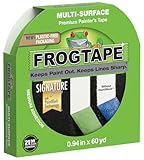
I remember the first time I tried to mask off a section of my old Ford Ranger for a quick touch-up. I grabbed the roll of blue stuff from the garage, the kind I used for painting walls. “How different can it be?” I thought. Turns out, pretty different. That seemingly innocent roll of household painters tape became a sticky, paint-bleeding nightmare. So, to answer the burning question: can use household painters tape on a car? Well, the short answer is: you can, but you probably shouldn’t if you want to avoid a world of regret.
It’s a tempting shortcut, I get it. That familiar blue or green roll is sitting right there, begging to be used. But automotive paint and surfaces are a whole different beast compared to drywall. The chemistry is different, the temperature fluctuations are wilder, and the stakes are higher when you’re dealing with something that costs thousands of dollars and sits out in the sun all day.
Let’s break down why this simple question has more layers than a cheap onion, and what you really need to know before you go reaching for that common household item on your prized vehicle.
Why Household Tape Is a Terrible Idea for Your Car
Look, I’ve been there. You’ve got a small chip or scratch you want to spray over, or maybe you’re doing some two-tone on a motorcycle fender. The car is parked outside, the sun is beating down, and you just need to get it done. Your eyes land on that roll of generic blue or green painters tape in the utility drawer. It’s cheap, it’s readily available, and it sticks to things, right? Wrong. Very, very wrong. The fundamental difference between household painters tape and automotive masking tape boils down to adhesion, residue, and the type of surface it’s applied to.
Automotive masking tape is designed with automotive paint in mind. This means it needs to adhere firmly enough to create a sharp paint line without lifting the existing finish, but it also needs to be removed cleanly without leaving behind any sticky residue, even after being exposed to heat and UV rays. Standard household painters tape, on the other hand, is formulated for interior walls. These surfaces are generally stable, not subjected to extreme temperature swings, and the paint on them is usually less delicate than automotive clear coats and base coats.
When you slap cheap tape onto a car, especially on a warm day, the adhesive can basically bake into the paint. Then, when you pull it off – and you will be pulling it off, because it’s not going to look good – you’re not just pulling off tape; you’re pulling off bits of your clear coat, or at the very least, you’re left with a stubborn, gummy mess that’s a pain to remove.
I once tried to mask off a stripe on a project bike with regular blue tape. It was about 75 degrees out, sunny. I thought I was being clever, saving a few bucks. Big mistake.
I let it cure for about three hours. When I pulled it off, the edge was fuzzy, and worse, a thin, sticky residue was left behind that looked like someone had spilled honey all over the paint.
It took me another two hours with a specialized adhesive remover and a lot of prayer to get it off without damaging the base coat. That experience cost me more in time and stress than a proper roll of 3M automotive tape would have. You might get away with it for a very temporary, very low-stakes job, but for anything where a clean line and pristine finish are important, steer clear. (See Also: Does Painters Tape Rip Paint Off Walls )
What to Look for in Actual Car Masking Tape
Okay, so we’ve established that your garage-variety blue tape is a recipe for disaster. What should you be using then? The key here is to look for tape specifically labeled for automotive use. Don’t just grab the cheapest roll that says “masking tape.” Think about the conditions your car faces: sun, heat, rain, and constant vibration. The tape needs to withstand all of that without turning into a sticky, peeling mess.
Automotive masking tapes come in different types, usually identified by color and intended use. The most common is the standard green or brown automotive masking tape. This is generally good for masking off large areas like entire panels or windows when you’re spraying. It has a moderate tack, meaning it sticks well but isn’t so aggressive that it will damage paint. It’s also designed to withstand moderate bake cycles if you’re working in a heated paint booth, though most DIYers aren’t doing that. These rolls are typically wider than household tape, often coming in 1-inch, 1.5-inch, or 2-inch widths, which makes masking large areas much faster.
Then you have finer line tapes, often found in red, gold, or even black. These are much thinner, typically 1/4-inch or 1/8-inch wide. Their adhesive is usually less aggressive, and their primary purpose is to create very sharp, crisp lines. Think of them for detailing, creating subtle stripes, or masking off trim. If you’re doing any kind of two-tone paint job or custom graphic, you’ll want a selection of these. They are more expensive, yes, but the precision they offer is unmatched by anything you’ll find in the general hardware store aisle.
When you’re buying, check the packaging. Reputable brands like 3M, Norton, or even some of the higher-end house brands from auto parts stores will clearly state their intended use. Look for terms like “automotive masking tape,” “paint masking tape,” or “high-temperature resistant” if you’re concerned about bake cycles. For most DIY jobs, a good quality green or brown automotive tape will be sufficient. If you’re aiming for professional-looking results, investing in some fine line tape is a a must. It’s the difference between a job that looks like you did it yourself and a job that looks like it rolled out of a body shop.
Common Mistakes When Using Tape on Cars
Alright, you’ve bought the right tape. Great. But just having the right gear doesn’t guarantee a good outcome. I’ve seen people mess up even with good tape, usually because they’re rushing or not thinking things through. The biggest mistake, hands down, is leaving the tape on too long. Automotive paint, especially basecoat/clearcoat systems, needs to be handled with care. While the clear coat is designed to be durable, it’s still susceptible to damage from prolonged tape adhesion, especially when the tape traps moisture or heat.
If you’re spraying, the general rule of thumb is to remove the tape while the last coat of clear coat is still slightly tacky, but not wet. This is where the magic happens. The slight tackiness of the paint allows it to “relax” around the edge of the tape, creating a sharp, almost invisible transition.
If you let the paint fully cure with the tape on, it can cure to the tape, and when you pull it off, you’ll get that dreaded paint lift or a jagged edge that looks like a tiny saw blade. It’s a pain to fix, often requiring sanding and respraying a larger area. I learned this the hard way on a project car; I was impatient, pulled the tape too late, and ended up with a rough edge that I had to sand down and re-clear. It added hours to the job.
Another common blunder is not pressing the tape down firmly enough along the entire edge. You need a good, consistent seal. Any gaps or loose edges will allow paint overspray to sneak underneath, resulting in soft, fuzzy lines instead of sharp ones. Run your fingernail or a plastic squeegee along the edge of the tape to make sure it’s fully sealed against the surface. Also, be mindful of the temperature when you’re applying and removing. Applying tape to a very hot surface can make the adhesive overly sticky and difficult to remove cleanly. Pulling tape off a cold, brittle surface can also lead to cracking or tearing. Aim for moderate temperatures, ideally between 60-80°F (15-27°C). (See Also: Does Masking Tape Work The Same As Painters Tape )
Finally, don’t reuse old tape. Even if it looks okay, the adhesive can degrade, become less effective, or pick up dust and debris that will transfer to your paint. A fresh roll of decent quality tape is cheap insurance against a botched paint job. It’s a small investment for a important step. The people who argue that you can use household painters tape on a car are likely not concerned with the finesse of a clean paint line. They might be okay with a slightly fuzzy edge or a bit of overspray, but for anyone who cares about the finish, these small details matter.
| Tape Type | Pros | Cons | Verdict |
|---|---|---|---|
| Household Painters Tape (Blue/Green) | Cheap, readily available | Poor adhesion for paint, leaves residue, lifts paint, fuzzy lines | Avoid at all costs for automotive paint. Only usable for masking off non-painted surfaces like windows if you’re very careful and don’t expect perfection. |
| Standard Automotive Masking Tape (Green/Brown) | Good adhesion, clean removal (usually), resists solvents, moderate heat resistance | Can still leave residue if left on too long or baked at high temps, not for extremely fine lines | Excellent for general masking. Your go-to for masking entire panels, trim, and windows. |
| Fine Line Tape (Red/Gold/Black) | Creates extremely sharp lines, thin and flexible, low tack adhesive | More expensive, less forgiving for large areas, can tear easily | Key for detailing and graphics. If you’re doing stripes or intricate designs, this is a must-have. |
Real-World Uses Where Tape Is Your Friend on a Car
Despite all the warnings about household tape, there are plenty of situations where proper automotive masking tape is your best friend. It’s not just for full-on spray paint jobs. Even for simple DIY tasks, it can save you a ton of cleanup and protect areas you don’t want to mess with. For instance, if you’re applying a ceramic coating to your paint, you might want to mask off trim pieces or even panel lines to make sure an even application and prevent the coating from drying on areas where you don’t want it. This is a situation where good quality automotive tape is important; you don’t want the coating to bleed under the tape and ruin a sharp edge.
Detailing is another area where tape shines. Some people like to tape off door jambs before doing a heavy polish to prevent the polish from getting into crevices, which can be a nightmare to wipe out. Others use tape to create a clean edge when applying trim protectants or dressings to plastic and rubber parts. This is especially useful if you have a car with a matte finish on some of its trim. You don’t want a glossy protectant to stain it. A thin line of fine line tape can give you a perfect barrier.
When installing aftermarket accessories, like a new stereo or alarm system, you might need to remove interior panels. Masking tape can be used to protect the surrounding dashboard or door cards from scratches from your trim removal tools. It’s a small step that makes a big difference in preventing unsightly marks. I’ve used it to hold down edges of plastic trim while the adhesive cures on a new piece, just to make sure it stays put perfectly aligned. It’s amazing how a simple roll of tape can be so versatile when used correctly.
Even for simple things like protecting your headlights from overspray if you’re painting the grille, automotive tape is the way to go. It adheres well enough to stay put, but removes cleanly without damaging the plastic or the paint. It’s about understanding the tool and its application. The core question, ‘can use household painters tape on a car,’ is often asked by people who underestimate the complexity of automotive finishes and the specialized needs of working with them. While it might seem like a minor detail, the right tape makes a monumental difference in the final look and longevity of your work.
Practical Tips for Masking Like a Pro
Let’s talk about making this process less of a headache. First off, preparation is key. Clean the surface thoroughly before you even think about applying tape. Any dirt, grease, or wax will prevent the tape from adhering properly, leading to paint bleed or the tape lifting. A good IPA (isopropyl alcohol) wipe-down is your friend here. Make sure the surface is completely dry before applying tape.
When applying tape, overlap the edges slightly. This creates a stronger seal and prevents paint from seeping through. If you’re masking off a large area like a whole door, start with the edges and work your way in. Use long, continuous strips of tape where possible to minimize seams. For curved areas, you can carefully cut small notches along the edge of the tape to help it conform to the shape without bunching up. This is particularly useful around wheel arches or body lines.
If you’re going to be spraying, especially with aerosols, consider using masking paper or plastic sheeting along with your tape. This protects larger areas from overspray. You can get rolls of masking paper specifically designed for automotive use, or even use cheap newspaper for less important areas, though newspaper can sometimes be more prone to absorbing moisture and tearing. Connect the paper or plastic to the tape edge, making sure there are no gaps. This creates a contained painting environment. (See Also: Does Painters Tape Peel Paint )
Here’s a pro trick: once you’ve applied your tape and paper, and before you start spraying, run a bead of masking tape along the inside edge of the tape line, right against the area you want to keep clean. This effectively creates a double barrier and a much sharper line when you remove the outer tape.
It sounds like overkill, but for important lines, it’s worth it. I’ve used this method on custom paint jobs, and the results are consistently clean. Remember, the goal is to create a complete seal.
The question of whether you can use household painters tape on a car is really a question about respecting the automotive finish and investing a little in the right tools to get the job done right.
Faq About Car Masking Tape
Can I Use Regular Masking Tape for Touch-Up Paint?
For small touch-up jobs, it’s still best to use automotive-grade tape. While the area is small, the paint is often delicate, and regular tape can still lift it or leave residue. If you absolutely must use household tape, do it with extreme caution, apply it for the shortest possible time, and test on an inconspicuous area first if possible. You’re better off using a very fine brush and applying touch-up paint carefully without tape.
How Long Can Automotive Tape Be Left on a Car?
This depends heavily on the type of tape and the conditions. For standard automotive masking tape, it’s generally recommended to remove it within 24 hours, ideally much sooner, and certainly before the paint is fully cured. Some high-temperature tapes used in professional body shops can withstand several days and bake cycles, but for DIY use, err on the side of removing it as soon as the paint is dry to the touch or slightly tacky.
Will Cheap Painters Tape Damage My Car’s Paint?
Yes, it absolutely can. Cheap painters tape often has a more aggressive adhesive that can bake into the paint, especially in warm weather, leading to lifting of the clear coat or base coat when removed. It can also leave behind a sticky, difficult-to-remove residue that requires specialized cleaners and careful buffing to get rid of, potentially dulling the finish.
What’s the Difference Between Painters Tape and Masking Tape for Cars?
While the terms are often used interchangeably, automotive masking tape is specifically formulated for automotive paint. It has a controlled tackiness, is designed to adhere without damaging existing finishes, and often has some resistance to solvents and moderate heat. General household painters tape is made for drywall, which has different surface properties and paint types, making it unsuitable and potentially damaging for automotive finishes.
Final Verdict
So, after all that, can use household painters tape on a car? My honest answer remains a resounding no, not if you care about the finish. The few dollars you might save upfront can easily turn into hundreds in repair costs and hours of frustration. Automotive paint is an investment, and the tools you use to work on it should reflect that.
Stick to tape that’s actually designed for the job. Whether it’s for a full respray, a small touch-up, or even just protecting trim during a detailed clean, the right automotive masking tape will make your life infinitely easier and your results far better. Don’t let the convenience of that blue roll in your kitchen drawer tempt you into a paint job you’ll regret.
Next time you’re prepping for a car project, make a quick trip to the auto parts store. Grab a roll of quality automotive masking tape. Your car, and your sanity, will thank you for it. Think of it as putting the right tool in your toolbox for the right job – it’s just common sense for anyone who wants a clean finish.