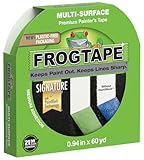
I remember staring at a sheet of blue painter’s tape, my laser cutter humming impatiently. I had this brilliant idea: mask off a whole section of wood, engrave my design into the tape, and then just peel the tape off for a super clean, crisp edge. Sounded foolproof, right? Well, let me tell you, that experiment taught me a valuable lesson about whether you can laser engrave over painter’s tape. It’s not always the magic bullet people make it out to be.
The hype around using painter’s tape for laser engraving is pretty strong. Everyone talks about clean lines and no charring. But like most things online, the reality is a bit messier and requires more nuance than a quick viral video lets on. So, let’s cut through the noise.
Why the Painter’s Tape Trick Even Exists
The whole point of using painter’s tape, specifically the blue or green kind you get at any hardware store, for laser engraving is to create a barrier. When you laser engrave, you’re basically vaporizing material.
This process can leave behind soot, charring, and scorch marks, especially on wood or certain plastics. It can also create a fuzzy, burnt edge that you then have to sand or clean off, which is a pain in the backside.
The idea is that the tape, being thinner and less dense than the material underneath, will absorb some of that heat and soot, or perhaps even be the primary material vaporized. When you’re done, you peel off the tape, and voilà – a perfectly clean engraving. It’s a classic masking technique, and for some applications, it works like a charm.
Think about painting: tape protects the areas you don’t want to get paint on. The laser engraving application is similar in principle, but with vapor and heat instead of liquid paint.
People often use it on materials like plywood, MDF, or even acrylic to protect the surface and get a cleaner result, especially when detailed work is involved. The theory is solid, and when it works, it’s fantastic. But here’s the thing: it doesn’t always work as cleanly as you’d hope, and there are a few reasons for that. The type of laser, the material you’re engraving, and the settings you use all play a huge role.
I’ve seen people rave about it for cutting intricate designs out of thin wood, saying it leaves a perfectly smooth, unburnt edge. Other times, you see projects where the tape has melted, bubbled, or even caught fire, turning a supposed shortcut into a bigger problem than it was worth. It’s this variability that makes the question ‘can you laser engrave over painters tape’ so important to answer with a bit of detail, rather than a simple yes or no. Understanding why it’s suggested and its limitations is key to not wasting your time and materials.
My Own Blue Tape Blunder
Okay, confession time. About a year ago, I was working on a batch of custom wooden coasters for a friend’s wedding. I wanted the lettering to be super sharp, with absolutely no hint of scorch. I’d seen a bunch of tutorials online showing how to lay down painter’s tape, engrave through it, and get these pristine results. So, I grabbed a roll of good quality blue tape, carefully applied it to a nice piece of maple plywood, and fired up my CO2 laser. I was using settings I’d used before on bare wood, thinking the tape would just add that extra layer of protection. Big mistake.
What happened was… weird. The laser seemed to struggle to get through the tape cleanly.
Instead of a nice, precise beam vaporizing the wood, it was sort of sputtering. Where it did engrave, the tape didn’t just peel off cleanly. It left a gummy, sticky residue that was ten times harder to clean than any charring I would have gotten without the tape. Worse, in some spots, the tape had melted and bubbled, leaving a lumpy, uneven surface that ruined the engraving.
I ended up spending more time trying to scrape off this sticky goo with a plastic putty knife and isopropyl alcohol than I would have spent sanding the original scorch marks. It was infuriating. I’d wasted a good piece of plywood and a solid hour of my time. This experience taught me that simply slapping tape on and expecting perfection is a fool’s errand.
You have to understand the interaction between the laser, the tape, and your material. It’s not a universal solution, and sometimes, it’s just more trouble than it’s worth. I learned the hard way that the ‘easy’ way often has hidden complexities.
When Painter’s Tape Actually Works (and When It Doesn’t)
So, let’s talk brass tacks. When does this painter’s tape masking method actually pay off? (See Also: Does Painters Tape Rip Paint Off Walls )
Primarily, it’s best for materials that are very prone to scorching or when you need an absolutely pristine white or light-colored surface. Think about engraving on certain types of acrylic, especially if you’re going for a frosted look or want to protect the clear surface from any accidental marks.
Plywood, especially the cheaper, glue-filled varieties, can be a nightmare for charring. Applying tape can help keep the surface looking cleaner.
It’s also more effective on materials where the laser’s energy is primarily vaporizing the surface layer, not deeply cutting through. For light engraving jobs, like adding a logo to a wooden pen or a nameplate, it can yield cleaner results if done correctly.
However, there are plenty of scenarios where it’s a bad idea. First, if you’re cutting through material, especially thicker stuff, the tape often gets in the way. It can cause the laser beam to refract or scatter, leading to a less efficient cut or even incomplete cuts.
The vaporized tape can also gum up your laser lens or mirror, which is never a good thing. I’ve also found it’s generally not great for engraving on darker materials where you want a contrast, as the tape itself can sometimes leave a faint haze or discoloration. Another big factor is the tape itself. Not all painter’s tape is created equal.
Cheaper, thinner tapes might burn through too quickly and offer little protection. High-heat tapes, often used for automotive painting, might be better but are also more expensive and can leave a stronger adhesive residue. The biggest reason it fails, though, is often the laser settings.
If your power is too high or your speed is too slow, you’re going to melt and burn the tape, not cleanly engrave through it. It requires a delicate balance.
I’ve found it’s often better to just dial in your settings for the material and deal with minimal cleanup afterwards, rather than relying on tape that might add more problems than it solves. It’s a tool, not a magic wand.
Common Mistakes and What to Watch Out For
Alright, let’s get real about the screw-ups. The most common mistake people make when trying to laser engrave over painter’s tape is assuming their standard engraving settings will work. They won’t. The tape is an extra layer, and it absorbs energy differently. You typically need to adjust your laser’s power and speed. Often, you’ll need to reduce the power and possibly increase the speed to get a clean engrave through the tape and into the material, without just burning the tape to a crisp. If your laser is set too high, you’re going to melt it, which leads to that sticky, gummy mess I experienced. It’s the number one reason people give up on this method.
Another big one is tape quality and application. Using cheap, thin tape is asking for trouble. It’ll burn through too fast, leaving your material unprotected. On the flip side, some higher-quality, thicker tapes might leave a surprisingly stubborn adhesive residue that’s a pain to remove.
Make sure you’re using a tape specifically designed for clean removal. And how you apply it matters! Bubbles or wrinkles in the tape mean uneven engraving. You need to lay it down as smoothly as possible, like you’re applying a screen protector to your phone.
Press it down firmly to make sure good adhesion. I’ve also seen people try to engrave very deep designs through tape. That’s usually a losing battle. The tape is best for surface-level detail.
If you’re trying to engrave deeply, the tape is more likely to char and clog the area. Finally, don’t forget about ventilation. (See Also: Does Masking Tape Work The Same As Painters Tape )
Burning tape, even through engraving, can release fumes. Make sure your laser is properly vented, just like it would be for any other material. A lot of people just focus on the visual outcome and forget about the safety aspects, which is a massive oversight.
Real-World Use Cases and Practical Tips
Despite the potential pitfalls, there are definitely scenarios where using painter’s tape for laser engraving makes sense. One of the most common and effective uses is for masking off areas on wood to create a clean border or frame for an engraving.
Imagine you’re engraving a detailed image onto a wooden plaque and you want a perfectly clean, unburnt edge around it. You can tape off that edge, engrave your image, and then peel off the tape to reveal a crisp line. It saves a lot of manual cleanup. Another good use is for materials that are extremely sensitive to heat, like thin veneers or certain types of craft wood.
The tape can act as a thermal buffer, reducing the risk of warping or discoloration. I’ve also seen it used effectively on paper or cardstock for intricate cuts where you want to prevent the edges from curling or burning. For those situations, a light engraver or cutter setting is key.
Here are a few practical tips if you’re going to give it a shot:
- Start with Low Power, High Speed: This is the golden rule. You want to vaporize the tape and the very top layer of your material, not blast through it. Experiment with your settings.
- Test, Test, Test: Always do test engraves on scrap material with the tape applied. This is where you’ll figure out the right settings and see how the tape behaves.
- Use Quality Tape: Invest in good quality blue or green painter’s tape. Cheaper brands might have weaker adhesive or inconsistent thickness.
- Smooth Application is Key: Work out all air bubbles and wrinkles. Use a credit card or a squeegee to make sure it’s laid down flat.
- Consider Your Laser Type: CO2 lasers are generally better suited for this than diode lasers, as they offer more control over power.
- Clean Up Promptly: If you do get any residue, try to clean it up while it’s still fresh. Isopropyl alcohol (90% or higher) is usually your friend here.
For me, the jury is still out on its general usefulness. It’s a technique that requires patience and a lot of tweaking. It’s not a one-size-fits-all solution, and sometimes, a bit of careful sanding is just more straightforward. But for specific jobs where that super-clean edge is a must, it’s worth exploring, just be prepared for some trial and error. I’ve even seen some folks use it on metal for marking, though that’s a whole other beast with specialized tapes.
The Contrarian View: Why I Often Skip the Tape
Now, here’s my hot take, and it goes against a lot of what you’ll read: I often skip the painter’s tape entirely, even on wood. Everyone says, ‘Oh, you must use tape to avoid charring!’ And yeah, sometimes charring is a problem. But here’s why I disagree with making tape the default solution.
First, it adds an extra step. You have to apply the tape, then engrave, then peel, then clean the residue. That’s time.
For a lot of my projects, especially when I’m doing batches of items, spending that extra time on tape application and cleanup is more effort than just doing a light sanding or using a microfiber cloth with a bit of denatured alcohol. I can usually get a perfectly acceptable finish on many woods with just the right laser settings. It’s about understanding your material and your laser.
A slightly slower speed and a carefully dialed-in power setting can often give you a clean enough engrave without any tape.
Second, the tape itself can introduce problems. As I mentioned, it can melt, bubble, and leave a sticky residue that’s a nightmare to remove.
I’ve had projects ruined by the adhesive more than by any scorch mark. Plus, some tapes can actually melt into the material, creating a discoloration that’s impossible to sand out. It’s like trading one potential problem for another, often more persistent, one.
Finally, and this is a big one for me, it can affect the engraving quality. The tape acts as an intermediary layer, and it can sometimes diffuse the laser beam slightly, leading to a less crisp or detailed engrave than you might get directly on the material. (See Also: Does Painters Tape Peel Paint )
If I’m aiming for maximum detail, I want the laser beam hitting the material directly. So, while I acknowledge that painter’s tape can work and is useful in specific situations, I think most people should first focus on learning their laser settings and understanding their materials. Once you can achieve a clean engrave without tape, you’ll save yourself a lot of hassle. It’s not always the shortcut it appears to be.
Comparing Masking Options
While painter’s tape is the most common masking material people consider for laser engraving, it’s not the only option, and it’s definitely not always the best. There are other types of masking tapes and even spray-on solutions that might be more suitable depending on your project. For instance, a heat-resistant masking tape, often used in automotive applications, can withstand higher temperatures and might offer better protection against melting and charring. However, these can also be more expensive and leave a stronger adhesive residue.
Then you have specialized laser masking films. These are often thinner, designed to be vaporized more cleanly by the laser, and leave less residue.
Brands like ‘Laser Mask’ or similar products are specifically formulated for this purpose, and while they cost more per roll, they often yield superior results and significantly less cleanup. They are designed to burn away cleanly, leaving behind minimal debris. For cutting operations, especially on materials like acrylic, a good quality masking film can prevent the edge from melting and refinishing itself with a burnt look, offering a clean, factory-like edge straight off the machine.
The main drawback is the cost; they are considerably more expensive than standard painter’s tape. Another approach for some materials is a spray adhesive combined with thin paper, like freezer paper or kraft paper.
You spray a thin, even coat of temporary spray adhesive onto the paper, apply it to your material, and then engrave. This can offer a very smooth, consistent surface but can also be messy if not applied carefully. The effectiveness of any masking solution hinges on its ability to protect the surface from heat and soot without interfering negatively with the laser beam or leaving a difficult-to-remove residue. Painter’s tape is the budget-friendly, readily available option, but it’s often a compromise.
| Masking Material | Pros | Cons | Verdict |
|---|---|---|---|
| Standard Painter’s Tape (Blue/Green) | Cheap, widely available, easy to apply | Melts easily, can leave residue, inconsistent protection | Good for light duty or experiments, but often problematic. |
| High-Heat Masking Tape | Better heat resistance | More expensive, can leave stubborn residue, thicker | Better than standard tape for heat, but residue is a concern. |
| Specialized Laser Masking Film | Designed for lasers, burns cleanly, minimal residue, excellent results | Most expensive option, can be tricky to apply perfectly | Best results for demanding projects, if budget allows. |
| Spray Adhesive + Paper | Customizable coverage, can be smooth | Messy application, potential for unevenness, residue | Viable alternative if you can get a clean, even coat. |
People Also Ask: Can You Laser Engrave Over Painters Tape?
Will Painter’s Tape Catch Fire in a Laser Engraver?
Yes, painter’s tape can absolutely catch fire in a laser engraver. The laser beam is a concentrated source of heat, and tape is made of paper and adhesive, both of which are flammable. If your laser settings are too high, your speed is too slow, or the tape itself is particularly thin or low quality, it can ignite. Proper ventilation and monitoring your laser during operation are important to prevent this from happening. Always have a fire extinguisher rated for Class A fires nearby, just in case.
What Kind of Tape Can You Use for Laser Engraving?
For laser engraving, you generally want to use tapes that are designed to burn away cleanly or that offer good heat resistance with minimal residue. Standard blue or green painter’s tape is the most common choice, but it’s not always ideal. Higher-quality tapes, heat-resistant masking tapes, and especially specialized laser masking films are often better options. Some people also use vinyl masks or even temporary spray adhesives with paper. The key is that the tape should protect the material underneath without melting into it, leaving a difficult residue, or causing a fire hazard.
Does Painter’s Tape Protect Wood From Laser Engraving?
Painter’s tape can offer some protection to wood from laser engraving, primarily by acting as a physical barrier against soot and minor scorching. It can help achieve cleaner edges and a less burnt appearance on the surface. However, its effectiveness is highly dependent on the type of wood, the laser settings used, and the quality of the tape. It doesn’t offer complete protection against deep scorching or charring if the laser power is too high or the speed is too low. In some cases, it can even cause more problems by melting and leaving a sticky residue that’s harder to clean than scorch marks.
How Do You Clean Laser Engraving Residue Off Tape?
Cleaning laser engraving residue off tape usually involves carefully peeling the tape away after the engraving is complete and the material has cooled. If there’s sticky adhesive residue left behind, isopropyl alcohol (90% or higher) is often the most effective cleaner. You can apply it to a microfiber cloth or a cotton swab and gently rub the residue away. For wood, sometimes a plastic scraper or a soft brush can help dislodge stubborn bits before cleaning. Avoid using abrasive materials that could scratch the underlying surface. If the tape has melted badly, you might need a bit more elbow grease and patience.
Verdict
So, can you laser engrave over painter’s tape? The answer is a resounding ‘it depends.’ It’s not the magic bullet for every project, and I’ve certainly wasted my fair share of materials and time trying to make it work when a different approach would have been far more efficient. If you’re aiming for a super clean edge on certain materials and you’re willing to experiment with your laser settings – and I mean really experiment – then it can be a useful tool in your arsenal. Just don’t expect it to be a perfect, one-click solution for all your laser engraving needs.
My advice? Master your laser’s settings first. Understand how it interacts with different materials without any masking. Once you’ve got that down, then you can explore masking techniques like painter’s tape for those specific jobs where it truly offers an advantage. For most of my work, a bit of careful post-processing cleanup is far less hassle than wrestling with tape that either melts, sticks, or burns. If you do decide to try it, start with low power, high speed, and always, always do a test run. You’ll thank me later.
Ultimately, whether or not to use painter’s tape for laser engraving comes down to your project’s demands, your material, your laser, and your tolerance for cleanup. Don’t be afraid to try it, but go in with realistic expectations and a plan B.