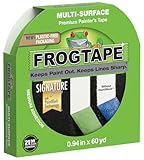
I remember the first time I tried to get fancy with resin pouring. I’d seen all these beautiful geode coasters and intricate resin art pieces online, and I thought, ‘How hard can it be?’ So I grabbed some epoxy resin, a few molds, and, critically, a roll of standard blue painters tape to mask off edges. Big mistake. Huge. That initial project ended up looking like a toddler attacked it with a glue stick and glitter. Learning if you can painters tape with resin isn’t just about whether it sticks; it’s about whether it works without making your project look like a hot mess. Let’s get real about this.
Why Painters Tape and Resin Are Often a Bad Match
Look, the idea behind using painters tape with resin is simple: create a clean edge, mask off areas you don’t want resin to flow into, or secure things down. On paper, it sounds like a no-brainer, right? Especially when you’re trying to keep costs down or you’re just starting out and don’t want to invest in fancy masking fluids. I’ve been there.
I’ve stood in the craft store aisle, looking at the $15 bottle of specialized resin sealant and then at the $4 roll of blue tape, thinking, ‘Surely, this will do.’ But here’s the kicker: most standard painters tape, the kind you use for, well, painting walls, is designed to let a little bit of paint seep under the edge.
That’s how you get a slightly softened line, which is good for walls. It is NOT good for resin.
Resin is, by its nature, a liquid. And that liquid is going to find any tiny little gap or porous surface. The adhesive on most painters tape isn’t designed to create a perfect, impermeable barrier against a thin, viscous liquid like resin. It might work for a few minutes, but as the resin cures and heats up slightly, it can start to seep under the tape.
I learned this the hard way when I was making a set of resin coasters and tried to use painters tape to create a clean, un-resined border. By the time the resin had cured, it had crept under the tape in dozens of tiny, spider-web-like tendrils. Pulling the tape off not only ripped up some of the cured resin but also left me with a fuzzy, sticky, uneven edge that looked like it had been chewed by a small animal.
It was a disaster. The tape itself can also absorb some of the resin, especially if it’s a thinner formula, making it swell and warp. This absorption can also mean you use more resin than you intended, which nobody likes when that stuff isn’t cheap.
The paper backing of the tape is also a porous surface. If the resin touches it, it’s going to wick into that paper. You might get away with it if you’re just using it to hold something temporarily in place and the resin doesn’t touch the tape itself, but for any kind of edge masking or sealing? Forget about it. The common advice you’ll find online is often vague, saying ‘use good quality tape.’ But what does that even mean for resin? Is it about the adhesive? The backing? Most DIY blogs don’t get into the nitty-gritty, which is frustrating when you’re the one with a ruined project and a sticky mess to clean up.
What to Look for in Tape (if You Must Use It)
Okay, so I’ve just spent a good chunk of time telling you why standard painters tape is usually a terrible idea. But let’s say you’re in a pinch, or you’ve got a very specific, very temporary need for masking. What should you be looking for? The key word here is ‘barrier.’ You need something that offers a more solid, less porous, and more chemically resistant seal than your average blue or green painter’s tape. This means looking at the adhesive and the backing material.
When I’m forced to use tape for anything remotely resin-related, I gravitate towards tapes that have a more plastic or vinyl-like backing. Think of specialized tapes used in car detailing or certain industrial applications.
These are often smoother, less absorbent, and have a stronger, more heat-resistant adhesive. The problem is, these tapes can be expensive and hard to find in a craft store. You’re probably looking at specialty hardware stores or online suppliers. One type that sometimes gets mentioned, though I’m still skeptical for long-term resin projects, is high-density foam tape.
It creates a thicker, more forgiving seal, but even then, the adhesive is the biggest hurdle. Does it bond too strongly to the mold or the cured resin, making removal a nightmare? Or does it have gaps where resin can still sneak through?
The adhesive is important. It needs to be strong enough to hold a seal but ideally not so aggressive that it bonds permanently to your mold or rips up your cured resin when removed.
This is where the ‘good quality’ advice comes in, but it’s more nuanced than that. Some high-end painters tapes might have a more reliable adhesive, but it’s still a gamble. (See Also: Does Painters Tape Rip Paint Off Walls )
I once tried a ‘delicate surface’ painters tape, thinking the gentler adhesive would be better. Nope.
It was even less effective at sealing because it didn’t press down as firmly. My personal experience tells me that if you’re considering tape, you’re already on thin ice. You need to test any tape you’re thinking of using on a scrap piece of your mold material or a similar surface with a small amount of resin before committing to your actual project.
See how it adheres, how it reacts to the resin, and how easy it is to remove. Don’t just slap it on and hope for the best. That’s how you end up with hours of tedious scraping and sanding.
Common Mistakes and Why They Happen
The biggest mistake people make when trying to use painters tape with resin is assuming that all painters tape is created equal and that any roll from the hardware store will magically work. It’s a trap.
You buy a cheap roll, you apply it, you pour your resin, and then you’re left with a gummy, sticky mess that’s seeped under the tape, ruining your clean lines. I made this exact mistake on a large art piece where I was trying to create a very precise border. I used standard blue painters tape, thinking it would be fine because I was only masking for a few hours.
Wrong. Overnight, the resin found its way under every single edge, creating this horrible, bubbly, uneven border. It looked amateurish, and I had to spend hours with a craft knife and sandpaper trying to salvage it.
My mistake? Not understanding the permeability of the tape’s backing and the limitations of its adhesive against a liquid resin.
Another common error is not preparing the surface properly before applying the tape. If your mold or the surface you’re taping is dusty, oily, or has any residue on it, the tape won’t adhere properly. This creates immediate gaps for the resin to exploit.
Even if the tape itself could form a decent barrier, a poor bond makes it useless. People also tend to apply the tape too quickly, not pressing down firmly enough along the edges. You need to make sure that the tape is pressed down all the way around, especially in corners and along any curves.
A small gap, barely visible to the naked eye, is all the resin needs to start its infiltration. I learned that you have to treat the tape application like you’re sealing a ship hull – every millimeter counts. Rubbing the edge of the tape down firmly with a burnishing tool or even just a credit card can make a significant difference.
But even with all that care, it’s still not a foolproof solution.
The final major mistake is not accounting for the tape’s interaction with the resin itself. Some resins can soften or even dissolve certain adhesives over time, leading to leaks and a sticky residue. The paper backing can also absorb resin, causing it to swell and distort the tape’s position, or worse, it can wick the resin under the tape. This is why I always say that if you’re serious about your resin projects, especially if you’re selling them or aiming for a professional finish, looking for alternatives to painters tape is a much wiser investment of your time and money. The cost of tape and the subsequent cleanup or rework often outweighs the initial savings.
Real-World Use Cases (when It might Work)
So, after all that doom and gloom, are there any scenarios where painters tape actually makes sense with resin? Honestly, it’s a very narrow list, and they usually involve minimal contact or very short cure times. The most common ‘success’ story I’ve heard, and one I’ve dabbled in with extreme caution, is using it to create a temporary dam or barrier within a larger mold. (See Also: Does Masking Tape Work The Same As Painters Tape )
Imagine you have a big tray mold, and you want to pour one color of resin, let it cure partially, and then pour a different color next to it without them mixing. You might use painters tape to create a temporary, rough dam. The key here is that the resin won’t be touching the tape directly for an extended period.
You’re basically using it to hold back a thicker, partially cured resin from a liquid pour. Even then, you have to be super careful. I’ve seen people apply it, pour the first resin, let it get to a tacky stage, remove the tape immediately and carefully, and then pour the next color.
The risk is still there that the initial pour seeped under the tape, creating a less-than-perfect line.
Another fringe case is using it to hold down small inclusions or elements that might float in the resin. If you have lightweight items like dried flowers or glitter flakes that you want to keep in a specific spot while the resin cures, a small strip of tape applied over the item and onto the mold can sometimes work. Again, the resin shouldn’t be seeping under this tape. It’s just a temporary anchor.
My own experience with this involved a very thin layer of resin, so the tape was only submerged for a few hours. The removal was okay, but it did leave a slight imprint on the cured resin where the tape had been. It wasn’t a disaster, but it wasn’t pristine either.
This is where I’d often rather use a drop of hot glue or a specialized mold release wax on the part of the mold I want to keep free of resin, which is a much cleaner solution.
The absolute worst scenario is trying to use painters tape as an edge seal on a mold or a form where you want a perfectly sharp, clean edge on your final piece. It’s just not designed for that level of precision. The porous nature of the paper, combined with an adhesive that’s not rated for direct, prolonged contact with uncured epoxy, makes it a recipe for disappointment. If you need a clean edge, invest in proper masking tape designed for crafts, or look into silicone mold sealants or even just carefully using a small brush to apply a thin layer of silicone caulk to create a temporary dam. These methods, while requiring a bit more effort or cost, will save you headaches and ruined projects in the long run.
Comparison: Painters Tape vs. Specialized Resin Masking Options
Here’s a quick rundown of how standard painters tape stacks up against better options for resin work:
| Method | Pros | Cons | Verdict for Resin |
|---|---|---|---|
| Standard Blue/Green Painters Tape | Cheap, readily available | Porous, adhesive can fail, resin seeps, leaves residue, not chemically resistant | Generally Not Recommended for Edge Sealing |
| High-Quality Vinyl/Plastic Tape (e.g., some electrical tape, specialty automotive tape) | Less porous, more chemically resistant, stronger adhesive | More expensive, harder to find, adhesive might be too strong | Better for temporary masking, still requires testing |
| Specialized Resin Masking Tape/Sealant | Designed for purpose, creates excellent barrier, good adhesive properties, clean removal | Most expensive option, requires purchase from specialty suppliers | The Best Option for Professional Results |
| Silicone Caulk (applied to mold) | Creates a flexible, impermeable barrier, reusable mold often | Can be messy to apply, needs cure time, might require specific mold treatment | Good DIY barrier, but requires practice for clean lines |
Practical Tips and Alternatives
If you absolutely insist on dabbling with painters tape for resin projects, here are a few tips that might save your sanity, though I still advise caution. First, always use the tape on the outside of your mold if possible, or on a surface that won’t be seen if it fails.
If you’re working with a silicone mold, the resin might not adhere as strongly to the mold surface, and if the tape fails, it might be less likely to pull up cured resin. Second, apply a thin layer of mold release spray or wax to your mold before applying the tape.
This can act as a slight buffer, making tape removal easier and potentially preventing resin from sticking aggressively to the tape’s adhesive. I’ve found this helps a bit, but it’s no guarantee.
Third, consider using the tape for a very short period. If you can pour your resin and have it cure to a semi-solid or even fully cured state within a few hours, the risk of seepage is lower.
This is more feasible with faster-curing resins, but you still need to be mindful of the heat generated during curing, which can affect the tape and its adhesive. Fourth, when it’s time for removal, don’t just yank it off. Try to score the edge with a sharp craft knife first, cutting along the line where the resin meets the tape. (See Also: Does Painters Tape Peel Paint )
Then, peel the tape back slowly and at a low angle. This can help create a cleaner break and reduce the chance of the tape ripping up cured resin. I’ve spent many frustrating minutes carefully slicing away stubborn tape residue after a pour, and it’s never fun.
My best advice is to be patient and methodical during removal.
Now, let’s talk about what actually works. For clean edges on molds, the best investment is usually a specialized resin masking tape or a good quality liquid latex or silicone sealant designed for crafts. These products are formulated to create a reliable barrier that doesn’t react poorly with resin and removes cleanly.
I’ve used a few brands of craft masking tape that have a more plastic-like backing and a stronger, yet removable, adhesive, and they’ve performed significantly better than standard painters tape. Another highly effective method, especially for silicone molds, is to simply paint a layer of silicone caulk or a specialized mold sealant onto the area you want to protect. Once cured, it forms a perfect, flexible dam that peels away easily and leaves a super-sharp edge. It takes practice to apply neatly, but the results are leagues ahead of what you’ll get with painters tape.
Investing in these proper tools will save you time, frustration, and money in the long run by preventing costly mistakes.
Frequently Asked Questions About Painters Tape and Resin
Will Painters Tape Stick to Resin?
Yes, painters tape adhesive will stick to cured resin, and uncured resin will seep under and stick to the paper backing. This is the primary problem. While the tape might stick initially to a mold, the resin will find its way through any imperfections in the seal, creating messy edges and potentially bonding the tape to your cured piece in undesirable ways.
Can I Use Painters Tape to Seal the Edges of a Resin Mold?
It is generally not recommended to use standard painters tape for sealing the edges of a resin mold if you want a clean, professional finish. The tape’s paper backing is porous, and its adhesive is not designed to create a perfectly impermeable barrier against liquid resin, leading to seepage and messy edges.
What Tape Is Best for Resin Projects?
For resin projects requiring masking or sealing, specialized resin masking tapes, high-quality vinyl or plastic tapes (like some electrical or automotive tapes), or liquid latex/silicone sealants are best. These offer better chemical resistance, less porosity, and cleaner removal than standard painters tape.
How Do I Get a Clean Edge with Resin?
To achieve a clean edge with resin, use specialized mold sealants, craft masking tapes with plastic backings, or carefully apply silicone caulk to the mold where you want to create a barrier. Always make sure the tape or sealant is pressed down firmly and test any new materials on a scrap piece first.
Final Thoughts
So, to answer the core question: can you painters tape with resin? The blunt, honest answer is: you can, but you probably shouldn’t if you’re aiming for anything resembling a professional or even a neat amateur finish. Standard blue or green painters tape is simply not designed for the task. It’s porous, the adhesive isn’t solid enough for a liquid barrier, and it will almost certainly lead to seepage, messy edges, and a lot of frustration during cleanup. I’ve wasted more money and hours on failed attempts using tape than I care to admit, and it always comes back to the same lesson: use the right tool for the job.
If you’re working on a very temporary application, or something where a slightly imperfect edge is acceptable, then maybe. But for coasters, jewelry, or any piece where a crisp, clean line is the goal, painters tape is just going to let you down. My advice? Spend a few extra bucks on actual craft masking tape, a good mold release, or even some liquid latex. The time and effort you’ll save in fixing mistakes will more than make up for the initial cost. Trust me on this one.
Ultimately, your decision depends on your tolerance for imperfection and the final look you’re after. But before you reach for that familiar blue roll, ask yourself if the potential for a mess is worth the initial few dollars saved. For my money and my sanity, the answer is a resounding no.