I remember my first few weeks with a heat press. It was a beautiful, shiny beast that promised to turn my amateur crafting into something resembling professional. I spent a small fortune on fancy foils and glittery HTV, only to have half of it peel off or scorch. Then came the real kicker: the heat-resistant tape. I’d seen it everywhere online, this magical tape that supposedly held everything perfectly in place. But then I saw a YouTube hack using painters tape. My brain screamed, ‘No way!’ but my wallet whispered, ‘Maybe?’ And that’s how I ended up here, ready to tell you the blunt truth about whether you can use painters tape on a heat press.
It’s a question that pops up a lot, and honestly, the internet is a mixed bag. Some people swear by it, others say it’s a recipe for disaster. I’ve been on both sides, and let me tell you, it’s not as simple as slapping some blue tape on your project.
The Heat-Resistant Tape Conundrum
Look, I get it. That specialized heat-resistant tape, often made of fiberglass or a similar high-temperature material, can cost a pretty penny. Especially if you’re just dabbling or need a lot of it for a big run.
I remember staring at a roll of the stuff, thinking, ‘Seriously? This is just tape, why is it $15 a roll?’ And for a while, I religiously used it, convinced it was the only way to avoid melted nightmares on my heat press platen.
It’s designed to withstand the intense heat – we’re talking 300-450°F (150-230°C) – without degrading, leaving residue, or, importantly, melting onto your project or the press itself. Its primary job is to keep your vinyl, sublimation paper, or other transfer material precisely where you want it during the pressing cycle. Without it, things can shift, leading to ghosting (where a faint outline of the design appears where it wasn’t intended) or misaligned prints, especially on curved surfaces or when layering multiple elements. The common advice, and for good reason, is to use what the professionals use: the purpose-built, high-temperature tape.
But here’s the thing: the world of crafting is built on hacks and workarounds. We’re tinkerers, right? We see a problem, and our immediate instinct is to find a cheaper, faster, or easier solution. And that’s where the idea of using painters tape on a heat press starts to creep in. It’s readily available, it’s cheap, and it’s generally designed to stick well and peel off cleanly from most surfaces. So, the question isn’t just a hypothetical; it’s a very real, money-saving temptation for many of us. I’ve definitely been tempted, especially when I’ve run out of my good tape mid-project and the craft store is closed.
My first real foray into questioning the ‘professional tape only’ rule was when I was trying to press a large, intricate graphic onto a tote bag. I had a small section that I knew would lift if I didn’t secure it perfectly.
I was out of my fancy tape, and all I had was a roll of regular blue painters tape. My internal debate went something like this: ‘It’s only going to be on there for 30 seconds.
How bad can it be?’ I figured the heat wouldn’t penetrate that deeply into the adhesive. I was wrong.
It didn’t melt into a puddle, thank goodness, but it definitely softened and left a sticky residue on the edge of the graphic that I had to painstakingly pick off. It wasn’t a complete disaster, but it was enough to make me rethink my approach.
The Real Deal on Painters Tape
So, let’s talk about painters tape itself. Most of us know it as that blue or green tape that painters use to create clean lines.
It’s designed to adhere to surfaces like walls, trim, and windows for a period of time, and then be removed without damaging the paint or leaving behind a sticky mess. The adhesive is generally water-based, which is key. It’s not designed for extreme temperatures.
When you expose it to the high heat of a heat press, that adhesive starts to break down. It can become gummy, melt slightly, and yes, leave a residue.
This residue is the biggest culprit. It can transfer onto your transfer paper, your vinyl, or even directly onto your heat press platen. Cleaning that off your platen is a pain in the rear, let me tell you. I once had a small smudge that I didn’t catch immediately, and it transferred onto a white t-shirt on my next press.
So frustrating!
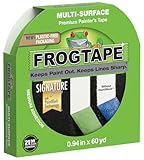
There are different types of painters tape, too. You have your standard blue stuff, your FrogTape (which is supposed to create a molecular seal to prevent bleed-through, but not necessarily heat resistance), and then there are some higher-temperature versions that might be marketed for more demanding applications. However, even those are usually rated for significantly lower temperatures than a heat press operates at. The common advice you’ll find, even from manufacturers, is that standard painters tape is NOT heat-resistant. And they’re not lying. The common advice also suggests that if you must use something other than specialized tape, look for a high-temperature masking tape. But even then, you’re entering risky territory.
I’ve experimented with different brands and types over the years, just out of sheer curiosity and a desire to save a buck. Some perform slightly better than others. The slightly thicker, more solid-feeling painters tapes seem to handle the heat a tiny bit better before they start to degrade. However, I’ve never found one that completely eliminates the risk of residue or shifting. (See Also: Does Painters Tape Rip Paint Off Walls )
It’s always a gamble. I’ve had moments where it seemed to work fine, and then other times where a small corner lifted, or a faint sticky mark was left behind. The inconsistency is what makes it a bad idea for anything remotely important or for production work. You’re trading a bit of money for a whole lot of potential headaches.
The ‘why Not?’ And the ‘why Yes?’
Let’s be blunt: the main reason people ask if you can use painters tape on a heat press is cost. Those specialized tapes, while effective, are another recurring expense in the crafting world. When you’re buying vinyl, blanks, ink, and the machine itself, adding another $10-$20 for tape can feel like a punch to the gut.
So, the idea of using something you might already have in your garage or tool shed is incredibly appealing. It feels like a clever hack, a way to be resourceful. And in some very limited, very low-stakes situations, it might seem to work.
For example, if you’re just testing a design on a scrap piece of fabric that you don’t care about, or if you’re using a very low heat setting for a short duration, you might get away with it. I’ve done that – used a strip of painters tape to hold down a corner of a test print on a scrap.
It held, it didn’t melt, and the residue was minimal and easily cleaned. But that’s not the same as pressing a customer’s order.
Now, let’s flip it. Why shouldn’t you use it? The biggest reason, and the one I always come back to, is the risk of ruining your project or your equipment.
Imagine pressing a beautiful, intricate design onto a client’s garment, only to find a sticky smear on it, or worse, a ghost image because the vinyl shifted slightly. The cost of that ruined garment, the lost time, and the potential damage to your reputation far outweigh the savings on a roll of tape.
Furthermore, the adhesive on painters tape can degrade and potentially melt onto the silicone mat or the actual heat plate of your press. Cleaning melted adhesive off a hot platen is not a fun way to spend an afternoon. It can be stubborn, requiring special cleaners and a lot of elbow grease.
I’ve seen friends struggle with this, and it’s a mess you want to avoid at all costs.
Here’s my contrarian take: Everyone says you NEED the expensive tape. And for 99% of situations, they are right. But I think if you are doing a very small, one-off personal project, on a very low heat setting, and you are willing to accept the risk of residue, a good quality blue painters tape can be used. I’m not advocating for it, but I’m also not going to lie and say it’s impossible to get away with it in extremely controlled, low-risk scenarios.
The key is control and risk tolerance. If you’re pressing hundreds of items, or anything for a client, or anything where a slight shift or smudge would be catastrophic, then no, you absolutely cannot use painters tape on a heat press.
It’s the difference between a cheap hack and a reliable process.
| Tape Type | Heat Resistance | Residue Risk | Cost | Verdict |
|---|---|---|---|---|
| Specialized Heat-Resistant Tape | Excellent (300-450°F+) | Very Low | High | Recommended for all professional and high-stakes use. |
| High-Quality Painters Tape (Blue/Green) | Poor (Melts/Degrades above ~150°F) | Moderate to High | Low | Risky. Only for very low-heat, low-stakes personal projects where you accept the potential for residue and shifting. |
| General Masking Tape | Very Poor | Very High | Low | Do not use. Will likely melt, stick, and leave significant residue. |
Common Mistakes and How to Avoid Them
One of the most common mistakes people make when considering painters tape is assuming all painters tape is the same. It’s not. You’ve got different levels of tackiness and different adhesive formulations. Some are designed for delicate surfaces and peel off really easily, while others are meant for a stronger bond.
The ones that are too aggressive are even more likely to leave sticky residue when heated. Another mistake is not testing. If you’re going to try painters tape (which, again, I don’t recommend for anything important), you absolutely must test it first.
Press a small scrap of the same material you intend to use, with the tape in place, using your exact heat press settings. See what happens.
Does it stick? Does it leave residue? (See Also: Does Masking Tape Work The Same As Painters Tape )
Does the vinyl lift? Don’t assume it will work on your project just because it worked on a test piece, as different fabrics and materials can react differently.
A related mistake is using too much tape or placing it incorrectly. If you’re trying to hold down a large area, you might think you need to tape all the edges.
This can actually put uneven pressure on your design. The goal of tape is to keep the transfer material flat and in place, not to contort the fabric. Over-taping can also create thicker areas where the tape is, potentially affecting the evenness of your press. Keep the tape to the absolute minimum needed to secure the transfer.
Another often-overlooked aspect is the heat press itself. Older heat presses, or those with uneven heating elements, can have hot spots.
If you’re using painters tape and hit a hot spot, it’s going to degrade much faster than in a cooler area. It’s always good practice to know your heat press and where its hot and cool zones are.
The biggest mistake, though, is convenience over quality. You’re running a bit late for a craft fair, you’re out of proper heat tape, and you think, ‘I’ll just use this blue stuff, it’ll be fine.’ It’s this mindset that leads to burned-out frustration.
You end up spending more time fixing mistakes, cleaning up residue, or even redoing the entire project than you would have spent going to the store for the right tape. I learned this the hard way when I tried to rush a print for a local event. The tape left a faint outline on the shirt, and I had to remake it. It cost me sleep and the profit margin on that shirt.
So, my advice: plan ahead, buy your supplies in bulk if you can, and resist the urge to cut corners on something as fundamental as the tape holding your design in place.
Real-World Use Cases (and When to Walk Away)
So, when might you actually consider something like painters tape on a heat press? Honestly, the list is short and comes with big caveats. The most plausible scenario is for personal, experimental projects where failure is no big deal. Think of testing a new vinyl brand on a scrap piece of cotton that you’re going to cut up for cleaning rags anyway. You might use a tiny piece of painters tape to hold down a corner, just to see how the vinyl adheres without lifting. If it sticks, great. If it leaves a faint residue, who cares? You’re not losing anything valuable.
Another fringe case could be for certain types of sublimation where the paper is very stable and the heat/time is minimal. Some crafters use it to temporarily tack down sublimation paper on ceramic mugs or coasters before using a heat-resistant band or wrap. However, even here, many will opt for a higher-temperature masking tape, and the risk of ghosting due to movement is still present.
It’s generally a much safer bet to use the correct tape for the job. I once tried using painters tape on a sublimation print for a mug, and while the image transferred okay, there was a slight blur on one edge where the tape had slightly shifted the paper. It was noticeable enough that I wouldn’t have been happy if it were for a customer.
I immediately switched back to my dedicated sublimation tape.
The scenarios where you should absolutely walk away from the idea of using painters tape are numerous. Any project for a client or customer.
Any item where you need a flawless finish (like a high-end apparel line). Any time you’re working with delicate or expensive materials. Any situation where you cannot afford to have your transfer lift or shift, even by a millimeter.
If you’re layering multiple vinyl colors or types, painters tape is a huge risk because the heat press needs to hold each layer perfectly in place before the next. If you’re using high heat and long press times, painters tape is a recipe for disaster.
Basically, if the outcome matters, if the profit margin is tight, or if you’re aiming for professional-level results, painters tape is not your friend. Save yourself the stress and the potential cost of redoing the job by investing in the right tools, which includes proper heat-resistant tape. (See Also: Does Painters Tape Peel Paint )
Practical Tips for Using Heat-Resistant Tape
When you’re using actual heat-resistant tape, it’s not just about slapping it on and pressing. There’s a bit of finesse involved. First off, make sure the tape is actually designed for heat presses. Look for terms like ‘heat resistant,’ ‘high temperature,’ or ‘sublimation tape.’
They often come in rolls, but you can also find them in dispenser form, which is handy. For applying the tape, you want to make sure your vinyl or transfer is completely flat against the material. Don’t stretch the fabric by pulling the tape too tight, as this can distort your design when the fabric relaxes after pressing.
Just secure it firmly so it doesn’t shift. Think of it as holding things in place, not as pulling things taut.
When you’re placing the tape, try to keep it on the transfer material itself as much as possible, or on the edges of the material you’re pressing onto (like a t-shirt hem). Avoid placing tape directly on the heat press platen unless it’s absolutely unavoidable and you know your platen can handle it. Some platens have a slightly textured surface, and tape residue can get stuck in those grooves.
If you do get a bit of residue on your platen, clean it while it’s still slightly warm (but not hot!) with a specialized heat press cleaner or a soft cloth with a little isopropyl alcohol. Always test the cleaner on an inconspicuous area first.
I once used a cleaner that was a bit too harsh and it left a slight dull spot on my platen, which was a bummer.
For sublimation, it’s important to use heat-resistant tape to prevent the paper from moving. Even a tiny shift can cause ghosting, which is permanent. So, for sublimation, I can’t stress enough: use the right tape. For HTV, the tape is more about keeping edges from curling or holding down multiple layers in place.
If you’re layering, you might only need a small piece of tape on the edge of the top layer to keep it from lifting while you press the bottom layer. It’s about strategic placement. Finally, always store your heat-resistant tape properly.
Keep it in its original packaging or in a cool, dry place away from direct sunlight. Exposure to heat or UV rays can degrade the adhesive over time, making it less effective. It might seem like a small detail, but good tape is an investment, and you want it to last.
People Also Ask:
Can Painters Tape Be Used on a Heat Press?
Generally, no, standard painters tape is not recommended for use on a heat press. It is not designed to withstand the high temperatures involved and can melt, leave adhesive residue, or fail to hold your transfer material securely, potentially ruining your project. Specialized heat-resistant tape is the safest and most effective option.
What Tape Can I Use Instead of Heat Resistant Tape?
If you absolutely cannot get specialized heat-resistant tape, a high-temperature masking tape might be a temporary, low-risk alternative. However, it’s important to test it thoroughly on scrap material first, as it may still leave residue or not hold as reliably. For best results and to avoid damage, always opt for tape specifically designed for heat press applications.
What Is the Difference Between Painters Tape and Heat Resistant Tape?
Painters tape uses a water-based adhesive designed for temporary application at room temperature and is not heat-resistant. Heat-resistant tape, often made from fiberglass or similar materials, uses a high-temperature silicone or acrylic adhesive engineered to withstand extreme heat (300-450°F+) without melting, degrading, or leaving residue.
How Do I Remove Painters Tape Residue From a Heat Press?
If painters tape leaves residue on your heat press platen, try cleaning it while the platen is slightly warm (not hot). Use a specialized heat press cleaner, or a soft cloth dampened with isopropyl alcohol. Always test any cleaner on an inconspicuous area first. For stubborn residue, you might need a heat press cleaning kit, but prevention is key – avoid using painters tape in the first place.
Final Verdict
So, after all that, can you use painters tape on a heat press? The short, honest answer is: it’s a terrible idea for anything that matters. While you might get lucky on a scrap piece for a personal project with low heat settings, the risks of residue, shifting, and damaging your equipment far outweigh any perceived savings. I’ve learned this lesson the hard way, and I’m telling you now to avoid the headache.
My advice? Bite the bullet and invest in proper heat-resistant tape. It’s designed for the job, it will save you time and money in the long run by preventing mistakes, and it will give you peace of mind. Your projects will look better, and your equipment will thank you. Don’t let a few dollars saved on tape cost you a ruined shirt or a damaged platen.
Next time you’re setting up your heat press, take a moment to appreciate the specialized tools that make the job easier and more reliable. And remember, when it comes to heat press tape, there’s no real substitute for the real deal.