Look, I’ve wasted enough cash on masking tape that promised the moon and delivered sticky residue nightmares. The last time I tackled a painting project involving a few plastic outdoor chairs, I grabbed the usual blue stuff, thinking, ‘How different can it be?’ Spoiler alert: very different. The whole question of can you use painters tape on plastic isn’t a simple yes or no; it’s a minefield of potential damage if you don’t know what you’re doing. I learned that the hard way, and frankly, I’m still picking bits of goo off those chairs.
This isn’t about corporate fluff; it’s about saving you from the same sticky fate. We’re going to cut through the marketing noise and get down to what actually works, what doesn’t, and why some tapes are just plain evil when it comes to plastic surfaces.
The Sticky Truth: Why Some Tapes Hate Plastic
Alright, let’s get down to brass tacks. Can you use painters tape on plastic? Yes, but it’s not as simple as slapping it on and expecting it to peel off cleanly like it does on drywall. Plastic is a whole different beast. Unlike porous surfaces like wood or plaster that absorb some of the adhesive, plastic is non-porous. This means the tape’s sticky goo sits right on top, making a direct connection. Over time, or if the tape is left on too long, that goo can start to bond with the plastic surface itself. This is especially true for certain types of plastic that are softer or have been treated with coatings.
I remember trying to mask off a plastic garden bench with some generic blue tape. I left it on for about three days while I painted a fence. When I pulled it off, it ripped off a thin layer of the bench’s ‘weather-resistant’ coating, leaving behind a dull, patchy stripe where the tape had been.
It looked like the bench had a bad case of acne. That was a harsh lesson. The adhesive, especially if it’s a bit aggressive or formulated for higher-tack applications, can actually start to degrade or react with the plasticizers in the plastic itself.
Think of it like trying to stick a strong sticker on a brand new, glossy toy; you might get some residue, but on older or softer plastics, you can pull off the actual finish.
The type of plastic matters, too. Smooth, hard plastics like PVC or ABS often fare better than softer, more flexible plastics like polyethylene or polypropylene, which are common in outdoor furniture and storage containers. These softer plastics are more prone to damage from aggressive adhesives or even just the tension of the tape being pulled off.
The common advice is that ‘painters tape is safe,’ but that’s often assuming you’re using it on painted walls or trim, not delicate plastic surfaces. The adhesion level is key here. Standard painters tape is designed to adhere well enough to paint without ripping it off, but not so aggressively that it’s impossible to remove.
However, plastic doesn’t have paint to worry about being ripped off, so the adhesive’s grip on the plastic surface becomes the main event. If that grip is too strong, or if the adhesive breaks down and smears, you’re in for a world of hurt. It’s a chemical interaction, and sometimes, chemistry just doesn’t play nice.
The temperature also plays a role. Leaving tape on plastic in direct sunlight, which can heat up the surface significantly, can make the adhesive even more aggressive. It softens and spreads, basically melting into the plastic. Then, when it cools, it hardens, making it a nightmare to remove. I’ve had tapes that felt like they were glued on, and I had to resort to scraping, which, on plastic, is a one-way ticket to scratchesville.
What to Look for: Your Plastic-Savvy Tape Checklist
So, if you’re staring down a project that involves taping plastic, what should you actually look for? Forget the generic ‘painters tape’ label for a moment. You need to be more discerning. The first thing I’d tell you to investigate is the tape’s specific formulation. Most tapes, even within the ‘painters tape’ category, have different adhesive strengths and types. You want a tape that is specifically marketed as ‘low-tack’ or ‘delicate surface’ tape. These are designed to minimize residue and damage on sensitive materials, and many of them will explicitly mention plastics or vinyl. (See Also: Does Painters Tape Rip Paint Off Walls )
Brands like 3M, FrogTape, and ScotchBlue all have lines that cater to this. For instance, FrogTape’s ‘Delicate Surface’ tape is often recommended for freshly painted walls, but it also works surprisingly well on plastics because it’s designed to prevent paint bleed without sticking too hard. The key is the adhesive. Look for acrylic-based adhesives, which tend to be more stable and less likely to break down or react with plastic over time compared to some rubber-based adhesives. They often have a lighter, tackier feel, not a super-sticky goo.
The backing material of the tape is also worth considering. A thinner, more conformable tape might hug the curves of plastic objects better, reducing the chances of paint seeping underneath. However, a very thin tape can also be more fragile and prone to tearing when you pull it off, potentially leaving small fragments behind. It’s a bit of a trade-off. I tend to lean towards tapes that offer a good balance – strong enough to create a clean line, but flexible enough to contour without creasing badly, and with an adhesive that feels more like a gentle hug than a death grip.
Here’s a little table I put together based on my war stories. It’s not exhaustive, but it gives you a quick rundown of what I consider when choosing tape for plastic:
| Tape Type/Characteristic | Pros for Plastic | Cons for Plastic | My Verdict |
|---|---|---|---|
| Standard Blue Painters Tape | Widely available, usually decent adhesion on smooth surfaces. | Can leave residue, may damage softer plastics if left on too long. | Use with extreme caution, only for short periods on solid plastics. |
| Low-Tack / Delicate Surface Tape | Minimizes residue, less likely to damage sensitive finishes, good for various plastics. | May not adhere strongly enough for certain paint lines, can be pricier. | My go-to for most plastic projects. Worth the extra few bucks. |
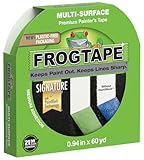
| Green FrogTape (Multi-Surface) | Good adhesion, often better for creating sharp lines than delicate surface tape. | Still a risk for residue on some plastics, needs careful removal. | Use when a very sharp line is most important, but test first. |
| Yellow Automotive Masking Tape | Designed for paint booths, high heat resistance, good for complex shapes. | Can be very aggressive adhesive, definitely leaves residue on most plastics. | Avoid unless you absolutely need its specific properties and are prepared for cleanup. |
Ultimately, always, always do a test patch. Find an inconspicuous area on the plastic item and apply a small strip of tape. Leave it for a day or two, then try peeling it off. This one simple step has saved me hours of frustration and expensive repairs more times than I can count.
The ‘why Not?’ Moments: Common Mistakes to Dodge
You’d think taping plastic would be straightforward, but nope. There are so many ways to screw this up, it’s almost an art form. The most common mistake I see, and honestly, one I’ve made myself countless times, is leaving the tape on for too long. We’ve all been there: you mask off something, get halfway through your project, life happens, and suddenly that tape has been on for a week. For most plastics, especially those exposed to sunlight or temperature fluctuations, this is a recipe for disaster. The adhesive basically bakes on, or worse, it starts to chemically bond with the plastic surface. Then you’re left with a stubborn residue or, even more terrifyingly, a permanently discolored or etched line.
Another biggie is pulling the tape off too quickly or at the wrong angle. Everyone wants that satisfying rip, but on plastic, a fast, jerky pull is more likely to yank off a bit of the surface finish or leave behind smeared adhesive. The proper technique, often cited by pros but rarely followed by weekend warriors like me, is to pull the tape slowly and at a sharp angle, ideally against the direction of the paint line you’re trying to preserve. This creates less stress on the adhesive and the surface. Think of it like peeling a stubborn sticker off a delicate item; you go slow, you go at an angle, and you’re constantly assessing.
Then there’s the ‘one-size-fits-all’ mentality. People see ‘painters tape’ and assume any blue tape will do. But as I’ve learned, there are huge variations. The cheap, no-name brands? They often use a more aggressive adhesive to make sure they stick to something, and that something can easily be the finish on your plastic. Conversely, some high-end tapes might have an adhesive that’s too gentle for certain applications, leading to bleed-through, which defeats the whole purpose of taping.
I once tried to mask off a plastic trim piece on my old car for a minor touch-up. I used some generic tape I had lying around. Not only did it leave a sticky mess, but it also managed to slightly dull the plastic’s sheen in a perfect rectangle. The sun had done its work, heating up the adhesive, and it basically ‘etched’ the surface over a weekend. It took hours of polishing with plastic restorer to even make it less noticeable. That’s the kind of mistake that makes you want to throw your tools across the garage.
The other mistake is not cleaning the plastic surface first. Dust, grease, or grime can interfere with the tape’s adhesion, leading to bleed-through. But more importantly, if you’re trying to remove sticky residue later, that grime can make the goo even harder to get off. A clean surface makes sure the tape adheres as intended, and also makes any cleanup much simpler.
Real-World Use: When and How to Tape Plastic
Okay, so we’ve established that it’s not a simple ‘yes.’ But when does it actually make sense to use painters tape on plastic, and how do you go about it without inviting disaster? The primary reason is, of course, to create a clean separation between two different finishes or colors. Think about painting the trim on a plastic window frame, or a plastic chair with a different colored seat and legs, or even detailing a plastic model. In these scenarios, a clean line is important for a professional-looking job. (See Also: Does Masking Tape Work The Same As Painters Tape )
My go-to scenario is painting outdoor plastic furniture. You know, the kind that’s been bleached by the sun and needs a refresh. Often, you want to paint the frame one color and the seat cushions (if they’re plastic) another. This is where a low-tack tape is your best friend.
I’ll usually clean the furniture thoroughly with soap and water, then a degreaser, making sure it’s completely dry. Then, I carefully apply the delicate surface tape along the edge where the two colors will meet.
I press it down firmly, especially along the edge that will define the paint line, to make sure a good seal. I’ll typically leave it for 24 hours, maximum, and remove it immediately after painting, while the paint is still wet or just tacky.
This is the golden rule for many surfaces, and it often holds true for plastic too. Pulling the tape while the paint is wet helps to break any small bonds that might have formed and reduces the chance of the paint lifting with the tape.
Another situation is masking off plastic parts during car detailing or minor repair work. For instance, if you’re spraying a small area of trim that’s plastic, you’ll want to protect the surrounding areas. Here again, a tape designed for automotive use or delicate surfaces is key. You don’t want to leave adhesive marks on your car’s paint or trim. I’ve used tape to mask off plastic headlight housings before polishing them, and the gentle adhesive was key for not scratching the plastic.
A contrarian opinion? Some people swear by using cheap, general-purpose masking tape for everything because it’s sticky. They argue that if you’re careful and pull it off right away, it’s fine. I disagree vehemently. That ‘stickiness’ is precisely what can damage plastic. While it might work on very solid, old, or industrial-grade plastics, for anything you care about, especially modern consumer goods with specific finishes, that aggressive adhesive is a gamble. The risk of residue or surface damage is just too high. It’s like using sandpaper to polish – technically it removes material, but it leaves a mess. The slight extra cost of a proper delicate surface tape is negligible compared to the cost and effort of fixing damaged plastic.
Here’s a practical approach I’ve adopted for tricky plastic edges:
- Clean the Surface: Always start with a clean, dry plastic surface. Use isopropyl alcohol for a final wipe-down to remove any oils or residue.
- Choose the Right Tape: Opt for a low-tack or delicate surface tape. Check the packaging for recommendations on plastic or vinyl.
- Test Patch: Apply a small strip in an inconspicuous area and leave it for at least 24 hours. Remove it to check for residue or damage.
- Apply Carefully: Press the tape down firmly, making sure a good seal along the edge where you want the paint line. Use a plastic spreader or your fingernail (gently!).
- Paint Promptly: Avoid leaving the tape on for extended periods. Ideally, paint and remove the tape within the same day.
- Remove Slowly and at an Angle: When removing, pull the tape back on itself slowly and at a sharp angle, away from the painted line.
- Address Residue Immediately: If any residue remains, use a dedicated residue remover (like Goo Gone or a specific plastic-safe solvent), not harsh chemicals.
Following these steps significantly increases your chances of a clean, damage-free result when working with plastic.
When Tape Is the Enemy: Alternatives to Consider
Look, I’m all for using the right tool for the job, and sometimes, painters tape on plastic just isn’t the right tool. If you’ve had bad experiences, or if you’re dealing with particularly delicate or expensive plastic items, it’s worth exploring alternatives. I’ve learned that sometimes, trying to force tape where it doesn’t want to go is more trouble than it’s worth. The biggest headache with tape on plastic is the residue, and there are ways to avoid that entirely.
One of the simplest alternatives, especially for straight lines on larger plastic surfaces, is a liquid mask or masking fluid. You paint or spray this liquid onto the areas you want to protect. Once it dries, it forms a rubbery film that you can peel off after you’re done painting. It’s fantastic for things like large plastic boat hulls, car parts, or even just masking off large sections of plastic sheeting. The downside is that it can be a bit messy to apply, and it’s not great for very intricate details or sharp, fine lines. Getting a perfectly crisp edge can be a challenge. (See Also: Does Painters Tape Peel Paint )
For very precise work, especially on models or small, detailed plastic items, using stencils is a far superior method. You can buy pre-made stencils or cut your own from stencil material. You simply place the stencil over the area you want to paint and spray or brush paint around the edges. This guarantees a perfect, clean line with zero risk of adhesive damage. It takes a bit more planning to create or position the stencil, but the results are usually flawless.
Another method, particularly for protecting large areas or entire plastic objects, is using plastic sheeting or drop cloths with painter’s tape to hold them in place, but only taping the sheeting to itself or to a drop cloth, not directly onto the plastic item you’re painting. This creates a protective barrier. You’d carefully position the plastic sheeting and then use tape to secure the edges of the sheeting to other sheeting or to a drop cloth on the floor, avoiding direct contact with the item being painted. This requires a bit more setup and might not be practical for smaller, intricate items, but for larger pieces, it’s a great way to prevent overspray without risking adhesive issues.
I once had to paint a intricate, multi-colored design on a plastic kayak. The curves were severe, and I knew tape would just peel or lift. I ended up using a combination of liquid mask for the larger sections and hand-painting the fine lines with a tiny brush. It was time-consuming, but the result was perfect, and there wasn’t a speck of residue or a scraped edge. It really taught me to assess the material and the complexity of the job before just grabbing the first roll of tape I see.
Sometimes, the ‘best’ solution is to rethink the process. If you’re painting a plastic chair, for example, and the legs are a different color from the seat, maybe it’s easier to disassemble it, paint the parts separately, and then reassemble. This avoids the need for tape altogether and often results in a cleaner finish with less risk of error.
Faq: Your Burning Questions Answered
Will Painters Tape Leave Residue on Plastic?
Yes, painters tape can definitely leave residue on plastic, especially if it’s left on for too long, exposed to heat, or if it’s a more aggressive adhesive formulation. Some cheaper tapes are more prone to this. Low-tack or delicate surface tapes are designed to minimize this risk, but a test patch is always recommended.
Can I Use Painters Tape on Car Plastic Trim?
It’s risky. While some automotive-specific tapes are designed for car surfaces, standard painters tape can leave residue or even damage the finish on plastic car trim. If you must use tape, opt for a low-tack tape designed for delicate surfaces and test it in an inconspicuous spot first. Removing it immediately after painting is also important.
What’s the Best Tape for Painting Plastic Furniture?
For painting plastic furniture, a low-tack or delicate surface painters tape is your best bet. These tapes are formulated to adhere gently, minimizing the risk of residue or pulling off paint. Brands like FrogTape Delicate Surface or 3M ScotchBlue Delicate Surface are good options. Always test on a small, hidden area first.
How Do I Remove Tape Residue From Plastic?
If you find tape residue on plastic, start with a gentle approach. Try using a soft cloth with warm, soapy water. If that doesn’t work, a product like Goo Gone, WD-40, or a dedicated adhesive remover can be effective. For stubborn residue, you might need a plastic-safe solvent, but always test it in an inconspicuous area first to avoid damaging the plastic. Rubbing alcohol can also sometimes work.
Verdict
So, to circle back to the big question: can you use painters tape on plastic? The answer is a qualified ‘yes,’ but it comes with a heap of caveats. It’s not a blanket endorsement. You need to be mindful of the plastic type, the tape’s adhesive, how long you leave it on, and the environmental conditions. I’ve learned to respect plastic as a surface that requires a gentler touch than, say, a primed wall. My personal rule is to always, always use a low-tack tape, test it, and remove it as soon as the paint is dry.
If you’re feeling gun-shy after reading this, and frankly, I wouldn’t blame you, consider the alternatives. Liquid masks, stencils, or even careful disassembly can often yield better results with less risk. Don’t let yourself get caught in a sticky situation. Choose wisely, test thoroughly, and proceed with caution.
Next time you’re faced with taping plastic, remember my tales of woe and joy. What’s your go-to tape for tricky surfaces? Let me know your secrets.