I remember the first time I slapped some cheap blue tape onto a freshly applied coat of Sharkhyde. I was trying to get a clean line on a project, thinking, ‘How hard can this be?’ Turns out, harder than I expected. That little experiment cost me a weekend of sanding and touch-ups. If you’re staring at a can of Sharkhyde and a roll of your favorite masking tape, wondering if they’ll play nice, you’re not alone.
The short answer to ‘can you use painters tape with sharkhyde’ is yes, but with some serious caveats. It’s not as simple as grabbing any old roll from the hardware store. I’ve learned this the hard way, and I’m here to tell you what actually works and what’s just a recipe for peeling, lifting, and a whole lot of frustration.
Why Your Regular Painters Tape Might Be a Sharkhyde Nightmare
Let’s get straight to it. Sharkhyde isn’t your average paint or coating. It’s a tough, often semi-flexible membrane that cures into something pretty resilient. Think bedliner for trucks, or a protective coating for tool handles.
Because of its durable nature, it bonds aggressively. When you try to pull off standard painters tape – the kind you use for latex walls – it can sometimes take a layer of Sharkhyde with it. I’ve seen this happen on a project where I was trying to mask off a section of a plastic boat trailer fender.
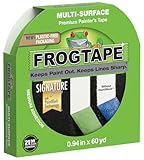
I used my go-to FrogTape, thinking it would be gentle enough. Big mistake. As I pulled it off, the tape didn’t just lift; it ripped a jagged, uneven line right through the freshly cured Sharkhyde.
It looked like a toddler had attacked it with a crayon. That was a ‘lesson learned’ moment, costing me about three hours of rework and a good chunk of my patience.
The common advice you’ll find online, if you dig deep enough, often suggests that any good quality painters tape will work. I disagree. ‘Good quality’ means different things to different people. What’s good for delicate wallpaper is often too aggressive for a tough coating like Sharkhyde. The adhesive on standard blue or green tape can be too strong, designed to adhere to painted drywall without damaging it. But Sharkhyde? It cures into a surface that’s a whole different beast. It’s less about the tape’s ‘quality’ and more about its adhesive’s formulation and tack. You need something that grips just enough to create a seal but releases cleanly without tearing into the cured coating.
Another factor is the curing time. Sharkhyde needs to be fully cured, not just dry to the touch. If you pull tape off too early, even a weak adhesive can pull up the semi-cured coating, creating a gummy mess. I learned this when I tried to do a two-tone effect on a set of ATV racks. I pulled the tape off about 12 hours after the second coat, and it was like pulling sticky taffy. The tape basically fused with the Sharkhyde. Patience, my friends. That’s more important than the brand of tape you choose. (See Also: Does Painters Tape Rip Paint Off Walls )
What to Look for: The Tape That Won’t Betray You
So, if your usual suspects are out, what do you reach for? You’re looking for a tape with a low-tack adhesive and a formulation designed for delicate surfaces or freshly painted areas. Think of it as a gentle hug, not a vice grip. The best contenders are usually labeled as ‘delicate surface tape,’ ‘low-tack masking tape,’ or sometimes even ‘painter’s tape for art canvases.’ These tapes are specifically engineered to stick without damaging what they’re stuck to. They often use a less aggressive acrylic adhesive.
A specific type of tape that has saved my bacon more times than I can count is the 3M blue painter’s tape designed for delicate surfaces. It’s not the standard blue tape you see everywhere. It has a thinner backing and a noticeably less sticky adhesive. I’ve used it successfully on everything from automotive trim to painted wood furniture that I didn’t want to risk damaging. Another brand worth mentioning, if you can find it, is FrogTape’s Delicate Surface painter’s tape. They make a standard FrogTape that’s great for sharp lines on walls, but their delicate version is a different animal entirely. It’s designed to prevent paint bleed with sensitive surfaces, which translates to a cleaner release from tough coatings.
When you’re shopping, don’t just grab the cheapest roll. That’s usually the first sign it’s going to be trouble. Look at the packaging. Does it mention ‘low tack’? ‘Gentle adhesion’? ‘For delicate surfaces’? These are your keywords. Sometimes, even the color can be a hint – delicate surface tapes are often blue or green, but the label is more important than the color. I once bought a generic brand of ‘blue tape’ that felt almost sticky like duct tape. Never again.
Here’s a little breakdown of what I look for and why:
| Tape Feature | Why it Matters for Sharkhyde | My Verdict |
|---|---|---|
| Low Tack Adhesive | Minimizes the risk of pulling up cured Sharkhyde. Key for clean lines. | Must-have |
| Delicate Surface Formulation | Designed to release cleanly from sensitive or freshly coated materials. | Highly Recommended |
| Thinner Backing | Less likely to leave heavy adhesive residue or snag on imperfections. | Good to have |
| UV Resistance (for exterior use) | Makes sure the tape doesn’t degrade and leave residue when exposed to sunlight. | Important for outdoor projects |
| Standard High-Tack Tape | Too aggressive; likely to lift or damage Sharkhyde. | Avoid! |
Common Mistakes and How to Sidestep Them
The biggest mistake people make, myself included, is assuming all painters tape is created equal. They grab a roll of their go-to blue tape, slap it on, and expect perfection. This is where the real trouble starts. You need to understand that Sharkhyde is a very durable coating that forms a strong bond. Its adhesion is a feature, not a bug, but it means you have to be careful when removing anything stuck to it.
Another massive error is impatience. You’ve just applied your Sharkhyde, maybe even a second coat, and you’re eager to get the next color on or finish the masking. You pull the tape too soon. The Sharkhyde might feel dry, but it’s not fully cured and hardened. The adhesive from the tape grabs onto the semi-cured surface, and when you pull, it stretches, tears, and leaves a gummy residue that’s a nightmare to clean up. I’ve spent hours trying to carefully pick off tiny bits of Sharkhyde that were fused to the tape’s adhesive. Trust me, waiting an extra 12-24 hours for a full cure is way better than spending hours on remedial work.
Over-pressing the tape is another sin. When you apply painters tape, you often press down firmly along the edges to create a good seal and prevent bleed-through. With Sharkhyde, this can actually make the problem worse. If the tape is too aggressive, pressing it down harder only increases the chance that it will bond too strongly. Instead of pressing down hard, you want to apply it with moderate pressure, focusing on getting a good seal without forcing the adhesive into the Sharkhyde. Sometimes, a lighter touch is more effective. I’ve found that applying the tape and then gently running a fingernail or a plastic spreader lightly along the edge is enough to seal it without overdoing it. (See Also: Does Masking Tape Work The Same As Painters Tape )
Finally, not doing a test patch. Before you commit to masking an entire project, grab a scrap piece of whatever you’ve coated with Sharkhyde. Apply a small strip of your chosen tape, let it sit for the duration you expect it to be on the main project, and then carefully peel it off. This small step can save you a world of hurt. It will show you if the tape is too aggressive, if the Sharkhyde is fully cured, or if you’re using the wrong type of tape altogether. It takes five minutes and can prevent hours of frustration.
Real-World Applications: Where This Matters
So, where do you actually encounter situations where you’re using tape with Sharkhyde? It’s more common than you might think. For me, it’s usually on custom automotive projects. Think about spraying a bedliner material on a truck bed or fender flares. You want a clean transition between the bedliner and the painted body panels. Using the wrong tape here can ruin the crisp line you’re aiming for. I once helped a buddy spray his truck bed with a Rhino Liner-type product, and we used standard blue tape to mask off the cab. The result? A ripped edge that took us nearly a full day to fix, involving sanding down and re-spraying.
Another common use is on ATVs, UTVs, and motorcycles. People often coat fenders, bumpers, or even the entire body of an off-road vehicle with a tough, protective coating like Sharkhyde for durability. Masking off sections for different colors or graphics, or to protect parts you don’t want coated, is a frequent requirement. If you’re doing a custom paint job on a dirt bike frame that’s been coated, you absolutely need the right tape to avoid damaging the frame’s finish. The surfaces can be curved, textured, and subject to vibration, all of which add complexity.
I’ve also used Sharkhyde-like coatings on tool handles, gun stocks, and even RV exterior trim. In all these cases, if I need to mask off a specific area – maybe to leave a metal grip exposed on a tool, or to create a stripe effect on an RV panel – the tape choice becomes most important. The surface might be metal, plastic, or even wood that’s been treated. The key is that Sharkhyde forms a strong, often somewhat flexible, layer. If you’re painting a toolbox and want to mask off the handles that you’ve coated in a durable rubberized spray, you’re going to need a tape that respects that coating.
It’s not just about aesthetics either. Sometimes, you need to mask off areas for structural reasons, or to prevent coating from getting into sensitive mechanical parts. Imagine you’re coating a boat trailer frame with Sharkhyde for rust protection. You’ll need to mask off the wheel hubs and any electrical connectors. If your tape rips or leaves residue, it can cause bigger problems than just a bad line. This is where understanding the interaction between the tape and the coating is absolutely vital.
Practical Tips for a Clean Finish
Alright, let’s talk brass tacks. You’ve got your Sharkhyde, you’ve picked out some decent low-tack tape, and you’re ready to mask. What’s the game plan? First, always, always, always make sure the Sharkhyde is fully cured. I cannot stress this enough. Check the manufacturer’s instructions for their specific product, but generally, ‘dry to the touch’ is not ‘fully cured.’ If you can still dent it with a fingernail, or if it feels slightly soft, give it more time. I usually err on the side of caution and wait at least 24 hours, sometimes 48, depending on temperature and humidity.
When applying the tape, use gentle, even pressure. Don’t stretch the tape as you apply it, as this can cause it to lift unevenly later. Lay it down smoothly. For important lines, after applying the tape, run a plastic spreader, a credit card edge, or even a fingernail lightly along the edge where the tape meets the Sharkhyde. The goal is to create a good seal without pressing the adhesive down so hard that it digs into the coating. Think ‘firm seal,’ not ‘cemented bond.’ (See Also: Does Painters Tape Peel Paint )
To remove the tape, do it slowly and at an angle. Pull the tape back on itself at a sharp angle (around 45 degrees is often good), rather than pulling straight up. This helps to break the seal cleanly. Pulling slowly allows you to see if the Sharkhyde is starting to lift and gives you a chance to stop or adjust. If you feel significant resistance, stop pulling and check the connection. Sometimes, gently scoring the edge of the tape with a craft knife (carefully, so you don’t cut into the Sharkhyde itself!) can help create a clean separation point.
After you’ve removed the tape, inspect the edge. If there’s any slight bleed or fuzziness, you can often clean it up with a damp cloth or a bit of denatured alcohol on a rag. For more stubborn residue, a plastic razor blade held at a low angle can sometimes lift it without damaging the underlying coating. And remember that test patch I mentioned? Do it. Seriously. It’s your best friend in preventing disaster.
Faq: Your Burning Questions Answered
Can I Use Regular Blue Painters Tape with Sharkhyde?
Technically, you can try, but it’s a gamble and often leads to problems. Regular blue painters tape usually has an adhesive that’s too strong for the durable, bonded surface of cured Sharkhyde. You risk lifting the coating, creating jagged edges, or leaving behind sticky residue. It’s generally not recommended for clean, precise lines.
What Kind of Tape Is Best for Sharkhyde?
The best tape for Sharkhyde is a low-tack or delicate surface painter’s tape. These tapes are designed with a gentler adhesive that adheres just enough to create a seal but releases cleanly without damaging the underlying surface. Look for terms like ‘delicate surface,’ ‘low tack,’ or ‘for freshly painted surfaces’ on the packaging.
How Long Should I Wait Before Removing Tape From Sharkhyde?
You need to wait for the Sharkhyde to be fully cured, not just dry to the touch. This often means waiting at least 24 hours, and sometimes up to 48 hours, depending on the specific product and environmental conditions. Removing tape too early is a common mistake that leads to the tape lifting the semi-cured coating.
What If the Tape Leaves Residue on Sharkhyde?
If you get residue, try gently wiping it with a clean, damp cloth. For tougher residue, a small amount of denatured alcohol on a rag can often dissolve it. A plastic razor blade held at a very low angle can also help lift residue without scratching the Sharkhyde. Always test any cleaning agent in an inconspicuous spot first.
Can I Use Masking Tape with Sharkhyde?
Standard masking tape is generally too aggressive for use with Sharkhyde. It’s designed for stronger adhesion and is very likely to pull up the Sharkhyde coating when removed, causing damage and an uneven finish. Stick to low-tack or delicate surface painter’s tapes for best results.
Final Verdict
So, to circle back to the core question: can you use painters tape with Sharkhyde? Yes, you can, but you absolutely must use the right kind. Grabbing any old roll from the garage is asking for trouble. I’ve learned that patience and the correct low-tack, delicate surface tape are a must if you want a clean finish. Don’t let a cheap roll of tape sabotage your hard work.
My final word on this? Invest in a good quality delicate surface tape. It’s a small price to pay for avoiding hours of sanding, touch-ups, and the sheer frustration of a messed-up line. Your project deserves it, and your sanity will thank you later. Always do a test patch, wait for full cure, and remove slowly.