
There I was, elbow-deep in my iPhone 7, trying to replace a crummy battery. Suddenly, I hit a wall. One of those tiny little tri-tip screws, the ones Apple uses to hold everything together like a microscopic fortress, just wouldn’t budge. It was like it was cemented in place. I’d stripped the head just enough to make a screwdriver useless. Honestly, I was ready to toss the whole thing out the window. If you’re staring at a stubbornly stuck tri-tip screw on your iPhone 7 and thinking ‘I can’t get the tri tip screw out of iPhone 7,’ trust me, I’ve been there.
It’s a frustration that can stop a repair dead in its tracks, making you question every DIY decision you’ve ever made. But before you give up and shell out for an expensive repair or a new phone, there are a few tricks that actually work. We’re not talking about fancy, corporate-approved methods here, but the dirt-under-the-fingernails stuff that saves you money and a headache.
When the Tiny Screwdriver Fails Miserably
The iPhone 7, bless its aging heart, uses these Pentalobe screws, specifically P2 size for the bottom ones. They look like a star with three points, hence the ‘tri-tip’ confusion sometimes.
They’re designed to keep you out, plain and simple. When you’re trying to get inside for a battery swap or a screen repair, and one of these little guys decides it’s had enough of being turned, you’re in for a fight.
I remember the first time this happened to me. I’d bought a cheap toolkit online, the kind that looks like it was made of pot metal. The screwdriver bits were so soft, the first time I put any real torque on that screw, it just rounded over. It went from a nice, clean star shape to a sad, smooth pit.
My heart sank. I’d paid about $25 for that kit, and it was already useless.
The real issue isn’t just having the right screwdriver; it’s about having one that’s made of decent steel and fits perfectly. Generic bits or worn-out drivers are a recipe for stripped screws.
These aren’t like Phillips head screws where you can sometimes get away with a slightly off-size bit. The Pentalobe system is precise. If your driver isn’t a perfect match, you’re basically grinding down the screw head with every turn.
I’ve since learned that investing in a good quality repair kit, even if it’s a bit pricier upfront, saves you a ton of grief. Brands like iFixit or even some of the more reputable generic brands on Amazon offer bits that are hardened steel and designed for these specific phone screws. It’s not a glamorous part of the process, but it’s the foundation for success when you can’t get the tri tip screw out of iPhone 7.
Often, the problem isn’t the screw itself, but how it’s seated. Sometimes, a tiny bit of grime or even a microscopic burr on the screw or the threading in the phone’s chassis can cause it to bind. You might be applying force, but it’s not actually turning. It’s a bit like trying to unscrew a bolt that’s rusted solid. You can crank on it, but it’s not going anywhere until you break that initial resistance. When that happens, brute force with a worn-out tool just makes it worse.
The ‘oh Crap, I Stripped It’ Fixes
Okay, so the screwdriver failed, and the screw head is now more of a vague impression than a functional star. Don’t panic. This is where the real MacGyver stuff comes in, and some of it is surprisingly effective. (See Also: How To Fix Eyeglasses Arm Without Screw )
One of the first things I learned to try, and it’s saved me more times than I can count, is using a bit of rubber to get extra grip. That old trick of putting a wide rubber band over the stripped screw head and then pressing down firmly with your screwdriver? It sounds goofy, but it works surprisingly often. The rubber fills in the stripped-out bits of the screw head, giving the screwdriver something to bite into.
It’s not a miracle cure for a totally obliterated screw, but for one that’s just started to round off, it can be a lifesaver. I’ve used everything from a thick rubber band you get with broccoli to the edge of a latex glove. The key is to use enough material to create a new, albeit temporary, grip surface.
Another method, and this is one for when the rubber band isn’t cutting it, is using a tiny bit of super glue or even a dab of strong epoxy. This is a bit more permanent and requires more finesse.
You take your Pentalobe screwdriver, put a tiny drop of super glue on the tip (emphasis on tiny – you don’t want to glue your screwdriver to your phone permanently!), and then carefully press it into the stripped screw head. Let it cure for a good 10-15 minutes. Once it’s solid, you can try unscrewing it.
The glue acts like a custom-fit driver. I’ve had mixed success with this; sometimes it works like a charm, and other times the bond breaks before the screw loosens. It’s definitely a last resort before you start thinking about more destructive methods. You have to be incredibly careful not to get glue anywhere else.
My personal anecdote here: I once had a screw that was so stubborn, I tried the super glue method. I let it cure overnight, feeling super confident. When I went to turn it, the glue held, but the entire screw just twisted off at the base, leaving the threaded part stuck in the phone. That was a new level of ‘oh crap’. It took a much more involved extraction process to get that out. So, while glue can work, it adds a new layer of potential problems if the screw is really seized.
DIY Screw Extraction Tool
If you’re feeling ambitious, you can actually make your own screw extractor. This involves taking a cheap screwdriver bit, preferably one you don’t care about, and grinding down one of the edges slightly to create a sharper, more aggressive point. You then try to use this modified bit to dig into the remaining metal of the screw head and turn it. It’s a bit like creating a makeshift hook. I’ve seen people use Dremel tools with tiny grinding bits for this, but you can also do it with a fine-grit sandpaper or a small metal file if you’re patient. The goal is to create a surface that can catch any remaining bit of the screw head and use it out.
| Method | Pros | Cons | Verdict |
|---|---|---|---|
| Rubber Band | Cheap, easy, non-damaging | Only works on mildly stripped screws | Good first attempt for minor stripping |
| Super Glue | Can provide strong grip | Risky, can permanently bond driver or break screw | Use with extreme caution, last resort before destructive methods |
| DIY Extractor | Potentially effective for severely stripped screws | Requires tools, can be time-consuming, risk of further damage | For determined DIYers with patience |
| Heat (carefully!) | Can expand metal, break corrosion | High risk of damaging phone components | Generally not recommended for iPhone 7 due to delicate parts |
When to Call It Quits and Get Professional Help
Look, I’m all for saving a buck and the satisfaction of fixing things yourself. But there comes a point where the risk outweighs the reward. If you’ve tried the rubber band trick, the glue trick, and you’re still staring at a mangled screw head, it might be time to swallow your pride and your budget a little. Trying to force it further can easily damage the delicate logic board or the surrounding components of your iPhone 7. I once accidentally poked a hole in the battery casing trying to force a screw out, which is a big no-no. Batteries can be surprisingly volatile if punctured.
There are professional repair shops that specialize in phones. For a fee, they have access to much more specialized tools and techniques. They can use micro-drills, ultrasonic cleaners, and have a wealth of experience dealing with these exact kinds of stubborn fasteners.
Some of these shops even offer mail-in repair services, which can be convenient. It’s definitely more expensive than a DIY fix, but it’s usually cheaper than buying a new phone. When I faced that situation with the screw that snapped off at the base, I ended up taking it to a local shop. They charged me $40 to extract it and replace the battery. (See Also: How Measure Metric Computer Screws )
For me, at that point, it was worth every penny to avoid frying my phone completely. You’re not admitting defeat; you’re making a smart decision based on skill and tools.
The common advice you’ll hear is ‘just buy a better screwdriver.’ While that’s true for prevention, it’s often not enough once a screw is already damaged. It’s like telling someone who’s already crashed their car to ‘drive more carefully’ next time. We need solutions for the mess we’re currently in. I’ve seen people suggest drilling out the screw, but honestly, for an iPhone 7, the risk of drilling too deep and hitting something vital is incredibly high. The internal components are packed in there tighter than sardines. Unless you’re a seasoned professional with a microscope and incredibly steady hands, I’d steer clear of that.
When Should You Consider Professional Repair?
If you’ve spent over an hour trying to remove a single screw, if the screw head is completely mangled, or if you’re just not comfortable with the risk of causing further damage, it’s time to consider professional help. The cost of a professional repair is usually less than buying a new phone, and they have the expertise and tools to handle these tricky situations without making things worse.
The Right Tools for the Job (and What to Avoid)
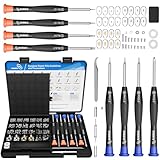
Let’s talk tools, because this is where so many people, myself included early on, go wrong. When you’re tackling an iPhone 7, you need Pentalobe P2 screwdrivers. These are the tiny ones with the three-pointed star. Don’t just grab any screwdriver that looks similar. You need a driver that is precisely sized and made of good quality steel. Cheap tools will strip the screw heads, turning a minor inconvenience into a major headache. I learned this the hard way. My first kit cost around $15 and the bits felt soft, almost like they were made of hardened plastic. They deformed after just a few turns. That was a wake-up call.
Brands like iFixit are generally reliable for phone repair tools. They offer kits with hardened steel bits that fit snugly. Even if a kit is $30-$40, it’s often worth it because the bits last and they actually work. Look for kits that specifically mention Pentalobe P2 drivers. Beyond the screwdriver itself, having a good set of tweezers is also key. You’ll need them to hold the tiny screws once they’re out, and sometimes to help gently nudge a stubborn screw if it’s not fully seated.
What to avoid? Those super-cheap, all-in-one “universal” repair kits you find online for under $10. They often contain a mix of low-quality bits that are either too small or too large for the specific screws in your iPhone 7. Also, avoid using anything that isn’t designed for electronics repair. Trying to use a regular household screwdriver or a knife edge to try and force a stripped screw will almost certainly cause more damage than it solves. The metal on those is too soft, and the tips are too blunt. You’re not going to get the precision you need.
Another thing to be aware of is the pressure you apply. When you’re using a good quality screwdriver, you want firm, steady pressure, but you don’t want to be forcing it with all your might. Excessive force, especially on a stripped screw, will only make the head worse. Think of it as a controlled turn, not a wrestling match. The goal is to engage the screw head and turn it smoothly. If you feel it slipping or grinding, stop. Reassess. Sometimes, backing off and trying a slightly different angle or more downward pressure can help, but never force it to the point where you feel like you’re about to break something.
iPhone 7 Screw Comparison
| Screw Type | Location | Size | Notes |
|---|---|---|---|
| Pentalobe P2 | Bottom of phone (charging port area) | ~1.3mm tip | Most common screw people struggle with when doing repairs. |
| Phillips #000 | Internal components (battery connector, screen brackets, logic board) | ~1.5mm | Requires very small Phillips head; can also strip easily if low quality. |
| Standoff Screws | Various internal mounts | Varying sizes | Less common for user-replaceable parts, often require specialized bits. |
This table shows that the Pentalobe P2 is the culprit for the ‘tri-tip’ issue. The Phillips screws are also tiny and can be a pain, but the Pentalobe is specifically designed to be difficult to remove without the right tool. The key takeaway is that the tool must match the screw head precisely.
The Heat (and Cold) Trick: Use with Extreme Caution
Now, this is where we get into the slightly more advanced, and potentially riskier, territory. Sometimes, screws get stuck because of corrosion, thread locker, or just being incredibly tight. Applying a small amount of heat can sometimes expand the metal slightly, breaking that bond. Conversely, a quick burst of cold can contract it. For electronics, this is a delicate dance. You absolutely do not want to go blasting your iPhone 7 with a heat gun. That’s a surefire way to destroy it. We’re talking about very localized, controlled application of heat.
One method involves using the tip of a soldering iron. You can gently touch the tip of the soldering iron to the head of the stubborn screw for a few seconds. The idea is to transfer just enough heat to the screw itself without overheating the surrounding components. Then, let it cool for a moment before trying to unscrew it. This can sometimes help loosen it. I’ve only had to resort to this a couple of times, and it requires a steady hand and a good understanding of where not to apply heat. The battery is particularly sensitive to heat, so extreme caution is advised if the screw is near it. (See Also: How To Adjust Eyeglass Screw )
The cold method is similar in principle but uses a can of compressed air held upside down to spray a freezing liquid onto the screw head. Again, the goal is localized cooling. The rapid temperature change can sometimes shock the threads loose. This is also risky. You have to be careful not to spray the liquid onto other components or the screen, as extreme cold can also cause damage. It’s a bit of a gamble, and honestly, I find the heat method, when done very carefully, to be slightly more predictable for metal-to-metal adhesion issues than the cold method.
My personal experience with heat: I had an old iPad that had a screw seized in a plastic housing. I used the very tip of a low-wattage soldering iron, just kissing the screw head for about 5 seconds. It cooled, and then it turned. It worked. But I was terrified the whole time. With an iPhone, the density of components means the risk is much higher. So, while these tricks exist, I’d put them very low on the list of things to try, after all the more conventional methods have failed and you’re willing to accept a higher risk of damage.
Frequently Asked Questions About iPhone 7 Screw Issues
Why Are iPhone 7 Tri-Tip Screws So Hard to Remove?
The tri-tip screws (Pentalobe P2) are designed by Apple to be tamper-resistant. They require a specific Pentalobe screwdriver bit, and they are made to be snug to make sure the device is sealed. If the wrong tool is used, or if the screw is overtightened or cross-threaded during assembly, it can become very difficult to remove, leading to stripped heads.
What Is the Best Screwdriver for iPhone 7 Pentalobe Screws?
For Pentalobe P2 screws found on the iPhone 7, you need a Pentalobe P2 screwdriver. High-quality, hardened steel bits from reputable brands like iFixit are recommended. These make sure a precise fit and reduce the risk of stripping the screw head compared to generic or low-quality tools.
Can I Use a Regular Screwdriver If I Don’t Have a Pentalobe?
No, it’s highly unadvisable. A regular Phillips or flathead screwdriver will not properly engage the Pentalobe screw head. Attempting to use one will almost certainly strip the screw head, making it much harder, if not impossible, to remove with the correct tool later on.
What Should I Do If I Strip the iPhone 7 Pentalobe Screw?
If you strip the screw head, try using a wide rubber band placed over the screw and then applying the screwdriver firmly. If that doesn’t work, a tiny dab of super glue on the screwdriver tip (let it cure) can sometimes work. As a last resort, professional repair services have specialized extraction tools.
Is It Safe to Heat a Stuck iPhone 7 Screw?
Heating a stuck iPhone 7 screw should only be done with extreme caution and as a last resort. Using a low-wattage soldering iron to very briefly touch the screw head can sometimes help, but there’s a significant risk of damaging delicate internal components, especially the battery. Avoid excessive heat at all costs.
Verdict
So, you’re stuck with a stripped Pentalobe screw on your iPhone 7. It happens. I’ve been there, staring at a tiny metal problem that feels like an insurmountable obstacle. The key is patience and the right approach. Don’t let that one stubborn screw make you think you can’t get the tri tip screw out of iPhone 7.
Start with the simple stuff: a good quality Pentalobe P2 driver, firm but controlled pressure, and maybe that old rubber band trick. If those fail, you can consider the super glue method with extreme care, or if you’re really brave, the soldering iron trick. But remember, these are risky.
Ultimately, if you’ve tried the DIY fixes and you’re still no closer, it’s okay to hand it over to a professional. They have the tools and experience to get that screw out without wrecking your phone. Sometimes, the smartest fix is knowing when to call in the cavalry.
![AXTH 25-in-1 Small Precision Screwdriver Set, Professional Magnetic Mini Repair Tool Kit for Phone, Computer, Watch, Laptop, Macbook, Ring Doorbell, Eyeglass, Electronic, [Bearing Steel] Screw Driver](https://m.media-amazon.com/images/I/518YlLmPTcL._SL160_.jpg)
