
I remember the first time I broke my glasses. Not the whole frame, mind you, just one of those tiny screws holding the arm to the lens. I figured, ‘No biggie, I’ll just grab a screwdriver and fix it.’ Famous last words. I rummaged through my toolbox, pulled out what looked like the right size, and proceeded to strip the screw head in about three seconds flat. That’s when the sinking feeling hit: do all glasses use the same screws? The answer, as I learned the hard way, is a resounding no. It’s a little more complicated than just grabbing the smallest thing in your precision screwdriver set.
People tend to think of glasses as simple objects, but the engineering that goes into them, especially the microscopic hardware, is surprisingly varied. If you’ve ever tried to replace a lost screw and ended up with a wobbly arm or a stripped socket, you’re not alone. This whole ordeal got me thinking about what actually goes into keeping your spectacles in place.
The Tiny Titan: Why Those Little Screws Matter So Much
Look, I’m a guy who loves getting his hands dirty. Building decks, fixing leaky faucets, you name it. So when a screw on my favorite pair of reading glasses decided to bail on me, I thought, ‘Piece of cake.’ I grabbed my trusty multi-tool, the one with all the little interchangeable bits.
It has a slot labeled ‘eyeglass’ or some such nonsense. I jammed it in, gave it a twist, and heard that sickening little crunch.
The screw head was mangled, and the hole felt… wrong. I’d never really considered the engineering behind something so small, but that little screw holds a lot of weight, literally and figuratively.
It’s responsible for the structural integrity of your eyewear, keeping the hinge secure and the arms properly aligned. A loose screw can mean constantly pushing your glasses up your nose, and a stripped one can render them unwearable until repaired. The material, the thread pitch, the head type – it all plays a role.
It’s not just a piece of metal; it’s a precision component. My initial thought that do all glasses use the same screws was a naive one, born from a lack of appreciation for the fine mechanics involved.
It’s like assuming all nails are the same size. You wouldn’t use a finishing nail to frame a house, and you shouldn’t treat eyeglass screws as interchangeable.
The common advice you’ll find online is usually about buying a generic eyeglass repair kit. And sure, for some very basic, mass-produced frames, one of those might work in a pinch.
But I’ve wasted more money on those cheap kits than I care to admit. They’re filled with screws that look almost right, but the threads are off, or the head is too thick, or it’s made of some soft metal that strips if you look at it too hard. I once bought a kit for about $15 that had about 200 pieces. Sounded like a deal, right?
Turns out, maybe 10 of them were actually usable for my specific frames. The rest were either too big, too small, or the wrong thread pattern entirely. The frustration of trying screw after screw, only to have the arm still loose or the screw not catching, is infuriating. It’s a classic case of ‘buy cheap, buy twice,’ or in my case, ‘buy cheap, buy three times and still not have it fixed.’
The actual manufacturing of eyeglass frames involves precise tolerances, and the screws are designed to match those tolerances exactly. Mass-produced kits are often a compromise, and when it comes to your vision, compromise isn’t ideal.
The real problem is that ‘eyeglass screw’ is a broad category. You have different types of frames: plastic, metal, titanium, rimless.
Each requires different considerations. Plastic frames often have slightly larger, more solid screws that thread directly into the plastic or a tiny metal insert.
Metal frames, especially the thinner wire-rimmed ones, use incredibly fine threads and often have tiny nuts to secure them. Rimless frames?
They’re a whole other beast, often using special grommets and very specific screw designs to hold the lens securely without crushing it. My first pair of titanium frames, which were quite expensive, used a screw so small I swear it looked like it was made for a watch. (See Also: How To Fix Eyeglasses Arm Without Screw )
And guess what? My generic kit didn’t have anything close. It’s a lesson in appreciating the subtle differences that make a big impact.
The common wisdom that you can just pop into any optician and get a quick fix is often true, but that’s because they have specialized tools and a drawer full of hundreds of different screws, not because all screws are the same. They have the correct ones.
So, before you go hunting for a replacement screw, take a good, hard look at what you’ve got. Magnification helps. A small flashlight is your friend. And understanding the basic types of screws you might encounter will save you a lot of grief. The question do all glasses use the same screws is the first one you need to answer, and the answer is almost certainly ‘no’.
The Anatomy of a Tiny Screw: What Makes Them Different?
Let’s break down why, no, do all glasses use the same screws is a question that deserves a firm ‘absolutely not.’ It’s all in the details.
First off, there’s the head. You’ll see Phillips heads (the cross shape), but more commonly with glasses, you’ll find slotted heads (a single line) or even tiny hex (Allen) heads. The size of the head itself varies – some are designed to sit flush, others have a slight dome.
Then you have the shaft. This is where thread pitch comes into play.
This is the most important difference. Some screws have very fine threads, meaning there are many threads packed closely together.
These are typically for metal frames where the screw goes into a very small, precisely machined hole. Other screws have coarser threads, with wider gaps between them. These are often used in plastic frames, where the threads bite into the plastic material itself. Trying to use a fine-thread screw in a coarse-thread hole (or vice-versa) is a recipe for stripped threads, either in the frame or on the screw itself, rendering it useless.
The length of the screw is another factor. Too short, and it won’t engage enough threads to be secure. Too long, and it might poke out where it shouldn’t, potentially scratching your face or the lens. I once accidentally used a screw that was maybe a millimeter too long on a pair of metal frames. It created a tiny gap between the hinge and the frame temple, which meant the arm sat at a slightly odd angle. It wasn’t catastrophic, but it was annoying and put uneven pressure on the lens. I’d be willing to bet that most people don’t even notice these subtle differences until something goes wrong, and then they’re left scratching their heads.
Then there’s the material. Most eyeglass screws are made from brass, stainless steel, or sometimes titanium. Brass is common and relatively inexpensive, but it can be softer and more prone to stripping than steel. Stainless steel is a good balance of strength and corrosion resistance. Titanium is lightweight and strong, often found in higher-end frames, but it’s also more expensive and requires specialized tools to work with if you’re not careful. The coatings on these screws can also vary, affecting their appearance and how they interact with the frame material.
For rimless or semi-rimless frames, the screw situation gets even more specialized. These often use tiny screws that pass through a drilled hole in the lens. They usually come with a small plastic or nylon washer (a grommet) that sits between the lens and the screw head or nut.
This grommet is important – it prevents the screw from directly touching and potentially cracking the lens. The screw itself might be designed with a specific shoulder or a flat head to sit perfectly against the lens. My first encounter with rimless frames involved a screw that was too long, and without the proper grommet, I ended up with a tiny crack radiating from the screw hole after just a few days.
That was a costly mistake, proving that the ‘right’ screw isn’t just about threading; it’s about the whole system. It’s these little details that make the difference between a secure frame and a broken pair of glasses. The variety is honestly staggering once you start looking closely.
What to Look for When You Need a Replacement Screw
Okay, so you’ve got a loose screw, or worse, one has vanished into the ether. What do you do? First, and I can’t stress this enough, DO NOT DISCARD THE REMAINING SCREW IF POSSIBLE. If the other arm still has its screw intact, that’s your golden ticket. Take it to an optician or a reputable glasses repair shop. They have specialized drawers filled with hundreds of different screw types and sizes. They can usually match it perfectly in minutes. This is the easiest and most reliable way to get the right screw. They’ll also have the tiny, specialized screwdrivers needed to install it without further damaging your frames.
If you’re determined to do it yourself, or if you can’t get to an optician easily, you need to be observant. Grab a magnifying glass and your phone’s camera with the flash. Get up close to the screw that’s still in the frame (or the hole where it used to be). Look at: (See Also: How Measure Metric Computer Screws )
- Head Type: Is it slotted, Phillips, or hex?
- Head Size and Shape: Is it flat, domed, or countersunk (sits flush)? How wide is the head?
- Shaft Diameter: This is tough to measure precisely without calipers, but get a general sense. Is it very thin, like a needle, or a bit thicker?
- Thread Pitch: Again, hard to measure, but look at the distance between the threads. Are they very fine and close together, or are they wider apart? Compare it to other screws you have lying around (though be careful not to mix them up).
- Shaft Length: How much of the screw shaft is actually visible when it’s in the frame?
Many online eyeglass repair kits will have charts or diagrams that show the different screw sizes they offer. You’ll need to try and match your existing screw to their descriptions. This is where the cheap kits often fall short – the descriptions are vague, or the actual screws don’t match the diagrams. I’ve found that kits specifically marketed for metal frames or plastic frames tend to be more useful than a ‘one-size-fits-all’ approach.
A little tip that has saved me headaches: when you get a new pair of glasses, ask the optician if they can give you a spare screw for your specific model. Some might, some won’t, but it’s worth asking. Another tactic is to buy a small, high-quality repair kit from a brand that’s known for good tools, even if it costs a bit more. I ended up buying a specific kit for my titanium frames for about $40, and it contained only about 20 screws, but they were all perfectly matched and made of quality material. It was worth every penny compared to the frustration of cheap alternatives.
When it comes to rimless glasses, you’re often looking for specific kits designed for them, as the screws and washers are often unique. These kits will usually include the lens grommets as well. Trying to jury-rig a solution for rimless glasses is a fast track to a cracked lens. So, be observant, be patient, and if in doubt, always go to a professional. They’ve seen it all before and have the right tools.
Common Mistakes and How to Avoid Them
The biggest mistake people make, myself included, is assuming that do all glasses use the same screws and that any tiny screw will do. This leads to a cascade of problems. First, you strip the screw head, making it impossible to remove without damaging the frame. I can’t tell you how many times I’ve seen a screw head turn into a smooth, rounded-out mess because I used the wrong screwdriver bit or applied too much force. It’s frustrating because you end up with a stuck screw and a wobbly arm. This is especially common with slotted screws if the screwdriver isn’t seated perfectly. The metal in cheap screws is often so soft that it just gives way.
Another huge mistake is forcing a screw that doesn’t fit. You might get it started, but if the threads aren’t matching, you’re cross-threading. This means the screw goes in at an angle, damaging both the screw and the threaded hole in the frame. When this happens in plastic frames, you can often strip the plastic threads entirely, meaning the screw will never hold again.
For metal frames, it can damage the delicate threading inside the hinge. I once tried to force a screw that was just a hair too big into a metal frame. It went in, but it was incredibly tight. When I tried to tighten it to secure the arm, the entire hinge mechanism on the frame bent slightly.
It looked fine initially, but the arms never sat straight again. It was a subtle but permanent damage caused by trying to force the wrong part.
Over-tightening is another classic blunder. People think that cranking down on the screw will make it more secure. While you need enough tension to keep the arm from flopping around, overtightening can strip the screw threads, crack plastic frames, or even damage the delicate hinge mechanism. For metal frames, especially those with thin arms, too much pressure can bend the arm itself. I’ve seen people crack lenses by overtightening the screws on semi-rimless or rimless frames, thinking they’re just securing the lens. You need to tighten it until there’s just enough resistance to hold the arm firmly in place, but not so tight that it feels like you’re going to break something.
Using the wrong type of screwdriver is also a common pitfall. Using a standard household screwdriver on tiny eyeglass screws is like using a sledgehammer to crack a nut. You’ll inevitably slip and damage the screw head or the surrounding frame. Always use precision screwdrivers designed for eyeglass repair. They have small, appropriately shaped tips and are made of hardened steel to grip the screw head properly. Even within the ‘precision’ category, make sure you have the right size and type. A #1 Phillips isn’t the same as a #000 Phillips. Get the fit just right.
Finally, people often neglect the screw’s material. Cheap, soft metal screws will strip easily and corrode over time, especially if they come into contact with sweat or moisture. Opting for stainless steel or titanium screws, even if they cost a little more upfront, can save you a lot of hassle and make sure a longer-lasting repair. My general rule of thumb now is if the screw feels too soft or too lightweight, it’s probably not going to last. It’s worth investing in a good quality repair kit or getting them fixed professionally to avoid these common, and often permanent, mistakes.
Real-World Scenarios: When Generic Kits Fail
Let’s talk about the reality of those ubiquitous, bargain-bin eyeglass repair kits. I bought one a few years back for about $10, promising ‘hundreds of screws for all types of glasses.’ It was a small plastic case with little compartments filled with tiny screws of various sizes and head types. I thought I was set for life.
The first time I needed it for my everyday plastic frames, none of the screws quite fit. Some were too thick, others too thin. The threads seemed off.
I ended up using a screw that looked right, but after a few days, the arm started getting loose again. It turns out the thread pitch on the kit’s screws was slightly coarser than what my frames were designed for, so they didn’t grip properly.
Then came the time I needed to replace a screw on my metal aviator-style glasses. These had very fine, almost hair-like screws. The kit had a few options labeled ‘metal frames,’ but they were still too chunky. The heads didn’t sit flush, and the screws felt rough when I tried to turn them. I ended up stripping one of the kit’s screws trying to force it. That’s when I realized that the ‘all glasses’ claim is pure marketing BS. The precision required for metal frames, especially the thinner styles, is far beyond what these generic kits can offer. These kits are designed for the lowest common denominator, the simplest plastic frames. Anything more specialized is a gamble.
My experience with titanium frames was even more telling. These are lightweight, strong, and expensive. The screws used are often equally specialized – tiny, precise, and made of high-grade material. (See Also: How To Adjust Eyeglass Screw )
The generic kits? Forget it. They don’t even come close. Trying to use a standard brass screw from a kit on titanium frames is like trying to fit a square peg in a round hole.
It won’t thread properly, you risk damaging the expensive frame, and the repair won’t last. I learned this the hard way when a friend borrowed my glasses and lost a screw. He tried one of those cheap kits, and the arm ended up so wobbly it was unusable.
We ended up taking it to a specialist who had to basically re-tap the hinge and fit a custom screw. That cost me around $80!
The truth is, when you buy a pair of glasses, especially if they’re not from a discount store, they’re engineered. The screws are part of that engineering. They’re chosen for their specific thread, length, material, and head type to work perfectly with that particular frame. Generic kits are a shotgun approach; they provide a lot of options hoping one might work. But for anything beyond the most basic plastic frames, you’re far better off seeking out the exact replacement screw or taking it to a professional who has the right inventory. The question do all glasses use the same screws is a false premise; the reality is much more granular and requires a more custom approach to repair.
A Practical Guide to Eyeglass Screw Types
Understanding the common types of screws can save you a lot of frustration. Here’s a quick rundown of what you’re likely to encounter:
| Screw Type | Common Frame Material | Head Style | Thread Pitch | Best For | Verdict |
|---|---|---|---|---|---|
| Standard Slotted Screw | Plastic, some metal | Slotted (single line) | Medium to Coarse | Basic plastic frames, general purpose | Works okay for simple frames, but easy to strip if not careful. Generic kits often feature these. |
| Mini Phillips Screw | Plastic, some metal | Phillips (cross) | Medium | Plastic frames with Phillips screw holes | Better grip than slotted if you have the right driver, but still common in mass-produced kits. |
| Fine Thread Screw | Metal (thin wire frames, titanium) | Slotted or sometimes Hex | Very Fine | Delicate metal frames, high-end materials | Requires extreme precision. Generic kits rarely have these. Best sourced from opticians. |
| Rimless/Grub Screw | N/A (used with lenses) | Slotted or Hex | Very Fine | Rimless and semi-rimless frames | Must be used with specific grommets/washers. Specialized, not interchangeable. |
| Hinged/Barrel Screw | Metal, Plastic | Slotted or Phillips | Medium | Frames with barrel hinges (screw goes through two barrels) | Length and diameter are important for proper hinge function. |
As you can see, there’s a lot more to it than just ‘a screw.’ The difference in thread pitch between a screw for a thick plastic frame and one for a delicate titanium rim is significant. Trying to use a screw from one category in another is a common mistake that leads to damaged frames.
The ‘Verdict’ column is my honest opinion based on years of fumbling with these tiny things. My advice?
If it’s a metal frame or a rimless design, don’t mess around with generic kits. Go to an optician. For simple plastic frames, a good quality, well-assorted kit might save you a trip, but still be prepared for a bit of trial and error. I’ve learned that investing in a decent, specific repair kit for the type of frames you own, or having a relationship with a local optician who can help, is far more cost-effective in the long run than buying piles of cheap, useless screws.
Can I Use a Screw From a Different Pair of Glasses If It Looks the Same?
Generally, no. While screws might look similar, the thread pitch, diameter, and length are often subtly different. Using a screw from another pair, even if it seems to fit, can damage the threads in your frame or not hold securely, leading to further problems. It’s best to find a screw specifically for your model of glasses or consult a professional.
What’s the Best Way to Repair a Stripped Screw Hole in My Glasses?
Repairing a stripped hole is tricky and often requires professional intervention. For plastic frames, a jeweler or optician might be able to fill the hole with a special adhesive and then re-tap it, or insert a tiny metal sleeve. For metal frames, it’s even more complex and may involve specialized tools for re-threading or replacing the hinge component entirely. DIY attempts are usually not successful and can make the damage worse.
How Often Should I Check the Screws on My Glasses?
It’s a good habit to give your glasses a quick once-over every few weeks. Gently try to wiggle the arms and the nose pads. If you notice any looseness, tighten the screws gently with the appropriate screwdriver. This preventative maintenance can stop a small issue from becoming a broken pair of glasses.
Verdict
So, to answer the burning question: do all glasses use the same screws? Absolutely not. It’s a world of tiny differences, from thread pitch to material, and getting it wrong can lead to stripped screws, damaged frames, or worse, a cracked lens. My journey through countless cheap repair kits and frustrating DIY attempts has taught me that precision matters, especially when it comes to something that sits on your face all day.
The best advice I can give is to treat your glasses with the respect their intricate design deserves. If a screw is loose, try to identify the exact type or take it to an optician. They have the specialized tools and the vast inventory to get it right the first time. It might cost a few dollars more than a dodgy online kit, but it’ll save you a heap of headaches and potentially a lot more money in the long run.
Next time you find yourself staring at a missing screw, take a deep breath, grab a magnifying glass, and remember all the tiny details we’ve covered. It’s not just a screw; it’s a tiny piece of engineering keeping your world in focus.
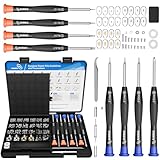
![AXTH 25-in-1 Small Precision Screwdriver Set, Professional Magnetic Mini Repair Tool Kit for Phone, Computer, Watch, Laptop, Macbook, Ring Doorbell, Eyeglass, Electronic, [Bearing Steel] Screw Driver](https://m.media-amazon.com/images/I/518YlLmPTcL._SL160_.jpg)
