I’ve been there. You’ve spent hours meticulously masking off trim, carefully applying that crisp line of blue tape, feeling pretty darn good about yourself. Then, you peel it off. And what do you find? A sticky, gummy mess that makes you want to cry into your paint tray. The age-old question: does blue painters tape leave a residue? It’s a question that has launched a thousand frustrated sighs and caused more than a few DIY projects to derail.
The short answer is: sometimes, and it’s usually not the tape’s fault alone. Most decent blue painter’s tape is designed to come off clean. But then, there are those times. Those times when you’re left wondering if you’ll ever get that sticky gunk off your beautiful woodwork. Let’s break down why this happens and what you can actually do about it.
Why That Gummy Residue Happens (it’s Not Just Magic)
Okay, let’s get real. Blue painter’s tape is supposed to be your best friend for sharp lines and clean paint jobs. It uses a low-tack adhesive, meaning it sticks well enough to hold its position without bonding permanently to the surface. This is important, especially for delicate surfaces like freshly painted walls, wallpaper, or even certain types of wood.
The adhesive is typically acrylic-based and formulated to release cleanly. So, when it leaves behind a sticky residue, it’s usually because one or more conditions were less than ideal.
Temperature is a massive factor. Too hot, and the adhesive can soften and transfer.
Too cold, and it might not adhere properly in the first place, leading to paint bleed, which is a whole other headache. Surface porosity is another culprit. Unfinished wood, for example, has tiny pores that can grab onto the adhesive.
If the surface isn’t prepped right – meaning it’s dusty, dirty, or greasy – the tape will stick to the contaminants rather than the surface itself, and when you pull, those contaminants and some adhesive come with it. Then there’s dwell time. Leaving tape on for an extended period, especially in direct sunlight or humid conditions, can cause the adhesive to break down or become overly aggressive.
I once left tape on a window frame for nearly three weeks because I got sidetracked by a dog emergency, and when I finally pulled it off, it was like trying to remove old chewing gum. The sun had baked it on. So, while the tape itself might be good quality, the environment and application are often the real troublemakers.
It’s a partnership, and if one part of the partnership fails, you get the sticky residue.
Choosing the Right Blue Tape: Not All Blue Is Created Equal
This is where people often fall down. They grab the cheapest roll of ‘blue tape’ they can find at the big box store and assume it’ll work like a charm. Big mistake. (See Also: Does Painters Tape Rip Paint Off Walls )
There’s a huge range of quality and intended use within the blue painter’s tape category. You’ve got your basic, all-purpose blue tape that’s fine for quick touch-ups or surfaces that can handle a little extra tack. Then you have specialized tapes. For delicate surfaces like wallpaper or newly painted walls (less than 24 hours old, mind you), you want tape specifically labeled as ‘delicate surface’ or ‘low tack’.
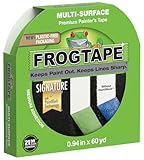
These use an even gentler adhesive. For outdoor use, or for surfaces that might be a bit rougher, you might need a ‘multi-surface’ or even ‘exterior’ tape that has a slightly stronger adhesive but is still designed to remove cleanly. Professional-grade tapes, often from brands like 3M, Shurtape, or FrogTape, are generally more expensive but perform significantly better. They use higher-quality adhesive compounds and backing materials that resist tearing and bleeding better.
I learned this the hard way when I tried to save a few bucks on a big interior painting job. That cheap stuff bled like crazy under the tape, and then it left this maddening, sticky residue that took hours to scrub off with mineral spirits. It wasn’t worth the $3 I saved per roll. Always check the packaging.
It should tell you what surfaces the tape is designed for and how long it can typically stay on. Don’t just look for the color blue; look for the specifications.
How to Apply and Remove Painter’s Tape Like a Pro
This is the part nobody wants to read about, but it’s where the magic happens (or doesn’t). Proper application and removal are key to avoiding that dreaded residue.
First, make sure your surface is clean and dry. Dust, grease, or moisture will compromise the tape’s adhesion and can contribute to residue. Give new paint at least 24 hours to cure, but honestly, longer is better. I’d wait 48-72 hours if you can.
When you apply the tape, use firm, consistent pressure. Run your fingernail or a plastic putty knife along the edge to create a good seal. Don’t stretch the tape as you apply it; lay it down smoothly.
Now, for removal. This is important: remove the tape while the paint is still slightly wet or at least very fresh.
The ideal window is often within an hour of the final coat. If you wait too long, the paint can cure around the tape’s edge, and when you pull, you risk pulling up the paint itself, or the adhesive bonds too strongly. When you pull, do it slowly and at a 45-degree angle. (See Also: Does Masking Tape Work The Same As Painters Tape )
Pulling straight up often increases the chance of lifting paint or leaving residue. If you’re in doubt, or if the tape has been on for a while (say, more than 24 hours), you can try a trick.
Gently heat the tape with a hairdryer on a low setting. This softens the adhesive and makes it much easier to remove cleanly.
Be careful not to overheat the surface, though, especially if it’s plastic or has a delicate finish. I use this trick all the time on furniture projects where I’ve masked off hardware or intricate details.
The Contrarion Take: Is Blue Tape Always the Answer?
Here’s my hot take: everyone obsesses over blue painter’s tape, and while it’s good, it’s not the only game in town, and sometimes it’s just plain overkill. For instance, if you’re painting a wall and you’re cutting in along a ceiling that’s already painted a different color and is in perfect condition, do you really need blue tape? If you’ve got a steady hand and a good cutting-in brush, you can probably do a cleaner job without tape altogether.
The tape can create a slight edge, a tiny ridge, where the paint meets the tape, which can sometimes be visible if you look closely or if the light hits it just right. Also, for truly delicate surfaces, like old, brittle wallpaper or a vintage piece of furniture with a fragile finish, even the most gentle blue tape can be risky. In those situations, I’ve had better luck using masking fluid or even just being incredibly careful with my brushwork.
The common advice is to always use painter’s tape for clean lines, and while that’s usually good advice for the average DIYer, it’s not a universal law. Sometimes, simpler or more deliberate methods yield superior results and zero residue, either from the tape or from trying to clean up tape mistakes. Don’t be afraid to experiment and trust your instincts.
Not every straight line needs tape, and sometimes the ‘perfect’ tool isn’t the obvious one.
Dealing with Stubborn Residue: Tactics for Rescue
So, you messed up, or the tape betrayed you, and you’ve got that sticky, gummy residue. Don’t panic. You’ve got options, but they involve a little elbow grease. My first go-to, for most general surfaces like painted walls or trim, is usually a good degreaser or a specialized adhesive remover.
Goo Gone is popular for a reason – it works pretty well on most sticky stuff without damaging paint finishes. Just apply a small amount to a soft cloth, rub the residue gently, and then wipe clean with a damp cloth. (See Also: Does Painters Tape Peel Paint )
If it’s really stubborn, you might need to let it sit for a few minutes. For wood surfaces, especially finished wood, mineral spirits can be effective, but test it in an inconspicuous spot first to make sure it doesn’t dull the finish. Avoid harsh solvents like acetone unless you’re dealing with something like dried paint splatters and you’re willing to risk the finish. For metal, sometimes a bit of cooking oil can help break down the adhesive.
And for glass, rubbing alcohol or a razor blade held at a low angle can do the trick. The key is patience. Scrubbing too hard with the wrong agent can damage the surface, which is a worse problem than a little sticky residue. I once spent an entire Saturday afternoon trying to get residue off a cheap laminate countertop after a poorly chosen tape failed.
I ended up using a combination of Goo Gone and a lot of soft cloths. It came off, but my hands were raw by the end of it. It taught me to buy better tape from the start.
A Quick Comparison: Tape Performance and Residue Tendency
When you’re out shopping, it’s easy to get overwhelmed. Here’s a simplified look at how some types of tape tend to perform regarding residue. Remember, this is a generalization, and results can vary based on application and surface. I’ve put together a quick table to help you decide. Pay attention to the ‘Verdict on Residue’ column – it’s where the rubber meets the road, or in this case, where the adhesive meets the surface.
| Tape Type | Typical Use | Adhesive Tack | Verdict on Residue |
|---|---|---|---|
| Standard Blue Painter’s Tape | General indoor painting, masking trim, walls | Medium | Usually clean, but can leave residue if left on too long, in heat, or on rough surfaces. |
| Delicate Surface Tape (often purple or white) | Fresh paint (under 24 hrs), wallpaper, vinyl, freshly painted walls | Low | Excellent. Designed specifically to minimize residue and paint pulling. Minimal risk. |
| Multi-Surface Tape (often green or orange) | Trim, glass, metal, sealed wood, fresh paint (24+ hrs) | Medium-High | Good. Generally clean on intended surfaces, but can be more prone to leaving residue on very delicate or unsealed materials. |
| Exterior/Heavy Duty Tape (often yellow or green) | Rough surfaces, outdoor projects, masking for stains | High | Can leave residue on smooth surfaces if not removed promptly. Best for its intended rougher, outdoor applications. |
| Cheap Generic Blue Tape | Unknown/Unspecified | Variable (often too high) | High risk. Often leaves sticky residue, bleeds paint, and can pull paint off surfaces. Avoid if possible. |
Faq: Your Burning Questions About Blue Tape Residue
Does Blue Painter’s Tape Damage Paint?
Generally, good quality blue painter’s tape is designed not to damage paint if used correctly. However, if the paint is not fully cured (wait at least 24-72 hours), or if the tape is left on for an extended period (especially in heat or direct sun), it can pull up the paint. Delicate surface tapes are specifically formulated for very fresh paint.
How Do You Remove Sticky Residue From Blue Tape?
For most surfaces, try a dedicated adhesive remover like Goo Gone, or a mild degreaser. Rub gently with a soft cloth, then wipe clean with a damp cloth. For wood, mineral spirits can work, but test first. For glass, rubbing alcohol or a razor blade can be effective.
Can I Use Blue Painters Tape on Wallpaper?
It depends on the wallpaper and the tape. For standard, well-adhered wallpaper, a low-tack or delicate surface blue painter’s tape is usually safe. However, if the wallpaper is old, fragile, or poorly adhered, even delicate tape could cause damage. Always test in an inconspicuous area first.
How Long Can Blue Painters Tape Stay on a Wall?
Most standard blue painter’s tapes are recommended for use for up to 14 days. However, this is under ideal conditions. In direct sunlight, high humidity, or extreme temperatures, the adhesive can degrade or become more aggressive much faster, increasing the risk of residue or paint damage. It’s always best to remove it as soon as your paint is dry to the touch.
Why Does My Blue Painter’s Tape Leave Residue After 2 Days?
Even after just two days, factors like heat, humidity, or direct sunlight can cause the adhesive to break down or bond more strongly to the surface. Also, if the surface itself is slightly porous or wasn’t perfectly clean, the adhesive can adhere to microscopic particles or irregularities, leading to residue upon removal, especially if the tape was pressed down very firmly.
Final Verdict
So, does blue painters tape leave a residue? The honest truth is that while quality tape is designed not to, user error, environmental factors, and the specific surface you’re applying it to all play a huge role. Don’t automatically blame the tape. Check the type of tape you’re using, make sure your surface is prepped right, and remove it at the opportune moment. If you do end up with that sticky mess, don’t despair; there are ways to clean it up, they just take a little patience.
My advice? Invest in good quality tape from reputable brands for your important projects. It might cost a bit more upfront, but it will save you hours of frustration and costly cleanup down the line. And remember, the best way to avoid residue from blue painters tape is often proactive prep and careful removal.