
I’ve seen it countless times. You’ve got a favorite pair of designer glasses, maybe something fancy like Chanel, and a tiny screw goes missing. Suddenly, your $500 shades are useless. You grab the nearest screwdriver, praying it fits, and then you’re left staring at a stripped-out mess.
This is exactly why I get asked if does Chanel use Philips screws for their glasses. It’s not just about brand name; it’s about whether the tiny bits holding your expensive eyewear together are actually functional and serviceable.
Let’s cut to the chase: most high-end eyewear, including Chanel, isn’t using your standard hardware store fare. But the specifics are a bit more nuanced than a simple yes or no.
The Tiny Tyrants: Why Glasses Screws Matter
Look, I’m all for paying for quality. I’ve dropped enough cash on tools that promised the moon and delivered a damp squib to know the difference. When it comes to something as delicate as eyewear, the screws are the unsung heroes, or sometimes, the silent saboteurs. A poorly chosen screw can strip out the delicate hinge mechanism, leaving you with wobbly arms or, worse, a completely broken frame. It’s a small detail, but it’s the difference between a pair of glasses lasting you years and them becoming landfill fodder after a few months.
I once bought a supposedly ‘premium’ pair of sunglasses. Within a month, one of the temple arms started drooping. I tried a tiny eyeglass screwdriver, and pop – the head of the screw just disintegrated. It wasn’t a Philips head, not exactly, but some weird, proprietary little star shape that I couldn’t find a replacement for anywhere. Ended up costing me more to get them repaired than I’d spent on the glasses themselves, and that’s the kind of frustration that makes you question everything.
So, when people ask does Chanel use Philips screws for their glasses, they’re not just being picky. They’re asking if the brand respects the longevity of its product. The answer, in short, is generally no, they don’t use standard Philips screws. The reason is twofold: security and aesthetics. A standard Philips screw head is functional, but it’s also pretty generic. High-end brands often opt for custom-designed screws or more specialized heads that are harder to tamper with and often look sleeker, blending into the frame design rather than standing out.
Think about it: if you’re paying a premium for the Chanel logo, you’re also paying for a certain level of perceived quality and design integrity. Using off-the-shelf Philips screws would feel… cheap. It would be like putting a generic plastic knob on a meticulously crafted mahogany table. It just doesn’t align with the brand’s image. This doesn’t mean they’re impossible to fix, mind you, but it does mean you’ll likely need specialized tools and potentially a trip back to an authorized dealer or a skilled optician.
Beyond Philips: The World of Eyewear Fasteners
The world of screws used in eyewear is surprisingly diverse, and it’s definitely not limited to the familiar cross-shape of a Philips head. You’ll find a variety of styles, each chosen for a specific reason. One of the most common types you’ll encounter, especially in higher-end frames, is the tiny hex screw, also known as an Allen screw. These have a hexagonal socket in the head, requiring a small Allen wrench (or hex key) to turn. They offer a good grip and are less prone to stripping than Philips screws if the correct size wrench is used. (See Also: How To Fix Eyeglasses Arm Without Screw )
Then there are Torx screws, which have a star-shaped socket. These are known for their resistance to cam-out, meaning the screwdriver is less likely to slip out of the head under torque. You see these more often in electronics and sometimes in more solid eyewear frames. For luxury brands like Chanel, however, they often go a step further. Many employ custom-designed screws with unique head shapes – sometimes a small circular indent, a subtle slot, or even a proprietary pattern – that are intended to be flush with the frame and minimally visible. This is purely for aesthetics and brand exclusivity; it makes the glasses look cleaner and discourages casual tampering or DIY repairs with common tools.
I remember working on a pair of vintage Ray-Bans once; they had these tiny, almost perfectly round heads with a single, very fine slot. Took me ages to find a jeweler’s screwdriver that could even engage with it without slipping. It felt like a deliberate barrier to entry. The same principle applies to luxury brands that want to maintain tight control over their product’s maintenance and appearance.
The reason for this variety isn’t just about looking different. It’s about engineering. Different screw types offer different levels of torque, security, and resistance to vibration. For glasses that are constantly being put on and taken off, exposed to sweat and oils, and subjected to minor impacts, the fastener needs to hold firm without damaging the surrounding material. Brands like Chanel invest in design and manufacturing precision, and that extends to the smallest components. They’re not just slapping parts together; they’re assembling a piece of jewelry.
The Chanel Approach: Precision and Exclusivity
So, does Chanel use Philips screws for their glasses? Almost certainly not for their primary visible hinge screws. If you were to take apart a pair of genuine Chanel glasses, you’d likely find something much more refined. They often use very small, specialized screws that are either flush-mounted or designed to blend smoothly with the frame material. Sometimes these are slotted, but the slot is often very fine, or they might use a small pin-like screw head that requires a specific tool to engage. The goal is an uninterrupted, elegant line.
This isn’t just about keeping you from fixing them yourself, though that’s a side effect. It’s about maintaining the aesthetic purity of the design. A prominent Philips head screw would jar with the sleek lines of a Chanel frame. Imagine a finely custom suit with mismatched buttons – it just doesn’t fit the brand’s ethos. They want the focus to be on the craftsmanship of the frame itself, not on the fasteners holding it together. This is why you’ll often see very subtle branding or unique geometric patterns on the screws, if they are visible at all.
I’ve seen it in other high-end brands too. The screws are often so small and so perfectly matched to the frame’s color and finish that they practically disappear. It’s a subtle detail, but it contributes significantly to the overall feeling of luxury and meticulous attention to detail. It signals that this isn’t just a mass-produced item; it’s a carefully considered piece of design. If a screw is too prominent or looks like it came from a generic repair kit, it instantly diminishes the perceived value of the eyewear.
For Chanel, this exclusivity extends to maintenance. While a skilled optician with the right tools can usually service these frames, they might not have the specific proprietary tools Chanel uses. This can sometimes lead to recommendations for returning the glasses to an authorized service center, which, of course, makes sure the brand maintains control over the repair process and the customer experience. It’s a strategy that protects their brand image and makes sure the quality of any repairs. (See Also: How Measure Metric Computer Screws )
Contrarian View: Are Fancy Screws Always Better?
Now, here’s where I ruffle some feathers. Everyone says that proprietary, hard-to-find screws are a sign of quality. I disagree, at least partially. While I appreciate a well-designed, secure fastener, I also value practicality and repairability. My contrarian take is that while Chanel’s approach might look cleaner and more exclusive, it can be a real pain in the backside for the average user who just wants to fix a loose arm without a major ordeal.
I’ve spent more time and money trying to source a single, obscure screw for a luxury item than the actual cost of the screw itself. Sometimes, it feels like an unnecessary barrier designed to push you towards expensive professional repairs. For everyday tools and even some mid-range gear, I’d much rather have a standard Philips head, or even a solid flathead, that I can reliably find a replacement for at any hardware store. It’s about long-term usability and the freedom to do a quick fix yourself.
Think about a basic pair of safety glasses or work boots. They use standard fasteners for a reason: they need to be durable, replaceable, and cost-effective. While Chanel isn’t making safety glasses, the principle of repairability is still important. If a tiny screw falls out of your Chanel frames, and you can’t find a replacement anywhere without special ordering it and waiting weeks, or paying $50 for a professional to do it, that’s not really serving the end-user’s long-term interest, is it? It’s serving the brand’s interest in maintaining control and exclusivity.
This isn’t to say Chanel’s screws are bad. They are likely made to high standards. But the type of screw chosen, while aesthetically pleasing and unique, often sacrifices the simple convenience that a standard screw offers. So, while the elegance is undeniable, sometimes I wish those high-end designers would just stick a reliable Philips screw in there and call it a day. It would make my life, and probably yours, a little bit easier when the inevitable happens.
What to Look for (and What to Avoid)
When you’re eyeing a new pair of glasses, whether they’re Chanel or something else, pay attention to the screws. Don’t just glance at the frame; look at the hinges. Are the screws easily identifiable? Do they look like they’d be simple to replace? Or are they tiny, almost invisible things that seem to be part of the frame itself?
Here’s a quick rundown of what to look for and what might cause you headaches down the line:
| Screw Type | Pros | Cons | Verdict |
|---|---|---|---|
| Standard Philips | Widely available, easy to find replacements, common tools work. | Can strip easily if poor quality or wrong size driver used, can look generic. | Reliable and practical for most, but less common in luxury. |
| Hex (Allen) | Good grip, less prone to stripping than Philips, often secure. | Requires specific Allen key set, can still be small and fiddly. | A good middle-ground, often found in quality mid-range to high-end. |
| Torx | Excellent resistance to cam-out, very secure. | Requires Torx drivers, less common than Philips/Hex for general use. | Durable and secure, but might be overkill for standard glasses. |
| Proprietary/Custom | Aesthetically sleek, blends with frame, high exclusivity. | Extremely difficult or impossible to replace without specialized tools/parts, can lead to costly repairs. | Purely aesthetic and brand-driven, often a pain for the owner. |
For Chanel glasses specifically, you’re almost guaranteed to encounter proprietary or custom screws. They are designed to be minimally visible and integrate perfectly with the frame’s design. This means if you lose one, your best bet is to contact an authorized Chanel retailer or a high-end optical shop that deals with luxury brands. Trying to force a generic screw in there is a recipe for disaster, potentially damaging the hinge and the frame permanently. (See Also: How To Adjust Eyeglass Screw )
My personal rule of thumb? If I can’t easily identify the screw type and picture myself finding a replacement at a local store or online with a quick search, I get a little wary, especially if the price tag is substantial. It’s not about being cheap; it’s about respecting the longevity and maintainability of the products I buy. I want my gear to work for me, not require a specialized technician for every minor hiccup.
Frequently Asked Questions About Chanel Glasses Screws
Do Chanel Glasses Use Standard Screws?
No, genuine Chanel glasses typically do not use standard Philips screws or other common hardware store fasteners for their visible hinge points. They opt for custom-designed or specialized screws that are often flush-mounted and designed to blend smoothly with the frame’s aesthetic. This choice is driven by a desire for a clean, elegant look and brand exclusivity.
What Kind of Screws Are Used in Most Designer Glasses?
Designer glasses, including high-end brands, often use a variety of specialized screws such as tiny hex (Allen) screws, Torx screws, or entirely proprietary screw heads. The primary goal is to achieve a sleek, unobtrusive appearance and to make sure a secure fit that complements the frame’s design without visible utilitarian hardware.
Can I Fix Loose Chanel Glasses Myself?
While minor tightening might be possible with the correct, very small eyeglass screwdriver, it’s generally not recommended to perform significant repairs on Chanel glasses yourself. The specialized nature of their screws means using the wrong tool can easily strip the screw head or damage the hinge mechanism, leading to more expensive repairs or permanent damage to the frame.
Where Can I Get Chanel Glasses Repaired If a Screw Is Lost?
If you lose a screw from your Chanel glasses, the safest and most recommended course of action is to take them to an authorized Chanel retailer or a reputable optical shop that specializes in luxury eyewear repairs. They will have the correct tools and access to genuine replacement parts to make sure the repair is done properly and maintains the integrity of the glasses.
Conclusion
So, to answer the nagging question: does Chanel use Philips screws for their glasses? The honest answer is a resounding no, not the kind you’d find in a toolbox. They’re going for that smooth, high-fashion look, which means custom-designed fasteners that are as much a part of the design as the acetate or metal. This is great for aesthetics but can be a real pain when a tiny screw decides to go on an adventure.
My advice? If you own Chanel glasses, cherish them, wear them with pride, but also be mindful of those tiny components. If a screw loosens, resist the urge to grab the nearest screwdriver. It’s often worth the small investment to take them to a professional who understands the intricacies of luxury eyewear. It’s better than risking a costly mistake that could ruin an otherwise perfect pair of frames.
Next time you’re looking at a pair of high-end glasses, take a closer look at the hinges. What do the screws look like? Are they there to hold things together, or are they part of the artwork? Understanding these small details can tell you a lot about the product’s design philosophy and its long-term care requirements.
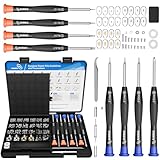
![AXTH 25-in-1 Small Precision Screwdriver Set, Professional Magnetic Mini Repair Tool Kit for Phone, Computer, Watch, Laptop, Macbook, Ring Doorbell, Eyeglass, Electronic, [Bearing Steel] Screw Driver](https://m.media-amazon.com/images/I/518YlLmPTcL._SL160_.jpg)
